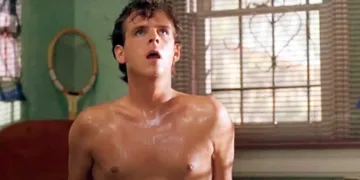





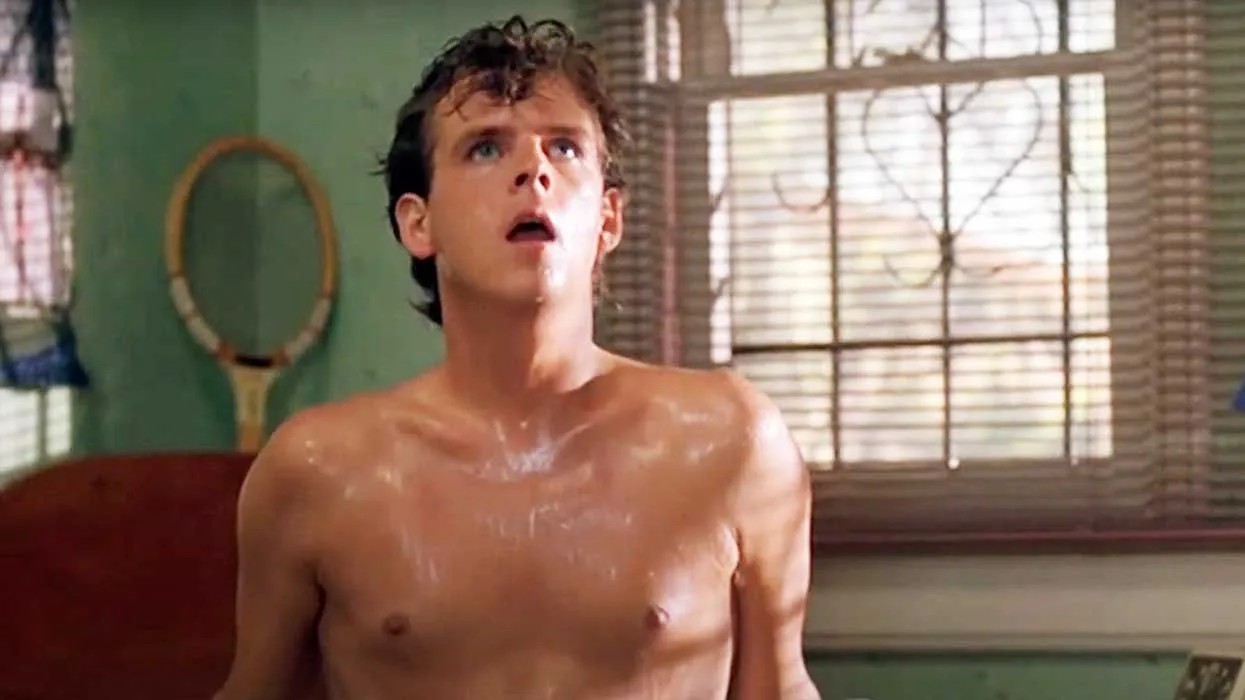

Jack Sholder says the afterlife of A Nightmare on Elm Street 2 has been “delightful,” embracing the film’s reputation as a queer horror touchstone even though he didn’t clock that reading while making it in 1985. In a new interview tied to the release of a seven-film 4K box set, the director recalls a frantic six-week prep after Wes Craven bowed out, and frames Freddy’s menace as an expression of teen sexual anxiety.
He adds that he learned more about the movie’s cultural impact through later fan events and conversations with star Mark Patton, whose experience was explored in the 2019 documentary Scream, Queen! My Nightmare on Elm Street. The sequel earned about $30 million on a $3 million budget and helped cement the franchise’s momentum despite mixed early comparisons to other entries.
Recent coverage revisiting the film’s legacy notes that some early critics flagged the subtext at the time, with a Village Voice review calling it “the gayest horror film of all time” — a label Sholder says the team initially found surprising. Subsequent retrospectives have traced how that reading grew into a point of identification for audiences and scholars, with Patton’s documentary and fan conventions reframing the film’s place in genre history. The new 4K collection has amplified that discussion, putting the sequel back in circulation with upgraded presentation and renewed press attention.
Other interviews this month add context to how interpretations evolved. Screenwriter David Chaskin has since acknowledged that he wrote the subtext deliberately after years of deflecting, while Sholder now says he considers the film “really good” on its own terms and appreciates the community that has gathered around it.
Separate Q&As retrace the production crunch — from special-effects lists to location hunts — and how New Line’s marching orders were to keep the character “dark” and “scary,” leaving the creative team leeway that, intentionally or not, produced a rare “final guy” story that resonated with queer viewers. The box set’s late-September street date has fueled fresh profiles, discounts and interviews that situate the sequel alongside entries like Dream Warriors and New Nightmare, but with a distinctly personal, long-tail legacy.