





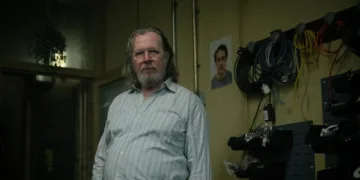

























The director of Hulu’s new docuseries about Ellen Greenberg says she was “shocked” to learn that Philadelphia’s medical examiner has reaffirmed a suicide ruling in the 27-year-old teacher’s 2011 stabbing death, a decision that arrived just as the series premiered and reignited debate over the case. Nancy Schwartzman, who directed Death in Apartment 603: What Happened to Ellen Greenberg?, told The Hollywood Reporter that the review undercuts years of questions raised by the family and outside experts about how Greenberg sustained more than 20 stab wounds in a locked apartment during a blizzard.
The new 32-page analysis from the Philadelphia Medical Examiner’s Office maintains there is insufficient evidence of homicide and cites the absence of foreign DNA on the knife, lack of signs of a struggle inside the residence, and Greenberg’s mental health history. Officials said the re-examination followed a legal settlement earlier this year that required an independent look at the manner of death. The family’s attorney has condemned the report as incomplete and misleading, disputing aspects of the wound analysis and arguing that key materials and demonstrations were discounted.
Greenberg’s death was initially labeled a homicide before being changed to suicide months later, which halted a criminal probe and set off a years-long legal fight by her parents, Sandee and Josh Greenberg. The renewed determination comes as the case draws fresh public attention through the docuseries, which chronicles the parents’ effort to obtain records, commission expert reviews, and press city and state officials to revisit the ruling. Broadcast and local outlets reported the office’s reaffirmation this week, underscoring the gulf between investigators and the family’s advocates that has defined the matter for more than a decade.
Death in Apartment 603 premiered September 29 on Hulu and Hulu on Disney+, placing the dispute over forensics and procedure at the center of a three-part narrative. Schwartzman has said viewers should evaluate the record presented in the series while recognizing that the official review landed after production, reshaping the public conversation yet again. The case remains a rallying point for those who argue that complex, multi-agency inquiries deserve renewed scrutiny when conclusions conflict and evidence remains contested.