












![Kingdom Hearts Collection [I-III] Review](https://gazettely.com/wp-content/uploads/2026/10/Kingdom-Hearts-Collection-I-III-1-360x180.webp "Kingdom Hearts Collection [I-III] Review: KHII Holds Steady as Newer Entries Fluctuate 37")



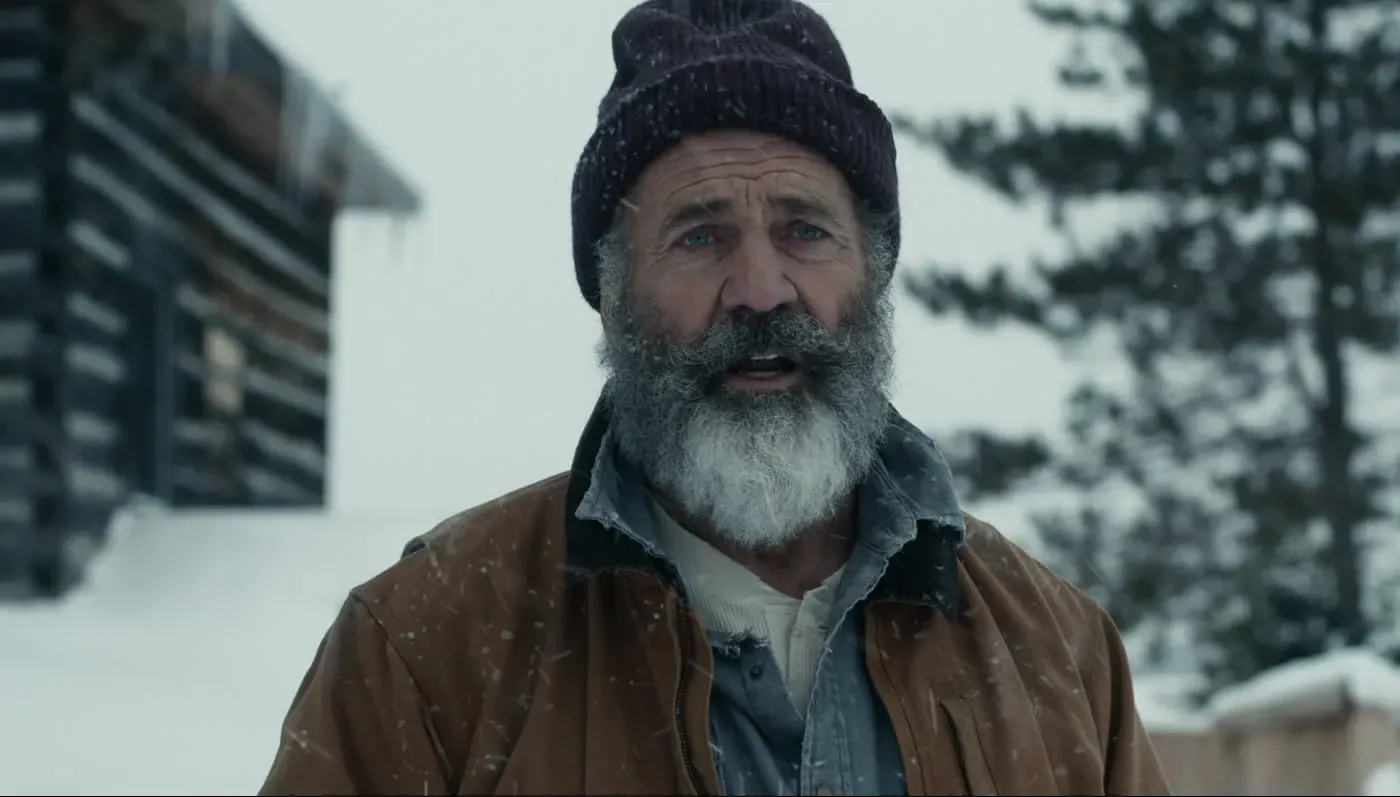

Chris Cringle (Mel Gibson) appears as a grizzled, world-weary proprietor of a flailing small business in North Peak, Alaska. Writer-directors Eshom and Ian Nelms frame Fatman as a dark, gritty action B-movie. Cringle’s operation is sinking: fewer well-behaved children lead to a drop in government subsidies, which pushes him to accept a contract to manufacture parts for the US military.
The commercial crisis runs alongside a direct threat. Billy (Chance Hurstfield), a monstrously entitled rich boy who receives a lump of coal, hires a contract killer known as The Skinny Man (Walton Goggins), an eccentric assassin with a chillingly personal, long-standing vendetta against the Fatman. The film replaces the universal innocence of the Christmas legend with the anxieties of a struggling, weaponized, resentful modern America.
The Decay of Tradition and the Global Naughty List
The film’s strongest idea sits in a cross-cultural analytical treatment of Santa Claus, placing a fantastical figure inside the hard logic of late-stage capitalism. Cringle’s exhaustion, his whiskey-and-Alka-Seltzer ritual, and his fury at contemporary cynicism form a portrait of spiritual collapse that echoes a wider cultural mood. This Santa has lost confidence because belief in simple categories of good and evil has eroded across audiences that share the myth yet interpret it through different social values.
The narrative converts a myth of generosity into the story of a failing, subsidized enterprise. Cringle’s military contract, necessary to keep the elf workshop active, functions as visual storytelling with policy-level implications. Tradition continues by aligning with the military-industrial complex, turning toy makers into manufacturers of fighter jet parts. The choice speaks to a global theme: cultural heritage becomes fragile under the pressure of power and profit, and a local figure like Santa must operate within systems that define value through output and compliance.
Billy, the rich child who answers a coal gift with an assassination order, serves as a sign of contemporary entitlement. The growing naughty list operates as social critique. Billy’s cruelty and his immediate use of outsourced violence highlight an ethical recession across communities that share holiday rituals but measure success through display and domination. The Nelms brothers combine dark comedy, fantasy, and action. The core concept often lands with force, yet the execution slips into routine patterns, which softens the bite of the satire and keeps the darker possibilities at a low flame.
The Troubled Star System and the Moral Center
Casting shapes the cultural reading of Fatman. Mel Gibson’s Chris Cringle offers a layered revision. Gibson’s public baggage becomes part of the characterization; the performance channels a history of controversy into a cranky, spiritually broken Santa. Weariness and implied years of struggle read on his face, which gives the role an almost autobiographical charge. The film invites viewers to confront the long-running debate over the relation between art and artist, and to consider how a figure marked by dispute plays a character associated with morality in decline.
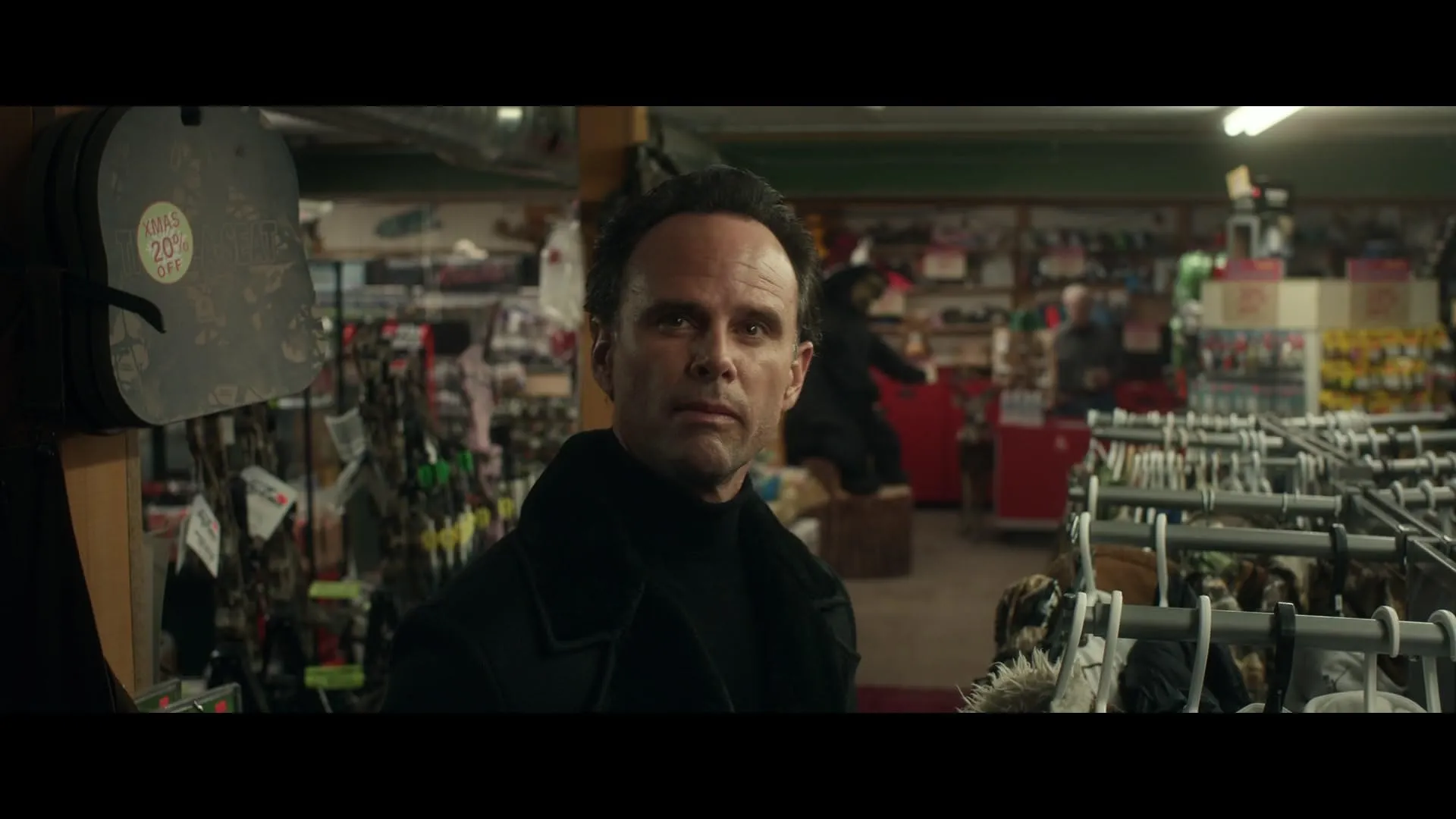
Walton Goggins counters Gibson as The Skinny Man. Goggins delivers an icy, reptilian assassin. His quirks, including a habit of collecting original Santa toys, point to unresolved childhood damage. The Skinny Man’s deep hatred functions as a physical mirror of Cringle’s disillusionment, a parallel that draws a line between personal grievance and cultural fatigue. The film tracks his hunt across extensive screen time. Motives stay thin on the surface, which leaves the central conflict running on a grudge rather than a fully articulated psychological design.
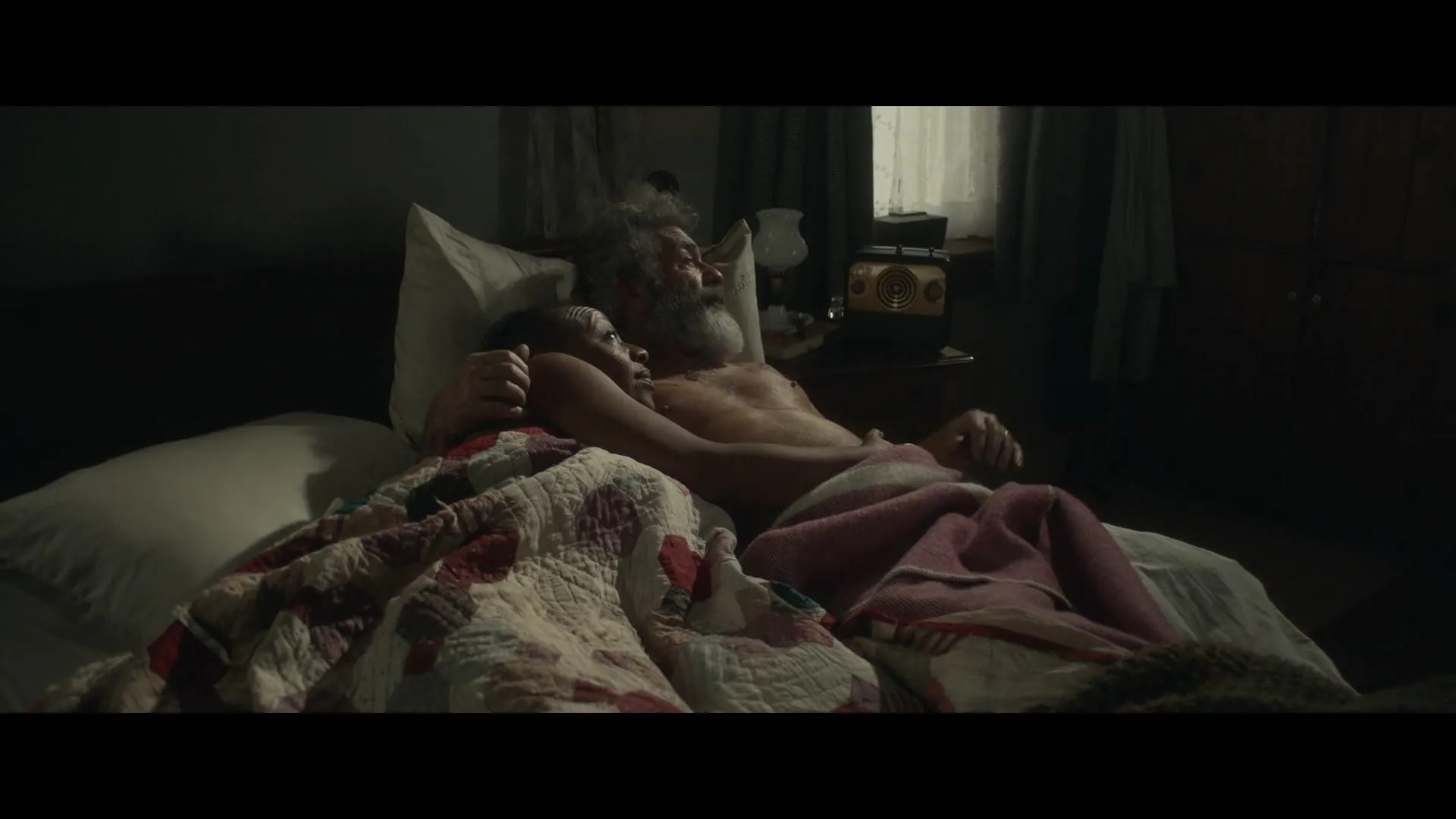
Marianne Jean-Baptiste anchors the story as Ruth Cringle, the film’s moral compass. She plays the steady, reasonable partner who keeps Chris grounded. Domestic tasks such as baking and knitting sit beside practical business sense and a decisive role in the final action. Her presence offers an emotional base for the tradition that Chris struggles to sustain. Partnership and realism carry the seasonal ideal through hardship and violence, even as the symbolic figure stumbles.
The Convergence of Grime and Fantasy
Two lines drive the structure: Cringle’s economic distress and The Skinny Man’s relentless pursuit. The long, deliberate build creates a mood of isolation and inevitability as the assassin closes in on the remote North Peak site. This pacing strategy prioritizes atmosphere and a sense of encroachment, a choice that aligns a folk figure with the grammar of American action cinema and its focus on terrain, surveillance, and attrition.
Action, when it hits, commits to grit and blood. The tone rejects holiday spectacle in favor of grounded violence. A scene in which Santa digs a bullet out of his own body after a skirmish with hunters (a grim self-surgery) signals the B-movie aesthetic. The film places a magical character inside a framework that favors real-world tactics, equipment, and injury, creating friction between mythic expectation and practical survival. That friction maps onto a wider discussion of how regional legends adapt to global expectations of plausibility and cost.
The final showdown between Chris Cringle and The Skinny Man serves as the expected payoff for the slow burn. The sequence turns violent and reaches a dark fulfillment, yet the fight remains brief. The swift resolution produces an anticlimax. The film invests heavily in premise and pursuit, then rushes the finish. The structure hints at an unrealized ceiling for escalation, which keeps the climactic exchange from delivering the catharsis that the concept seems to set up.
Low-Budget Realism and Cult Aspirations
The look of Fatman grows from the isolated Alaskan landscape and a deliberate low-budget realism. The Cringle farm and workshop appear as a practical, aging industrial site rather than a magical enclave. This choice reinforces a theme of tradition under stress. Elves appear as normal-sized industrial workers tasked with building military parts, an image that strips whimsy from the mythology and sets fantasy elements within a working-class routine shaped by quotas, contracts, and compliance.
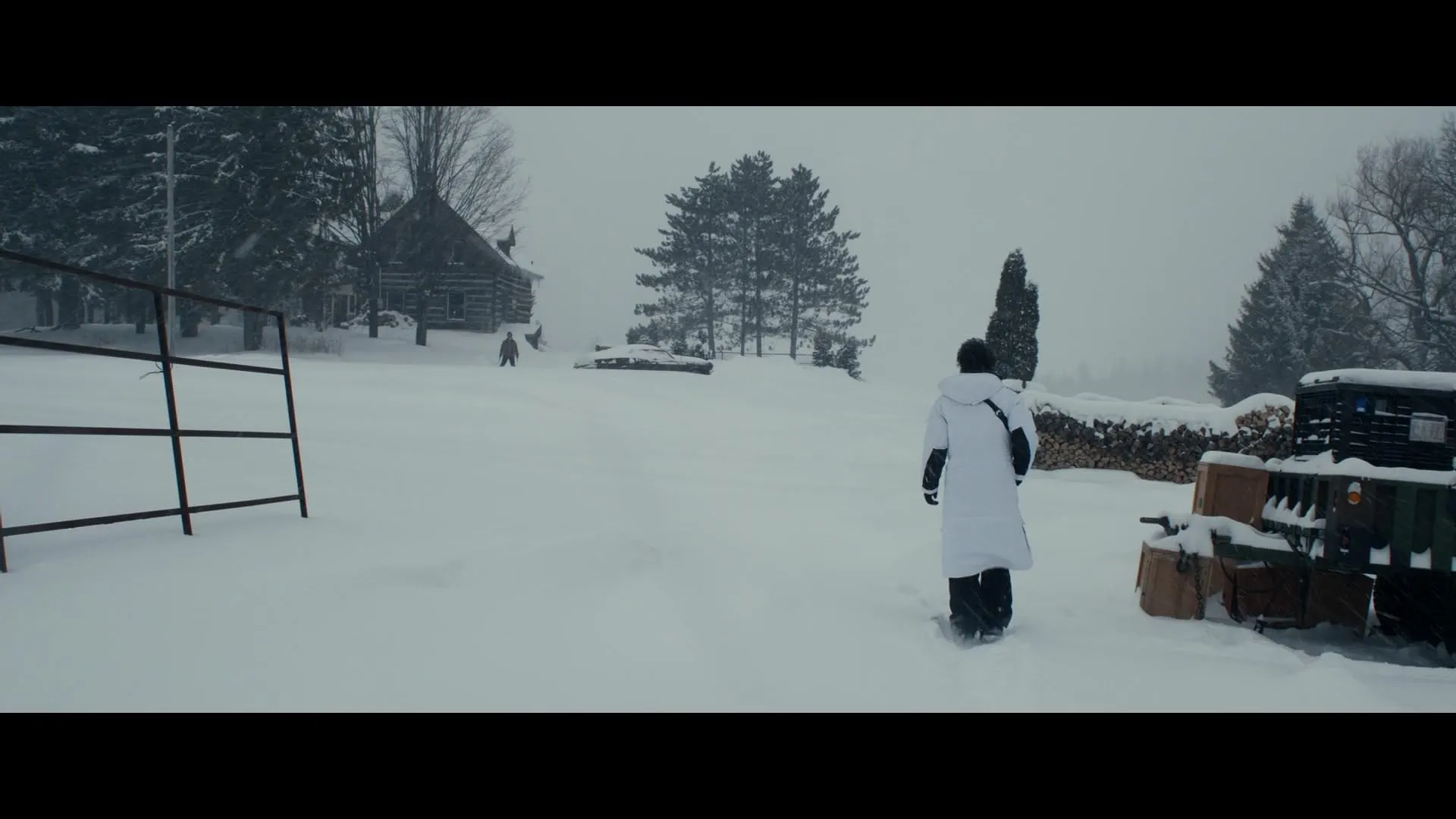
The Nelms brothers sustain a consistent, grimy tone and keep control of an absurd premise that could easily tip into slapstick. Their restraint preserves mood and keeps genre elements aligned with the film’s economic and cultural concerns. That same restraint, however, limits cult potential. The film shares thematic kinship with Bad Santa, yet a controlled, formulaic rhythm prevents the premise from reaching the wildness that often fuels cult devotion.
Fatman reads as a sharp concept that functions on paper and in isolated moments. It stops short of the kind of audacity that turns a seasonal provocation into a perennial favorite, leaving a curious artifact of American myth under late-capitalist pressure and a reminder of how global audiences parse a local legend through market logic, policy incentives, and personal grievance.
The movie Fatman is a 2020 American black comedy action film that puts an unorthodox, gritty spin on the Santa Claus myth. It follows a jaded and financially struggling Chris Cringle, who is forced into a contract with the US military to save his business, only to find himself the target of a highly skilled assassin hired by a vengeful 12-year-old. The film was released on November 13, 2020, by Saban Films. It has recently found renewed popularity streaming on platforms like Netflix and Paramount+, making it available for home viewing.
Credits
Title: Fatman
Distributor: Saban Films
Release date: November 13, 2020
Rating: R
Running time: 100 minutes (1 hour 40 minutes)
Director: Eshom Nelms, Ian Nelms
Writers: Eshom Nelms, Ian Nelms
Producers and Executive Producers: Todd Courtney, Nadine de Barros, Michelle Lang, Robert Menzies, Lisa Wolofsky, David Gordon Green, Danny McBride, Jody Hill, Brandon James, Ben Rosenblatt, Jonathan Saba, Peter Touche
Cast: Mel Gibson, Walton Goggins, Marianne Jean-Baptiste, Chance Hurstfield, Susanne Sutchy, Robert Bockstael, Michael Dyson, Deborah Grover
Director of Photography (Cinematographer): Johnny Derango
Editors: Traton Lee
Composer: Mondo Boys
The Review
Fatman
Fatman proposes a sharp, ambitious reinterpretation of the Santa myth, grounding the figure in the grime of a failing economy and contemporary cynicism. While the premise—a bitter Santa fighting a hired assassin—is captivating, the film's execution is uneven. The deliberate, slow pacing and an anticlimactic final confrontation prevent the satire from fully exploding into the cult classic it aspires to be. It remains a conceptually intriguing, if structurally flawed, genre exercise.
PROS
- Successfully transforms the Santa myth into a grim, grounded B-movie scenario.
- Features Walton Goggins' charismatic villainy and Marianne Jean-Baptiste's compelling, grounded portrayal of Ruth Cringle.
- Offers a sharp critique of modern entitlement (Billy) and commercialism (the military contract)
- Maintains a visually distinct, low-budget realism and controlled dark atmosphere.
CONS
- The long buildup to the confrontation often feels slow and drags down the narrative momentum.
- The final, long-awaited fight is notably brief, failing to deliver the payoff expected of the setup.
- The film is too restrained and level-headed to fully embrace the anarchic craziness needed for a true cult classic.
- The Skinny Man's deep-seated motivations are left vague, limiting the impact of the core conflict.