





























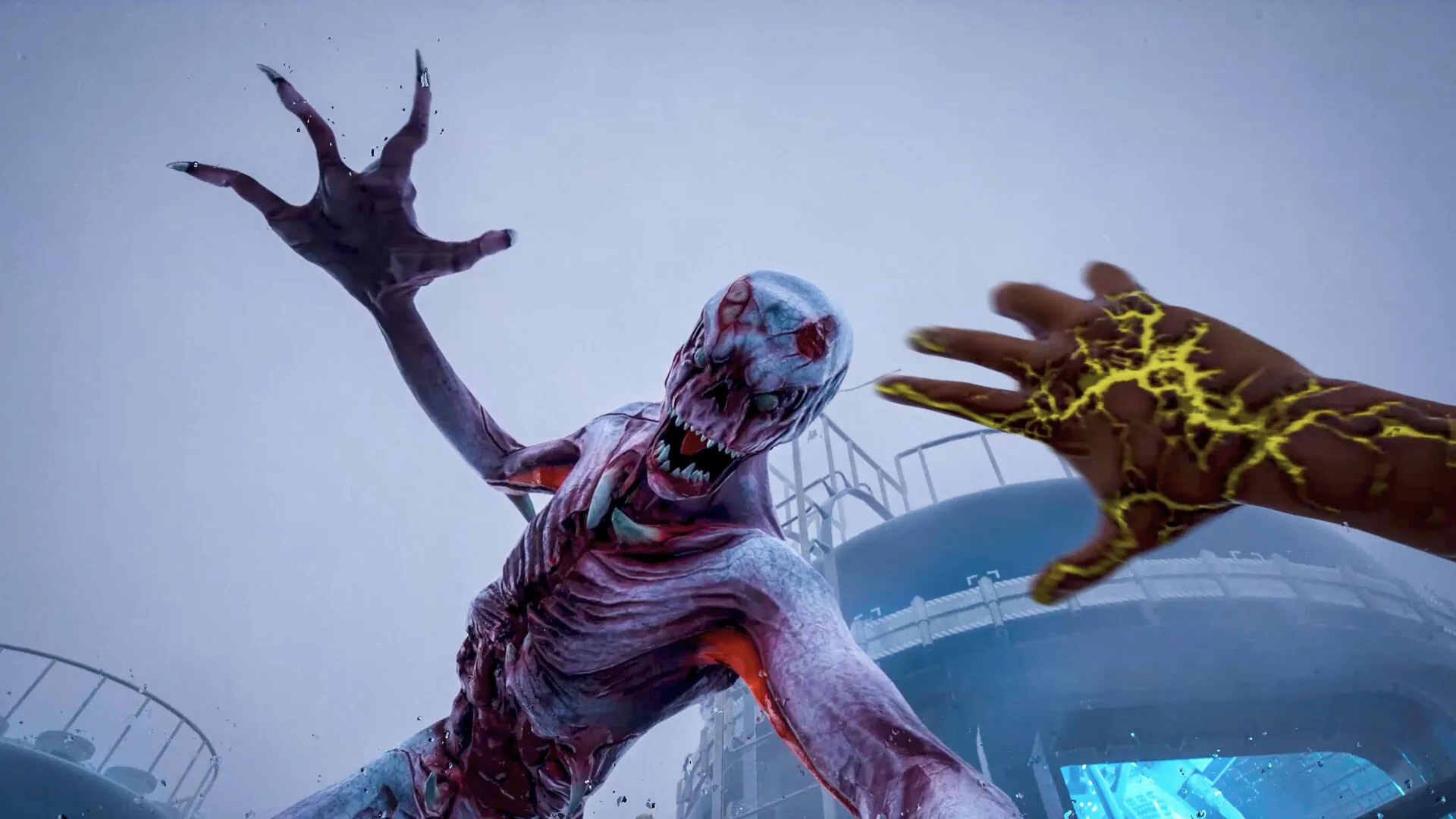

Macabre steps into co-op survival with a clear hook: a stealth-horror extraction setup built around a predatory, adapting creature that hunts players across a hostile open zone. The game asks you to form a squad of up to four or attempt a solo incursion into the dense Australian wilderness. Dimly lit research outposts sit inside a thick forest, and the presentation leans into shadow, limited sightlines, and ominous spaces.
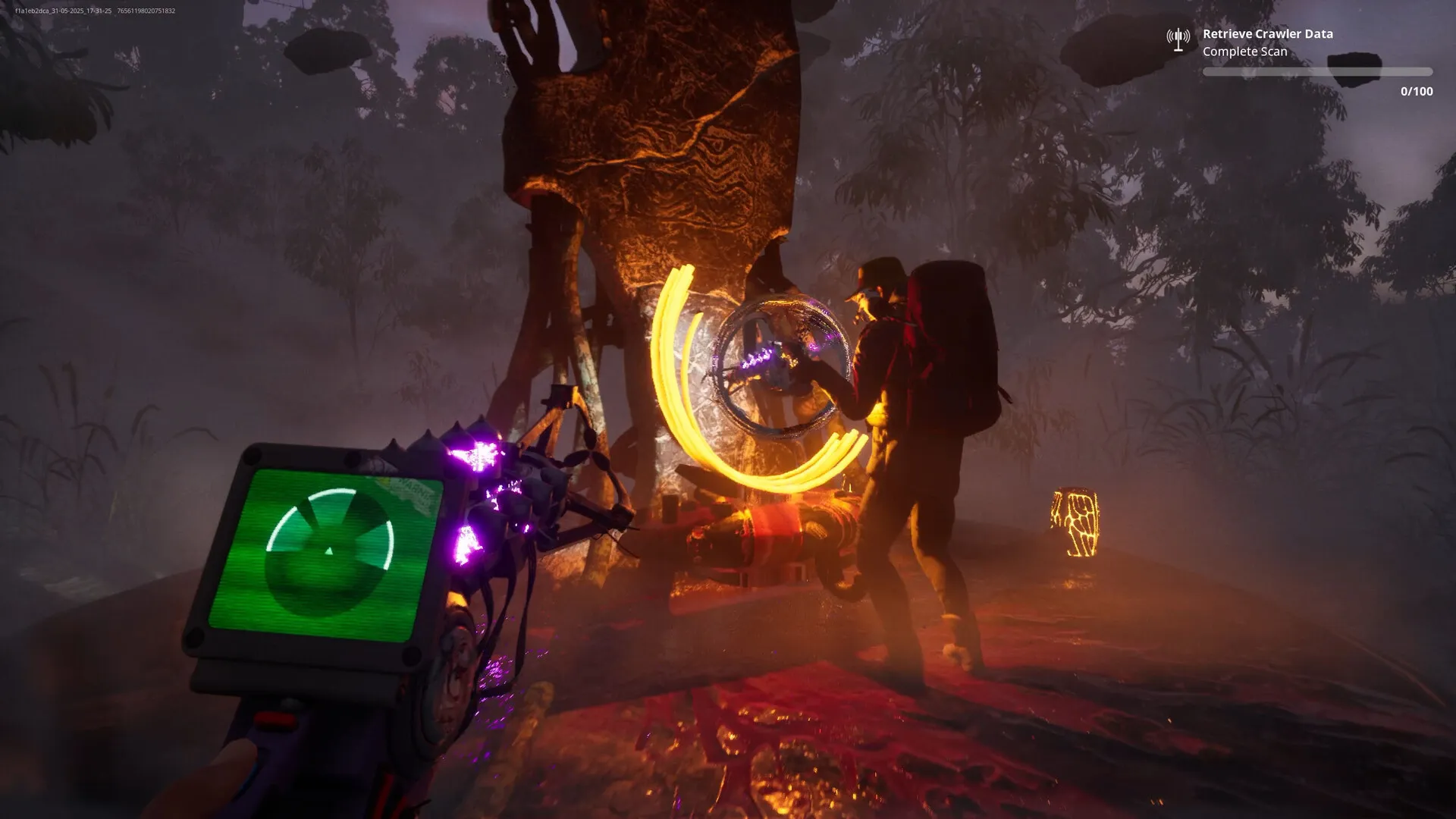
Once inside an active area, the loop starts. Players pursue primary objectives that include gathering artifact fragments, securing research intel, and attempting high-risk tasks such as drawing creature blood samples. A persistent hunter patrols the map, and evasion defines survival.
The creature cannot be killed; players can stall or distract it with limited tools. Early moments sell the concept with flickering lights, distant screeches, and a steady rise in tension. The mood recalls multiplayer Alien: Isolation with the high-stakes looting pressure of Hunt: Showdown.
The Extraction Loop and Design Friction
Macabre’s structure centers on repeatable missions across a wide map, with a focus on collecting generic items or intel before reaching an extraction portal. Long runs between points of interest create lulls that slow momentum. The looting layer adds to the problem. Players spend time searching containers that often hold nothing or basic trash items that convert to end-of-match points rather than useful survival gear. The cycle feels like busywork when the payoff lacks impact.
Mission variety fluctuates. Objectives that push players near the creature can be gripping. A blood sample task that requires a dart gun creates strong planning and execution. A solo player can place a bear trap, immobilize the monster, and fire the dart, which turns the encounter into a tight timing puzzle with real stakes. Momentum fades when the game rotates back to low-stakes fragment collection, and interest slips.
Movement design compounds the issue. The absence of a jump button feels restrictive on uneven terrain where quick, agile movement matters. Players cannot hop over small obstacles or leap from windows during a chase. Several map routes let players break line of sight and disappear into jungle cover, which nudges groups toward quick hits on outposts and fast exits. That habit reduces the interior stealth pressure the game tries to build.
The Hunter’s Intelligence
Macabre’s creature is a grotesque, wendigo-like figure and the spine of the horror experience. The first impression lands. Chilling screeches telegraph a hunt, lights flicker, and the design sets expectation for an adaptive stalker. The promise of a relentless pursuer hinges on artificial intelligence, and that is where the current build stumbles.
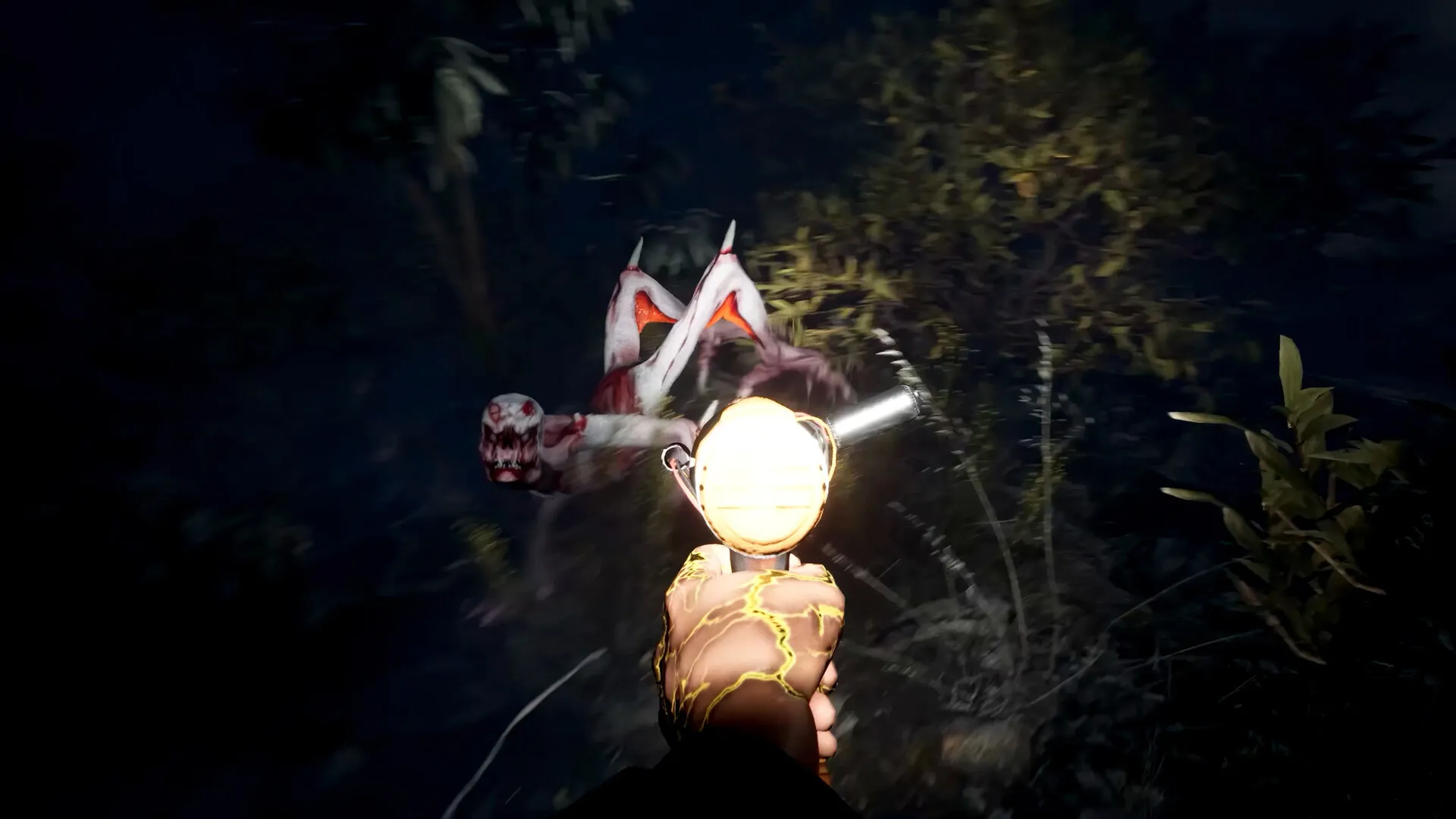
Reports point to pathfinding that breaks tension instead of raising it. The monster can freeze, get stuck on small ledges, or abandon a chase after a minor distraction. Inconsistency shows up in hit detection and awareness. Players have seen attacks connect through walls, and they have seen the creature lose track of a hiding target without clear cause.
Sometimes it scarcely appears during a mission, and the feeling of being hunted collapses. When a chase does trigger, the animation reads like a sped-up walk, which drains menace and undercuts the predator fantasy. The AI fails to support the advertised role of an adaptive hunter, and that gap removes the pressure the rest of the design depends on.
Group Chaos and Technical Reality
Macabre plays best as a social experience. Solo runs function, yet they feel thin next to co-op sessions that produce proximity chat panic, on-the-fly coordination, and short bursts of team friction. Playing alone highlights repetitive objectives and uneven pacing. A practical obstacle sits outside design: low availability in public matchmaking. Players who lack a ready-made group face a limited version of the intended experience.
Stability lags behind the presentation. Bugs interrupt play and pull focus from tense moments. Common issues include getting stuck in hiding spots and silent keybind failures. Severe problems include falling through the world. Developer patch notes reference a long list of concerns that covers keybind behavior, performance, and VOIP.
Visuals and audio carry the strongest parts of the package. The game’s look holds up with strong fidelity, and dynamic weather such as rain-heavy electrical storms can force quick route changes or tighter positioning. The soundscape favors diegetic elements. A minimal soundtrack lets Foley and creature audio breathe, so door creaks, footsteps, and screeches hit with greater weight and sell the threat in front of you.
The Review
Macabre
Macabre presents a fantastic idea, leveraging a tense atmosphere and striking visuals. Its core promise, however, is broken: the creature's AI is inconsistent, frequently confusing, and strips away the horror. Coupled with repetitive objectives, unrewarding looting, and severe technical instability, the current game feels like an unpolished prototype. While the potential for high-stakes co-op is visible during rare moments, the overall experience lacks consistency and polish. This is a framework for a good game, but players should wait until fundamental fixes are applied.
PROS
- High-concept extraction horror premise
- Excellent atmosphere and sound design
- Visually striking Australian setting
- Co-op offers genuine moments of chaos
- Occasional creative mission structures
CONS
- Broken monster AI is easily confused
- Repetitive objectives and dull pacing
- Severe bugs and technical instability
- Restrictive traversal (no jump button)
- Looting system feels unrewarding