
























![Kingdom Hearts Collection [I-III] Review](https://gazettely.com/wp-content/uploads/2026/10/Kingdom-Hearts-Collection-I-III-1-360x180.webp "Kingdom Hearts Collection [I-III] Review: KHII Holds Steady as Newer Entries Fluctuate 37")



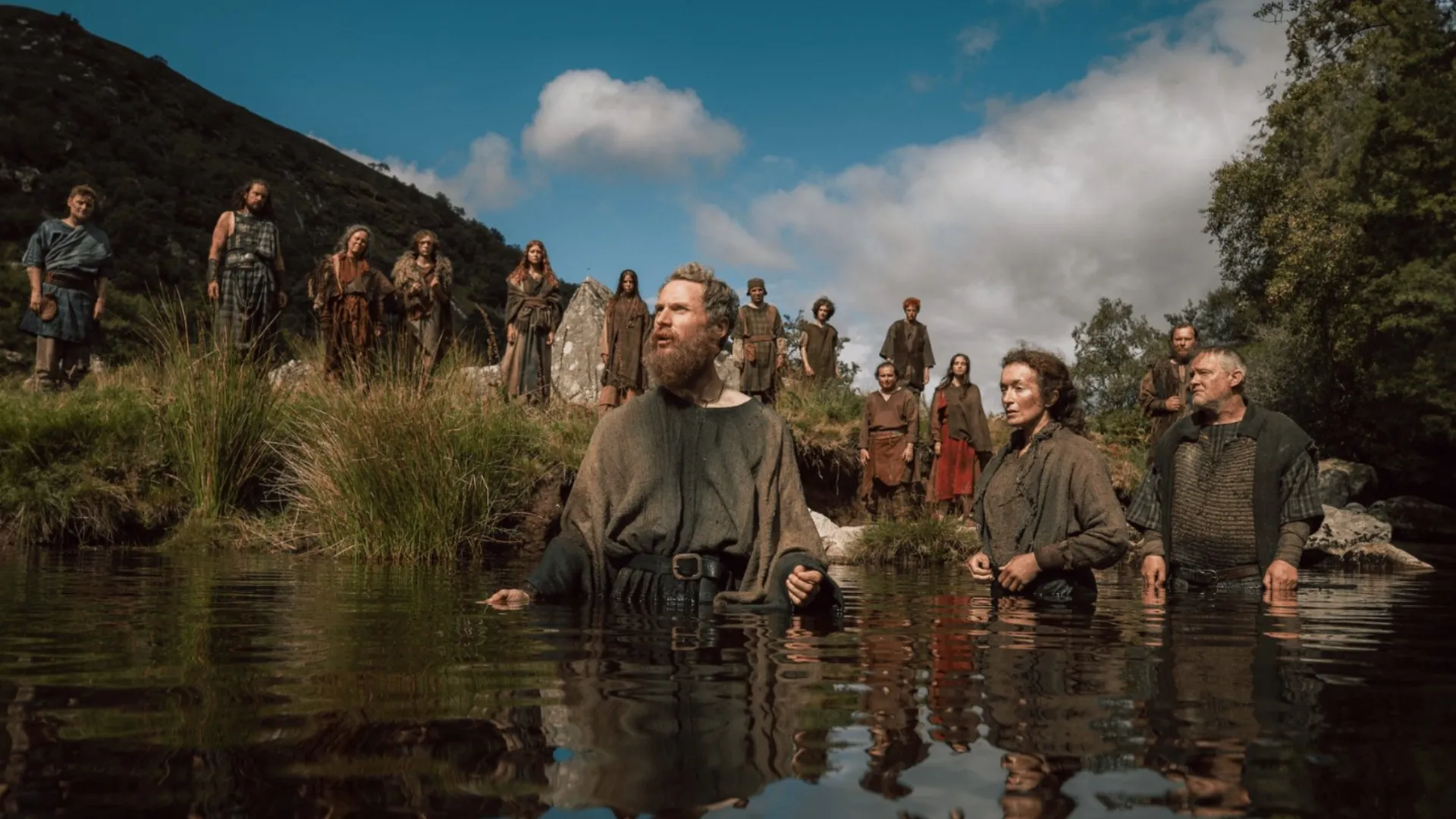

A filmography carved out of confession, violence, and the fragile promise of grace turns its attention to the officially sanctified. Martin Scorsese, whose cinema has long dwelt among sinners and moral chaos, serves as both guide and voice for The Saints. The docudrama moves in a liminal space, trying to expose the existential core of figures that history has canonized.
It studies the agonizing threshold where ordinary, fallible people step into a role described as divine. Each episode binds visceral scripted dramatization to measured scholarly conversation with consultants such as Fr. James Frey, Paul Elie, and Mary Karr.
In its second season, the series stretches the line of sanctity across time, including figures like Patrick and the Virgin Mary along with the very recent presence of Carlo Acutis. The project aims to strip away religious folklore and search for raw, often fractured individuals who wrestle themselves into a sacred identity.
The Burden of the Human
The real pressure of the series falls on its insistence that the saint is not a marble figure but a person under strain. The show treats spiritual ascent as a painful, earthly process that passes through ordinary collapse and failure. Holiness appears here as a struggle inside the self rather than a static quality.
The protagonists emerge as people marked by deep shortcomings, individuals who must regain balance after life periods defined by spiritual vacancy or moral drift. Saint Patrick, for instance, is presented with an early life of secular indifference, followed by a later period shaped by what is described as a “borderline arrogant belief” during his monastic training. The drama insists that redemption does not erase these flaws. It transforms them into the very field where faith is tested.
This angle gives the series a philosophical weight. Sin, a recurring subject in Scorsese’s features, becomes a blind alley, a condition from which any glimmer of hope has to arise. The refusal of spectacular, easy miracles feels deliberate. The filmmakers avoid legendary decoration, including the famous story of Patrick driving snakes from Ireland, and treat it as a symbolic victory over the continent’s paganism. By cutting away such fantastical details, the show brings forward another claim: the path toward grace is messy, irregular, and often agonizingly personal. The treatment of these figures remains firmly humanistic.
From this humanistic stance, the series extends beyond its explicit religious frame. It speaks to viewers who may have abandoned religion entirely. Many of them search for a recurring shape in stories of sacrifice and transformation, independent of their belief or disbelief.
The attention to flawed, struggling individuals mirrors Scorsese’s long-standing artistic engagement with the moral weight of existence. His work asks how faith can endure in a world that seems intent on crushing it, tracing a constant, sometimes tormenting conversation between the sacred and the profane. The series looks for an echo of everyday life in these accounts of heroism and spiritual transcendence.
The Solitude of Patrick’s Conversion
The Saint Patrick episode unfolds as a study in existential solitude that leads to spiritual rebirth. It begins with Patrick’s life in Roman Britain, where a comfortable, secular routine is shattered by a sudden and brutal kidnapping. Transported across the sea, he suffers enslavement in Hibernia, a period that pushes him into severe despair. A faith that once functioned as a cultural accessory disintegrates under the pressure of suffering.
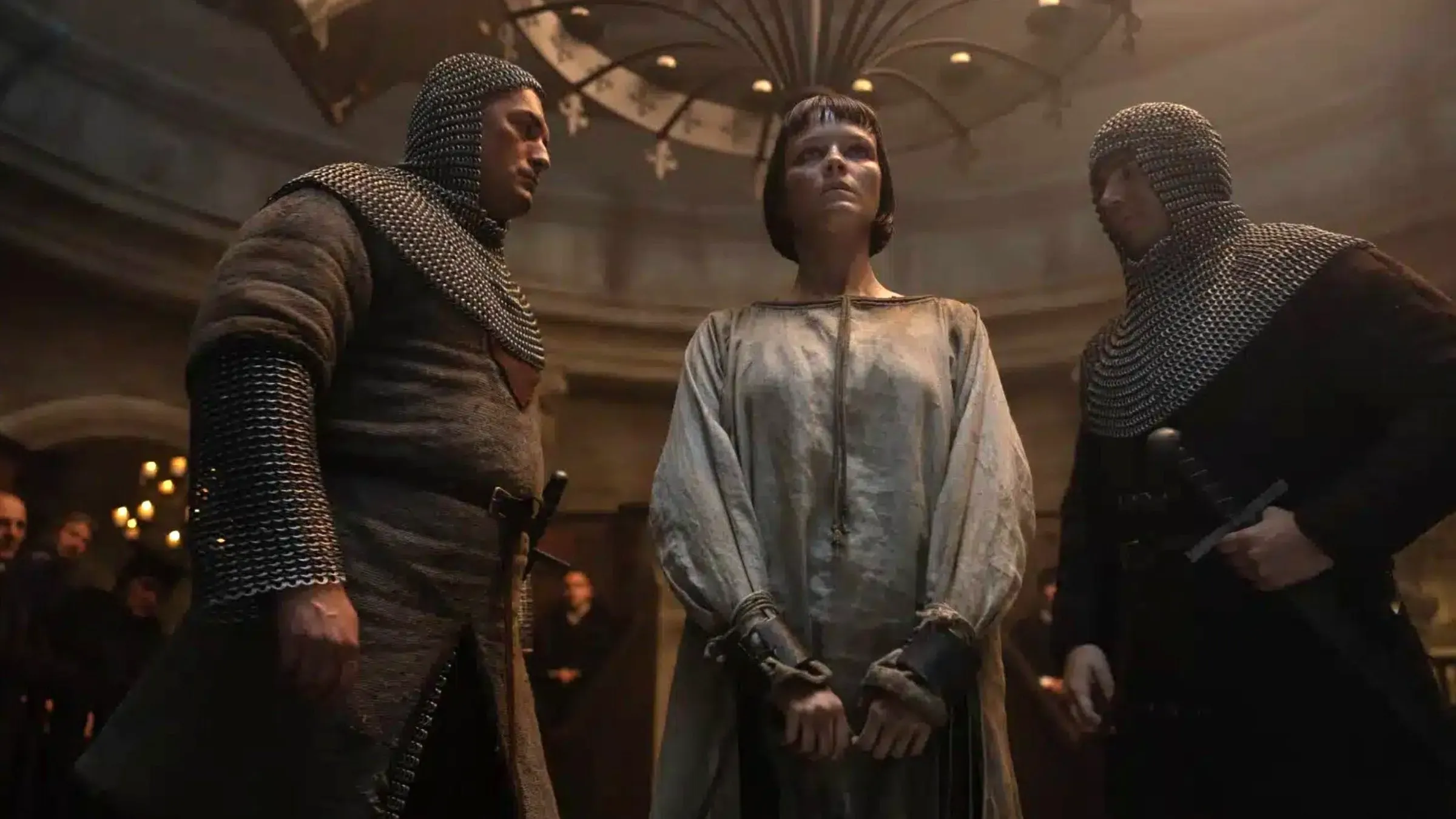
Enslavement appears as an extended, harrowing silence in which spiritual abandonment feels constant. His despondency culminates in the loss of whatever belief he once had. He lives with the meager permission to kill only one sheep per season for food, a resource often stolen from him and a detail that deepens his hardship.
His spiritual reawakening grows from small, fragile gestures instead of thunderous revelation. Patrick shares what little he has, making cheese from sheep’s milk and eventually slaughtering an animal to feed starving pagan forest dwellers near him. This exchange, born from basic compassion, opens a strange sense of awe. The show suggests that God is found in the recognition of shared human struggle.
Patrick’s sense of faith begins to return slowly as months pass in isolation. The episode’s narrative architecture relies on images and action to express spiritual reality rather than on explanatory dialogue. Scorsese’s narration withdraws at key points, pulling the viewer into Patrick’s long solitude and inviting attention to his growing reliance on silent prayer and deep contemplation.
Desmond Eastwood’s performance carries this interior movement with care. He makes visible Patrick’s change from a despairing captive into a man consumed by a sense of divine purpose. After tragedy, Patrick’s bond with God takes on a stronger shape. He returns to Britain with a desire to spread the gospel.
The story’s strongest decision arrives when he chooses to go back to Ireland, the landscape of his enslavement, to preach Christianity. That return suggests that spiritual victory takes shape when a person willingly steps again into the place of their deepest wound and tries to consecrate it. His path, marked by hardship and silent reflection, portrays sainthood as something forged inside the most fragile parts of human experience.
Carlo Acutis: The Digital Ascetic
The episode focused on Carlo Acutis poses an important challenge to the assumption that sanctity belongs to far-off centuries. Acutis, who died in 2006, becomes the show’s bridge to the contemporary world and carries the label “God’s Influencer” for his online evangelism. The distinct tone of this episode owes much to its director, Francesca Scorsese. The piece has a quiet, observing temperament. It stays with a meditative rhythm instead of chasing constant dramatic escalation. The review within the series recognizes this reflective depth.
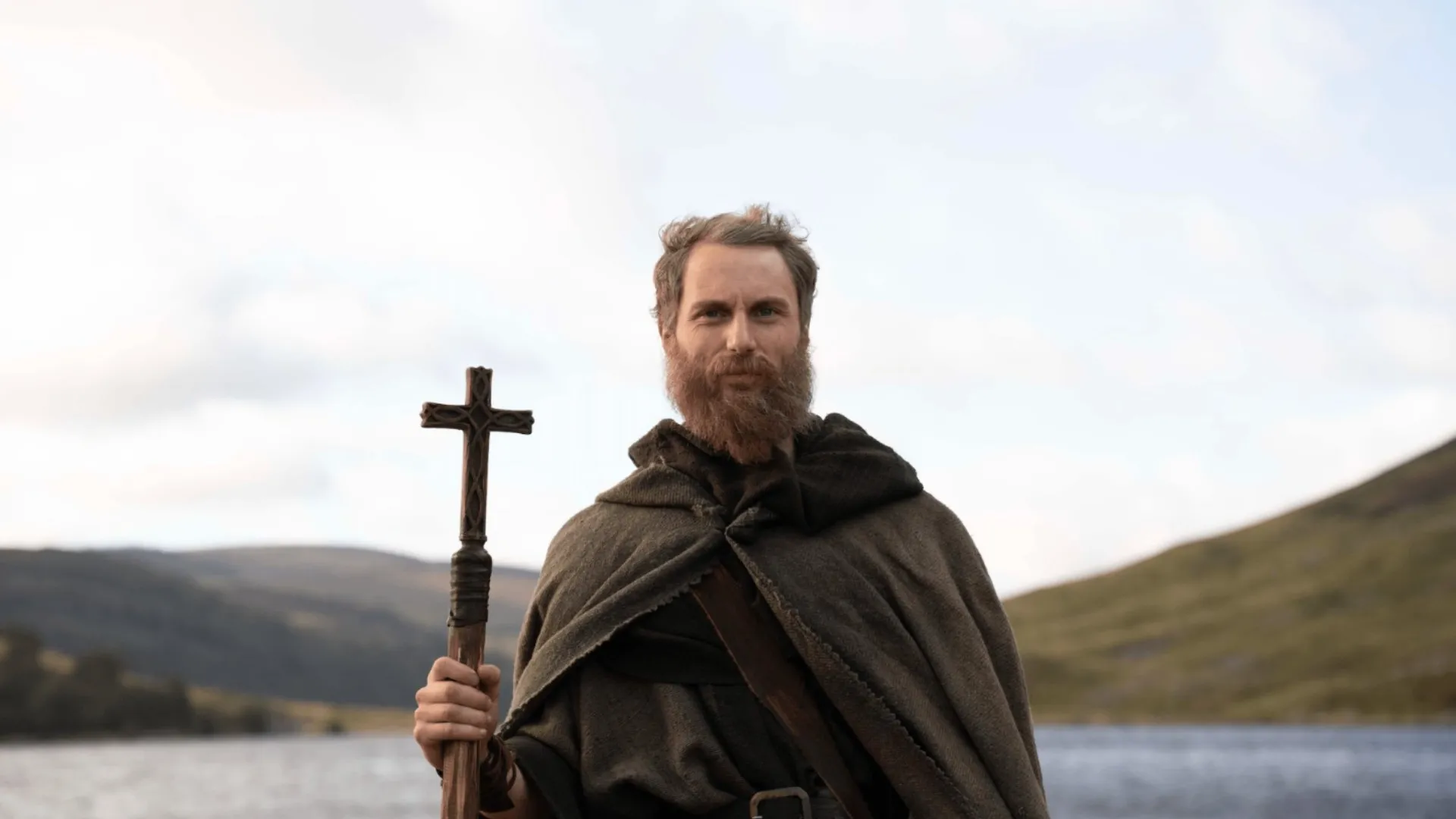
Acutis appears as himself, a teenager comfortable with technology, playing video games while holding to an intense devotion. His passion lies in using digital tools to build websites and catalogue miracles. He creates webpages for religious orders in Milan. The image of a patron saint of the internet opens a modern existential question about temptation inside a world of unlimited access. The show asks how a person can keep clarity and purity of intention while digital distraction surrounds every waking moment. His decision to use technology for good and for inspiration becomes a pointedly hopeful model, especially for younger viewers.
The episode locates his influence in the way he moves among his peers. Acutis talks with friends about difficult topics, including “partying” culture and sexual choices, with a radical absence of judgment. He listens, encourages, and refuses to become a scolding presence. He stands apart through a steady commitment to God while still inhabiting ordinary teenage behavior. The narrative emphasizes his main strength as a form of presence that does not demand transformation on the spot.
His own faith holds steady; the profound shifts occur in the people around him, among friends and family whose views begin to move because of his example. The impact of that faith ripples outward. Acutis’s life becomes a reflective surface, turning back questions to the viewer about how belief can remain honest and intact under the harsh, oversaturated light of digital culture. His story examines personal commitment inside the pressure of a youth culture that feels strongly secular.
Production and Artistic Merit
The Saints adopts a visual language of restraint. It avoids theatrical sweep and the “bombastic” spectacle associated with traditional biblical screen stories. The directors chase a quieter register, searching for “small-m moments of mystery.” This aesthetic keeps the experience close to realism and suggests that the divine emerges in faint shifts of consciousness rather than in displays of power. The muted style allows the spiritual heaviness of the narratives to settle gradually.
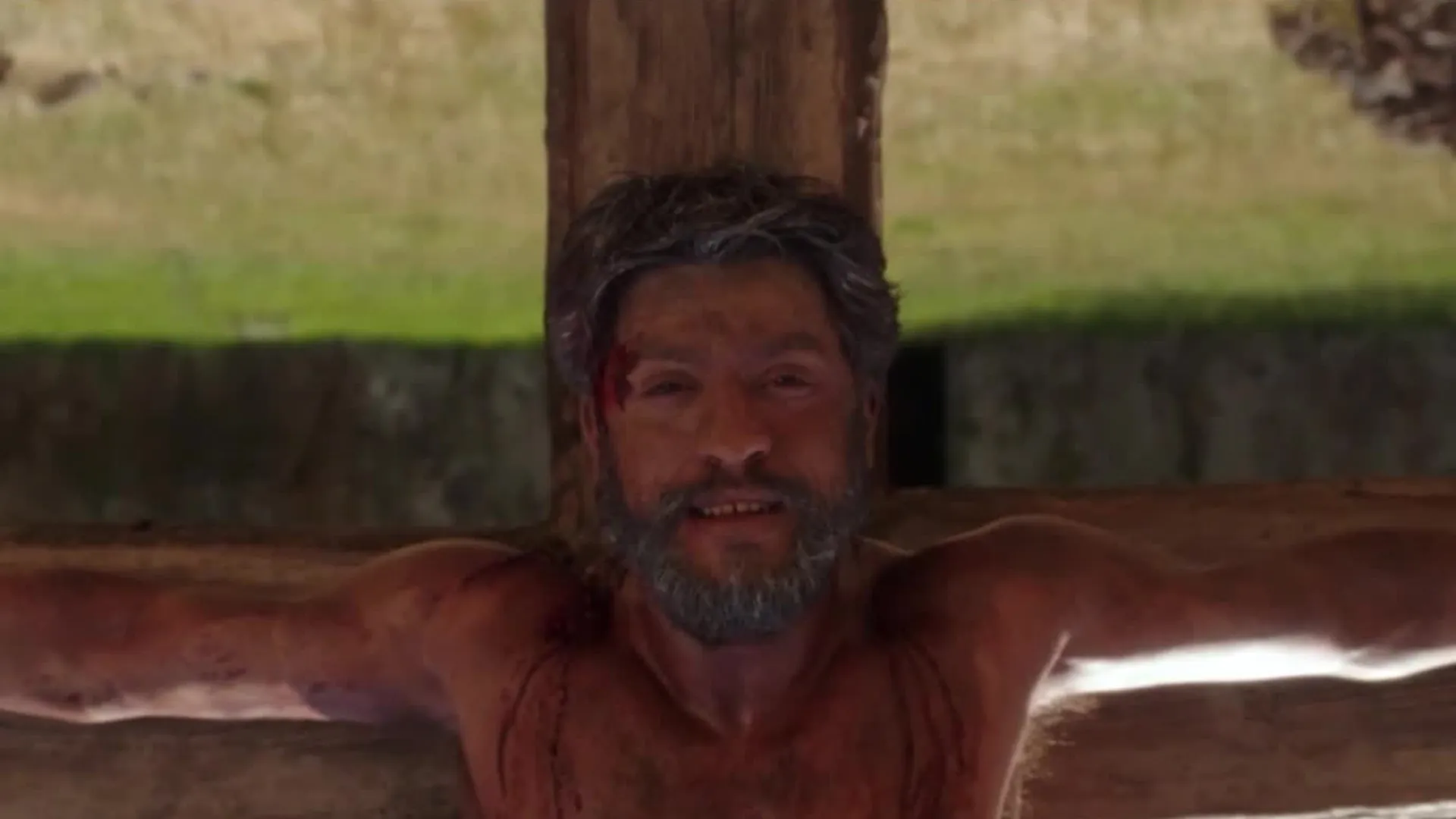
That restraint sharpens the performances. The second season shows a clear improvement in acting, with greater nuance, especially in episodes that rely on minimal dialogue and inward expression. Desmond Eastwood’s work in the Patrick chapter stands as a vivid example of this inward focus. The cast size often stays small, which reduces the temptation for oversized, theatrical acting. Careful attention to performance separates The Saints from many other docudramas.
The production still bears the limits of the form. The tension between serious, carefully crafted drama and moments of weaker execution appears most clearly in a practical effect involving a captured slave’s head bouncing, which briefly fractures the sense of historical reality. Small missteps of this sort reveal how difficult it is to hold high dramatic ambition within visible budget constraints.
The closing segment of each episode, in which Scorsese speaks with his theological and literary consultants, operates as a necessary structural pillar, even if it feels somewhat dry. It affirms the depth of historical study and thematic thought that supports the scripted portions. This conversation confirms that the project treats its material with serious intellectual intent and situates the spiritual journeys inside an academic frame.
Scorsese’s narration appears with precision. His voice outlines the ethical and philosophical field for each story at the beginning, setting out the stakes. It then withdraws, leaving the visual storytelling to carry the spiritual struggle. The choice to let images and performances bear the weight of faith and doubt prevents the project from drifting into simple didactic speech.
The production’s achievement lies in the way it joins historical drama, contemporary character portrait, and analytical discussion into a single, coherent form. It argues that the inner world of belief, with all its strain and imperfection, can serve as material for contemplative cinema. The Saints approaches religious subject matter as a sustained, analytical inquiry into the human soul and offers a humanistic picture of faith that can reach a wide audience.
Martin Scorsese Presents: The Saints is a docudrama series that delves into the lives of various Christian saints, blending dramatic reenactments with historical and theological commentary. The series is hosted, narrated, and executive produced by Academy Award-winning filmmaker Martin Scorsese. The second season premiered on the Fox Nation streaming service on November 16, 2025, with episodes focusing on figures such as Saint Patrick, Saint Peter, and the contemporary “millennial saint” Carlo Acutis. New episodes for Season 2 are being released in batches, continuing through the spring of 2026. You can watch the series exclusively on the Fox Nation streaming platform.
Full Credits
Title: Martin Scorsese Presents: The Saints Season 2
Distributor: Fox Nation
Release date: November 16, 2025 (Season 2 Premiere)
Rating: TV-MA
Running time: Approximately 43–60 minutes per episode
Director: Matti Leshem, Francesca Scorsese, Elizabeth Chomko
Writers: Kent Jones, Matti Leshem, Martin Scorsese (Uncredited, based on the nature of docudramas)
Producers and Executive Producers: Martin Scorsese, Matti Leshem, Julie Yorn, Rick Yorn, Christopher Donnelly, Yoshi Stone, Craig Piligian, Matt Loze, David Ellender
Cast: Martin Scorsese, Desmond Eastwood, Jacopo Iebba, Patrick Bergin, Matilda Gavin, Fr. James Frey, Paul Elie, Mary Karr
The Review
Martin Scorsese Presents: The Saints Season 2
The series succeeds by treating sainthood as a deeply human, often painful, process of moral transformation. It offers a sophisticated, humanistic meditation on faith, avoiding religious spectacle to focus instead on the quiet, agonizing labor of spiritual growth. The structure, which pairs restrained drama with intellectual commentary, provides a unique and necessary examination of how ordinary people assume extraordinary purpose amidst life's chaos. It is a thoughtful exploration of sin and redemption, compelling even for those skeptical of its subject matter.
PROS
- Treats themes of sin, redemption, and faith with complexity and intellectual rigor.
- Effectively strips away myth to present the saints as flawed, relatable individuals.
- Avoids "bombastic" biblical drama, favoring nuanced, quiet, and meditative storytelling.
- Features nuanced acting, particularly in the minimal-dialogue historical episodes.
- The inclusion of Carlo Acutis provides a vital look at modern faith and temptation.
CONS
- Occasional technical shortcomings (e.g., poor practical effects) can briefly break immersion.
- The concluding discussion, while informative, can feel overly academic and slow the pace.







