
























![Kingdom Hearts Collection [I-III] Review](https://gazettely.com/wp-content/uploads/2026/10/Kingdom-Hearts-Collection-I-III-1-360x180.webp "Kingdom Hearts Collection [I-III] Review: KHII Holds Steady as Newer Entries Fluctuate 37")



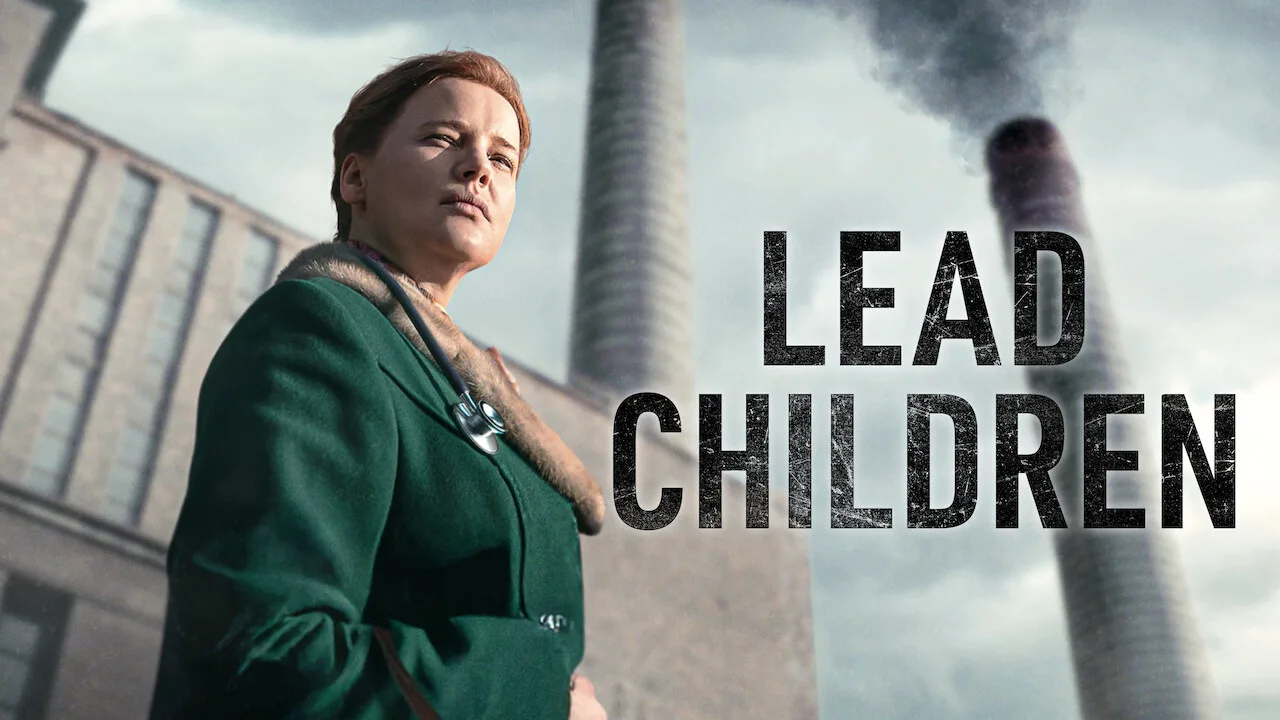

In 1974 the Silesian district of Szopienice exists beneath a persistent canopy of industrial residue. The smelting plant dominates the town as an unavoidable monument to the local economy. It pours black smoke into an atmosphere tinged with sulfur and coal. Dr. Jolanta Wadowska-Król, a committed pediatrician, lives amid streets layered in mud and soot. The town prepares for a high-profile visit by Soviet leader Leonid Brezhnev.
Political leaders insist on a polished image of socialist prosperity for the occasion. The everyday condition of the citizens, however, contradicts the official portrayal. The narrative begins at a neighborhood festival when a young boy suddenly collapses. That collapse exposes a crack in the carefully maintained facade. Jola recognizes early signs of a hidden crisis beneath routine life.
The series, drawn from real events, renders a world dominated by grey tones and industrial grime. It sets up a conflict between medical truth and a state-enforced silence. Jola becomes a central observer of the slow physical decline affecting the town’s children. The historical moment creates a claustrophobic stage for the medical inquiry that follows.
The Pathology of Neglect
The medical emergency appears in stunted growth and pallid complexions among youth who live beside the metalworks. Jola detects a repeating pattern of severe anemia that resists usual treatment. The neighborhood of Targowisko stands as the epicenter of the crisis. Children play in polluted pools and inhale air thick with invisible toxins. A stillborn birth marks a visceral turning point for Jola and exposes the lethal reach of the contamination.
Local infrastructure proves insufficient to absorb the influx of sick patients. Pediatric wards are overcrowded and officials relocate children into adult wards to conceal them from public view. Jola leverages her husband Zbyszek’s medical credentials to reach those secured areas, moving through corridors wearing his lab coat. Nurse Wiesia helps gather data under risky conditions.
Their testing reveals hemoglobin readings that point to catastrophic blood failure. Their work identifies chronic lead poisoning as the true culprit. The smelting plant has saturated ground and water with heavy metals over years. The human toll is severe. Families struggle to explain why their children stop growing or lose strength. Jola shoulders the emotional weight of these findings while confronting a medical establishment inclined to avert its gaze.
The series captures the quiet terror of a community harmed by the source of its livelihood. The investigation exposes how fragile a population becomes when industry dictates its terms. Jola remains resolved to show that the plant’s cost is paid in the health of its smallest residents.
The Architecture of Silence
The Communist administration concentrates on preserving appearances. Zdzisław Grudzień and other officials prioritize the visit from Leonid Brezhnev above the welfare of constituents. They treat Jola’s findings as ideological sabotage. The state deploys its security apparatus to suppress the truth. Authorities use intimidation to silence the pediatrician. Jola endures a night in jail after being accused of a false hit and run.
Hubert Niedziela, a security officer, manages surveillance of her private life and clinical work. The government isolates children in remote wards to limit information flow. Zbyszek faces intense pressure at his hospital as his wife’s reputation becomes a liability. Colleagues frequently choose silence to protect their careers, creating a barrier between victims and care.
The series probes the difficulty of asserting medical truth in a system built on total administrative control. The bureaucracy functions as a wall to block accountability. Jola confronts a system that regards human suffering as an inconvenient detail. The show depicts the cost of moral courage under enforced conformity.
Aesthetics of the Industrial Void
Joanna Kulig gives a performance of considerable depth as Dr. Jolanta Wadowska-Król. She conveys quiet persistence that feels authentic to the period. Kulig avoids grand theatrical gestures and registers the physical and mental exhaustion of a professional under threat. Her strength lies in a steady refusal to stop asking questions. Visual direction favors a desaturated palette that underscores industrial reality, with greys and browns filling the frame.
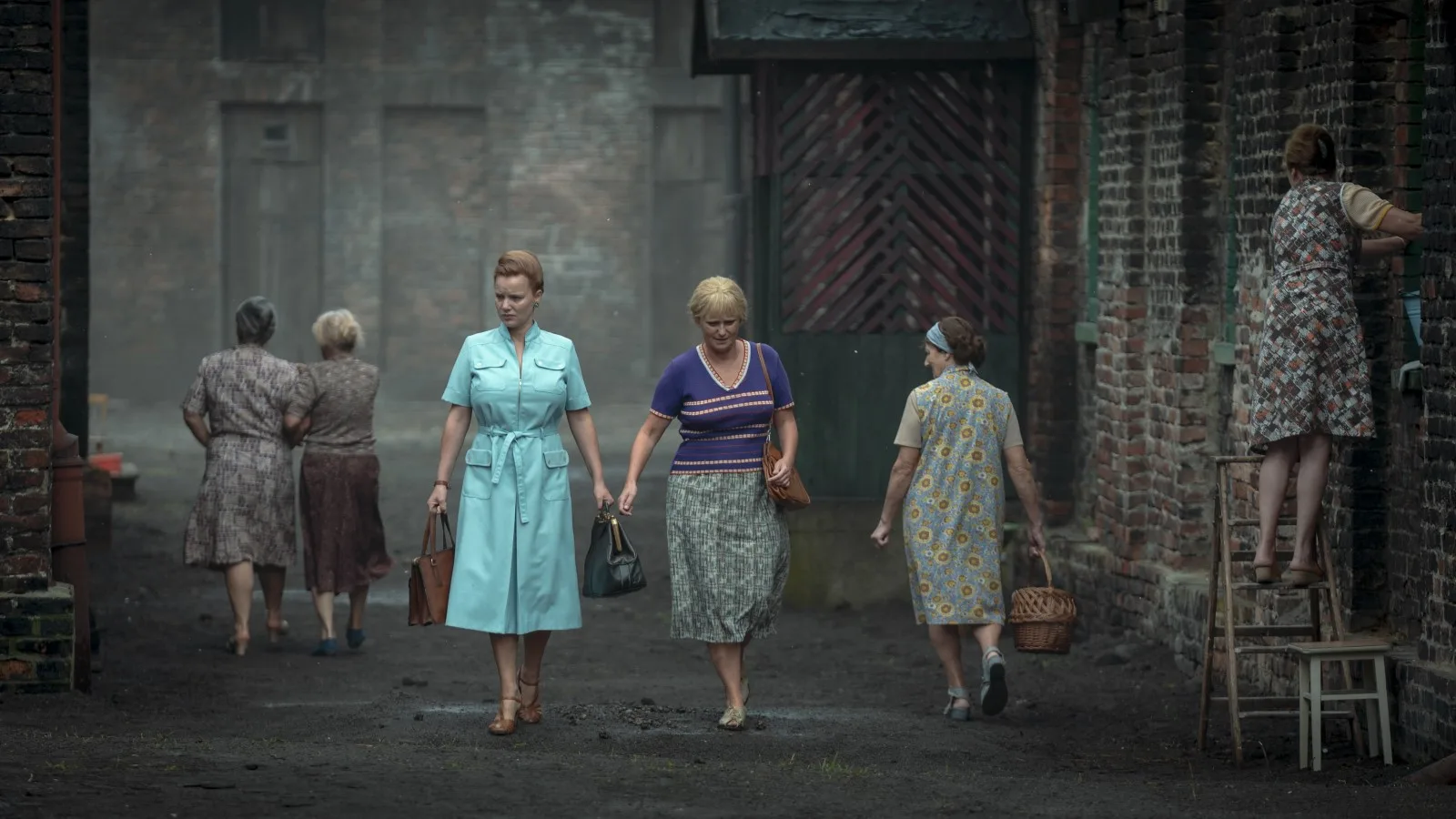
The cinematography treats the smelting plant as an active antagonist, its chimneys present in nearly every outdoor shot. Pacing moves deliberately and captures the slow motion of a government that will not act. That tempo matches the real-time struggle of a whistleblower confronting a massive institution. Supporting turns from Sebastian Pawlak and Michał Żurawski ground Jola’s struggle.
Pawlak plays a husband split between devotion and self-preservation. Żurawski portrays an officer whose cold bearing embodies state indifference. Sound design layers the industrial hum of the city to sustain unease. Period music appears sparingly to locate the story in the 1970s. The series concentrates on grit and grim medical detail while avoiding excess melodrama. The result is a production that prizes historical fidelity and atmospheric weight.
Lead Children is a gripping six-part historical drama that premiered globally on Netflix on February 11, 2026. Based on a devastating true story from 1970s Poland, the series follows Dr. Jolanta Wadowska-Król as she uncovers a massive lead-poisoning epidemic among children living near the Szopienice smelting plant. The show serves as a haunting exploration of industrial negligence and the moral courage required to confront a state apparatus determined to prioritize political image over public health. Viewers can stream the complete limited series exclusively on Netflix.
Where to Watch Lead Children


Full Credits
Title: Lead Children (Ołowiane dzieci)
Distributor: Netflix
Release date: February 11, 2026
Rating: TV-MA
Running time: 50–64 minutes per episode
Director: Maciej Pieprzyca
Writers: Jakub Korolczuk, Michał Jędryka
Producers and Executive Producers: Wiesław Łysakowski, Robert Feluch
Cast: Joanna Kulig, Michał Żurawski, Agata Kulesza, Kinga Preis, Sebastian Pawlak, Zbigniew Zamachowski, Marian Dziędziel
Director of Photography (Cinematographer): Witold Płóciennik
Editors: Piotr Kmiecik
Composer: Antoni Łazarkiewicz, Mary Komasa
The Review
Lead Children
Lead Children provides a stark look at industrial negligence within a restrictive political system. The production values and Joanna Kulig’s performance provide a visceral experience. It captures the heavy cost of truth in an era of state silence. This series demands attention for its historical honesty and grounded storytelling. It stays focused on the human element of a public health catastrophe. The slow pace serves the gravity of the events well. It remains a powerful piece of historical drama.
PROS
- Authentic recreations of 1970s Polish industrial settings.
- A powerful and understated central performance by Joanna Kulig.
- Honest portrayal of the friction between medical ethics and political survival.
- Effective use of desaturated cinematography to establish mood.
CONS
- The deliberate tempo may feel sluggish to some viewers.
- The relentlessly bleak tone offers very little emotional relief.







