
















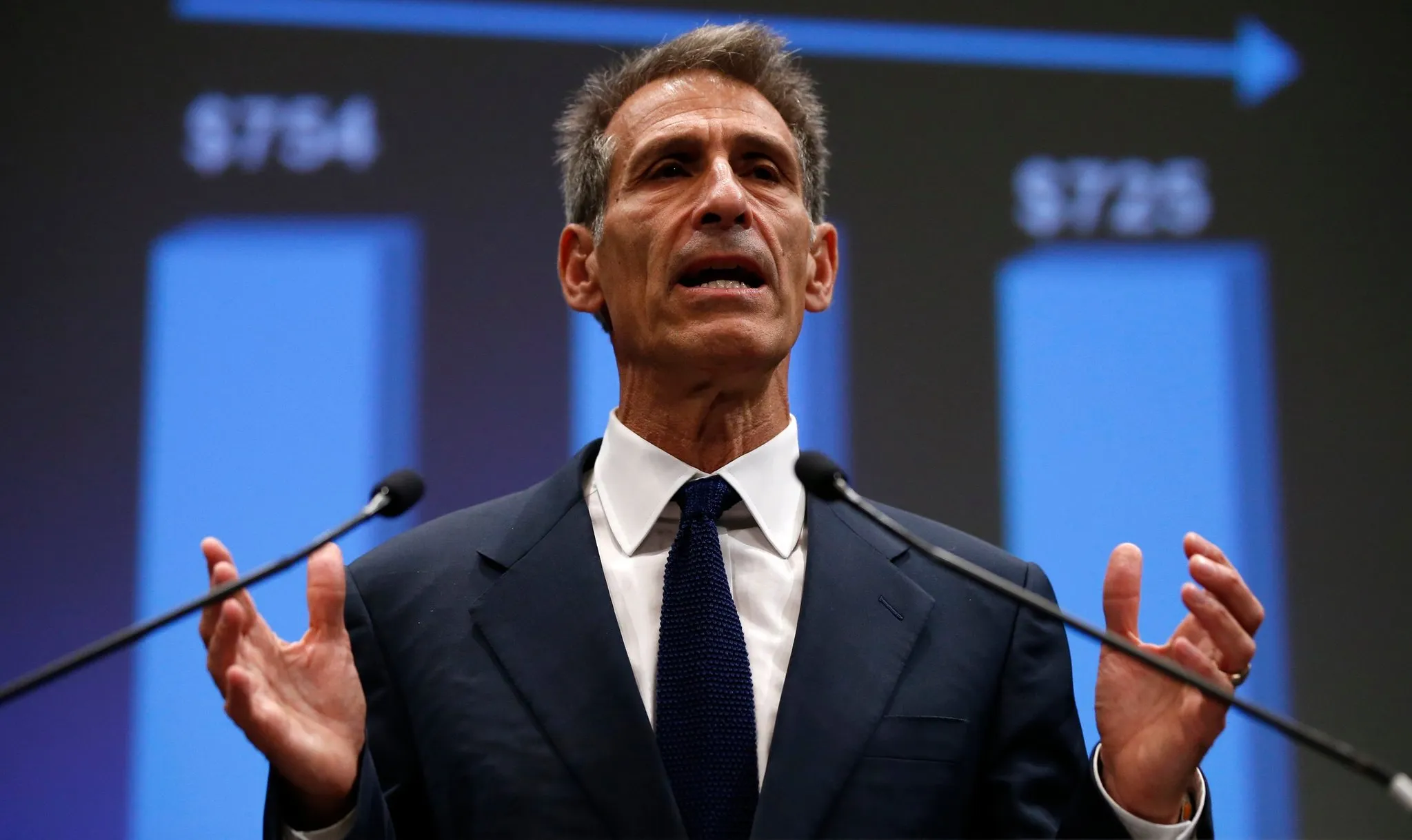

Former Sony Pictures Entertainment chief executive Michael Lynton has called greenlighting “The Interview” the biggest mistake of his career, describing a blunt reaction from then-President Barack Obama after the studio’s 2014 cyberattack and the resulting turmoil around the film’s release.
Lynton recounts that Obama challenged the decision to build a comedy plot around assassinating the leader of a hostile state, asking him, “What were you thinking…? Of course, that was a mistake,” according to an excerpted account from Lynton’s forthcoming memoir, “From Mistakes to Meaning: Owning Your Past So It Doesn’t Own You.”
The remarks reopen a fraught episode that mixed studio risk-taking, national-security questions and a public argument about artistic freedom. In late 2014, Sony disclosed a destructive breach that wiped systems and released a flood of internal data, including employee information and private emails. A group calling itself “Guardians of Peace” took credit and issued threats tied to theaters that might screen the movie.
Sony initially canceled the planned wide release after major theater chains backed away, then moved to a limited theatrical rollout and online rentals and purchases. Days after the cancellation, Obama said the studio “made a mistake” and warned against creating a precedent where “dictators” could shape what Americans watch.
Federal investigators publicly attributed the attack to North Korea at the time, and the Justice Department later charged a North Korean programmer in a case that described the studio breach as part of a broader state-backed campaign. Still, some cybersecurity voices urged caution about rushing to neat narratives while key technical details remained unclear, arguing that early public discussions often outpaced the available evidence.
Lynton’s account frames the decision as a moment of executive impulse, with heavy collateral damage for employees and the company’s relationships. His recollection also spotlights a tension Hollywood keeps revisiting: the line between provocation and avoidable exposure, especially when entertainment choices collide with geopolitical realities.