






















![Kingdom Hearts Collection [I-III] Review](https://gazettely.com/wp-content/uploads/2026/10/Kingdom-Hearts-Collection-I-III-1-360x180.webp "Kingdom Hearts Collection [I-III] Review: KHII Holds Steady as Newer Entries Fluctuate 39")

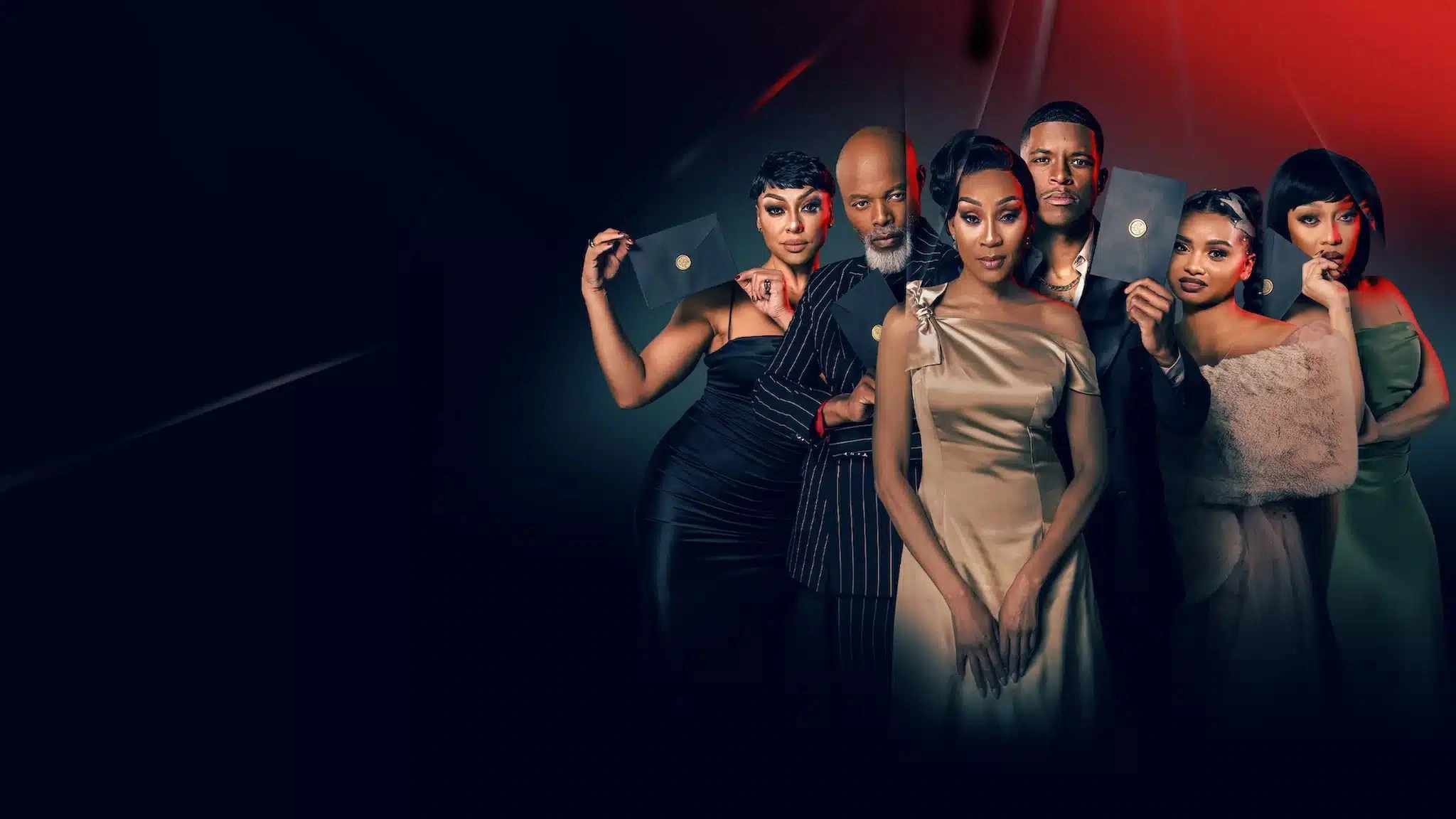

Fatal Seduction Season 3 begins with a three-year leap forward. Nandi Mahlati is trying to build a life away from the damage left by her earlier decisions. She works as a law professor and sees a therapist to process the trauma tied to Jacob Tau and her ex-husband, Leonard. Nandi says these men no longer matter in her present life. A chance sighting of Jacob quickly exposes how fragile that claim is.
The season opens with a death at a swimming pool, an event that drags the characters back into suspicion, secrecy, and physical longing. Leonard hides a relationship with a police captain. Their daughter, Zinhle, now works as a forensic analyst. Vuyo faces danger in prison. The season studies obsession, betrayal, and the way old damage keeps finding fresh air. The story pairs a murder investigation with the poisonous relationships that have always defined the series.
Character Evolution and Performance Dynamics
Kgomotso Christopher carries Nandi Mahlati with a performance that gives shape and credibility to a deeply compromised woman. She plays Nandi as someone trying to preserve a professional surface while her inner life comes apart. In therapy with Sandra, that surface starts to fracture.
Nandi insists the men from her past are gone from her life. She still wears the pendant Jacob gave her. That small detail says plenty. She denies her history while her behavior keeps returning to it. Christopher makes Nandi’s status, intelligence, and ethical failures feel part of the same wounded character.
Prince Grootboom returns as Jacob with a changed presence. He was once a younger student. Now he feels sharper, more dangerous, and harder to read. He is calculated, volatile, and still has a powerful hold over Nandi. He functions as lover and threat in the same breath. Their scenes carry tension because the history between them has never settled. He moves through fixation and deceit with alarming ease.
Zinhle receives one of the season’s clearest changes. She has moved far beyond the scared teen she used to be. As a forensic analyst, she handles a suspect at a crime scene with real confidence. Her mentor is Detective Captain Thuso Dube, and that connection carries several hidden pressures. Thuso is sleeping with Leonard. Leonard wants Thuso to keep an eye on Zinhle. The arrangement creates another chain of lies for Zinhle to confront. She now acts with agency inside the tragedies that shaped her.
Leonard grows increasingly desperate and corrupt. He responds to each new collapse with frustration, panic, and poor judgment. Thapelo Mokoena gives that frustration texture, keeping Leonard watchable even as the character sinks further. Vuyo’s prison material gives him a separate survival arc. He speaks to inmates about religion, fears Diamond Mabaso, and attacks a warden so he can land in solitary confinement. He is working from his own survival plan.
New characters arrive to disturb the balance and force the main group into uneasy alliances. Threats come from outside the circle and from within it. The acting remains one of the series’ strongest assets. Nearly everyone carries a secret plan, a hidden motive, or a talent for turning another person’s life into rubble.
Narrative Structure and Thriller Mechanics
The season builds around Kim’s death. The pool murder starts the plot engine and gives the show its main question. Several people could be responsible, and the investigation moves quickly from one suspicion to the next. The series prizes momentum over logic. It rarely stays with a single clue or emotional beat for long. Twists arrive, flare up, and give way to the next complication.
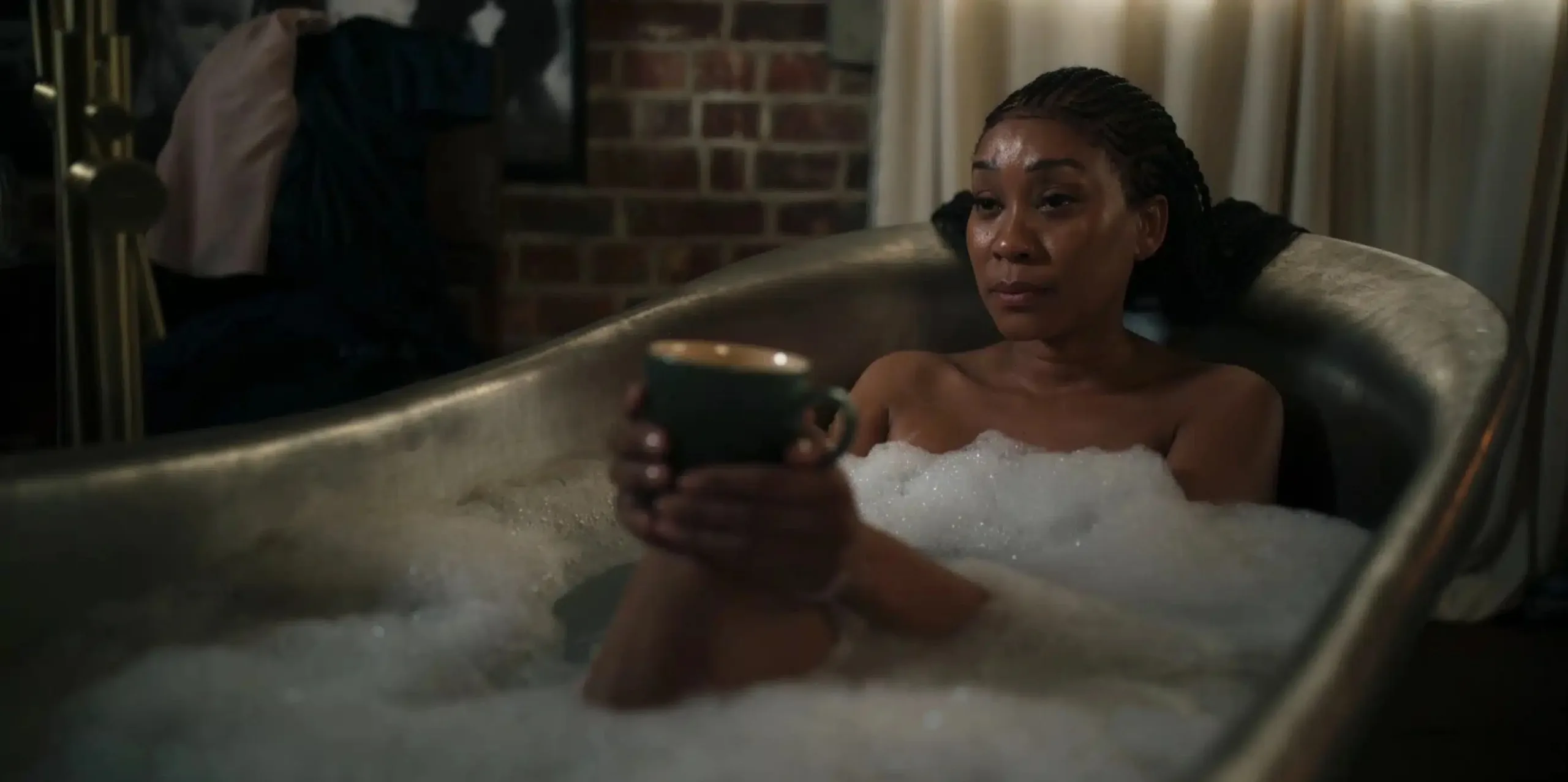
That rhythm keeps the show easy to watch. It also gives the season the texture of a soap opera. Characters make decisions that would leave any therapist reaching for a second notebook. Desire keeps overpowering judgment. The show presents adulthood as a place where physical impulse routinely wins the argument.
The season works best as a guilty pleasure. Its strange explanations and reckless plot turns become part of the contract. Viewers already familiar with these characters and their habits will know the appeal. The investigative thread suits the genre because it stays close to jealousy, betrayal, and crimes of passion. These people are flawed, and they keep returning to one another with full knowledge of the damage. The writing keeps its logic simple and its dramatic energy high.
Vuyo’s prison story adds a rougher edge. It also connects to the murder through a larger scheme. The script can become too blunt about motive, with characters stating their intentions as if they are presenting quarterly goals for villainy. Some confrontations run longer than needed because people keep explaining what the scene has already made clear. A few side plots seem designed mainly to add chaos, which can pull attention from Nandi’s attempt to regain stability.
The show remains faithful to its own identity. These characters lie, scheme, and self-sabotage with real commitment. If catastrophic decision-making had a league table, this group would retire undefeated. Beneath the wild turns sits a story about guilt, fixation, and consequences that refuse to stay buried. The final chapters resolve old conflicts while leaving enough loose threads to suggest the damage may continue.
Visual Identity and Production Standards
The South African setting gives the season a polished surface. Beautiful houses, modern designs, coastal views, and scenic locations create a sense of wealth and control. That beauty works against the rotten behavior taking place inside these spaces. The series uses its settings to frame status, secrecy, and moral decay.
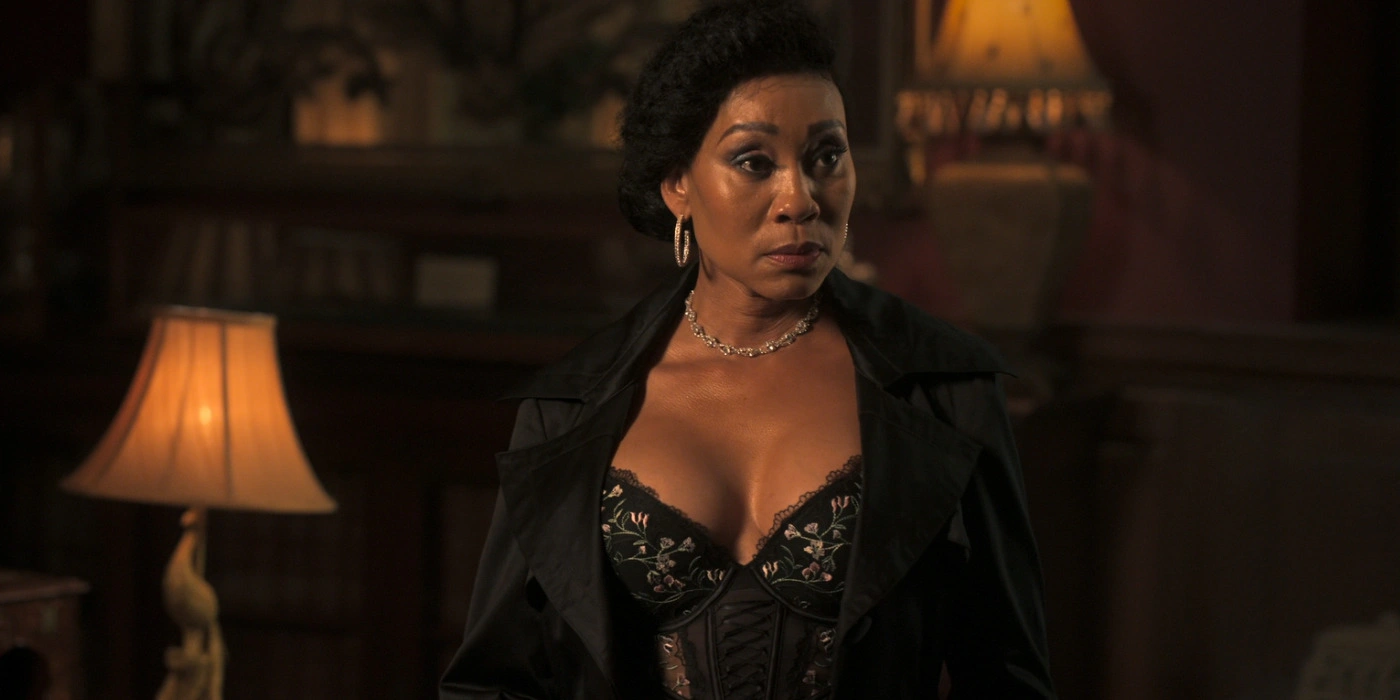
The camera often stays close to the actors. Tight shots capture the pressure between characters as they smile, lie, and measure one another. This closeness gives the thriller elements a useful unease. Personal clashes feel immediate because the visual style keeps attention on faces, glances, and small shifts in expression.
Intimacy remains a major part of the show’s visual identity. The season is steamy, and those scenes serve the character dynamics. They appear as fantasies or memories, revealing why Nandi cannot fully detach from Jacob. Some moments are meant to feel uncomfortable, capturing the heat and danger of impulse. The visuals stay loyal to the series’ established style.
Lighting separates the characters’ different worlds. The university appears bright and professional. The prison is darker and rougher. These contrasts reflect the mental spaces the characters occupy. Nandi’s wardrobe carries similar meaning. Her sharp suits at work suggest control. Her disheveled appearance during moments of obsession signals the collapse beneath that control.
The season looks like a finely staged disaster. The wreckage is ugly, yet the presentation makes it hard to look away. The show has no interest in pretending to be high art. It commits to melodrama, heat, betrayal, and thriller excess with confidence. Fatal Seduction Season 3 knows exactly what kind of story it is telling, and it tells it with a very straight face, which may be its funniest move.
Fatal Seduction Season 3 premiered on March 13, 2026. This South African production is available for streaming on Netflix. The story picks up after a significant time jump and follows the lives of Nandi and Leonard as they face the consequences of their past choices. Fans of the thriller genre can find all eleven episodes on the platform right now.
Where to Watch Fatal Seduction Season 3 Online


Full Credits
Title: Fatal Seduction Season 3
Distributor: Netflix
Release date: March 13, 2026
Rating: TV-MA
Running time: 30–40 minutes per episode
Director: Nthabiseng Mokoena, Zuko Nodada
Writers: Steven Pillemer, Sydney Dire
Producers and Executive Producers: Steven Pillemer, Robbie Thorpe, Stan Joseph
Cast: Kgomotso Christopher, Prince Grootboom, Thapelo Mokoena, Nathaniel Ramabulana, Ngelekanyo Ramulondi, Thando Thabethe, Lunathi Mampofu, Frances Sholto-Douglas
Director of Photography (Cinematographer): Trevor A. Brown
Editors: Richard Starkey
Composer: Joel Assaizky
The Review
Fatal Seduction Season 3
Fatal Seduction Season 3 is a polished, chaotic look at human weakness. It values rapid twists and physical attraction above narrative logic. The commitment of its lead actors keeps the project from falling apart. The plot often shifts into absurdity. High production quality and fast pacing keep the show accessible for fans of high stakes drama. It is a messy, beautiful wreck that stays true to its own toxic impulses.
PROS
- Kgomotso Christopher gives a strong lead performance.
- The South African locations look expensive.
- The story moves fast.
- Zinhle grows into a capable forensic analyst.
CONS
- The plot has logic gaps.
- The series relies too much on sex scenes.
- Some side stories feel like a distraction.
- The themes of obsession feel repetitive.