

























![Kingdom Hearts Collection [I-III] Review](https://gazettely.com/wp-content/uploads/2026/10/Kingdom-Hearts-Collection-I-III-1-360x180.webp "Kingdom Hearts Collection [I-III] Review: KHII Holds Steady as Newer Entries Fluctuate 37")



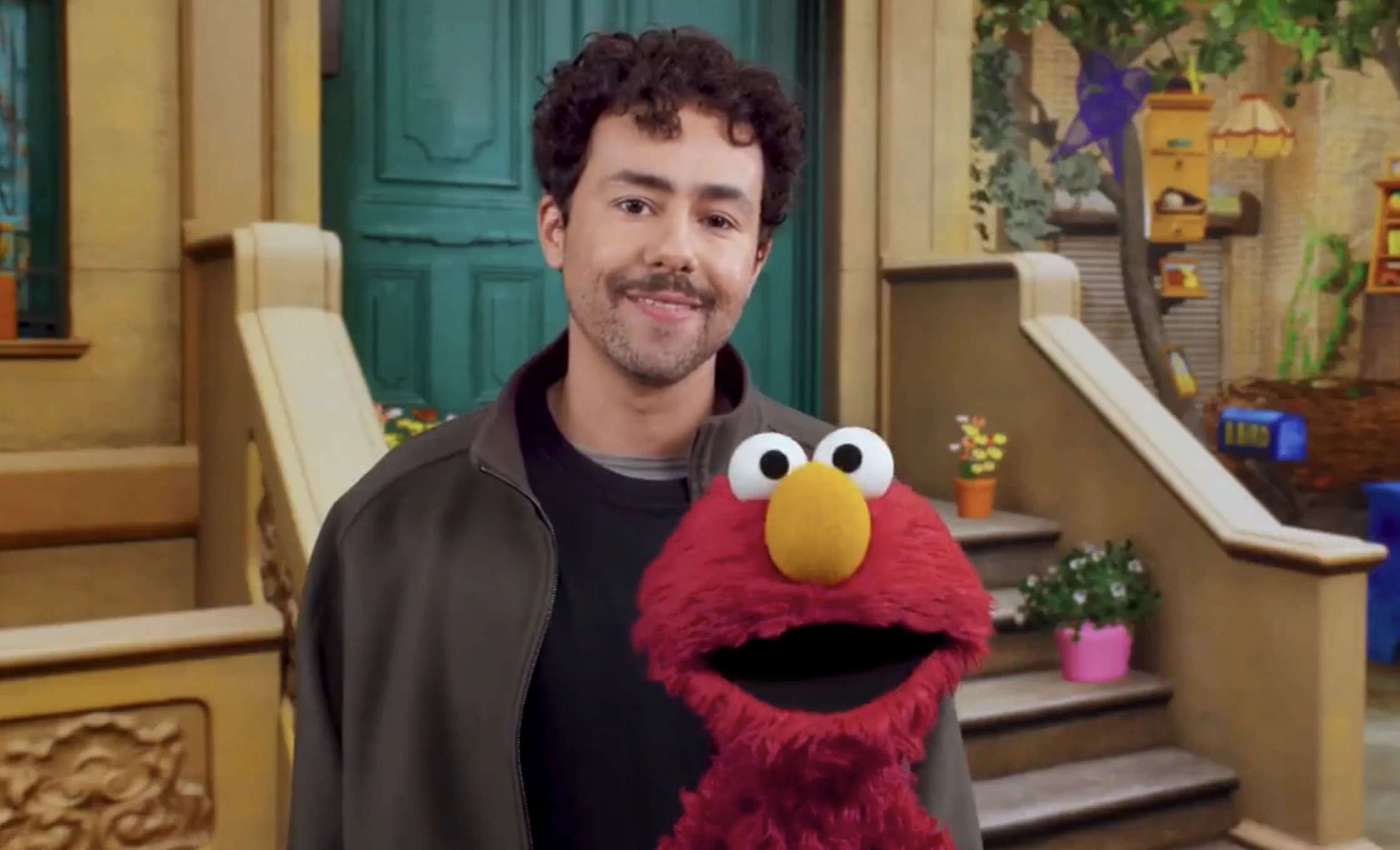

Golden Globe-winning comedian Ramy Youssef taught Elmo two Arabic words on Sesame Street this month — “habibi,” meaning “my love,” and “salamu alaykum,” a traditional greeting meaning “peace be upon you” — and triggered a conservative firestorm that Youssef himself admits he never saw coming.
The appearance, posted by the show’s official account on April 16 to mark Arab American Heritage Month, quickly went viral. The 41-second clip garnered millions of views and sparked widespread positive reaction online, with one Facebook user writing, “This red buddy is the opposite to the orange one in every possible way for the best.”
Not everyone was charmed. Fox News contributor Raymond Arroyo took aim at the segment on The Ingraham Angle, declaring that Sesame Street should restrict itself to teaching letters and numbers and warning, “Next, Bert and Ernie will be praying five times a day on Sesame Street, facing east.”
Youssef addressed the uproar on The View, wielding the absurdity of the moment as comedy. The backlash lands at a particularly fraught time: a new wave of Islamophobia has swept the U.S. following recent American attacks on Iran. Youssef pointed out the contradiction at the heart of the conservative outrage. Trump himself signed off on an April 5 social media post about the Iran war with “Praise be to Allah” — a fact Youssef noted clashes directly with the conservative case against Arabic words on a children’s show. “Imagine your president on Easter is tweeting ‘Praise be to Allah,’ and now Elmo saying ‘habibi’ feels threatening,” he said.
Youssef said he was “surprised” by the scale of the reaction, since Sesame Street has featured many languages over the decades without drawing any backlash. He added that he has spent years publicly addressing far more divisive issues — including the conflict in Gaza — without generating anything close to this response. “Elmo saying habibi has set them off in a way that has never happened to me before,” he said.
During the episode itself, Youssef told Elmo, “Salam means peace and it’s a way to say hello in Arabic,” and told young viewers, “I’m so proud of my Arab American heritage and I’m so happy to share this month with my fellow Arabs and Elmo.”
The moment carried deep personal weight for the New Jersey-raised comedian. He described filming the segment as “surreal,” saying, “You grow up watching Elmo, and so for Elmo to say ‘salamu alaykum,’ for Elmo to say ‘habibi,’ I was very emotional.” His simple defense of the whole controversy cuts through the noise: “This is really not that difficult,” he said. “It just means peace.”







