































Monster Hunter Stories 3: Twisted Reflection sends players to Azuria, a kingdom thrown into crisis by the Crystal Encroachment. As the royal heir and Captain of the Rangers, you face a world edging toward war, with monsters turning feral after a strange crystallization begins spreading.
This entry leaves behind the lighter tone of earlier games, giving players a voiced protagonist and a firmer, adult view of the bond between humans and monsters. You lead a specialized environmentalist unit assigned to protect the ecosystem and trace the source of the disaster.
The mainline series builds itself around traditional hunts; this game frames monsters as partners you ride into combat and agents of natural balance you must help restore. With wide regions to explore and a political conflict pushing the story forward, the game places your choices inside a crisis that threatens two nations. Success depends on understanding monster breeding, party construction, and strategic combat before Azuria falls into ruin.
Sovereignty and the Shifting Winds of War
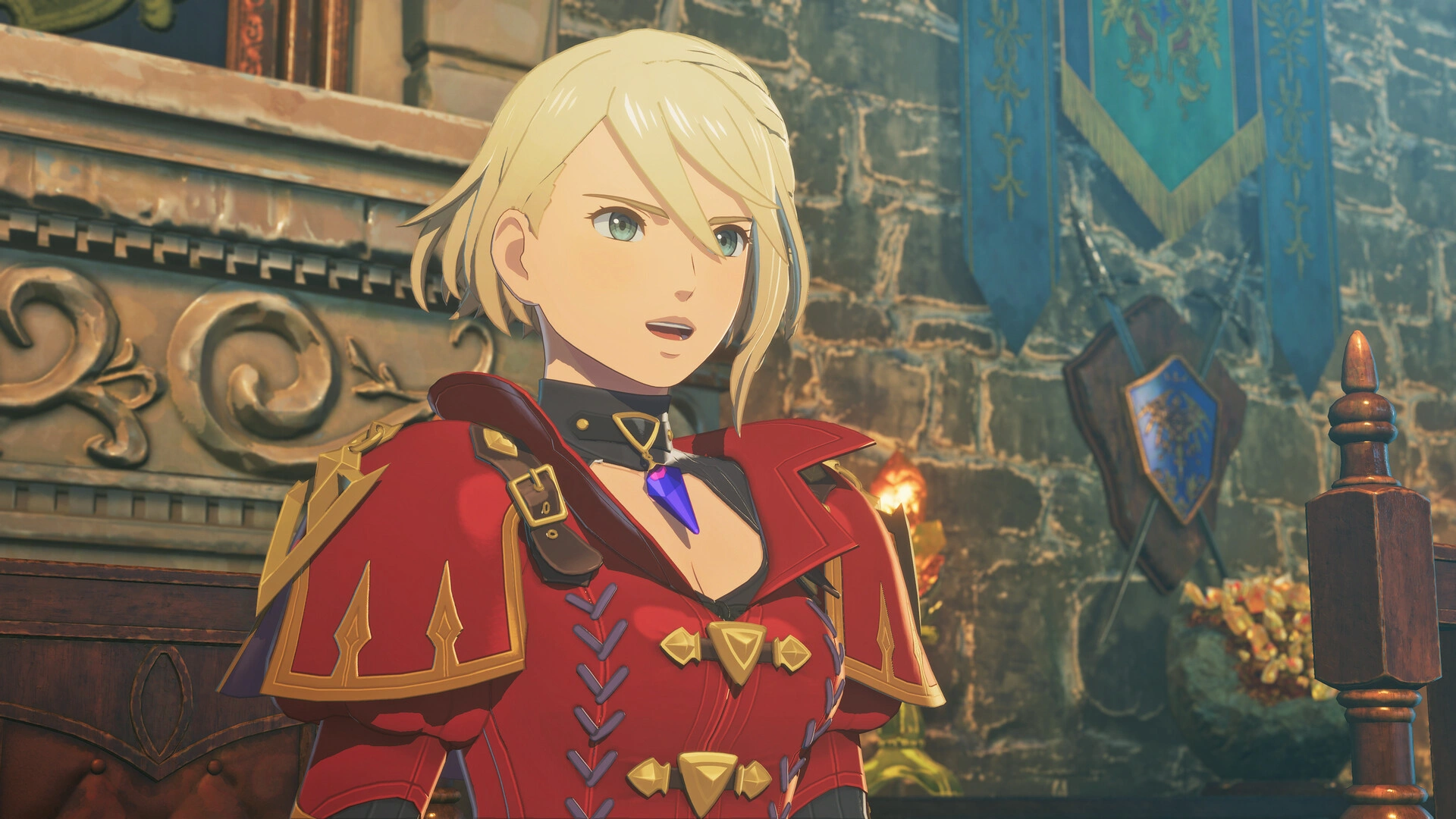
Playing as a voiced adult protagonist changes the series’ point of view in a meaningful way. You are Azuria’s royal heir and a Ranger Captain, carrying the pressure of a kingdom under threat of invasion. The writing moves away from the innocence of previous leads and gives the player responsibility over military decisions, ecological damage, and fragile alliances.
The Crystal Encroachment works as a grim environmental disaster. The Feral Monsters created by that crystallization feel especially dangerous because their condition signals a sickness spreading through the biological order.
The supporting cast gives this political drama the emotional texture it needs. Rudy the Palico takes the place of the high-pitched mascot characters from earlier games. He gives practical advice and grounded humor, serving as a dependable partner without draining tension from the scene.
Your Ranger crew feels like a unit with shared history. Thea, the new recruit under your guidance, gives the game a clean path for world building. Each companion receives side quests across the chapters, and those missions reveal personal histories and specific quirks. One ranger carries the quiet grief of a past loss. Another handles a chaotic collection of cats. These interactions make Azuria’s soldiers feel human before the war machine swallows them.
The narrative tone fits closer to political drama than Saturday morning adventure. It studies ancestral secrets and the ethical cost of turning monsters into weapons. Battle-armored monster troops crossing borders give the conflict a bleak charge. The game asks what happens when creatures tied to ecological balance become tools of destruction. That mature tone gives the crystallization mystery urgency. The stakes rest on human survival and the protection of the natural world.
Tactical Synchronicity and the Rhythm of the Hunt
Combat remains a smart turn-based translation of the Monster Hunter formula. The core triangle uses Power, Speed, and Technical attacks in a strategic cycle. Winning depends on reading the habits of each species. A Seregios may favor technical strikes, then change its pattern once frenzied. Predicting those shifts lets you win head-to-head clashes and build momentum. This constant adjustment keeps encounters active and readable for casual players without flattening the tactical depth for veterans.
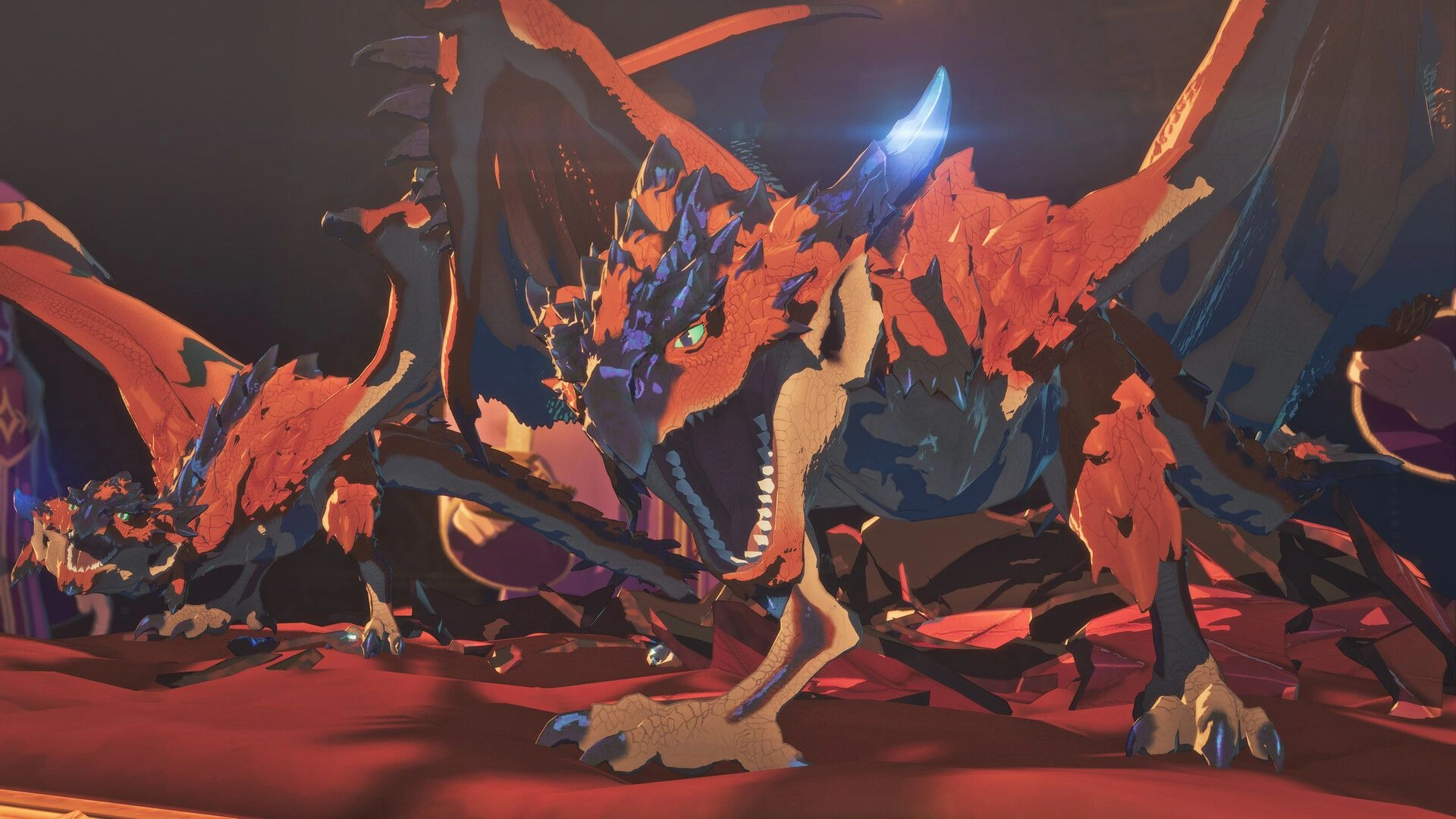
Weapon choice gives the creature-collector structure a sharp technical edge. You carry three weapons from six available types, grouped by Slashing, Piercing, and Blunt damage. Swapping weapons during battle becomes essential for breaking specific monster parts. A hammer can shatter a hardened ice blade. A bow can puncture wings. The system echoes the preparation loop of the action-focused mainline games and translates it into a cleaner turn-based rhythm.
Resource management has been refined for smoother decision-making. Stamina and Kinship now function as separate meters. Skills spend stamina, forcing you to weigh short-term tactical gain against the buildup toward a powerful Kinship attack.
This split removes the frustration of losing access to basic abilities while preparing a finishing move. The new Wyvernsoul Gauge creates another tactical pressure point. By dealing specific damage types, you can drain the meter and stun the enemy. That skipped turn can create the breathing room needed for healing or a key party adjustment.
Monsters often transform mid-fight in ways that rewrite your plan. An enraged beast can change its elemental affinity or attack style, turning a comfortable strategy into a liability. You have to swap your active Monstie or change weapon type immediately. NPC hunters and their monster partners expand the field, making battles feel busy in a useful way. Coordinating allies, weapons, and a six-creature party gives combat the feel of a large-scale skirmish, far richer than a basic duel.
Ecological Engineering and the Genetic Blueprint
The Habitat Restoration system gives the series a major mechanical step forward. After clearing local threats, you establish camps in specific regions and begin shaping the surrounding ecosystem. Releasing monsters into those areas raises the Ecology Rank toward S-Rank. Stronger regions produce eggs with better stat bonuses and distinct Environment Skills. This creates a loop where past captures directly strengthen future teams. The system makes conservation feel playable inside the game world.
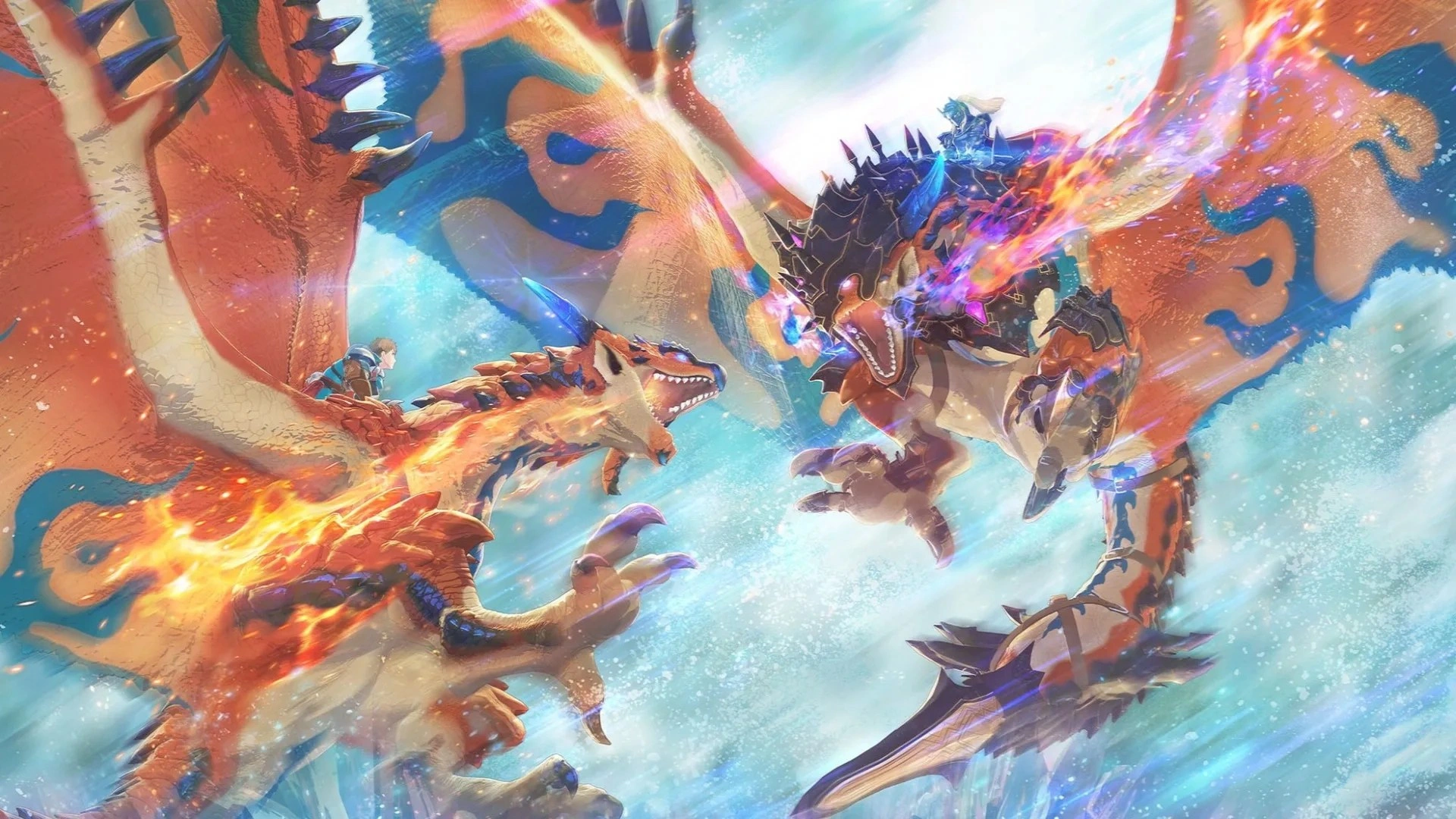
The Rite of Channeling benefits from major quality-of-life changes. Transferring genes between monsters no longer consumes the host creature. That shift encourages experimentation because a rare find is no longer lost through the process. The 3×3 gene grid remains the foundation of monster growth. Matching colors or symbols creates bingo bonuses that boost damage or defense by a noticeable margin. You can rearrange genes at any camp to fine-tune a build. That flexibility lets a favorite creature become a focused powerhouse with a clear combat role.
Elemental variance gives roster building a creative spark. Introducing a species to a habitat with a different element can produce dual-type offspring. A thunder creature raised in a fire region might hatch with red scales and fire-based abilities. These variants keep their original strengths and gain wider elemental coverage. The system helps each player’s team develop a distinct look and combat identity.
Mutations and subspecies deepen the discovery loop. Certain environmental pressures, such as placing rival species in the same region, can trigger rare mutations. A Glavenus might mutate after competing with other bladed monsters. These requirements reward players who pay attention to creature biology and lore. Solving the conditions behind a mutation feels like cracking a living puzzle.
Creature gathering moves faster than before. The den system now uses smaller, focused spaces. Long runs through repeated dungeon layouts no longer slow the path to a nest. You find eggs quickly and return to restoration work. Rare dens still offer stronger gene boards, yet the entry barrier feels lower. That pacing keeps attention on breeding, habitat tuning, and long-term team planning.
Soaring Heights and the Painted Wilds
The world design stresses verticality and scale. Regions are larger and fuller than in previous entries. You spend plenty of time gliding through mountain passes and exploring underwater caves. That sense of height makes the maps feel like real locations instead of flat combat zones. Reaching a high peak above the Sunpetal Plains carries a clear sense of earned progress.
Riding actions drive exploration. Flying requires catching updrafts to stay in the air. Swimming and climbing open secret routes. These abilities serve practical roles beyond movement. Roars can stun overworld enemies and help you avoid unwanted fights. Breath Attacks can knock flying monsters out of the sky before battle begins. These systems make your Monstie feel like a working partner across the map.
The visual presentation uses a lush cel-shaded style. Monster animations are fluid and instantly recognizable, capturing each creature’s personality. Watching a Rathalos take flight or an Anjanath stomp through brush remains a highlight. Azuria’s biomes use a rich color palette, with secret waterfalls and hidden mountain paths tucked across the landscape.
Completionist elements reward careful investigation. Poogies sit in clever hiding places, and track items create a breadcrumb trail for explorers. Reaching these items often requires specific riding actions. Those smaller discoveries give exploration a steady sense of payoff. The world feels dense with secrets built for curious players.
The Ultimate Test of a Ranger Captain
High-level challenges deliver the difficulty spike the systems deserve. Invasive Monsters work like puzzles that demand careful preparation. You gather clues in the overworld to understand their quirks. Claiming their endangered eggs requires finding the right weapon or item to force a retreat. These encounters test mechanical knowledge under real pressure.
Calamitous Elder Dragons can appear during nighttime storms. These legendary beasts represent the combat system at its fiercest. They are extremely difficult, yet the reward structure remains generous. Repelling a dragon still grants materials for powerful gear. That setup lets mid-game players craft stronger equipment while working toward the full slay.
Endgame progression reaches level 75, far beyond the main story’s demands. Mastering these fights requires a tuned gene board and specialized habitat bonuses. Beating an Elder Dragon feels like a real achievement because it asks for mastery across breeding, combat reading, resource control, and team planning. It gives dedicated players a long-term target and a strong reason to keep refining their monsters after the story ends.
The Review
Monster Hunter Stories 3: Twisted Reflection
Monster Hunter Stories 3: Twisted Reflection transforms the series into a sophisticated RPG. It replaces juvenile tropes with a weighty narrative and ecological systems. The Habitat Restoration mechanic provides deep customization. Refined combat demands tactical thought. It stands as the peak of the spin-off series. Depth satisfies veterans and newcomers alike. This is a masterful evolution of the creature-collecting genre.
PROS
- Sophisticated genetic customization via the Rite of Channeling.
- Adult, voiced protagonist within a high-stakes political plot.
- Innovative Habitat Restoration and elemental variants.
- Streamlined exploration and den mechanics.
CONS
- Late-game difficulty spikes feel restrictive.
- Predictable narrative beats in certain chapters.







