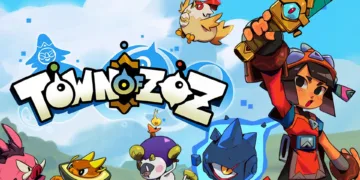



























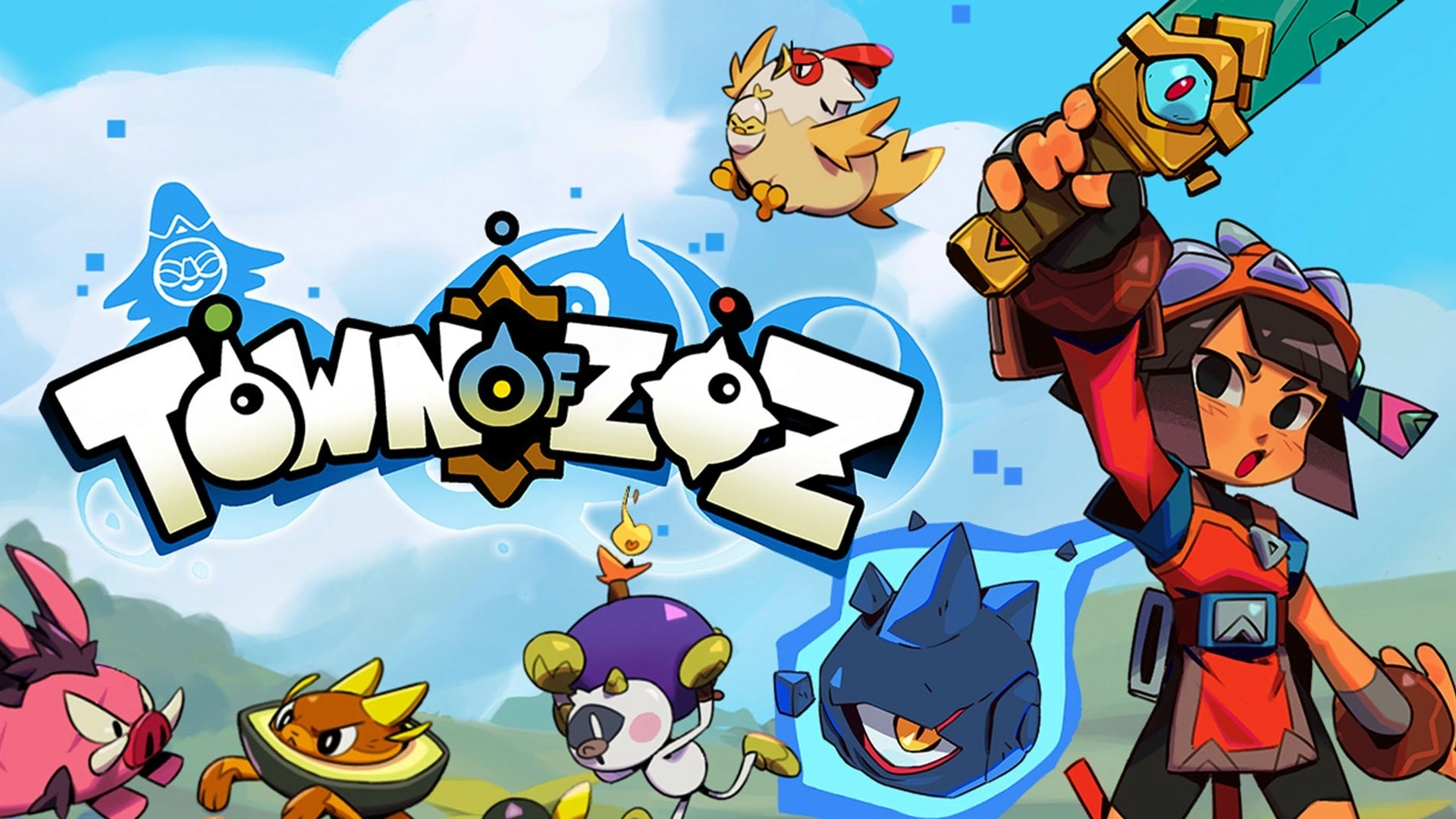

Ito returns from shamanic training and finds his parents under strain from the family business. The Town of Zoz gives his homecoming a grounded shape, placing him between his role as a warrior and the daily demands of a chef. A letter draws him out of the wilderness and back into a community tied to his spiritual lineage.
Zee, his floating companion, stays near him like a visible reminder of his split inheritance. The blood moon marks the moment the town’s ordinary pace breaks. Quiet routines turn into a survival problem, and Ito starts clearing local spirits while gathering ingredients for the next day’s menu.
That opening sets up the game’s most appealing rhythm. Zoz treats the mundane and the supernatural as parts of the same daily schedule. Ito has to face his parents’ expectations, then step into a townwide crisis before he has time to settle back in. The place feels lived-in, which matters. Its shamanic duties gain texture because they sit beside the steam, movement, and noise of a working kitchen.
Cultural Roots and Narrative Stakes
The narrative draws heavily from Latin American folklore, giving indigenous traditions a central place in its world. Local athletes, the stoic Soulsmith, and other residents make Zoz feel like a working society where each person has a defined role. Ito’s bond with his father gives the spiritual crisis a personal point of pressure. Their exchanges carry the weight of family expectation and the challenge of shaping an identity inside an inherited legacy.
Spirits and demons appear as existing pieces of the town’s history. They belong to its growth, its damage, and its hidden corners. The script delivers many of its story revelations in dense bursts after bosses, which creates a clear emotional rhythm. The player spends long stretches in quiet labor, then receives a heavy narrative beat as a reward for surviving a major encounter.
The shift from the golden warmth of the family restaurant to the cold pressure of cursed zones sharpens the divide between comfort and duty. These spaces mirror Ito’s own conflict as he tries to help a wounded community while still figuring out who he wants to become.
The dialogue frames the spirits as part of Zoz’s identity, with understanding treated as the necessary response. That choice keeps the stakes intimate. The restaurant’s health and the region’s spiritual peace begin to feel connected through Ito’s labor, his family ties, and his role as protector.
The Loop of Combat, Farming, and Flavors
Gameplay runs on a cycle of gathering, preparing, fighting, and returning home with new purpose. Ito uses a Spirit Machete in battle, and its melee combos have real weight. Zee gives combat a second tactical layer. Players move the spirit with the right analog stick, setting up possession or wide area attacks. This asks the player to coordinate both characters at once, giving each fight a pleasing sense of multitasking pressure.
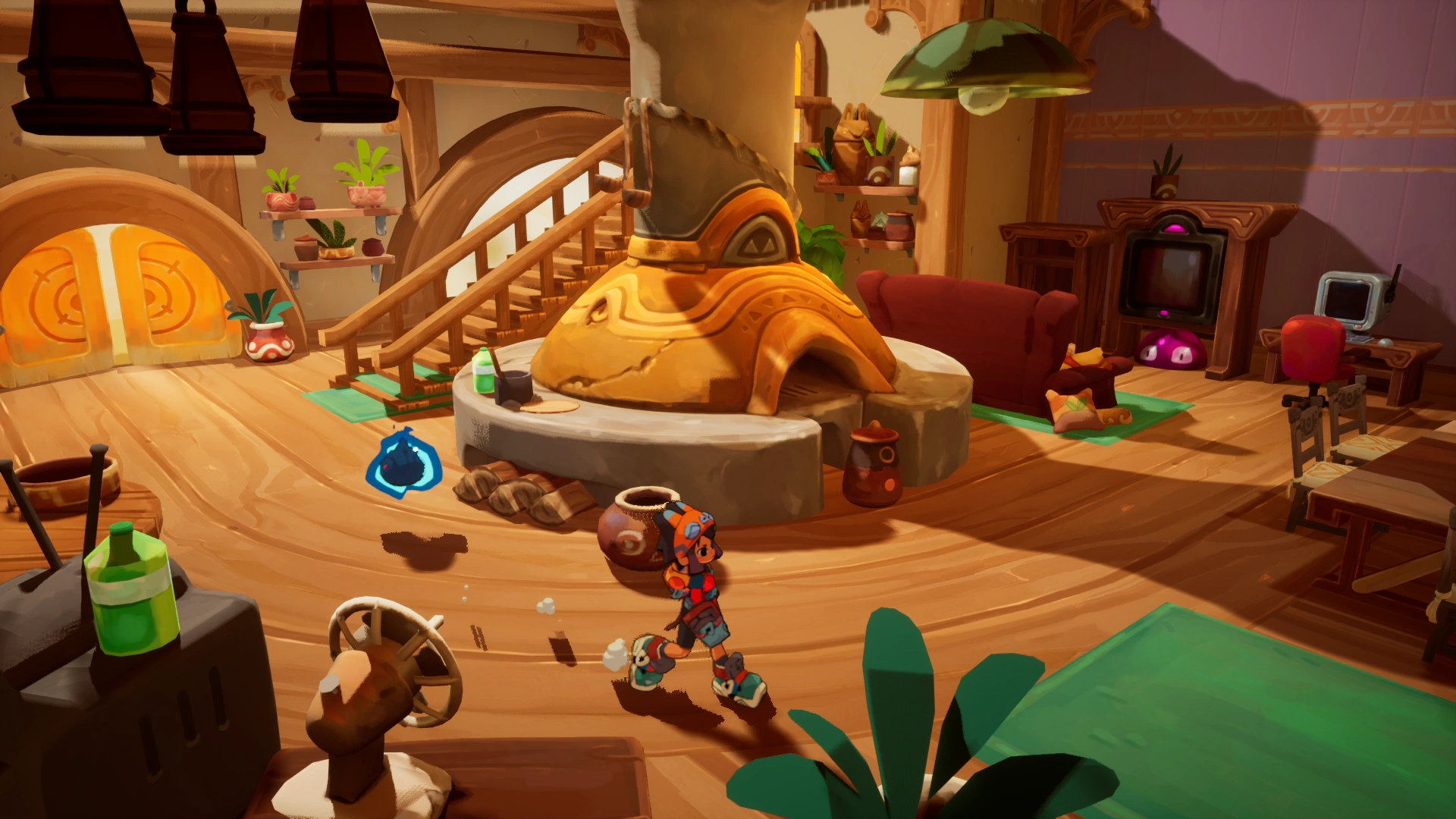
The combat flow can feel stiff at times. Enemies do not always flinch or react when strikes connect, so the safest approach often involves patience and careful positioning. The dodge-heavy structure rewards players who watch spacing and timing, especially when Ito is locked into attack animations. This gives the action a slightly harsher edge than its bright presentation might suggest.
Away from the dungeons, the homestead slows the pace and turns preparation into its own form of play. Ito tills soil, plants seeds, and uses fertilizer to raise the quality of his harvest. These vegetables feed directly into the cooking sequences, so the farm never feels like decorative side content. It becomes part of the same survival chain as the machete and Zee’s spirit abilities.
The kitchen sequences bring a different kind of pressure, closer to intense culinary simulators. Players move between stations, prep ingredients, and work against a strict clock. Performance here affects the buffs Ito carries into his next trip, including stronger health or damage. That mechanical link is smart because it gives every stage of the loop a purpose. A successful dish can make the next fight easier, and a productive farming session can shape the outcome of a dangerous run.
Food also works as a social mechanic. Serving a perfect meal to a shopkeeper or a magical leader helps build the relationships needed for progress. The loop stays satisfying because kitchen results directly affect combat strength. Each seed planted, dish prepared, and enemy defeated feeds into the next step. Regional dishes add variety to the preparation phase, giving Ito’s expanding menu fresh demands. The system rests on a lovely idea: feeding people becomes a form of spiritual service.
Retro Aesthetics and Technical Performance
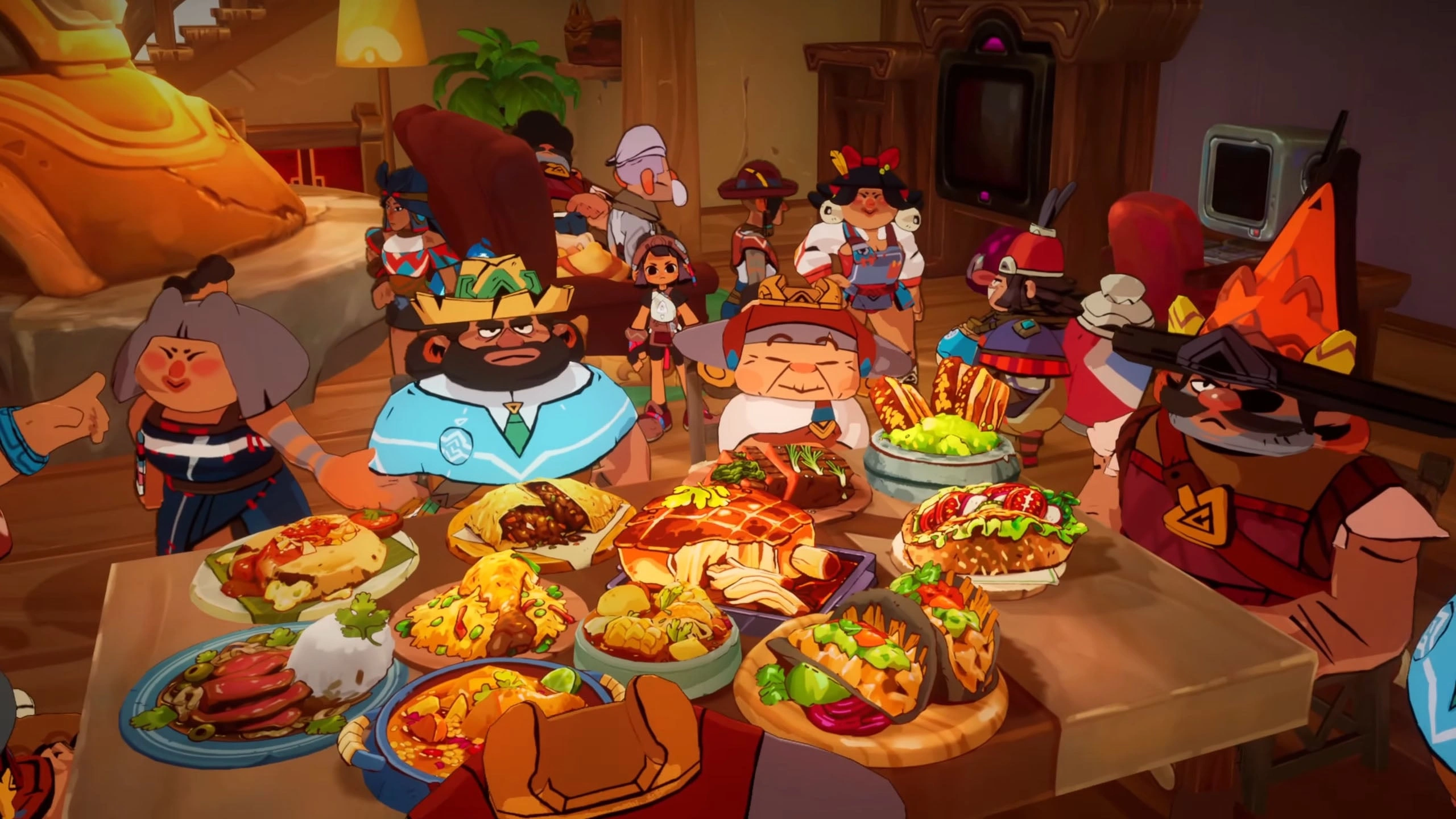
The visual style uses a retro anime look to create nostalgia without flattening the world into easy reference. A VHS filter softens the screen, giving the sharp character designs an aged texture. The designs avoid simple caricature and give the community a varied presence through distinct silhouettes. Reduced-framerate character movement adds a hand-drawn quality, setting the presentation apart from slicker 3D titles.
The audio choices strengthen that identity. Pan flutes give the score a melodic core that feels ancient and adventurous. Battle themes shift into a high-energy mode that recalls classic action animation. The lack of voice acting is noticeable, especially during kinetic cutscenes. Subtitles carry the story, and fast-moving animation can make key lines easy to miss.
The PC version offers a stable experience for much of the run, yet the interface feels somewhat clumsy with a mouse and keyboard. A controller suits the game better, giving the dodge-heavy combat the precision it needs. The game clearly has the marks of an ambitious debut. It favors artistic vision and cultural specificity while carrying the roughness of a smaller production.
Occasional software hitches or crashes point back to its indie origins, yet the art direction keeps its pull. The game’s use of folklore, cooking, farming, and action tropes gives it a distinct personality. Its rough edges remain visible, and its strongest ideas still come through with warmth, texture, and a clear sense of place.
The Review
Town of Zoz
Town of Zoz succeeds through its cultural sincerity and specific artistic direction. The marriage of kitchen management and shamanic combat creates a distinct loop that rewards preparation. While technical stutters and rigid combat mechanics hinder the flow, the emotional weight of family responsibility remains effective. It is a heartfelt project that prioritizes identity. It offers a memorable experience for those who value atmosphere over mechanical precision.
PROS
- Striking 90s anime aesthetic
- Deeply rooted cultural identity
- Engaging synergy between cooking and combat
- Soulful musical score
CONS
- Rigid combat hit reactions
- Occasional technical instability
- Clunky keyboard interface
- Uneven narrative pacing