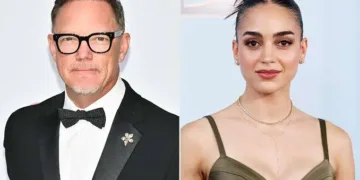







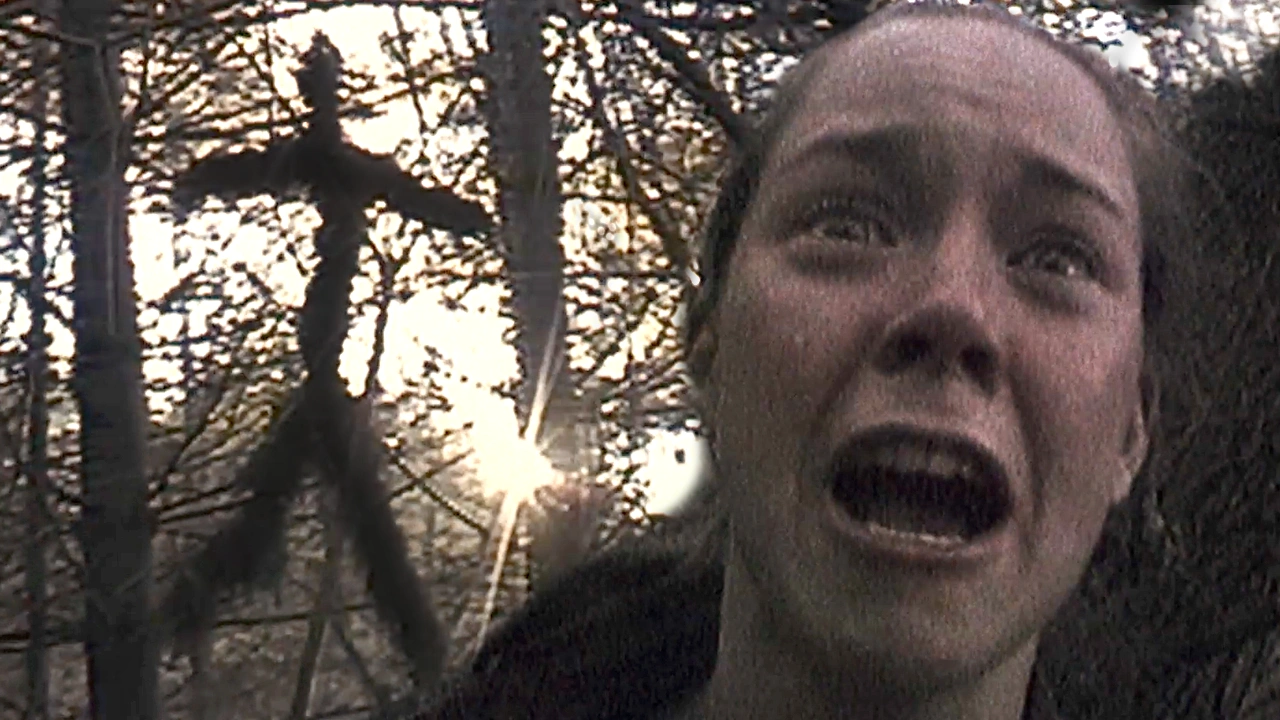

The actress now known as Rei Hance — who played Heather in the 1999 horror landmark The Blair Witch Project — has broken her silence on why she declined to join the upcoming Lionsgate and Blumhouse reboot, citing unresolved concerns about AI, identity rights, and compensation that she says outweighed any financial reward.
Writing on Facebook this week, Hance — formerly Heather Donahue — pushed back against what she called “willful confusion” about her status with the project, prompted by remarks producer James Wan made in a recent interview. “I was offered an agreement that, for me personally, raised difficult long-term questions about rights, future technological use of identity and voice, the ability to speak freely, and compensation,” she wrote. “Preserving my autonomy mattered more.”
The statement draws a clear line between Hance and her two co-stars. Joshua Leonard and Michael C. Williams have both signed on as executive producers on the reboot, joining original directors Eduardo Sánchez and Daniel Myrick and producer Gregg Hale. The project — helmed by first-time feature director Dylan Clark and produced by Jason Blum and James Wan — is targeting a fall production start with a reported budget of around $10 million.
The friction has deep roots. When Lionsgate first unveiled the reboot at CinemaCon in 2024, none of the original three stars had been consulted — or even notified. Leonard, Williams, and Donahue responded with a joint public letter demanding retroactive and future residuals equivalent to what SAG-AFTRA protections would have guaranteed them, meaningful creative consultation on future projects bearing their names and likenesses, and an annual $60,000 grant to support emerging filmmakers. The original film, shot on an estimated $60,000 budget, grossed $248 million worldwide — yet the cast saw almost none of it.
Lionsgate eventually moved to address those grievances, bringing the surviving original team into the fold. But the agreement offered to Hance apparently did not go far enough on the questions she cares about most, particularly around how her image and voice might be deployed technologically in the future — a concern that reflects broader anxieties across the industry as studios gain greater AI capabilities.
Two previous Blair Witch follow-ups — Book of Shadows: Blair Witch 2 in 2000 and Adam Wingard’s Blair Witch in 2016 — both flopped critically and commercially. Clark’s version represents a third attempt to expand the franchise.