
















Dan Slepian interviews Thomas Randolph in the back of a car shortly after police have tased him. The arrest has barely finished before the reporting resumes. In Chris Smith’s The Widower: ’Til Death Do Us Part, this proximity tells us something about the American television culture from which the documentary emerges. Slepian, a Dateline producer, has followed the case for years, and his camera can accompany an official intervention into a conversation with its subject. Police and journalist have different responsibilities, but here their access occupies the same space.
On Netflix, that relationship travels beyond the audience familiar with Dateline. Slepian becomes the interpreter of his own reporting, explaining how he obtained interviews and sustained contact with Randolph across an investigation, imprisonment, trials, and appeals.
The documentary’s opening disclaimer emphasizes that events were followed as they happened. Its authority rests heavily on duration: these people were there, kept listening, and retained a record. Smith’s feature gives that American broadcast archive a compact new form, though proximity to a suspect and understanding his case remain separate achievements.
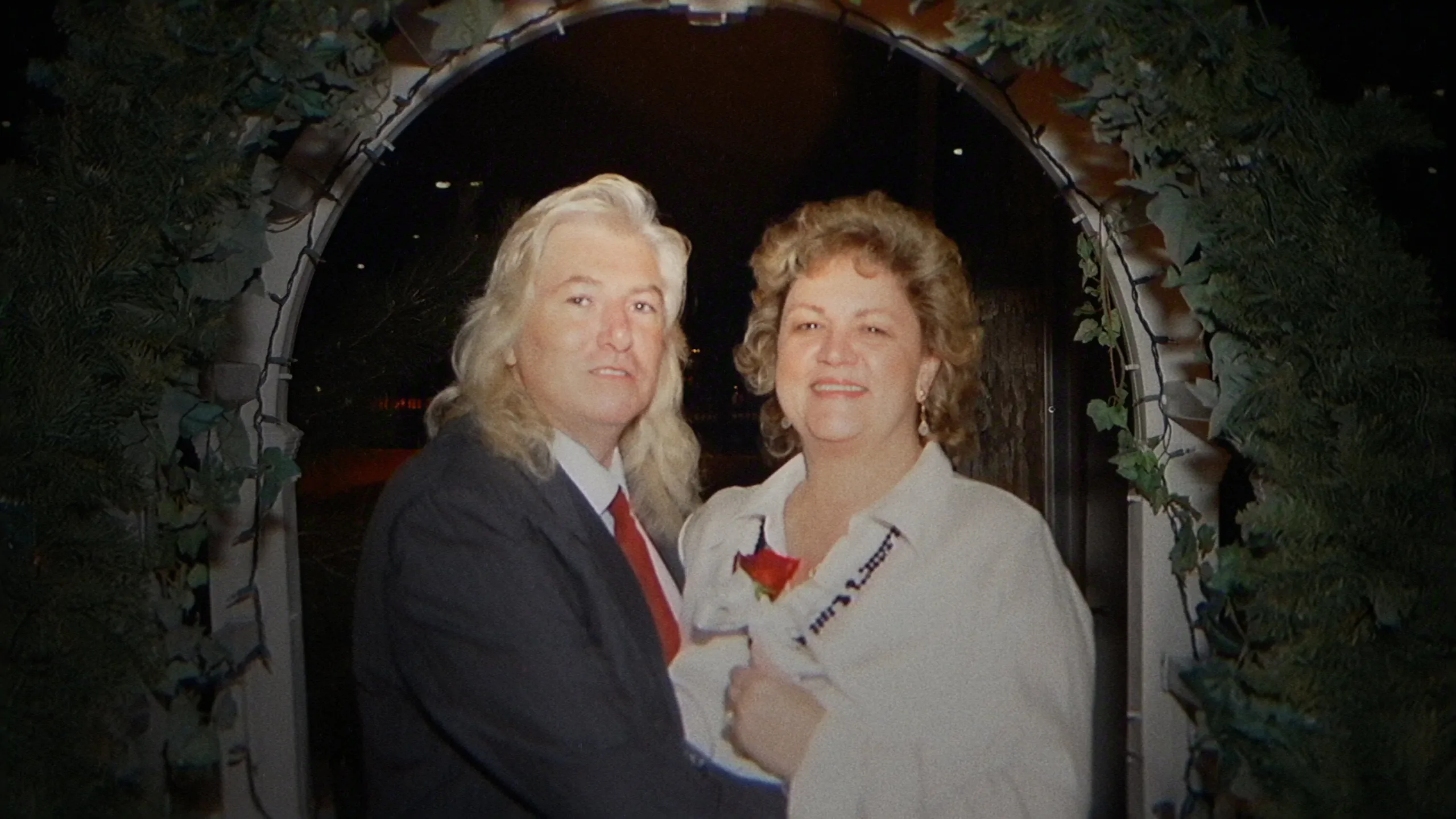
The investigation concerns the 2008 killings of Sharon Causse, Randolph’s sixth wife, and Michael Miller, their handyman, in Las Vegas. Randolph claimed that Miller killed Causse and that he then shot Miller in self-defense. Detective Dean O’Kelley found reasons to doubt this account.
Smith organizes the material around the widening distance between Randolph’s explanation and the accounts gathered by the detective and reporter. The arrest footage makes the investigation tangible, giving us an event unfolding before a camera rather than an official recollection. Still, seeing officers take a man into custody establishes the arrest; the case against him needs its own explanation.
Randolph is unusually willing to supply material. Telephone conversations, prison interviews, and his exchange with Slepian after the arrest make him a recurring presence across changing circumstances. His description of himself as “cocky” is consistent with a man who appears to believe continued conversation can work to his advantage.
The disturbing quality comes from the persistence of that self-presentation. Other people describe fear, threats, and suspicious deaths while he keeps offering a version of himself that he apparently expects the journalist to accept. Smith has enough access to show this behavior repeatedly without needing a confession to make Randolph’s confidence uncomfortable.
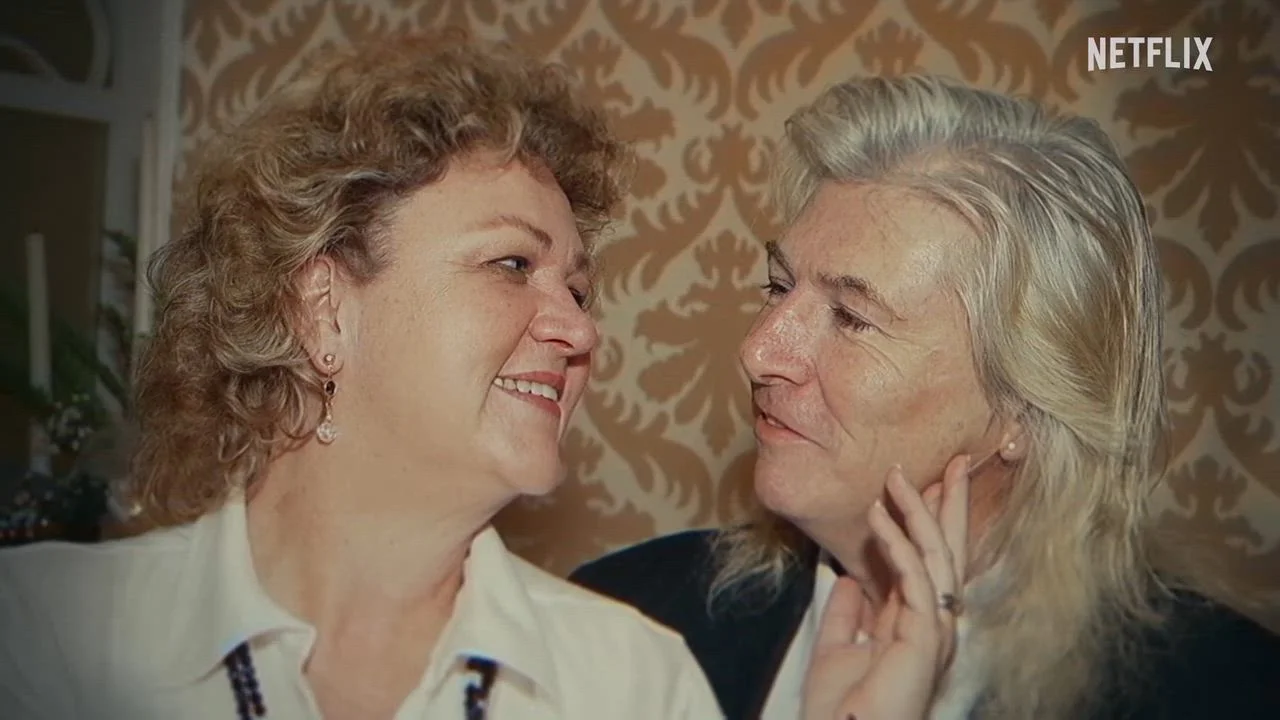
The witness accounts give that discomfort substance. Several men describe offers of money to kill a wife. Eric Tarantino recalls becoming afraid of Randolph and warning Randolph’s first wife that he would kill her. Life-insurance policies introduce a possible financial incentive into the marital history.
These details are stronger than the invitation to inspect Randolph’s appearance for signs of evil. They concern actions, reported proposals, and money. The film’s persuasive force grows from placing his accounts alongside testimony that challenges them, although his readiness to talk can sometimes dominate the attention that the allegations themselves deserve.
The six marriages are also a ready-made narrative device. Four of those women later died, a fact that invites the viewer to search backward for a repeated design. The “black widower” framing gives this American case a premise that Netflix can carry across languages and cultures: marriage becomes a position of danger, and bereavement becomes a source of suspicion. But the history resists being reduced to that label. One former wife died of cancer, and Randolph was acquitted in an earlier wife’s death. Those distinctions matter because a pattern can organize an investigation while still leaving individual events with different evidentiary and legal statuses.
This becomes especially important when the film reaches the reversal of Randolph’s previous conviction. In 2020, the Nevada Supreme Court overturned it because the jury had heard prejudicial information. For a documentary assembling a marital history into a persuasive account, that decision raises a difficult question about its own method.
It exposes a difference between the documentary’s accumulation of suspicions and the court’s responsibility to control what a jury hears. Smith supplies the procedural history, but the distinction deserves greater analytical weight. The subsequent 2023 conviction for the murders of Causse and Miller, and conspiracy to commit murder, does not erase the reason the previous verdict was overturned.
Slepian’s experience reporting on wrongful imprisonment gives this tension a useful American specificity. He describes the difficulty of getting institutions to listen to unjustly imprisoned people, then considers Randolph’s ability to prolong his own case. The comparison introduces two very different experiences of the same machinery.
It also risks encouraging viewers to regard procedural protection as an obstruction whenever they feel certain of guilt. An appeal cannot establish manipulation simply by succeeding. The documentary is most valuable here as a record of the strain created by successive legal outcomes, with Slepian’s frustration forming part of that record.
At approximately 91 minutes, the feature moves efficiently through years of reporting. Its interviews, police materials, and contemporaneous footage give the chronology momentum, and Slepian provides continuity when the proceedings change direction. The imbalance is that we gain a fuller sense of his relationship with Randolph than of the detective work connecting initial suspicion to proof. O’Kelley’s doubts and the arrest are clear dramatic markers; the intervening investigative reasoning receives less development. Smith’s compression makes the case accessible, but its strongest explanation often remains the accumulation of testimony about the man.
Colleen Beyer, Causse’s daughter, gives the legal chronology a different measure. Her grief and sustained hope for justice prevent the succession of proceedings from becoming merely a series of reversals for an audience to consume. Through her, the film’s brisk presentation encounters a duration it cannot reproduce. The same years that provide Slepian with an extensive reporting archive required Beyer to keep waiting for a resolution to her mother’s killing. The 2023 conviction arrived fifteen years after Causse’s death, after an earlier conviction had already been overturned.
The Widower: ‘Til Death Do Us Part premiered on Netflix on September 30, 2026. The true crime documentary follows a journalist and a detective as they uncover a chilling predator whose charm masked decades of suspicious deaths and failed marriages.
Where to Watch The Widower: ‘Til Death Do Us Part (2026) Online


Full Credits
Title: The Widower: ‘Til Death Do Us Part
Distributor: Netflix
Release date: September 30, 2026
Rating: TV-MA
Running time: 1 hour 31 minutes (91 minutes)
Director: Chris Smith
Producers and Executive Producers: Liz Cole, Andy Berg, Elizabeth Fischer, Dan Slepian, Liam Epstein, Kimberley Ferdinando
Cast: Dan Slepian, Dean O’Kelley, Colleen Beyer, Antoinette Beam, Alice Wolfe, Elizabeth Lavatour, Eric Tarantino
The Review
The Widower: 'Til Death Do Us Part
Chris Smith turns an American television reporting archive into an absorbing, compact documentary. Slepian’s sustained access exposes Randolph’s persistent self-presentation, while Colleen Beyer gives the legal chronology its human cost. The film explains the reporter’s relationship with his subject better than the detective work supporting conviction, and leaves the tension between persuasive storytelling and courtroom evidence underexamined. Its journalistic record remains valuable, even where its analysis feels incomplete.
PROS
- Extensive interviews and contemporaneous arrest footage.
- Efficient handling of years of reporting and proceedings.
- Beyer’s testimony gives the legal timeline emotional weight.
CONS
- Limited development of the investigative reasoning.
- Underexamines the distinction between narrative persuasion and courtroom evidence.
- Randolph’s screen presence sometimes overshadows witness allegations.