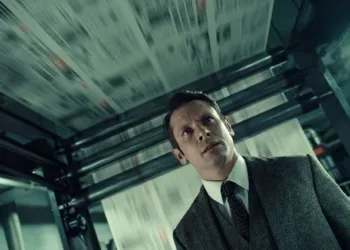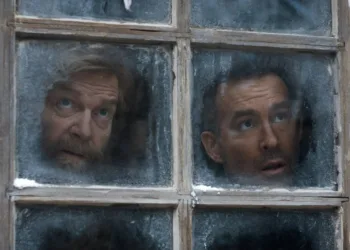


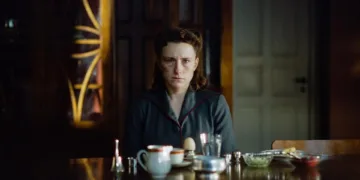



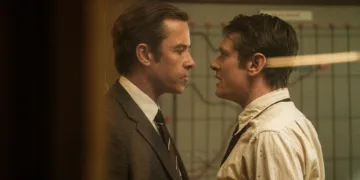





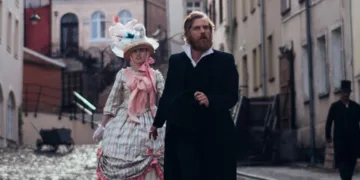





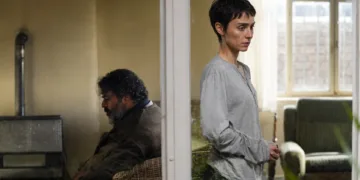








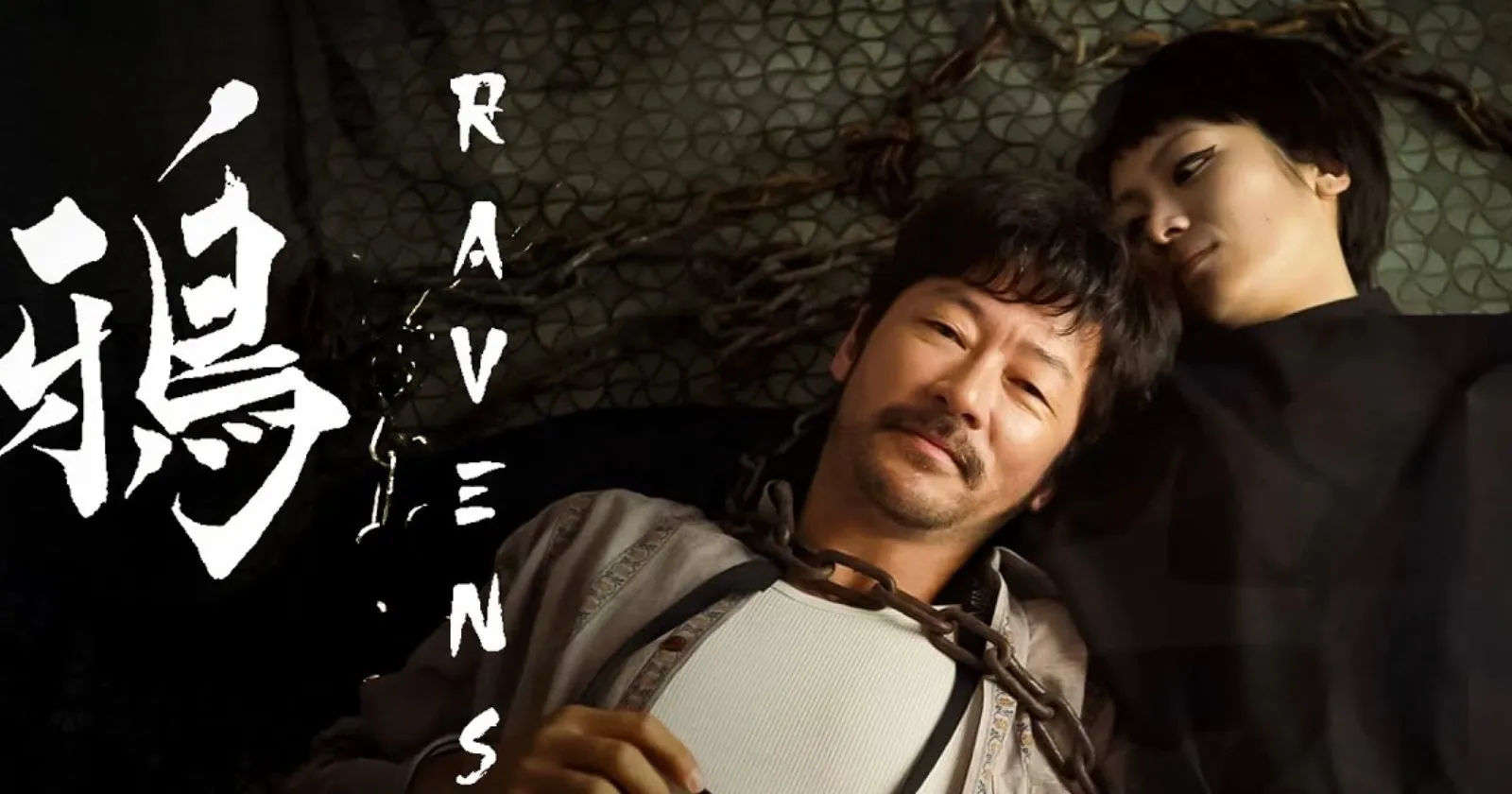

Masahisa Fukase is a photographer whose brilliance is overshadowed by personal demons, and Ravens skillfully weaves his life together. The narrative alternates between Fukase, who is dejected in 1992 and drowns his sorrows in a bar, and his exciting rise to fame in Japan in the 1960s and 1970s.
The raven, the story’s main character, is a fantastical representation of his existential dread, reminding us of the high cost of artistic ambition. This theme resonates today, where the line between genius and madness is blurry.
The film uses a non-linear storytelling style akin to jazz improvisation; it can be chaotic at times but is ultimately peaceful. Fukase’s mind is echoed by disjointed memories that show important events like his father rejecting him and his troubled relationship with Yoko.
Each flashback is meant to hint at something that will happen, leaving viewers to think: When does the artist become the art? With its dark symbolism, the raven criticizes an artistic elite that frequently sidelines those who deviate from the norm.
The Tortured Lens: A Study of Masahisa Fukase and Yoko Wanibe
The model of the “tortured artist” is Masahisa Fukase. His complexities unfold like the pages of an old photo album, each picture revealing a man tormented by the duality of genius and despair. Growing up with his strict father, Sukezō, Fukase learned much about patriarchal standards and how to keep his feelings to himself.
If you consider it the standard “father-son standoff” scenario, this family conflict fuels his artistic fire and starts a rebellion against conformity. His father’s disapproval of his desire to become an artist throws a long shadow that Fukase seems to always be in, fighting the demons of inadequacy and the social pressures that make up Japanese masculinity after the war.
The raven, a persistent ghost, serves as Fukase’s friend and tormentor, representing his internal struggles. It symbolizes the darker sides of his personality and the constant criticism that comes with wanting to be creative. Fukase wants to be accepted, but at the same time, he hurts his chances of success, which is a standard case of self-destructive genius (or maybe just plain old imposter syndrome).
Yoko Wanibe, who goes beyond the role of just muse, enters the scene. She works with Fukase and is a force in her own right, a bright contrast to his darkness. Her journey from model to aspiring artist shows the complexities of female identity at a time when women were often pushed to the sidelines (talk about a plot twist!). Fukase’s self-doubt and Yoko’s drive are very different, which shows how their relationship is changing. His creativity isn’t just reflected in her; she drives it. In a world of still frames, she is a force for change.
But as she gets more attention, things get worse between them. How dare she surpass his genius? Fukase’s insecurity takes the form of resentment, revealing how society feels about women in the arts. This struggle is part of a larger conversation about gender roles and the artistic establishment.
Yoko’s position in Fukase’s life is both a blessing and a curse, highlighting the complex relationship between love and artistic competition. We see both the promise of empowerment and the tragic price of creative brilliance in her growth. This is a reminder that the personal and the professional are linked in a way that can’t be separated.
The Duality of Creation: Themes in Ravens
The struggle between personal ambition and societal expectations, which resonates strongly in modern culture (and in many a coffee shop talk), is at the heart of Ravens. In many ways, Masahisa Fukase’s journey shows the plight of artists: the constant search for authenticity colliding with the crushing weight of outside forces. His father’s strict disapproval serves as a microcosm of societal norms, asking that success be measured by social norms rather than the messy, chaotic beauty of true artistry.
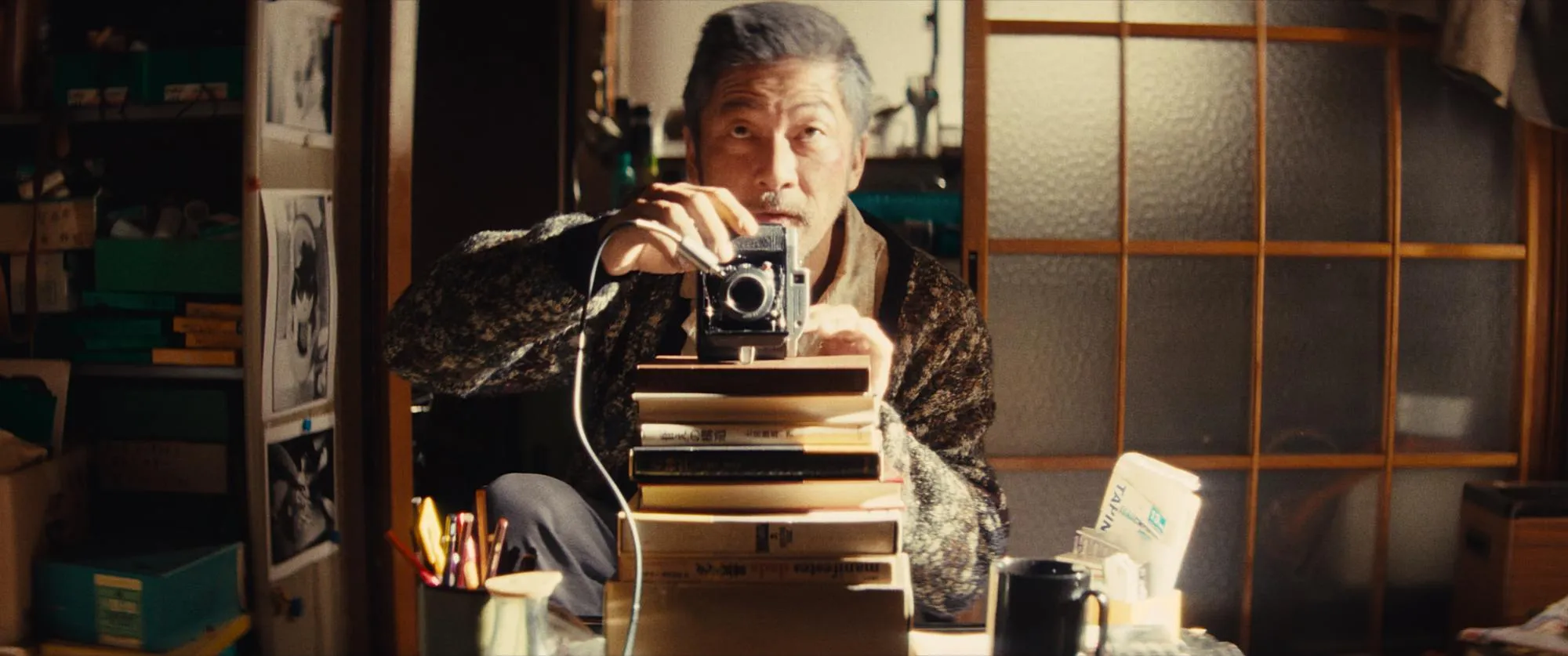
The struggle isn’t just personal; it also reflects artists’ sacrifices for their work. The emotional cost of creativity is demonstrated by Fukase’s descent into despair (a classic example of “suffering for your art”). The haunting presence of the raven symbolizes both inspiration and inhibition, inspiring him to be great while also reminding him of the darkness within. This duality gives a stark picture of the cost of being creative: is it possible to be great without giving up a part of yourself?
The film also explores themes of love, loss, and personal growth and examines the complicated web of identity and connections. Fukase and Yoko’s relationship is a moving example of how love can be a safe place and where fights happen. Their dynamic changes as Yoko becomes a strong individual, highlighting the precarious balance between friendship and competition. It makes me wonder if love can grow amid artistic desire or will always break under the weight of expectation.
Cultural norms play a big role in their identities. By challenging the status quo and embodying the aspirations of a generation, Yoko successfully navigates Japan’s patriarchal landscape. Her journey reflects the struggle for individual duality against social constraints, making her more than just a model for Fukase’s growth.
There is always a chance of loss in this dance of identity, whether through personal sacrifice or the natural ending of ties. The film shows the complicated side of life, pointing out that personal development often comes with a price, which resonates with everyone. The brilliance of Ravens lies in its insistence that we confront our artistic struggles and the identities we create in their wake, reminding us that the search for meaning is often fraught with difficulty.
Shadows and Light: Cinematography and Visual Style in Ravens
The cinematography in Ravens is nothing short of a visual symphony. Fukase cleverly uses chiaroscuro lighting to bring out the chiaroscuro in his mind. In addition to improving the film’s aesthetic, this interplay of light and shadow reflects Fukase’s rocky emotional landscape.
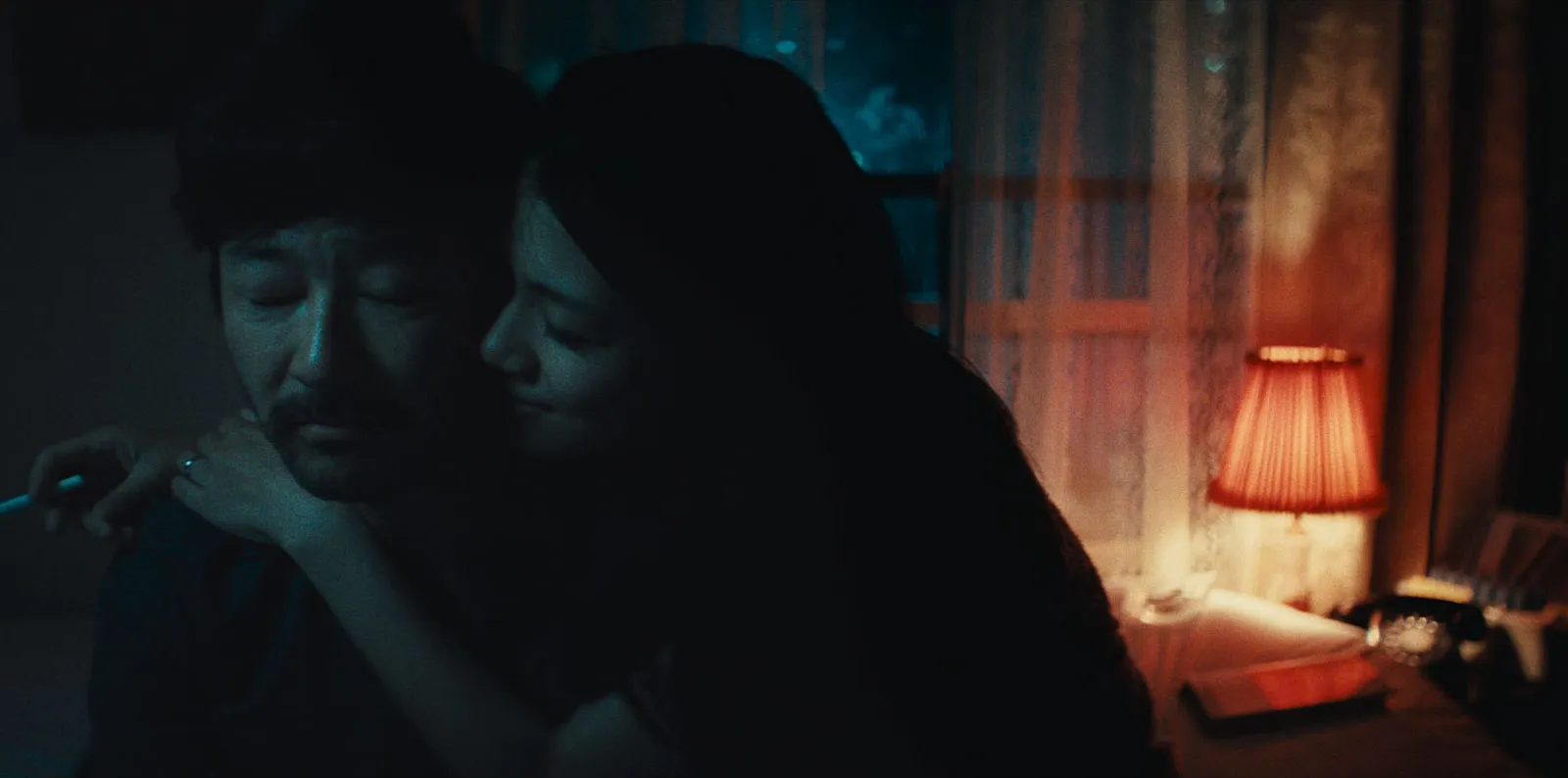
For him, bright, warm colors often mean brief moments of happiness and creativity, while stark, cold colors make people feel like they are in the depths of despair. It’s a dance of contrast that underscores the duality of his existence—the artist pursuing brilliance while battling the inevitable darkness that follows.
Each frame is painstakingly made, revealing how the visual elements reflect Fukase’s inner struggle. For example, the camera frequently frames him in dark areas in scenes where he is overcome with self-doubt as if the environment is meant to make him feel even more alone. These choices about what to see aren’t just fancy style choices; they’re also a comment on an artist’s often lonely path (akin to wandering through a gallery of their fears).
A recurring theme, the raven, is a powerful visual metaphor, embodying Fukase’s artistic goals and deepest fears. Its dark, looming presence always reminds him of the fights inside him. The raven is more than just a bird; it is a force that pushes him to confront the depths of his creativity and frequently teases him with the thought of failing. Both muse and threat, this duality shows how complicated the relationship between inspiration and inhibition is.
We see Fukase’s artistic vision come to life through stunning cinematography. The narrative’s framing of the raven gives it more symbolic weight; at times, it seems to portend doom, and at other times, it represents the freedom of unrestrained artistic expression. The film’s visual style captures creativity’s messy, disorganized, and frequently existentially dreadful nature. Even though Fukase’s photos only show fleeting moments, Ravens’ cinematography captures the heart of his struggle, turning every scene into an emotional canvas.
The Sound of Shadows: Analyzing Sound and Score in Ravens
The Ravens score, composed by Paul Lay and Théophile Moussouni, is a haunting undercurrent that elevates the film’s mood. It goes along with Fukase’s mental journey and acts as a contrast, going from sadness to happiness. Whether Fukase is descending into despair or soaring with creative inspiration, the music builds up in crucial scenes to reflect his inner turmoil. His changing moods are reflected in the juxtaposition of soft, haunting tunes and more vivacious, jazzy undertones, creating an auditory landscape as complex as his character.
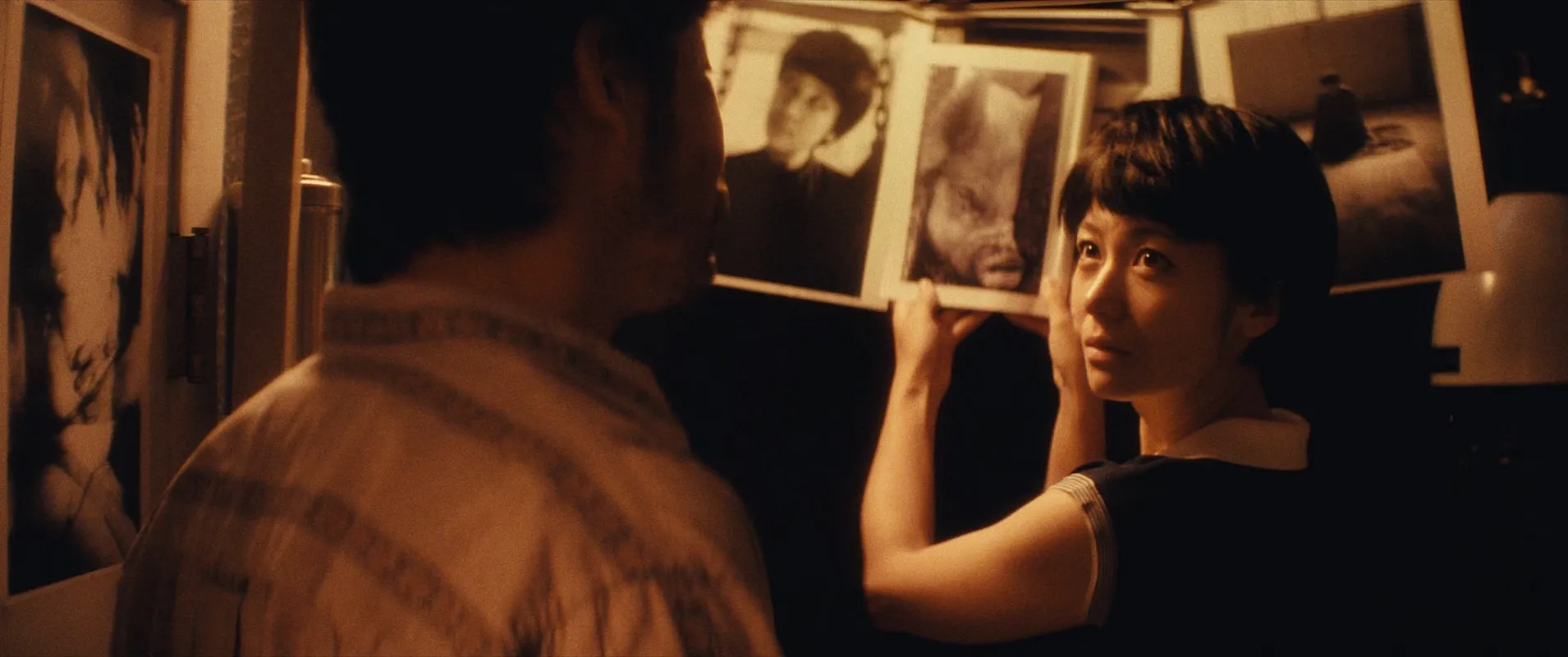
This piece of music does more than accompany the images; it pulls the viewer into Fukase’s mind. For example, during a drunken party, the chaotic score underscores the moment’s frenetic energy, while in quieter, introspective scenes, the music pulls back, allowing silence.
There is a masterful interplay of sound and silence in Ravens that strengthens the emotional impact. Moments of complete silence heighten the tension and force viewers to confront the unsettling truths beneath Fukase’s bravado. The narrative is punctuated by specific acoustic cues, such as the loud clinking of glasses in a bar or the soft rustling of the raven’s feathers, creating an immersive experience that encourages reflection.
These carefully chosen settings remind us that silence can be just as potent as sound itself, frequently revealing much about Fukase’s inner struggles. The film explores the struggle between being seen and being invisible in the life of an artist. It serves as a sobering reminder that in the quest for artistic expression, sometimes the quietest statements are the ones that say the most.
Navigating Shadows: Mark Gill’s Directorial Approach in Ravens
Mark Gill’s idea for Ravens as a director is a tapestry of raw emotion and existential thought. His narrative style avoids linearity in favor of a mosaic of broken memories that reflect the chaotic nature of Fukase’s life (imagine it as a movie collage that sometimes feels like a Rorschach test for the soul). Thematically, Gill focuses on the complexities of genius and madness, love and loss, allowing the characters’ dualities to develop naturally.
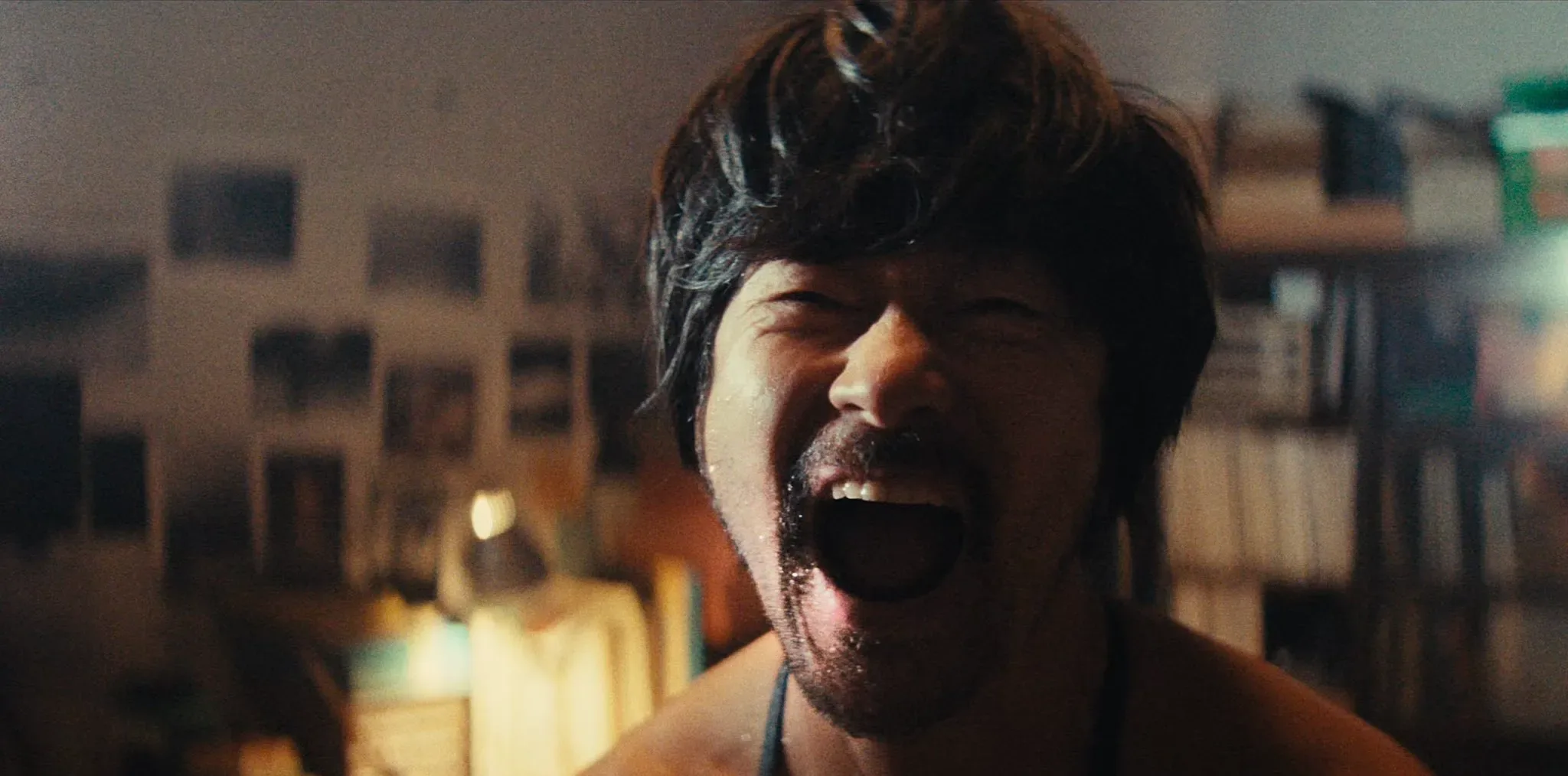
There is no good guy or bad guy in Fukase. He is just a flawed person trying to make it in the dangerous world of artistic desire, which everyone who has ever felt the weight of their dreams can relate to. Gill’s portrayal of this struggle is personal and universal, allowing viewers to relate to the artist’s plight while criticizing the social norms that often stop people from expressing themselves creatively.
The raven’s use as a narrative device enhances the philosophical questions raised in the film. It serves as a representation of Fukase’s inner turmoil as well as a character in and of itself, influencing the narrative arc and embodying the film’s main idea. The raven soars as a metaphorical and physical presence thanks to the skillful balancing of artistic flair and storytelling.
Gill distinguishes between poetic abstraction and narrative coherence, creating an experience you can see and hear long after the credits roll. However, one might wonder if the film’s artistic goals sometimes get in the way of its clear narrative—a contradiction that mirrors Fukase’s struggle between expressing himself and what society expects of him. Gill’s style makes people admire and think about art and identity at the same time, forcing them to reflect on their perspectives.
The Cultural Lens: Contextualizing Ravens in Japanese Art and Cinema
The rich history of Japanese photography, which has long dealt with themes of identity, memory, and psychological crisis, is where Masahisa Fukase’s work comes from. Fukase’s personal and group trauma exploration is especially relevant in this setting. His powerful images, which frequently focus on the human condition and its inherent fragility, fit with the larger narrative of Japanese art after World War II when there was a struggle to balance tradition and modernity.
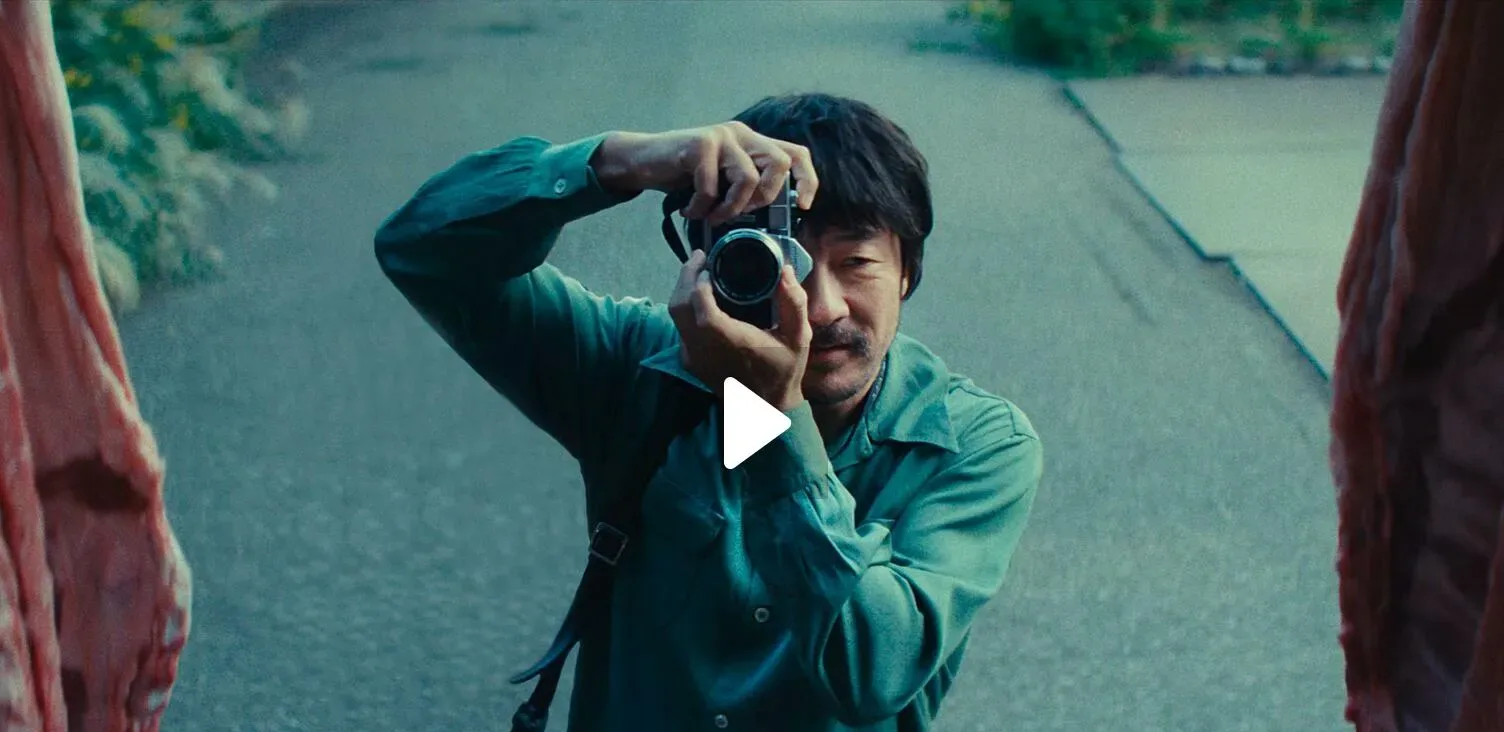
The eerie figure of the raven, one of Fukase’s themes, delves into the cultural psyche to reflect societal fears and aspirations. This interplay of personal and political themes, typical of Japanese art, underscores the importance of his themes and encourages viewers to think about the complicated connection between an artist’s identity and cultural surroundings.
Ravens is a timely addition to the ongoing conversations about art and identity in modern film. In addition to honoring Fukase’s heritage, it raises awareness about the nature of artistic expression in a world that is becoming increasingly alike. The film’s investigation of the artist’s struggle resonates with a new generation of filmmakers who deal with similar themes of alienation and the quest for authenticity.
Ravens stands out in a world full of blockbuster shows because it puts introspection over spectacle, making it akin to an important part of the conversation about the artist’s role in modern society. To close gaps between the past and the present, art and life, the film urges viewers to reconsider how personal and cultural narratives form identity. This importance is particularly poignant in today’s globalized world, where people are often trying to find their voice while also meeting the group’s needs.
The Review
Ravens
Mark Gill skillfully weaves together in Ravens the struggles of artistic ambition and the complexities of identity, creating a narrative that is both beautiful to look at and resonates on many levels. The film elevates itself above biopic status thanks to its examination of Masahisa Fukase's mind and its evocative score and creative cinematography. The emotional depth invites profound thought on the nature of creativity and societal expectation, even though its artistic flair occasionally obscures narrative clarity. In the end, Ravens is a moving reflection on the dualities of life, making it an interesting watch for both art fans and movie buffs.
PROS
- Stunning cinematography that effectively reflects emotional depth.
- Rich thematic exploration of identity, art, and societal expectations.
- Compelling portrayal of complex characters, particularly Masahisa Fukase.
- Innovative use of the raven as a multifaceted narrative device.
- Haunting score that enhances the film's atmosphere.
CONS
- At times, the artistic ambition overshadows narrative clarity.
- Pacing may feel slow for viewers seeking a more traditional narrative arc.
- Certain themes might resonate more deeply with those familiar with Japanese art.