






















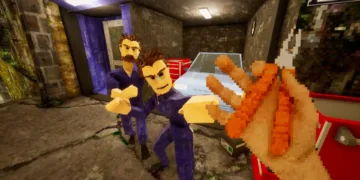

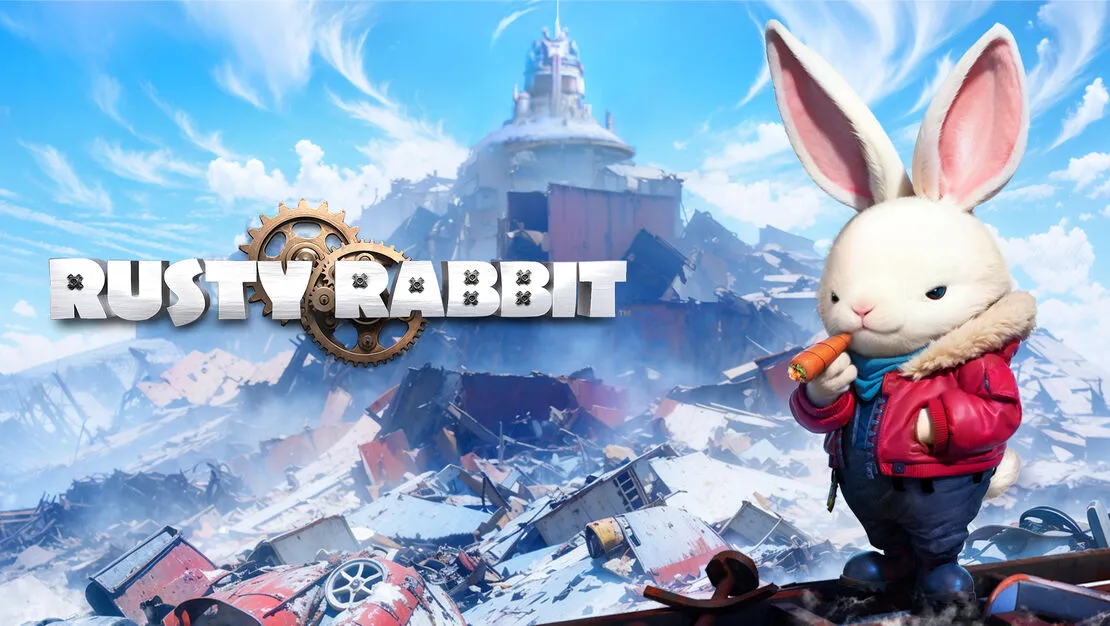

Rusty Rabbit presents a world reshaped by human disappearance—frozen tundra giving way to the steam‑warmed oases of Smokestack Mountain. Early scenes possess a cinematic hush akin to post‑apocalyptic anime, then plunge into blocky, industrial dungeons below the surface.
Stamp, known as Rusty, pilots Junkster, a mech whose drill thumps like a pulse through rusted corridors. His gravelly narration channels Japanese noir detectives filtered through Western pulp, reimagined for an anthropomorphic lead. He spends quiet mornings scavenging scrap until cryptic signals pull him toward an estranged daughter and long‑buried rabbit legends.
Mechanically, the game marries classic 2D Metroid platforming to a cross‑cultural art style that fuses dieselpunk grit with manga‑inspired expressiveness. Drill strikes clear obstacles and unlock lore‑filled terminals, while later grapples and dash boosts transform narrow shafts into acrobatic showcases. Combat evolves from tentative skirmishes into confident exchanges as Rusty uncovers blueprints for blades, hammers, and dual‑wield firearms.
Between delves, the Brass Village hub offers crafting benches, rabbit‑run diners for social dialogue, and a church that teaches Peter Rabbit–inspired scripture. Players track both map completion and narrative fragments. Each new ability reshapes exploration, overturns assumptions about hidden chambers, and deepens questions of cultural identity. Customizing Junkster becomes a personal ritual—a way to synchronize rabbit pasts with futures still unwritten.
Rituals of Memory in a Mechanized Wasteland
From the snow‑clad peaks above Brass Village to the cavernous veins of Smokestack Mountain, Rusty Rabbit frames its rabbit society in echoes of post‑war cinema and industrial folklore. The frozen world recalls Japanese depictions of nature’s fragility—think a muted Princess Mononoke—yet its steam‑vent oases invoke Western steampunk’s defiant warmth. Rabbits repurpose human relics into a living mythology: scrap becomes scripture in the Church of Peter Rabbit, and Mr. McGregor transforms into a demon in sermon and song.
Stamp, a gruff pilot voiced with gravitas in both Japanese and English, channels noir detectives who speak through smoke and silence. His mech, Junkster, reflects his own journey: stripped of advanced tools after a scripted ambush, Rusty navigates with the barest drill attacks and jumps until blueprints restore capacity. That ritual of loss and reacquisition lets the gameplay underscore his personal stakes. When Junkster sputters back to life with blade and cannon attachments, the act of crafting becomes an extension of Rusty’s hope for reconnecting with his daughter.
The BBs—Blitz Bullets, Burrowing Bears, and their playful peers—offer youthful exuberance that clashes gently with Rusty’s stoicism. Their chatter in the diner feels lifted from social‑link dramas in Japanese role‑playing games, while Pastor Bower’s homilies draw from misread children’s literature as though Beatrix Potter were interpreted by medieval scribes. Rust beasts in the tunnels stand in for nature’s adversaries in eco‑mystical tales, turning every combat encounter into a symbolic test of community resilience.
Cutscenes unfold with dramatic framing reminiscent of arthouse film, then yield to in‑game dialogue that bubbles from arcade‑style terminals. Environmental storytelling hides in chipped blocks and flickering data logs—each discovered file shifts the player’s understanding of rabbit origins. The moment Rusty’s rig grinds to a halt, forcing basic traversal, resonates as both a gameplay pause and an invitation to reflect on memory’s persistence in a world built atop human ruins.
What emerges is a tapestry where industrial grit, folklore, and mech‑driven platforming coalesce—yet questions linger about how tradition and technology will continue to redefine this rabbit civilization.
Forging Paths Through Iron and Ice
Rusty Rabbit’s controls start simply—run, jump, drill—but their cultural resonance spans continents. The drill’s tactile feedback evokes Japanese mecha anime, where machinery feels alive, while the jump and dash recall Western platformers’ emphasis on momentum.
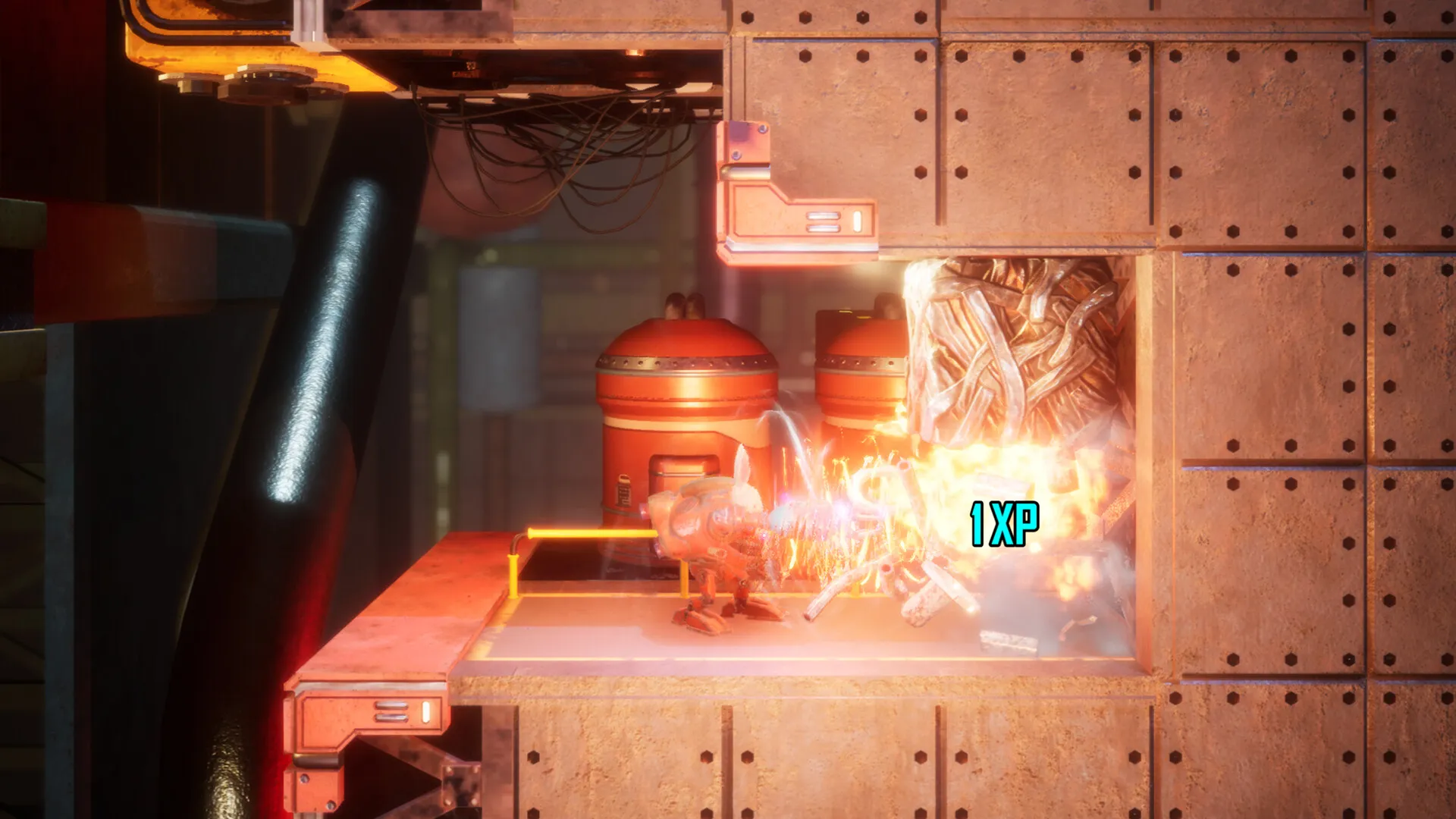
Early loss of Junkster’s abilities mirrors rites of passage in global storytelling, from samurai narratives stripped of rank to Western heroes exiled before reclaiming power through self‑knowledge. When dash boost and grapple hook return, they function not just as tools but as rites of reintegration, rethreading Rusty into a world where innovation and tradition intersect.
Combat divides into four archetypes—drill, blade, gun, hammer—each reflecting distinct cultural lineages. The blade channeling katana precision meets the hammer’s medieval European heft; the drill fuses industrial-age extraction motifs with the gun’s pulp‑fiction firepower.
Rust beasts, with their segmented armor and magnetic pull, invite strategies familiar to Soulslike veterans, yet their chittering echoes Shinto kami corrupted by neglect. Parry windows and hit‑and‑run tactics lend every encounter a choreographed rhythm, reminiscent of cinematic fight sequences in Hong Kong action films, even as they ground the player in the code’s cold logic.
Platforming unfolds within strict 90‑degree geometry—no slopes, only block edges—calling to mind voxel‑based worlds and 8‑bit Metroid roots. Wall‑jumps feel mechanical and deliberate, contrasting the fluid arcs of Ori’s forest ballet. Environmental hazards—lava flows, toxic vents—draw from industrial‑revolution allegories on both sides of the globe, where progress poisons as much as it empowers. Grapple‑assisted shortcuts reward players who read the level design like a multidisciplinary text: a nod to global adventure games that blend puzzle and action.
Exploration follows a gated progression: specific weapons unlock sealed caches, echoing Metroidvania traditions from Japan and Europe alike. The map’s percentage counters and hidden‑room markers provide clarity for those accustomed to Western RPG quest logs, yet the reliance on iconography also channels Japanese games’ ‘collect‑and‑reveal’ ethos.
Backtracking yields blueprints and rare junk, intertwining crafting loops from survival simulators with narrative fragments unearthed in environmental archives. In this interplay of mechanics and meaning, Rusty Rabbit emerges as both a technical homage and a cultural conversation—its iron paths leaving questions about how machines reshape memory.
Cartographies of Industry and Myth
Rusty Rabbit divides its world into discrete levels, each with clear entry and exit points—an approach that echoes arcade‑style progression popular in Japanese action titles, yet contrasts with the interconnected labyrinths favored by Western Metroidvanias. Players leap between segments via teleport pads, their rhythmic activation recalling save‑point rituals from classic JRPGs, even as fast travel through safe rooms channels the streamlined convenience of modern open‑world design.
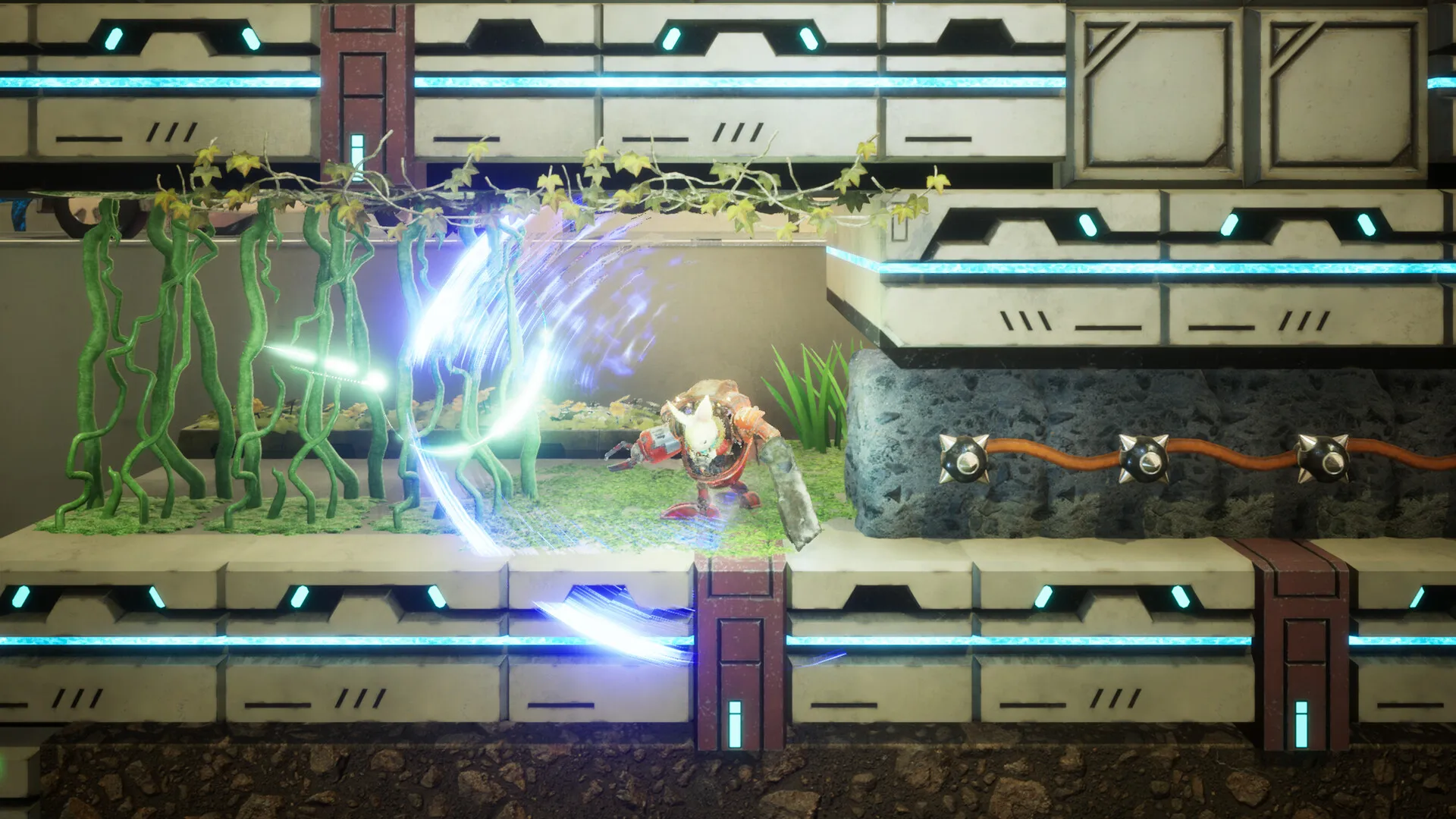
Within these chambers lie biomes sculpted by visible heat and decay: thermal‑vent farms glow with sulfuric steam, crystal caverns shimmer like Scandinavian frost, lava forges roar with molten intensity, and toxic swamps bubble with chemical hues. Block textures shift from rough‑hewn steel to polished, gem‑like surfaces—an interplay of palettes that draws on anime’s contrast‑heavy art direction while grounding each zone in industrial realism familiar to European graphic novels.
Navigation unfolds via the Brass Village hub, where resetting the map feels akin to returning to a home in Canadian indie explorations such as Fez, yet the percentage counters and hidden‑room icons also nod to the completionist ethos of Japanese 2D platformers. Players marking unexplored pockets on the cartography find echoes of wandering monks poring over uncharted scrolls, blending spiritual curiosity with mechanical precision.
Puzzles range from isolated, central rooms—think Resident Evil’s antique puzzles—to dynamic traversal challenges where timed drill sequences and chain‑reaction block clearances reward quick thinking. When a newly acquired grapple hook upends a previous shortcut, the world itself becomes a manuscript of forgotten passages, inviting players to reread spaces through the lens of each ability. In Rusty Rabbit, the stage design reads like a cross‑cultural manuscript, where every vent, vein, and vault invites deeper inquiry into how environment shapes experience—and how experience, in turn, reshapes the map itself.
Scrap as Symbol and System
Rusty Rabbit frames every tin crate, rusted vehicle fragment, and scrap pile as cultural artifact. Scavenging recalls Japanese upcycling philosophies—where nothing is wasted—and Western post‑apocalyptic tropes of reclaimed salvage. In Brass Village’s workshop, blueprint research unfolds like a manga inventor montage, while part assembly channels European guild traditions, forging a shared ritual of creation.
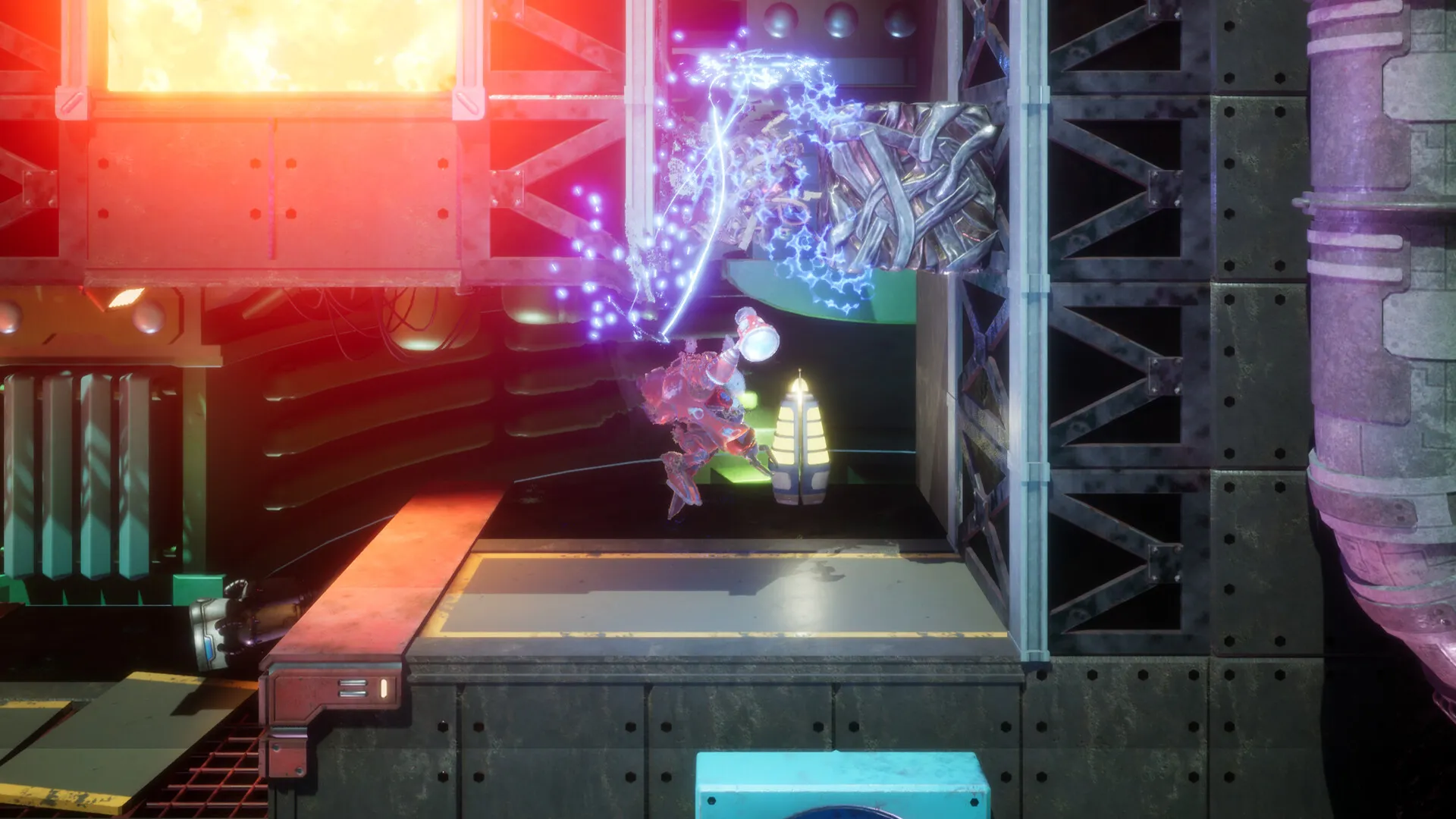
Weapon augments slot into Junkster’s chassis: drill speed amplifies frontline probing, blade reach channels katana elegance, ammo capacity nods to pulp‑era shooter firepower. Skill points then unlock passive boosts—health, defense, movement speed—in a design that bridges JRPG grids and Western ARPG trees. This allows players to shape Rusty’s capabilities in ways that reflect their cultural play memories and mechanical preferences.
Hidden blueprints lie tucked in secret chambers, rewarding meticulous explorers much as Metroid titles once did. Tiered rarity paces progression, though the occasional lull between major upgrades exposes the challenge of balancing global expectations for instant gratification versus patient discovery.
Contract quests—restoring derelict vehicles or hunting rust beasts—imbue each biome with its own local economy and folklore, while random dungeons recast the core loop into roguelike gambits. These optional forays may enrich the world or risk repetition, prompting us to wonder how replayability aligns with different cultural appetites for narrative finality.
A Harmonized Alloy of Image and Sound
Rusty Rabbit’s visuals blend a blocky, SteamWorld‑inspired palette with fully rendered cut‑scenes, creating a dialogue between voxel restraint and cinematic flourish. Levels present high‑contrast silhouettes—mech and rabbit forms read instantly against glowing vents—while narrative interludes shift to painterly detail, evoking European graphic novels filtered through anime storyboards.
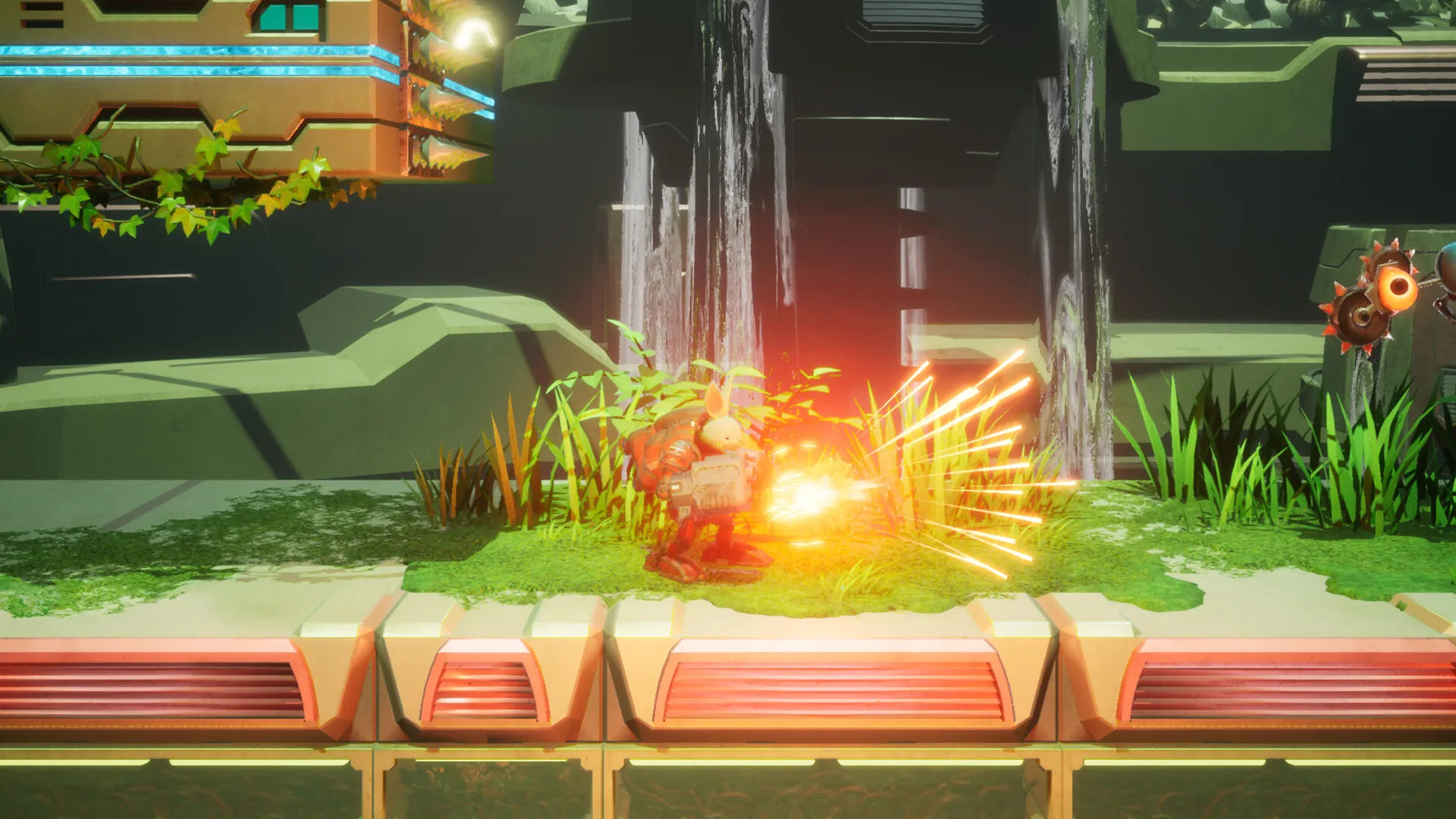
Animation pulses with mechanical authenticity: drill strikes send camera shakes through metal girders, block‑breaking sparks trail like animated brushstrokes, and steam vents hiss in timed loops that mirror Japanese sound‑design precision. Flickering lights carve rhythmic patterns across cavern walls, reinforcing the game’s industrial poetry.
Audio layers industrial hums beneath weapon SFX that crackle with archival warmth—metal on metal becomes both a tool and a theme. The score alternates between blues‑rock riffs and buoyant bops, weaving Americana grit into an East‑Asian melodic sensibility.
Voices deepen this fusion: Takaya Kuroda’s gravelly Japanese delivery channels noir gravitas, while Yong Yea’s English tones lend world‑weary intimacy. Their intermittent quips land like improvised jazz, underscoring moments of humor and pathos without breaking the mechanical rhythm of Rusty’s underground odyssey.
Engineering Empathy Through Performance
Rusty Rabbit’s technical underpinnings echo the dual nature of global media releases—smooth 60 fps on PC evokes a theatrical premiere, while the Switch port’s occasional frame dips and texture pop‑in feel like a streaming launch with bandwidth constraints. Load times remain brief across platforms, but handheld players may encounter more visual stutters in densely detailed biomes.
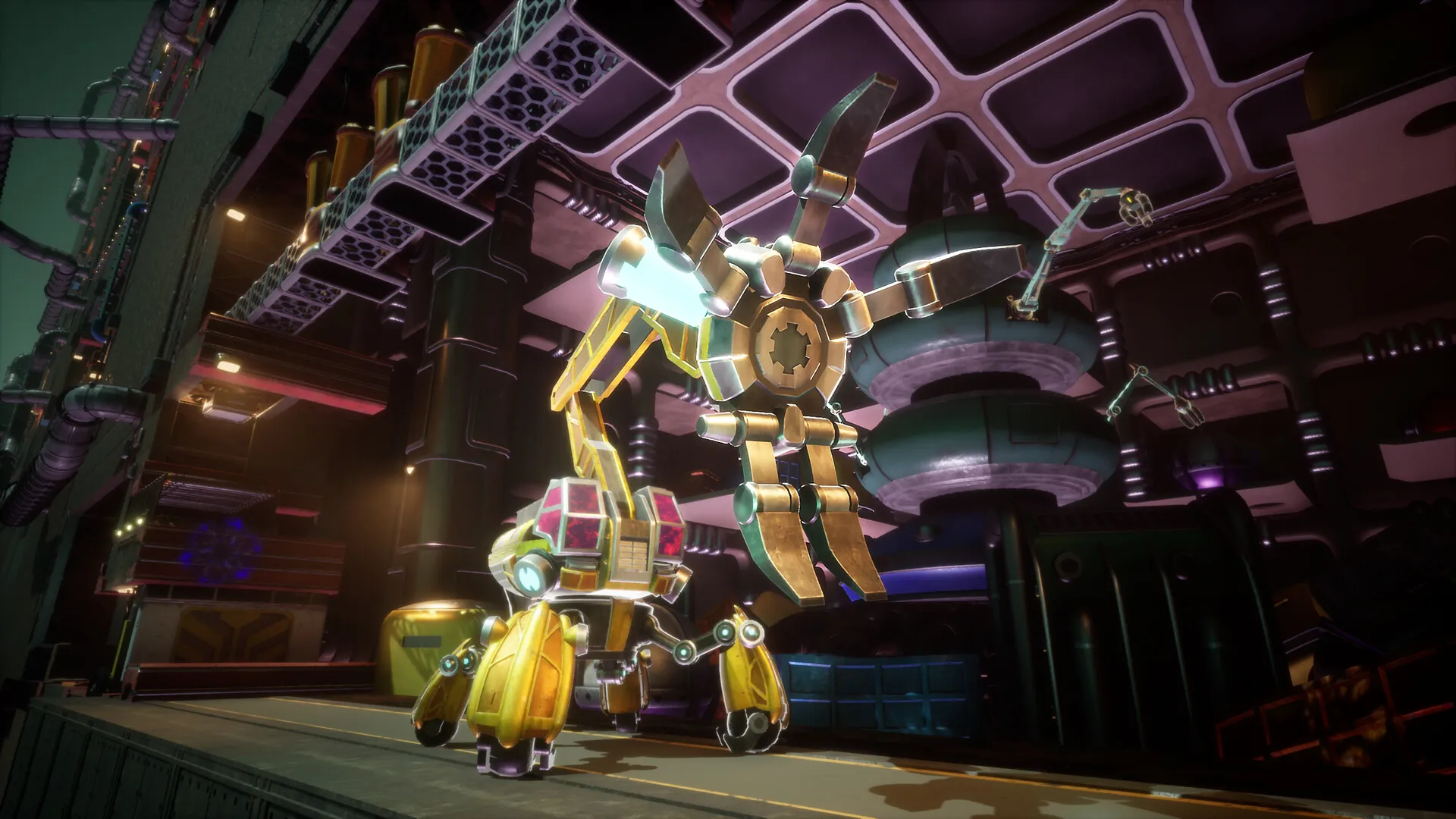
The game’s tutorial unfolds with crisp pacing, stripping and restoring Junkster’s abilities in measured intervals that mirror Japanese filmmaking’s five‑act structures, yet Western players accustomed to instant upgrades might find the rhythm deliberate. Optional assist toggles—slightly larger hitboxes or slowed enemy attacks—acknowledge varied skill traditions without diluting core mechanics.
A minimalist HUD presents map icons and inventory slots with clarity reminiscent of Scandinavian design, while quick‑swap shortcuts for vendors reside under familiar shoulder buttons, blending JRPG menu conventions with Western action sensibilities.
Auto‑save checkpoints hover near major events, and a skip‑dialogue option respects both cinephiles who savor cut‑scenes and speedrunners who prize control remapping. In this balancing act, Rusty Rabbit asks whether technical polish alone can unite diverse player expectations—or if performance itself becomes part of the story.
The Review
Rusty Rabbit
Rusty Rabbit delivers a mechanically solid Metroidvania enriched by a cross‑cultural narrative and thoughtful world‑building, even as its pacing and occasional performance hiccups temper the experience. Mech upgrades, environmental storytelling, art direction and voice work all impress, making each hour exploration feel purposeful.
PROS
- Engaging mech upgrade system
- Rich rabbit‑culture narrative
- Varied, atmospheric biomes
- Strong voice performances
- Clear map with exploration markers
CONS
- Occasional performance hiccups
- Movement and platforming feel stiff
- Combat can grow repetitive
- Limited puzzle variety