























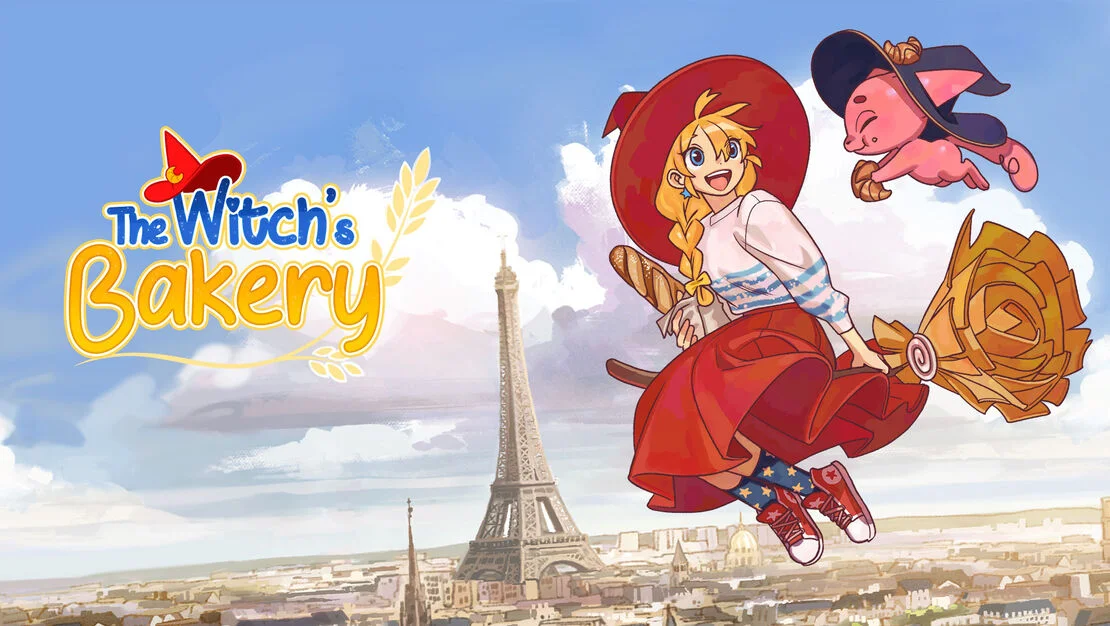

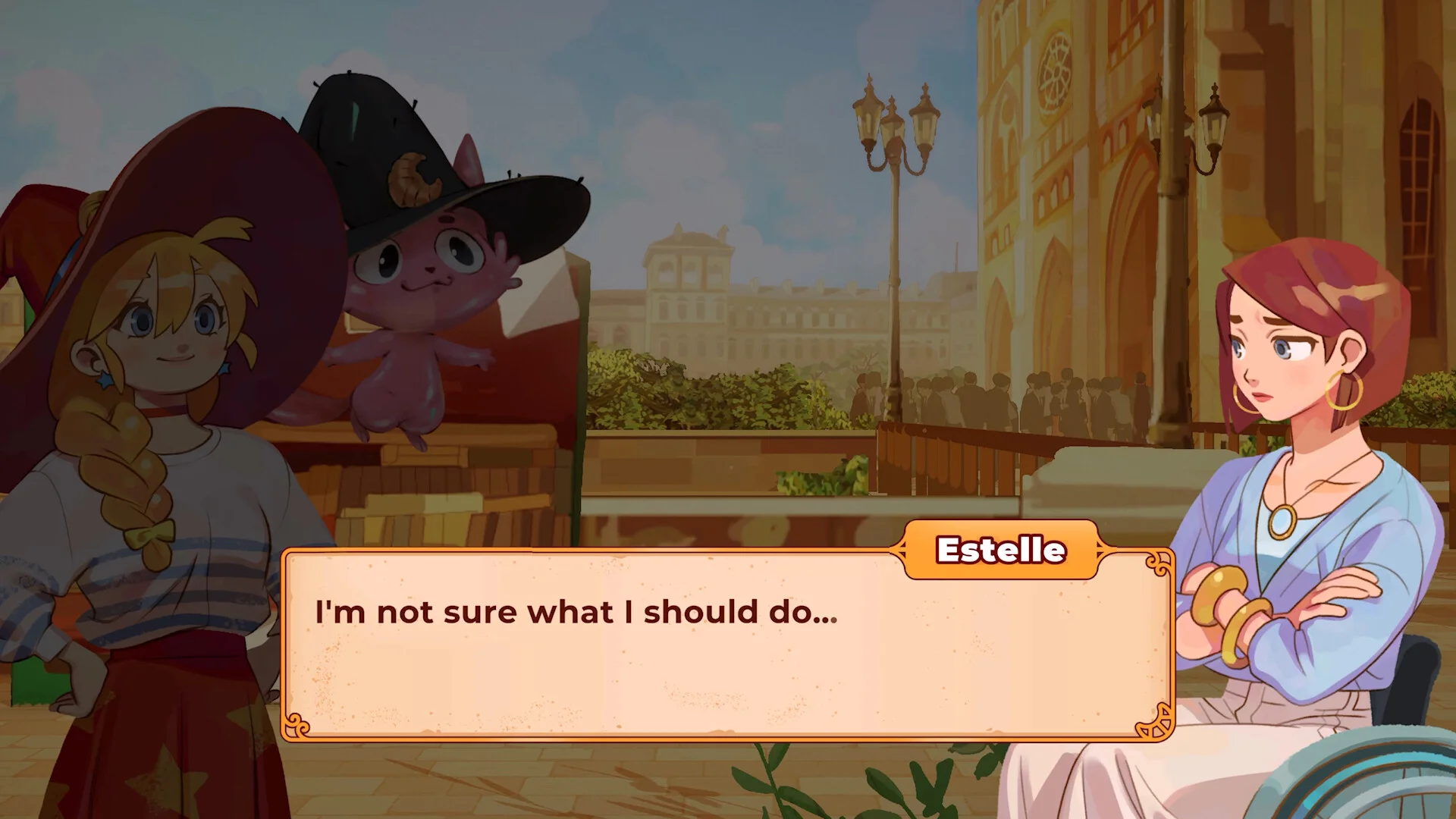
Lunne can enter someone’s heart and still reach a point where she has no idea how to help. Inside the Heart Palaces of The Witch’s Bakery, progress sometimes stops until she returns to the person whose distress has taken physical form. Another conversation, another piece of their life understood, and the way forward becomes available. For a game about a witch selling enchanted pastries in Paris, that interruption carries surprising emotional weight. You can possess an extraordinary gift and still need to sit down with someone.
The spaces waiting beyond those conversations give understanding a sense of discovery. An underwater world and a train hurtling through the air turn private feelings into places Lunne can explore, with puzzles and creatures to guide toward a Heart Cradle.
Torments introduce stealth, asking her to hide instead of fight. Detection restarts a short section, keeping the tension manageable without draining it entirely. Helping someone can briefly feel precarious, even inside this reassuring world. The changes in activity keep these visits from becoming long conversations with decorative backgrounds.
The smaller acts of healing are brisker. Lunne sees Regrets, creature-like manifestations of the burdens people carry, and can help ordinary bakery customers through compact maze minigames. Anger brings intermittent fire; other obstacles include darkness and disruptive waves. These give feelings a readable physical resistance, although completing a puzzle and immediately relieving someone’s distress is an undeniably tidy abstraction.
The larger Heart Palaces provide a useful counterweight. Their repeated visits and dependence on knowledge gained outside them allow problems involving burnout, family, love, and money some time to unfold. The game earns its tenderness through that willingness to delay the solution.
The bakery gives these encounters a daily rhythm. Lunne prepares magical dough while her familiar, Orio, handles baking and stocking the display. Customers lose patience as you divide attention between serving them and keeping production supplied.
Kneading and short input sequences make preparation tangible without demanding much practice, while hurried or picky customers provide small disruptions. There is enough responsibility to make a successful shift satisfying, with Orio absorbing much of the labor that could have turned it into frantic multitasking. The pleasure comes from keeping a welcoming place running.
That modest workload leaves room to look forward to closing time. Paris offers restaurants, concerts, films, shops, and friends with schedules of their own. Money earned during service can pay for an outing, which gives the morning’s work a purpose beyond improving tomorrow’s sales. There is a quiet emotional payoff in that connection: a customer’s order helps fund time spent getting to know someone. Returning to the bakery feels less like resetting a collection of tasks when its earnings support a life elsewhere. Friendship and work share the same calendar, and both make demands on it.
Lunne’s energy prevents that calendar from accommodating everything. Evening activities and late-night reading, games, or recipe practice compete for her remaining stamina. Push too hard and Orio can insist on rest, costing her activities she might have planned. Being sent to bed can feel mildly exasperating when there are people to see and skills to improve.
That inconvenience gives the concern with burnout some substance. The player’s desire to fit in one extra task becomes part of the experience, especially when even relaxation through books or games can improve Lunne’s magic. It is easy to turn a pleasant evening into another opportunity for progress.
Technical trouble is much less productive. A bakery production fault reported in a press build left Orio unable to bake despite available dough, reducing earnings and obstructing purchases and upgrades. Fixed story orders still appeared, allowing the narrative to continue despite the disruption. The fault did damage the everyday reward that makes the bakery worth tending. Its status in the release build remains unverified; promised patches offer hope without establishing that the problem has been resolved.
Switch 2 has separate control problems, particularly in the Atelier’s recipe minigames. Floating ingredients, erratic item selection, and menus that sometimes require detached Joy-Con mouse input interrupt actions that should feel simple and tactile. Some failures require restarting.
These issues are especially unwelcome in a game whose gentle routine depends on being able to trust small actions. Choosing an ingredient should let attention stay with preparing food; fighting the cursor drags it back to the interface. Handheld play or mouse mode can work around some menu problems, though either requires adjusting how you play to accommodate the interface.
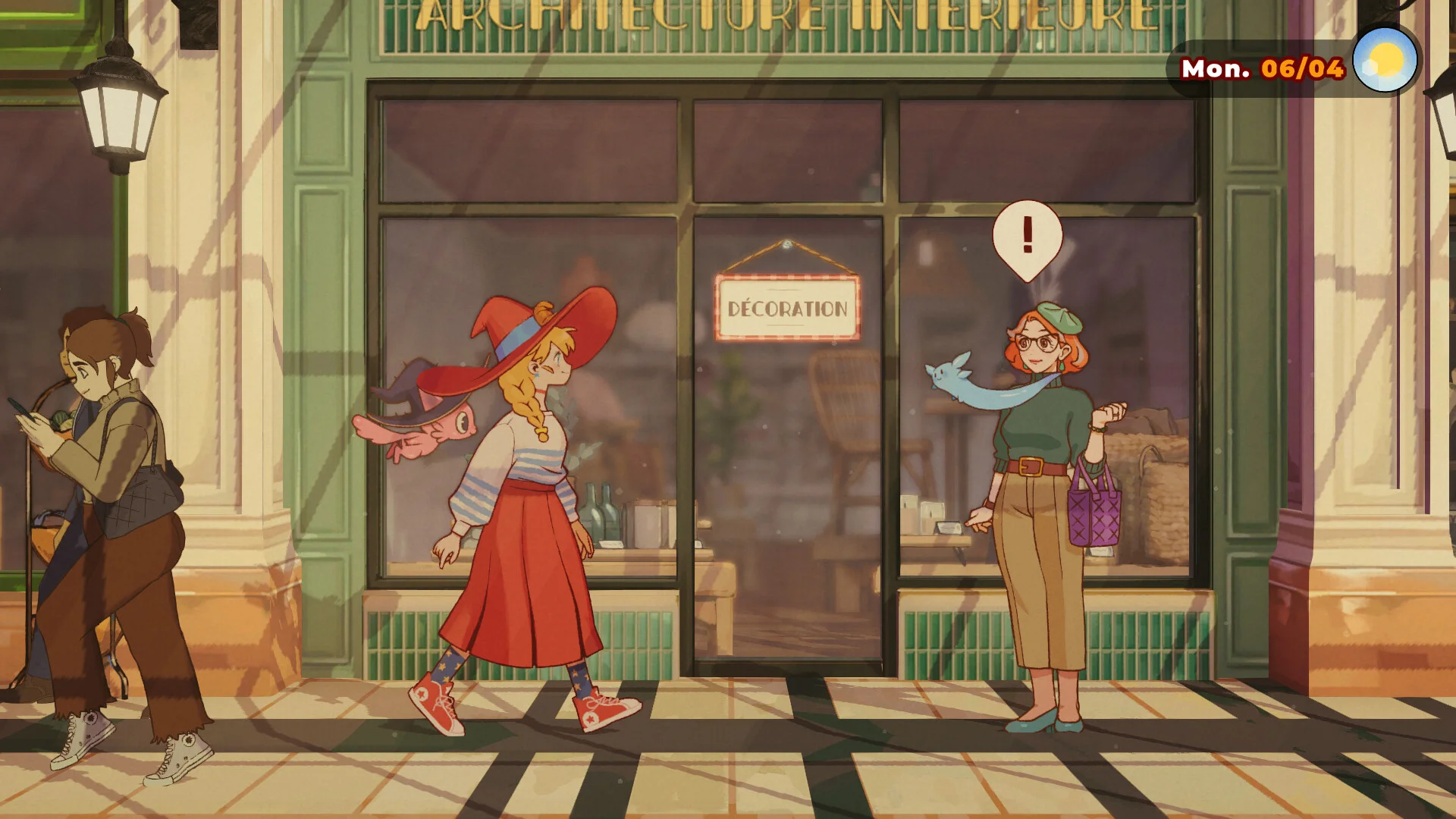
Away from those interruptions, Paris gives the repetition considerable warmth. Vine-covered cafés and carefully drawn pastries invite attention to ordinary surroundings, while decorating the bakery lets the player invest in the room they will see each morning. The appeal builds through familiarity.
A shop you have furnished and streets you repeatedly cross can begin to feel comfortably known, even as new districts and activities expand the map. This is where the hand-drawn presentation does its best emotional work: it makes the intervals between important conversations worth inhabiting.
Music helps those intervals breathe. Gentle accompaniment during everyday activities gives way to darker, suspenseful passages inside Heart Palaces, marking a change in emotional pressure without asking the visuals to carry every transition. There is room for unease within the soft colors, and room to settle afterward.
At night, Lunne can simply look across Paris toward the Eiffel Tower. After a day spent serving, planning, and trying to help, choosing the view makes a welcome break from deciding what to accomplish next. A musician can be heard practising in the background, complete with mistakes. Those imperfect notes give the picturesque scene an unpolished human presence. For once, someone nearby is having a small difficulty that Lunne can leave alone.
The Review
The Witch's Bakery
The Witch’s Bakery makes caring about people part of how you play. Heart Palaces ask for understanding earned through conversation, while bakery work funds friendships and limited energy gives rest a practical value. Its hand-drawn Paris rewards the simple pleasure of spending time somewhere welcoming. Switch 2 control problems and a reported press-build production fault interrupt that comfort, but the connection between everyday routine and emotional discovery gives this gentle adventure lasting warmth.
PROS
- Heart Palace progression makes listening matter.
- Bakery earnings give social activities a satisfying purpose.
- Energy limits lend substance to the burnout themes.
- Hand-drawn Paris and shifting music encourage attachment.
CONS
- Switch 2 interface problems disrupt simple tasks.
- Reported press-build production bug obstructs earnings and upgrades; release status remains unverified.