


























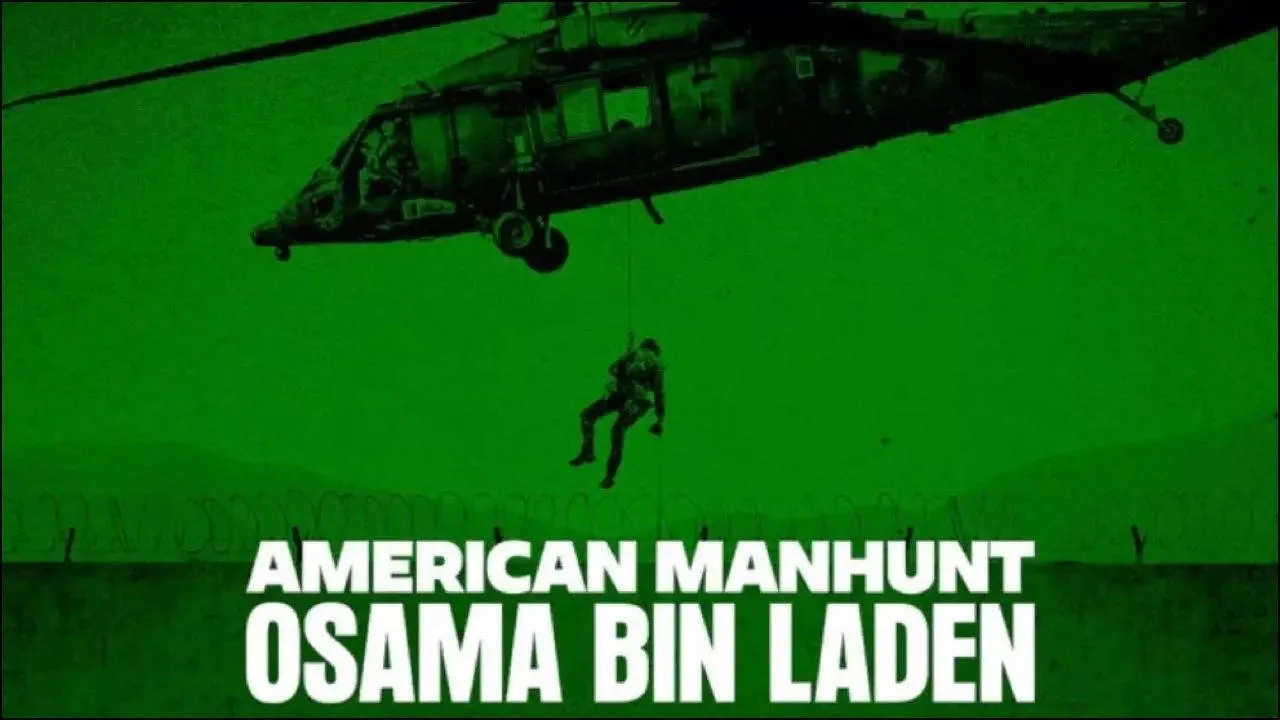

The three-part American Manhunt: Osama Bin Laden arrives at a moment when streaming platforms redefine how we revisit collective trauma. From the first frame—grainy street-level footage of Flight 11 striking the North Tower at 8:46 AM on September 11, 2001—the series thrusts us into a national shock that still reverberates today. Designers intercut that raw news feed with hushed CIA briefings, inviting viewers to consider how mediated imagery shapes public memory and fuels policy impulses.
Placed alongside its franchise siblings on Netflix, this installment shifts attention from domestic terror to the global machinery of intelligence, charting a course through Afghanistan’s mountain valleys and Washington’s corridors of power. It marries intimate talking-head interviews—voices of analysts, operatives and decision-makers—to animated regional maps and reconstructed field sessions. Pacing fluctuates between urgent, real-time suspense and measured, analytical segments, mirroring the tension between battlefield immediacy and bureaucratic delay.
By weaving archival dispatches with fresh reflections, the series interrogates how televised narratives both reflect and influence national priorities. In doing so, it reminds us that the search for a single man can illuminate broader questions of representation, authority and the stories we tell about justice on screen.
Foundations of a Manhunt
Before the first tower fell, a handful of CIA analysts pieced together fragmented intercepts hinting at an “imminent threat.” These same operatives appear on screen here, their recollections drawing a direct line from summer 2001 warning cables to the attacks that reshaped global priorities. By foregrounding their voices, the series prompts viewers to ask who determines when intelligence becomes action—and whose perspectives often remain sidelined.
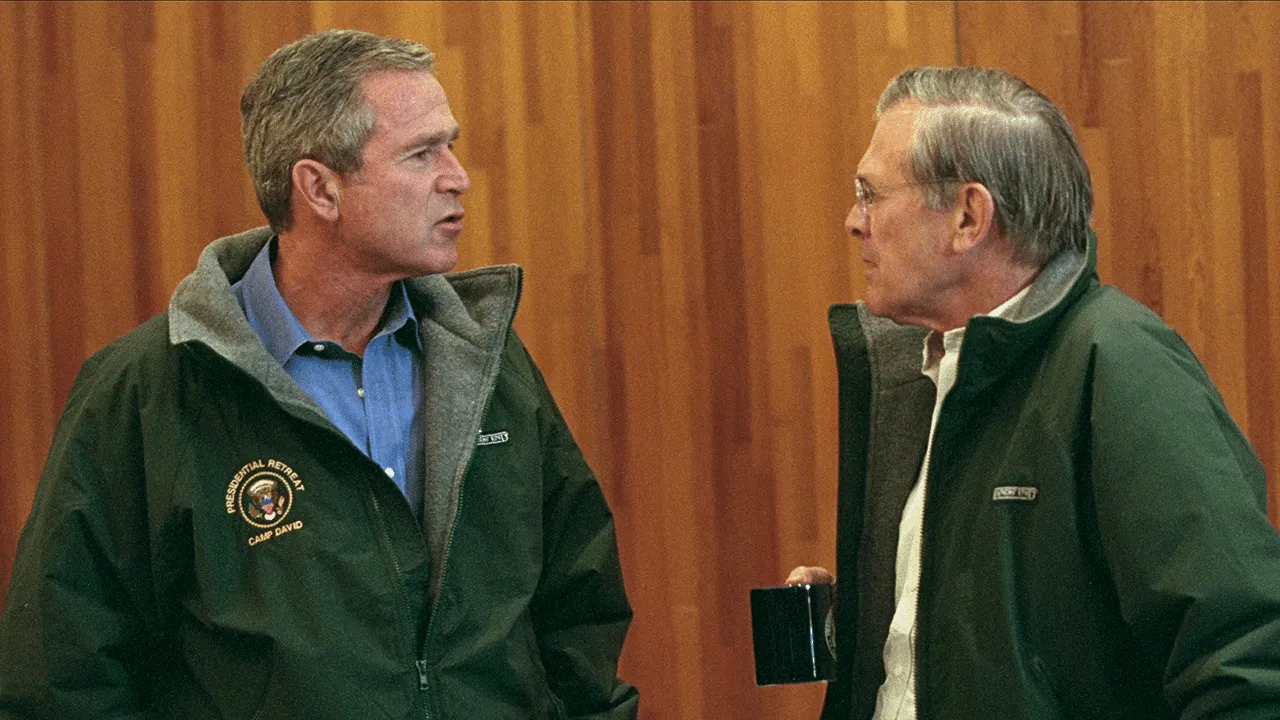
In the immediate aftermath of September 11, executive orders and hasty war plans raced to match public outrage. The camera cuts from a still-shocked nation to President Bush’s Oval Office consultations, underscoring how media-driven pressure can compress deliberation. When CIA director Cofer Black vowed to put “flies on Bin Laden’s eyeballs,” the declaration felt as much a performance for the home front as a real promise of results. That moment captures a tension between symbolic gestures and operational realities—one the series unfolds through contrasting archival footage and candid off-camera admissions.
Early missions relied on partnerships with Northern Alliance warlords: unconventional allies with their own agendas. The show captures these behind-the-scenes deals—helping viewers recognize how cultural misunderstandings and uneven power dynamics can shape conflict outcomes. Airstrikes pounded the mountain passes, yet without boots on the ground, targets slipped away. At Tora Bora, high-altitude bombardments clashed with narrow ravines, revealing a stark disconnect between technological faith and human terrain.
Scenes of generals debating troop levels in sterile Pentagon briefing rooms sit in sharp relief against handheld sequences of Afghan fighters navigating rocky valleys. That contrast raises questions about who carries the burden of strategy—and who bears its fallout. By revisiting these early chapters, the series exposes how choices made under duress continue to influence representations of security, sovereignty and the limits of force.
Episodic Tension and Streaming Dynamism
Episode One hurtles from hushed CIA intercept rooms to the streets of Lower Manhattan, stitching archival news feeds and expert interviews into a pulse-quickening opener. By opening with raw footage of Flight 11’s impact, the series establishes both urgency and emotional stakes. Cutaways to intelligence officials in mid-discussion underscore how close analysts came to anticipating the attacks—yet, the series wryly reminds us, hindsight is always sharper than the tools in hand.
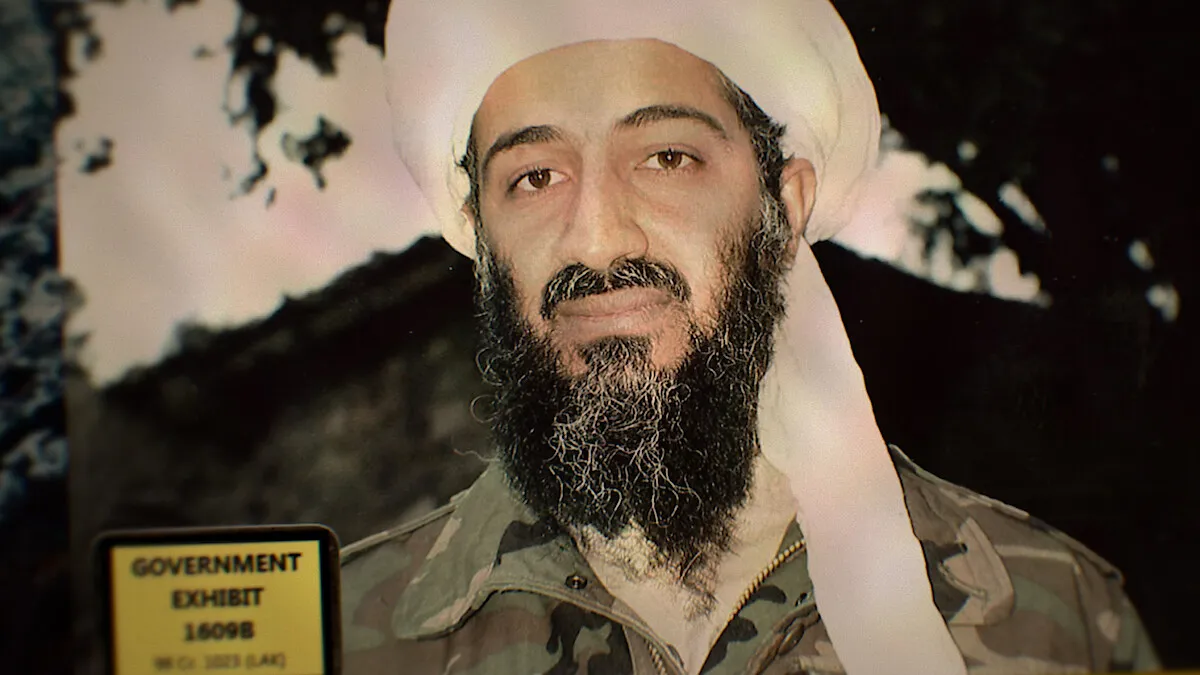
In Episode Two, the hunt fractures across continents. Viewers witness al-Qaeda’s franchising in Madrid and London, a shift from mountain-top pursuits to urban counterterrorism cells. This shift mirrors broader streaming trends: niche stories nesting within global narratives. Interviews with European security agents appear alongside animated route maps, offering a template for how documentaries can layer micro-level voices into macro-scale events. The pacing here slows just enough to let the ramifications sink in, then pivots back to high-stakes phone taps.
Episode Three detonates when a single phone call cracks the case. The courier’s patterns emerge from encrypted chatter, and suddenly, a compound in Abbottabad feels as exposed as a Netflix thriller’s final act. Inside a dimly lit SEAL briefing, hushed debates about rules of engagement become as gripping as any fictional drama. The series dares to treat classified strategy sessions like character studies—complete with the irony that real-life tension often outperforms scripted suspense.
Streaming’s appetite for bingeable tension shows in the cliffhangers at each episode’s close: one moment you’re tracing battlefield maps, the next you’re milliseconds from the raid’s helicopter descent. Explanatory deep dives alternate with pulse-pounding reenactments, keeping viewers oscillating between reflective pause and adrenaline rush—a structural choice that speaks to how modern audiences consume history.
Voices of Authority and the Craft of Recall
The series places CIA veterans like Cofer Black and Tracy Walder front and center, granting intimate access to those who shaped post-9/11 strategy. Black’s brash confidence contrasts with Walder’s measured recollections of early drone operations, revealing how individual backgrounds influence institutional choices. Their testimonies ground sweeping geopolitical narratives in personal stakes—a technique that humanizes complex operations while reminding viewers that policy begins with people.
Complementing these insiders are special forces operators who recount briefing-room deliberations and high-altitude insertions. Their candid moments—glancing at mission maps, adjusting gear, sharing quiet doubts—bring a sensory dimension often missing from text-heavy accounts. When one SEAL pauses mid-sentence to acknowledge the human cost behind classified directives, it undercuts any notion of sanitized warfare and underscores the series’ willingness to probe ethical gray zones.
Archival assets provide a structural backbone: night-vision footage of Tora Bora, grainy embassy surveillance, declassified cables flashing on screen. These elements carry emotional weight: seeing the Twin Towers’ shadow linger over intelligence analysts serves as a visual echo of collective trauma. At times, reporters’ live broadcasts feel eerily prophetic, as if the camera itself anticipated a decade of fallout.
Reenactments and graphics punctuate the narrative with clarity. Animated maps trace caravan routes from Pakistan’s border to Abbottabad, their color-coded paths evoking strategic puzzles. Briefing scenes—actors silhouetted against projected satellite images—tread a fine line between drama and documentary, spotlighting how visual flair can enhance analytical depth. A brief dramatized exchange about troop allocations injects a dash of dark humor, playfully acknowledging the absurdity of debating battlefield resources over coffee.
Throughout, the series’ voice misses few angles, though it remains firmly rooted in the U.S. viewpoint. Moments of questioning—“What if different choices had been made?”—offer glimmers of reflection, but rarely do we hear from Afghan partners or Pakistani officials. That selective framing highlights a trend in streaming documentaries: deep dives into domestic agency at the expense of fully global perspectives. Yet even this limitation speaks volumes about who gets to narrate modern history—and who remains off camera.
Visual Tension and Technical Artistry
Aerial sequences over Tora Bora’s jagged ridgelines and Abbottabad’s suburban sprawl offer both scale and intimacy. High-altitude drone footage drifts above rocky passes, then snaps to tight, handheld shots inside cramped safe houses. That interplay—vast landscapes versus enclosed interiors—underscores how distance and proximity shape our understanding of conflict.
Editing stitches together Washington strategy sessions with dusty field reports, cutting from stern-faced generals to operatives navigating rugged terrain. At times, a rapid-fire montage collapses years of intelligence gathering into moments of revelation: tattered courier photos, blinking satellite dots, urgent radio chatter. Elsewhere, lingering shots allow images to breathe, reminding us that each decision carried human weight beyond the map.
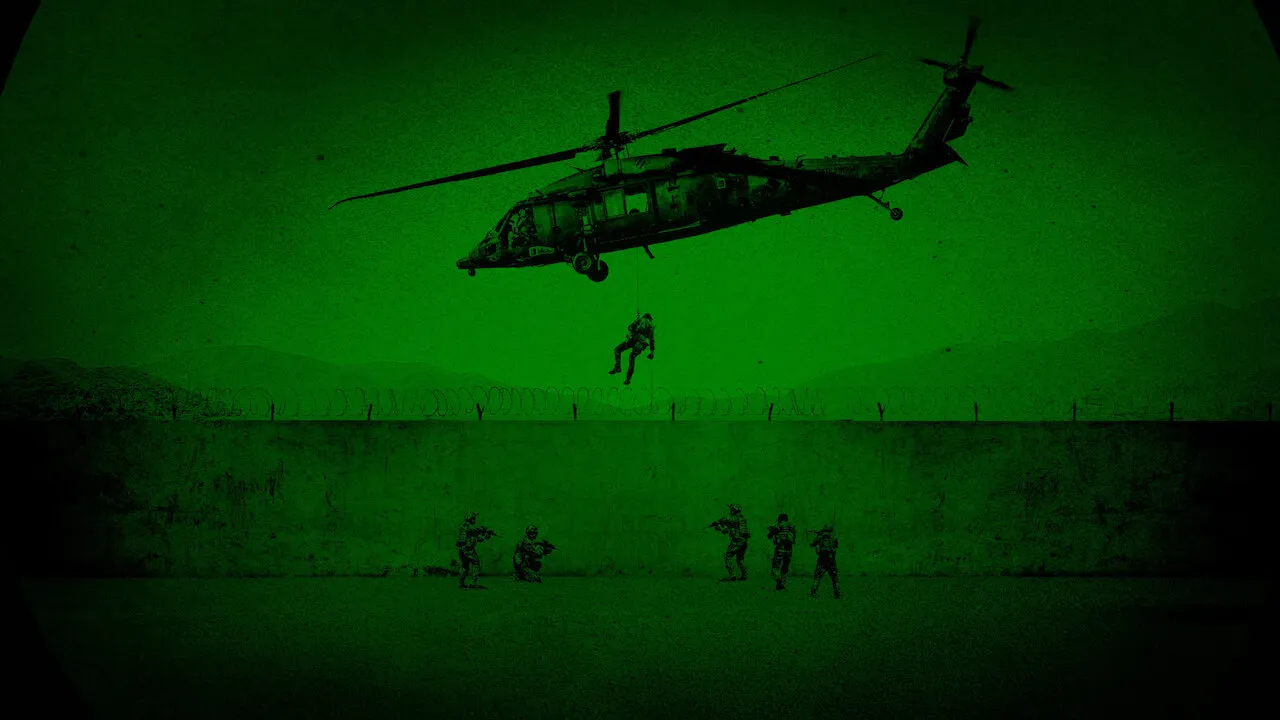
Sound design knits these images into a coherent atmosphere. Low-frequency drones hum beneath analysts’ interviews, hinting at unseen threats. Sporadic percussion keys build as briefing-room lights dim, pulling viewers toward a sense of impending action. Then silence falls—just before the SEAL helicopters breach compound walls—offering a collective inhale that magnifies every creak of gear and distant wind gust. Through these choices, the series treats production values as narrative tools, letting technique reflect the story’s stakes rather than overshadow it.
Ethics of Power and Collective Remembrance
The series frames a tug-of-war between CIA boldness and Pentagon restraint, spotlighting how interagency rivalries shape outcomes. When covert operatives call for ground troops at Tora Bora, their requests clash with defense department caution—a real-world reminder that hierarchy often trumps frontline urgency. Under Bush, risk tolerance skewed toward swift retaliation; under Obama, it shifted to surgical precision and political calculus. That contrast underscores how leadership style drives both strategy and public perception.
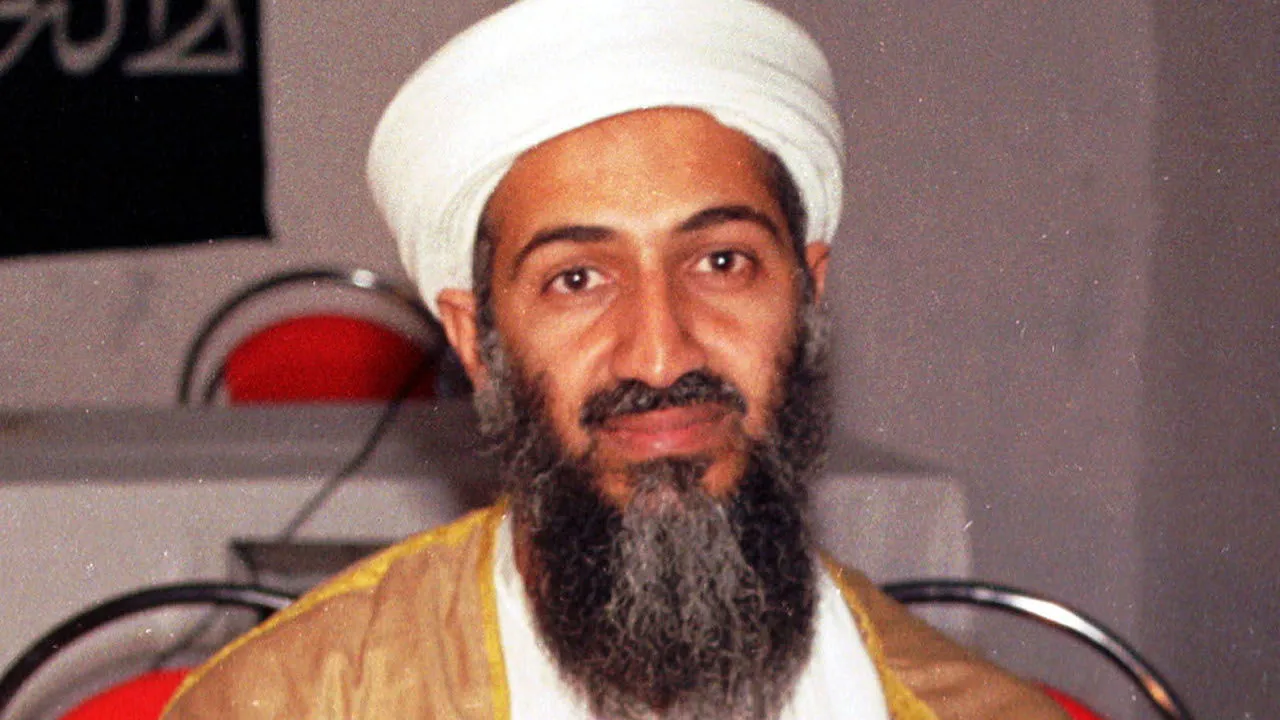
By casting the Abbottabad raid as a moral imperative, the series asks viewers to weigh justice against unintended costs. Dramatic reenactments of civilian villages scarred by airstrikes surface questions about proportionality. A brief interview with a logistics officer acknowledging collateral damage slips in a rare note of remorse—proof that even well-oiled operations carry human tolls.
Archival news montages return us to September 2001’s shattered calm, evoking national trauma that feels both distant and immediate. In its role as storyteller, the documentary becomes a curator of shared memory, shaping how a generation recalls fear and resolve. When the credits roll, lingering images of fallen towers and quiet war rooms remind us that televised history can keep collective anxieties alive—while inviting fresh discussion about how nations harness narrative to define their own security.
Peaks of Tension and Collective Memory
The opening 9/11 sequence drops viewers into the heart of chaos, layering on-the-ground footage with split-screen chatter between air traffic controllers and news anchors. It’s a sensory jolt that makes streaming history feel immediate, as if you’re scrolling live updates rather than watching a polished documentary.
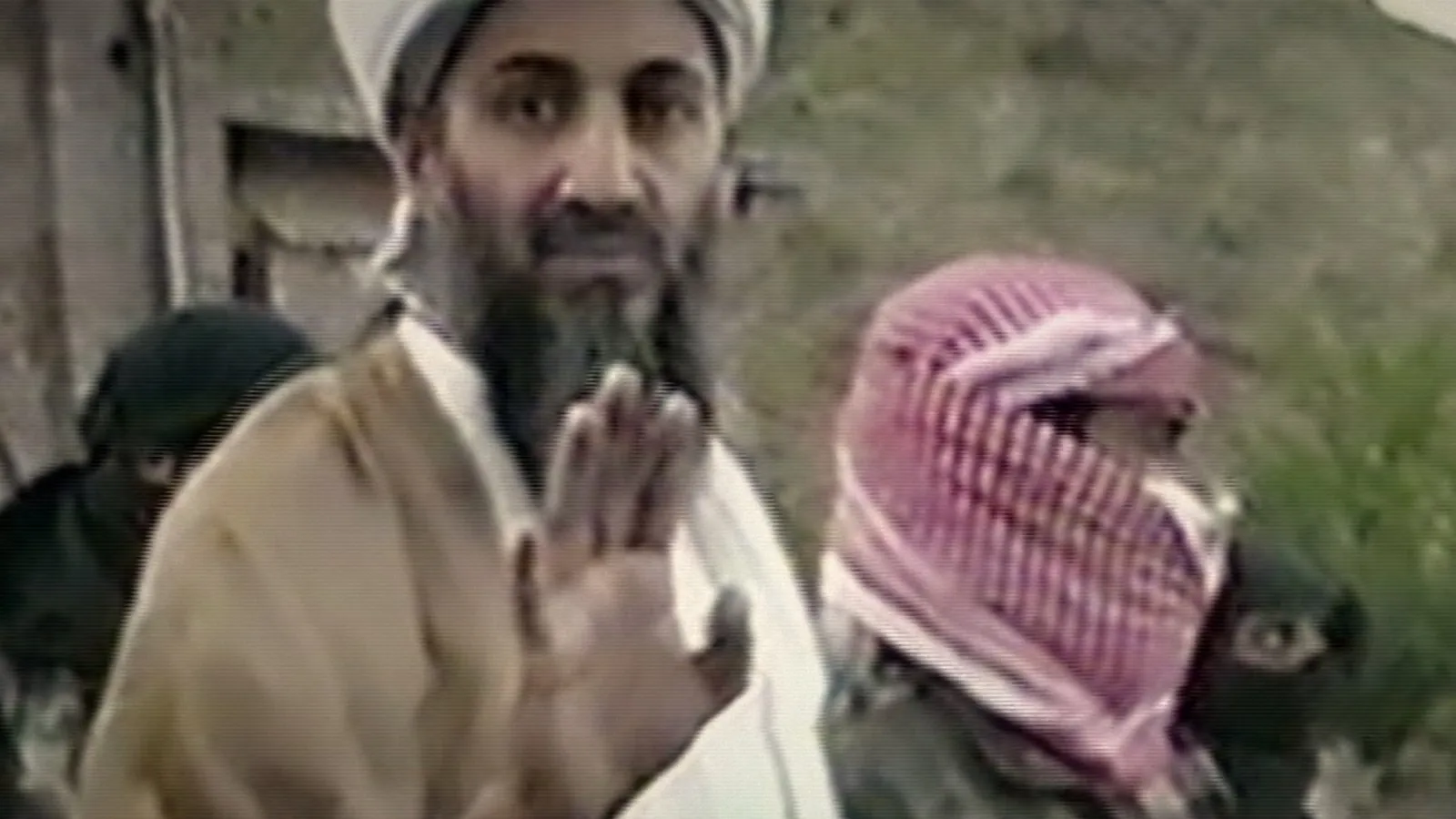
At Tora Bora, the series briefly slows to expose what might have been a decisive moment. Desolate mountain passes and empty foxholes stand in for missed opportunities, while voiceovers from field commanders emphasize how geography can upend even the best-laid plans.
Courier surveillance unfolds like a true-crime miniseries within the broader narrative. Every intercepted call and shadowy stakeout feels laced with possibility, guiding audiences through a detective story built on classified intel rather than forensic labs.
The SEAL Team Six raid sequence achieves cinematic suspense without drifting into Hollywood pastiche. Low-light cockpit views, pounding rotor blades, and rapid cuts between mission control and compound walls generate real-time anxiety. You almost expect a streaming “Next Episode” prompt at the cliffhanger moments.
In the aftermath, Bin Laden’s video release resurfaces as a grim reminder that history doesn’t rest. Archival footage of his 2002 address echoes over silent compound shots, suggesting that even victory carries a haunting resonance for collective memory.
Reverberations Beyond the Screen
The series excels at mapping a complex timeline into digestible acts. Precise timestamps anchor each stage of the hunt while insider interviews reveal how split-second judgments shaped history. That combination makes an otherwise sprawling narrative feel coherent and immediate. Production values remain consistently high: crisp editing preserves suspense, even though viewers know the endgame. When a SEAL operator recounts the mission’s final moments, the tension in their voice conveys stakes that no dramatization could match.
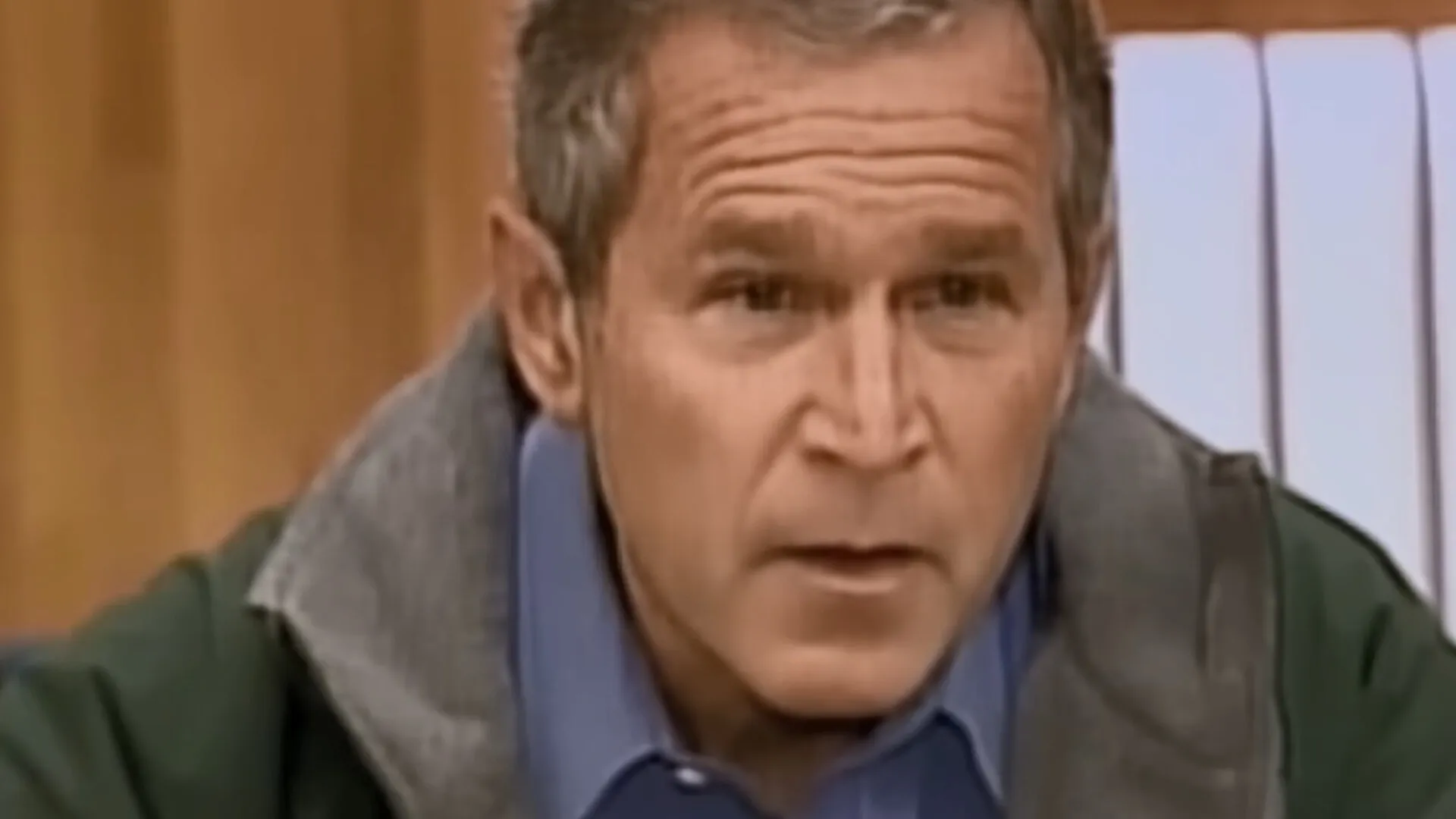
Yet notable gaps persist. The absence of Taliban perspectives or Pakistani officials narrows the lens, leaving regional context underexplored. Viewers curious about local reactions to uninvited incursions will find themselves in the margins. Similarly, the series skirts deeper analysis of post-raid geopolitics; questions about Abbottabad’s security or Pakistan’s internal debates receive only passing mentions. Those silences underline how documentaries can clarify events while overlooking ripple effects on neighboring societies.
Cultural resonance emerges in renewed interest toward intelligence-led storytelling. Since this franchise debuted, streaming platforms have embraced docuseries with embedded narratives, and American Manhunt confirms that appetite remains strong. It now sits alongside other high-profile counterterrorism projects, shaping an evolving genre where classified tactics meet personal testimony.
For audiences, this series offers a methodical reconstruction of one of the twenty-first century’s most pivotal operations. It also serves as a primer on the individuals whose names occupy sanitized files in national archives.
Writers aiming to build on this model might seek fresh narrative arcs—perhaps focusing on unsung regional voices or tracing the hunt’s long-term fallout. Pairing granular technical detail with human stakes, they can craft documentaries that honor both strategic complexity and lived experience.
The Review
American Manhunt: Osama bin Laden
American Manhunt reconstructs the decade-long pursuit with crisp precision and firsthand voices, turning declassified memos and field testimony into gripping drama. High-end production sustains suspense even with a known outcome, though the absence of local perspectives leaves gaps. As an exemplar of streaming-era docuseries, it invites deeper explorations of global impact, balancing strategic detail with human stakes.
PROS
- Precise reconstruction of events through clear timestamps
- Firsthand accounts lend emotional authenticity
- High production values maintain tension
- Effective use of archival footage and reenactments
CONS
- Absence of Taliban or Pakistani perspectives
- Limited insight into post-raid geopolitical fallout
- Narrow focus on U.S. decision-making