











![Kingdom Hearts Collection [I-III] Review](https://gazettely.com/wp-content/uploads/2026/10/Kingdom-Hearts-Collection-I-III-1-360x180.webp "Kingdom Hearts Collection [I-III] Review: KHII Holds Steady as Newer Entries Fluctuate 33")





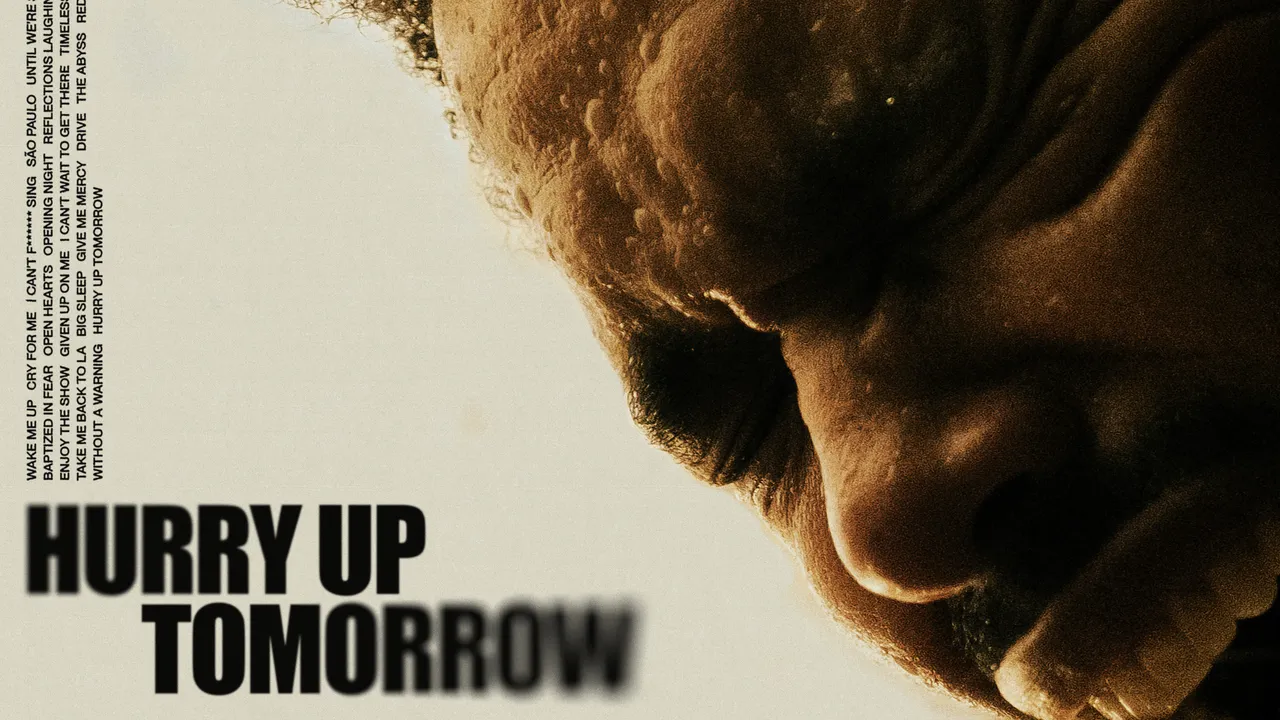

“Hurry Up Tomorrow” arrives not merely as a film, but as an elaborate cinematic companion to Abel Tesfaye’s latest musical offering. This structural choice, an increasingly familiar sight in the landscape of multimedia artistic statements, immediately poses the question of whether the narrative can stand independently of its sonic counterpart, or if it functions primarily as an extended visual treatise on the album’s themes. The ambition to craft a full feature from such origins is noted, a tightrope walk between artistic synergy and promotional extension.
At its center stands Tesfaye, portraying a character named Abel, a construct transparently mirroring his own public image as a world-famous musician. The story quickly establishes this figure at a precarious juncture, visibly strained by a confluence of personal heartache and the immense pressures of his professional life. We are introduced to an artist seemingly buckling under the weight of his own creation, a familiar narrative trope that the film appears keen to dissect, or perhaps, indulge.
From these initial sequences, a clear thematic trajectory emerges: the potent, almost desperate, yearning for a kind of annihilation of the self, or at least, of the carefully constructed persona known to millions. The film wastes little time signaling its intent to chart a path toward some form of personal or artistic rebirth, a cinematic shedding of skin that audiences have seen artists attempt, with varying degrees of narrative success, many times before.
The Anatomy of an On-Screen Implosion
The film immediately plunges into the depths of Abel’s psychological distress, painting a portrait of an individual consumed by anxiety and a distinct pattern of self-sabotage. Much of his current anguish is tethered to a recent, evidently bitter, separation. This backstory is economically delivered through a series of one-sided voicemails from an absent ex-partner – a narrative mechanism that efficiently sketches past hurt, leaving her an unseen yet palpable influence on Abel’s unravelling state. The character’s pervasive hopelessness is thus established, less through exposition and more through these fragmented echoes of a failed relationship.
Parallel to this personal grief, the narrative methodically lays out the intense pressures of Abel’s life as a global music phenomenon. The demands of an ongoing international tour are depicted as a relentless gauntlet, chipping away at his already fragile mental equilibrium. While the “burden of celebrity” is hardly uncharted territory in cinema, the film attempts to ground these pressures in specific manifestations of Abel’s deteriorating resilience, showing the cracks forming under the edifice of stardom rather than just gesturing towards them.
The screenplay introduces a physical manifestation of this internal turmoil: Abel’s struggling vocal cords. This ailment functions as a rather direct, perhaps unsubtle, symbol for his broader artistic and personal crisis. The idea of an artist literally losing their creative instrument is a potent one, and here it serves as the narrative’s central metaphor for a man on the verge of a complete breakdown, his very essence as a performer under threat.
In response to these mounting pressures, Abel’s coping mechanisms are shown to be both destructive and deeply isolating. The film charts his increasing reliance on mood-altering substances and transient, impersonal encounters as forms of temporary escape. These sequences highlight a stark paradox: the profound solitude experienced by an individual constantly surrounded by the apparatus of fame, a depiction that underscores the character’s inability to find genuine connection amidst the chaos of his existence.
The Cast of Crisis: Supporting Figures in Abel’s Orbit
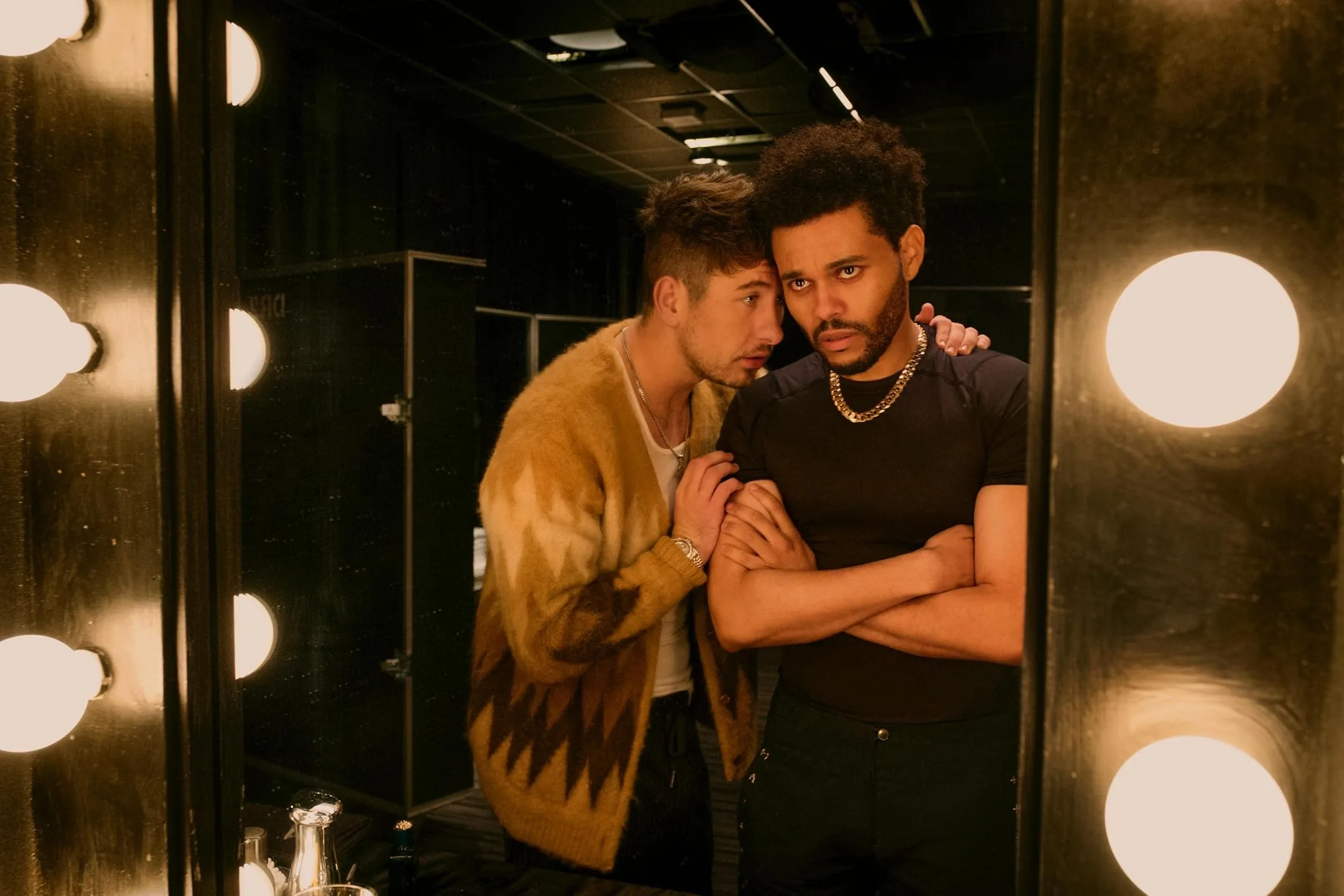
Abel’s descent is not a solitary journey; several key figures orbit his crisis, each shaping its trajectory. Barry Keoghan’s Lee, the ever-present manager and ostensible friend, operates in that familiar narrative space of the ambivalent confidant.
His pronouncements, such as the assertion to Abel, “You’re not human!”, neatly encapsulate the character’s dual role: part hype man propping up a fragile superstar ego, part enabler of the very lifestyle corroding his client. Keoghan navigates this precarious balance with a compelling energy, suggesting layers of codependency and perhaps genuine, if misguided, care beneath the manipulative surface often required by his profession.
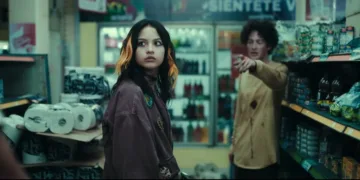
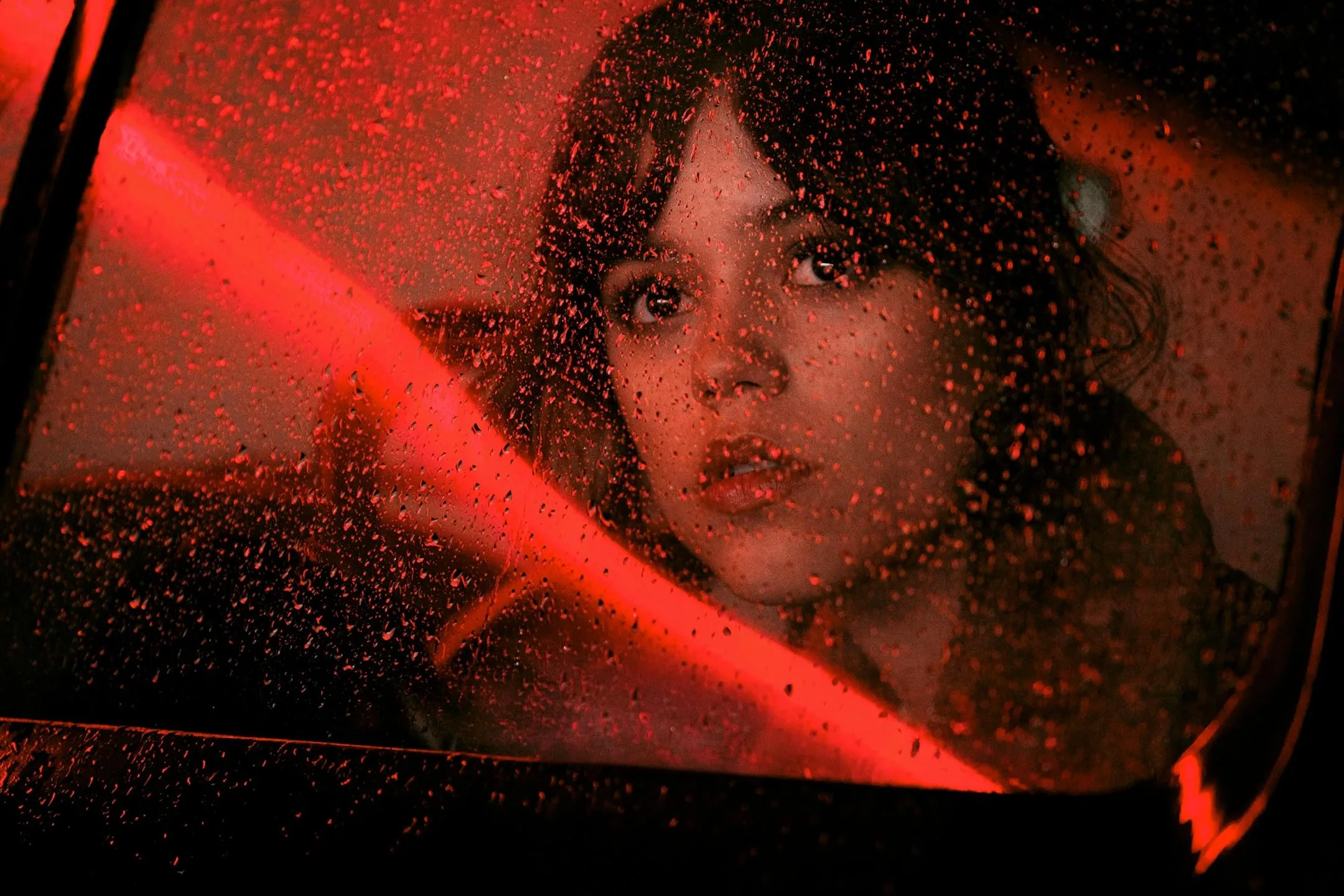
Then there is Anima, brought to vivid, almost feral life by Jenna Ortega. Her introduction is anything but subtle – an act of fiery destruction that immediately positions her as a significant, unpredictable force. Identified as an ardent fan, her very name, ‘Anima,’ serves as a rather direct signpost from the screenwriters towards a Jungian interpretation, presumably the feminine counterpoint to Abel’s fractured masculine psyche. Ortega tears into the role with an electrifying intensity that often commands the screen, tasked with embodying both the adoring devotee and a far more dangerous, obsessive element that becomes central to the film’s later shifts.
Finally, the ex-girlfriend, voiced by Riley Keough, exists solely as a disembodied presence through a series of pivotal voicemail messages. This narrative strategy is an economical one, establishing the profound depth of Abel’s initial heartbreak and hinting at his past transgressions (“A good person wouldn’t have done that to someone they love”) without requiring extensive flashback or a fully fleshed-out secondary storyline.
She remains an abstraction, a catalyst for Abel’s turmoil, which effectively keeps the narrative lens tightly focused on his internal experience, though one might argue it also simplifies the emotional landscape he navigates.
Convergence and Captivity: The Narrative’s Sharp Turns
The story pivots decisively with Abel’s on-stage vocal collapse, a public failure that serves as the primary catalyst for the ensuing narrative. This dramatic implosion during a packed arena concert propels him from the familiar confines of his troubled stardom into a more unpredictable chain of events. It’s the narrative trigger that effectively ends the film’s initial movement of internal suffering and launches Abel into direct, reactive conflict.

His flight from the stadium leads directly to an encounter with Anima, the fan previously glimpsed in the crowd. Their initial interactions are structured to offer a brief, almost dreamlike respite for Abel – a night of shared anonymity involving amusement park rides and a seemingly spontaneous connection. This sequence functions as a narrative lull, a deceptive calm before the story veers sharply, allowing both the protagonist and the audience a fleeting sense of escape before the true nature of the encounter unfolds.
That turn occurs within the confines of a hotel room, where Anima’s unsettling possessiveness rapidly surfaces, transforming the dynamic from one of mutual solace to that of captor and captive. The film here shifts gears, steering into the territory of a psychological thriller. Abel, seeking refuge, instead finds himself ensnared, his brief escape culminating in a far more literal and menacing form of confinement, a development that, while startling, feels somewhat telegraphed by Anima’s earlier unsettling introduction.
The climax of this entrapment involves Anima delivering lengthy, impassioned deconstructions of Abel’s own songs, explaining their meaning back to their creator. This confrontational exegesis is the film’s most direct exploration of the intense, sometimes perilous, bond between artist and admirer. The parallels to obsessive fan narratives are stark and deliberate, as Anima embodies the fan who takes appreciative interpretation into the realm of prescriptive, even threatening, ownership of the art and, by extension, the artist.
Interrogating Intent: The Film’s Thematic Architecture
Beneath its thriller mechanics, “Hurry Up Tomorrow” grapples with several weighty themes, central among them the well-documented perils of modern celebrity. The narrative attempts to depict the inherent loneliness and severe psychological toll that accompany global icon status, highlighting the stark dichotomy between Lee’s characterization of Abel as a “supernatural being” and the evidently fragile human beneath the facade. The film endeavors to show, not just tell, how this existence can become a dehumanizing experience, isolating the individual within the gilded cage of their fame.
Recurrent motifs of self-destruction and subsequent rebirth are woven throughout the narrative structure. Anima’s literal pyromania finds a thematic echo in Abel’s apparent desire to incinerate his established “The Weeknd” persona. The film posits this drive towards symbolic annihilation as a necessary precursor to new artistic expression, a fiery baptism from which a different self might emerge. Whether this journey towards reinvention feels earned or remains a somewhat nebulous artistic aspiration is a central question the narrative poses.
The film also delves into the intricate, often fraught, relationship between an artist and their audience. This exploration is most overtly staged in the confrontational scenes where Anima dissects Abel’s work, laying bare the sometimes-uncomfortable truth that art drawn from personal experience can be claimed, interpreted, and occasionally distorted by its consumers. The script probes the porous boundary where fan adoration can become a controlling, even menacing, force, questioning the nature of creative ownership once art is released into the world.
Ultimately, one cannot escape the sense that “Hurry Up Tomorrow” functions as a form of cinematic confessional for its co-writer and star. It appears deeply rooted in a personal inventory of regret and an examination of the consequences of past actions, framed within the unique pressures of a life lived in the public eye. The film walks a precarious tightrope between raw, vulnerable self-portrayal and the potential for unchecked artistic self-indulgence, striving to make a statement on fame, artifice, and the elusive search for authenticity in a highly mediated world.
Aesthetics of Agony: Crafting the Film’s Sensory World
Director Trey Edward Shults brings his characteristic preference for visceral, emotionally charged visual storytelling to “Hurry Up Tomorrow.” He cultivates a distinctly unsettling and immersive atmosphere, leaning into an arthouse sensibility that aims to plunge the viewer directly into Abel’s fractured psychological state. The success of this approach hinges on whether the crafted mood amplifies the narrative or occasionally overwhelms it with stylistic intensity.
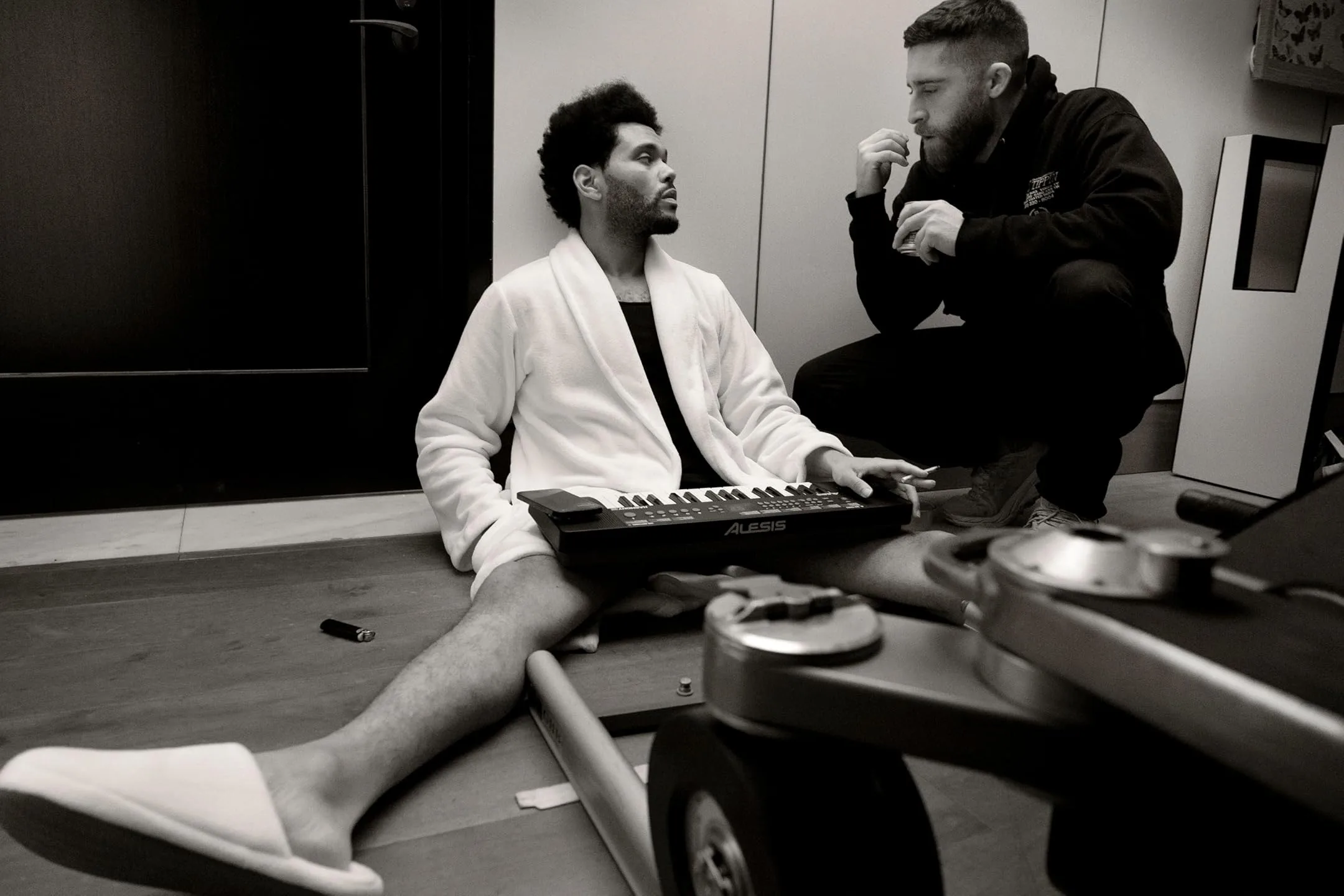
The film’s visual grammar, lensed by Chayse Irvin, significantly contributes to this experience. Shot on 35mm film, it possesses a specific textural quality, while shifting aspect ratios and relentlessly dynamic camerawork – including disorienting spins and invasive close-ups – attempt to mirror Abel’s turmoil. Saturated colors, deep shadows, and stark lighting further construct an often dreamlike, sometimes nightmarish, visual field, though one might question if the kinetic style at times becomes an exhausting end in itself.
Sonically, Daniel Lopatin’s score provides an ominous, synth-heavy undercurrent that effectively underscores the psychological tension. The Weeknd’s own music is, unsurprisingly, a prominent feature, functioning diegetically in concert sequences, as background texture, and quite centrally during Anima’s analytical monologues. This integration can be potent, but also risks pulling focus towards the album it accompanies, blurring the line between narrative device and promotional showcase.
The editing mirrors the film’s agitated core, often employing a hypnotic, even overwhelming, barrage of images, lights, and rapid cuts intended to reflect Abel’s inner chaos. However, this stylistic choice contributes to a narrative pacing that is decidedly a slow burn, potentially testing viewer endurance before the more overtly dramatic confrontations arrive. The key question remains whether these combined technical components ultimately cohere to effectively serve the film’s ambitious thematic and narrative goals, or if the stylistic flourishes sometimes obscure the intended substance.
Hurry Up Tomorrow premiered in theaters on May 16, 2025, distributed by Lionsgate Films.
Full Credits
Director: Trey Edward Shults
Writers: Trey Edward Shults, Abel “The Weeknd” Tesfaye, Reza Fahim
Producers: Abel Tesfaye, Reza Fahim, Kevin Turen, Harrison Kreiss
Executive Producers: Trey Edward Shults, Jenna Ortega, Michael Rapino, Harrison Huffman, Ryan Kroft, Wassim “Sal” Slaiby
Cast: Abel Tesfaye, Jenna Ortega, Barry Keoghan, Riley Keough (voice)
Director of Photography (Cinematographer): Chayse Irvin
Editor: Trey Edward Shults
Composers: Abel Tesfaye, Daniel Lopatin
The Review
Hurry Up Tomorrow
"Hurry Up Tomorrow" presents a visually arresting, often aurally potent exploration of an artist's psyche, carried by some committed performances. Yet, its ambitious narrative frequently grapples with self-indulgence and a thematic reach that exceeds its grasp. While the technical craft is notable, the intended profundity often feels asserted rather than fully realized, resulting in a stylistically bold but ultimately uneven cinematic statement.
PROS
- Striking visual style and immersive, unsettling atmosphere.
- Strong, committed performances from key supporting actors (Keoghan, Ortega).
- Potent sound design and an effective, mood-setting score.
- Ambitious artistic concept attempting to tackle weighty themes.
CONS
- Narrative often struggles with coherence, pacing issues, and self-indulgence.
- Thematic insights can feel asserted rather than organically earned or deeply explored.
- Stylistic flourishes, while often impressive, occasionally overshadow narrative substance.
- The line between cinematic art and promotional material for the accompanying album can feel blurred.