


















![Kingdom Hearts Collection [I-III] Review](https://gazettely.com/wp-content/uploads/2026/10/Kingdom-Hearts-Collection-I-III-1-360x180.webp "Kingdom Hearts Collection [I-III] Review: KHII Holds Steady as Newer Entries Fluctuate 33")





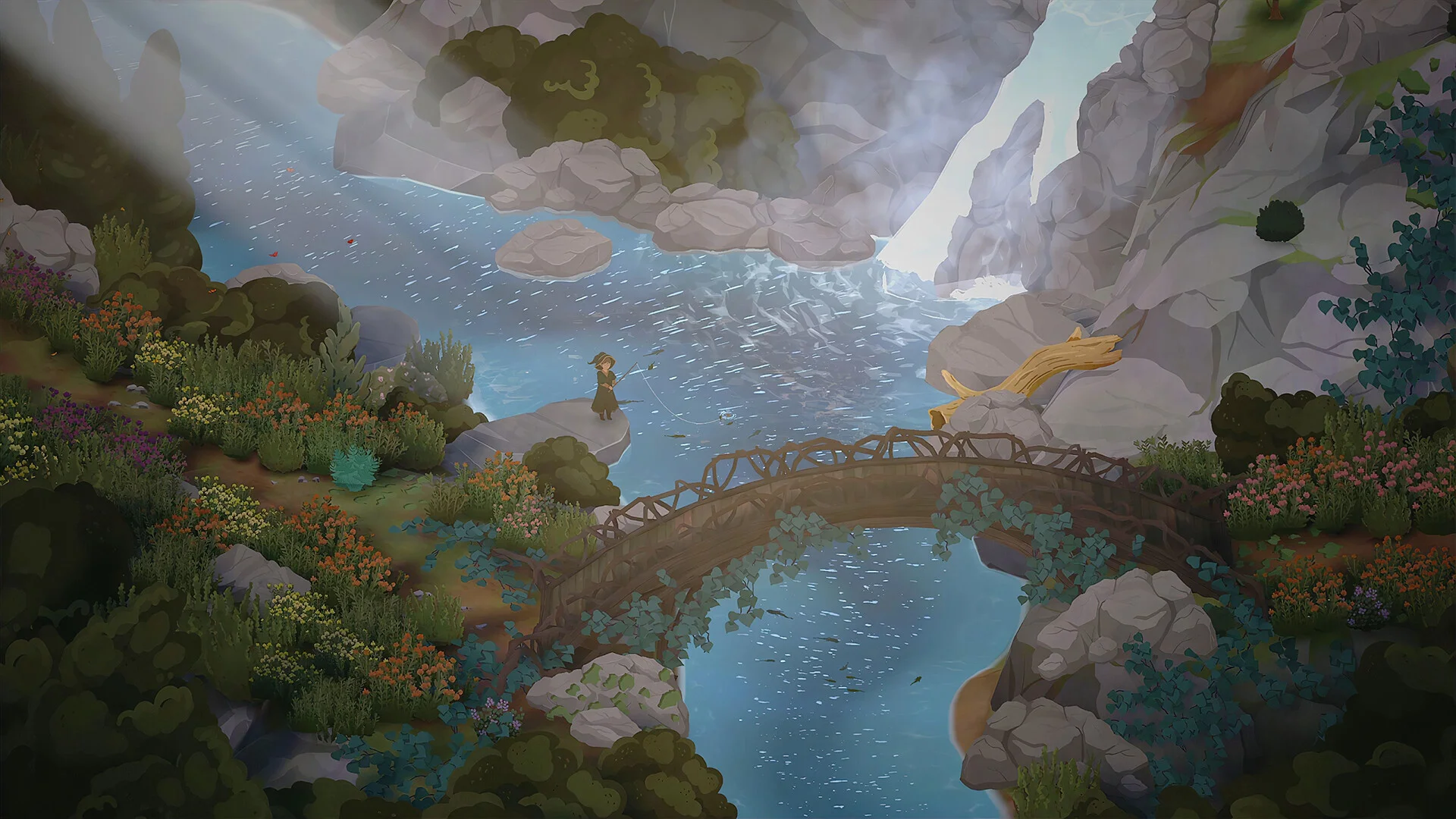

Stardew Valley teaches you to fit your ambitions around the clock. Crops, errands, and conversations compete for the same day, and getting home becomes part of the calculation. Songs of Glimmerwick makes a different arrangement: when a required class or gathering arrives, the clock waits until you attend. You can finish what you were doing without forfeiting the appointment. For a game set at The Etchery School of Magic and Melody, that changes the familiar life-sim routine considerably. The timetable provides things to anticipate without making punctuality another resource to manage.
The restrictions move elsewhere. Your customizable newcomer has a mana supply to spend on musical spells, so an open afternoon does not mean unlimited magical labor. Plants still take days to mature, dry out, and attract pests. Staying awake late, however, does not end in collapse. These choices leave room to arrange garden work around lessons and excursions rather than arrange everything around bedtime. NPCs retain their daily routines, shops change with the day, and darkness arrives. The island keeps its rhythm while giving the player latitude within it.
Eastshade Studios makes the academy useful through the relationship between instruction and activity. A flute supplied by a forest craftsman becomes your means of casting spells. Learning a song involves keyboard inputs timed to music, with Guitar Hero providing a recognizable comparison for the basic exercise. Once mastered, the spell can be cast with a click. That separation matters. Learning asks for participation, while ordinary use stays convenient; every spell does not become another performance test. With no traditional combat, these lessons supply much of the anticipation that acquiring a new attack might provide elsewhere.
Their applications give that anticipation substance. Rain helps crops, and enchanted tools carry out work that would otherwise demand repeated manual actions. A floating tool is an entertaining expression of the fantasy, but its practical value lies in releasing time for the rest of school life.
Mana still determines how much work you can delegate, and exhausting it does not let you pick up the tools and continue by hand. Compared with Stardew Valley’s emphasis on carrying out farm work yourself, Glimmerwick puts greater emphasis on acquiring the knowledge that changes how work happens.
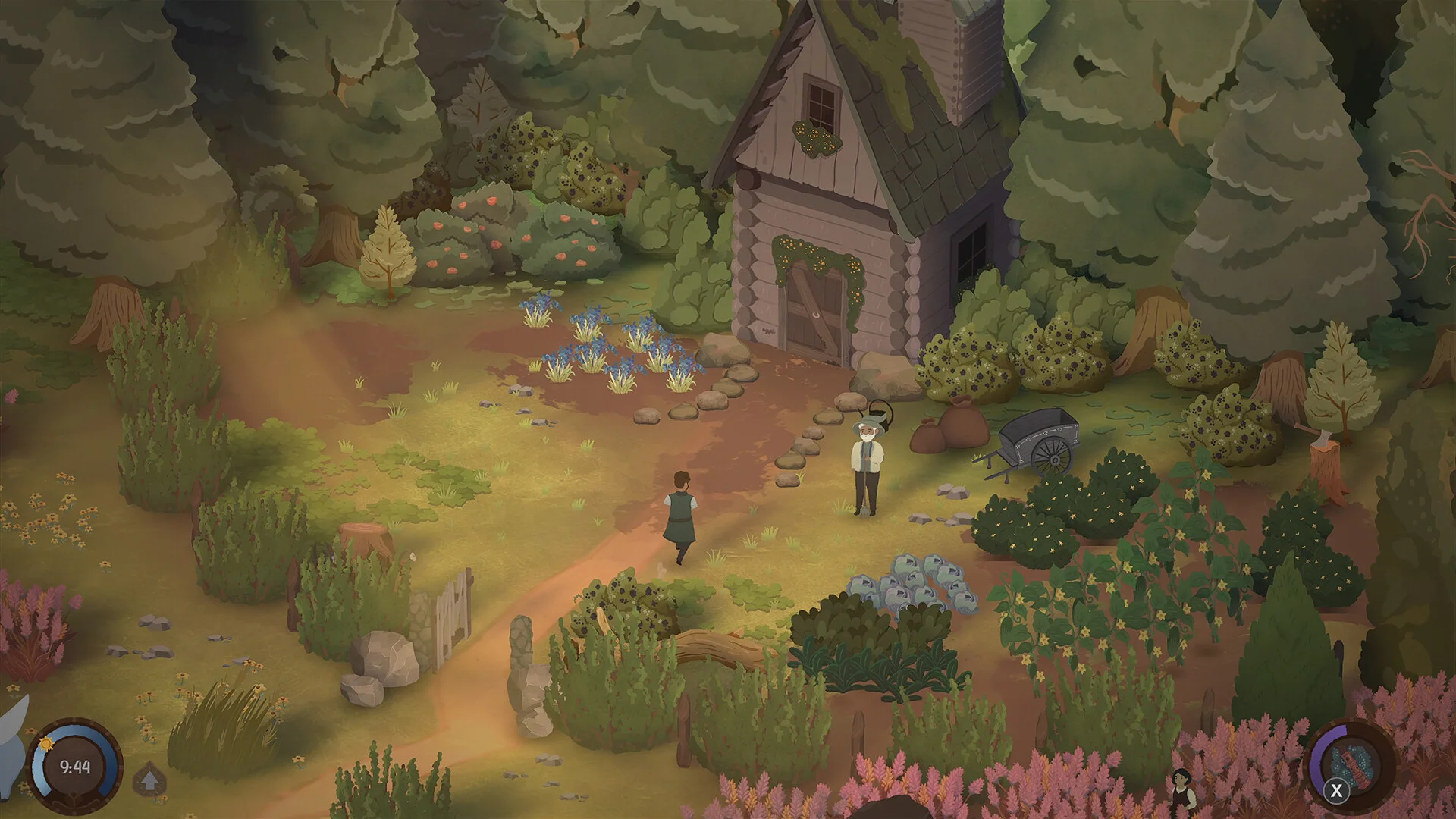
The garden suits that supporting role. Seeds obtained from shops or the environment, growth spread across several days, and potions that accelerate the process offer enough decisions to make cultivation worth returning to. Decorations give the space a personal purpose alongside its practical one.
This is a school adventure with a garden to develop, so demanding the agricultural depth of a dedicated farming game would miss its priorities. Its teaching can still be clearer. The early assignment to grow basil for the dean’s turtle runs into planting icons that make it unnecessarily easy to dig an oversized plot.
Potion lessons introduce a sharper problem. Ingredients must be aimed into cauldrons in the correct quantities, with enough successful mixtures produced before a timer expires. Add too much and that cauldron has to empty and refill, costing time while the exercise continues.
The calendar’s generosity does little to help inside this particular classroom. There are difficulty adjustments and unlimited retries without penalties, both welcome provisions. Still, repeated attempts do not necessarily make aiming easier for someone who struggles with precise movements. Here, practical study demands a kind of dexterity that the surrounding routines largely avoid.
The curriculum gains narrative weight from the world’s recent history. The Cult of Silence restricted music and its magic to powerful witches; the school exists in a society where those practices can be taught openly again. Learning to make rain has a useful consequence in the garden and a place in that recovery. The premise gives ordinary lessons significance without requiring every class to become a history lecture. It also offers Glimmerwick a specific reason for making music its organizing idea: songs belong to the world’s past, its education, and its everyday labor.
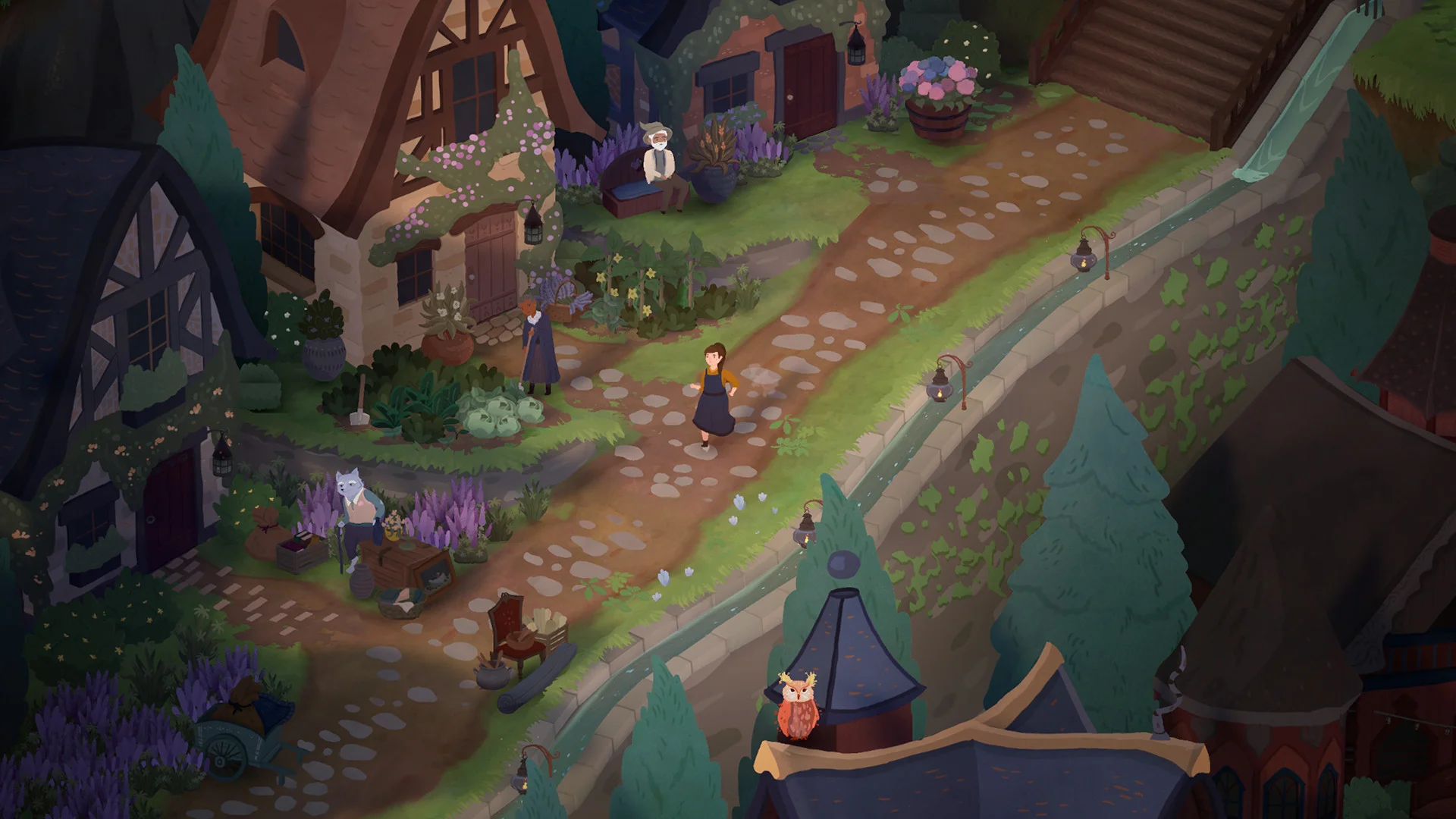
Everyday behavior makes that world approachable. The dragon statue welcoming newcomers forgets its prepared greeting, introducing the academy through an imperfect host rather than a solemn proclamation. Crystal balls serve as communication devices, and a witch playing a game on one makes the technology immediately familiar.
Merfolk and ghosts share the setting with students who have different interests in herbalism and potion-making. Their unusual identities sit alongside recognizable school concerns. English voice work extends to minor residents, and changing conversation topics encourage return visits even before a person becomes important to a quest.
The visual and sound design support those encounters through a consistent woodland setting. Plants and roots encroach on architecture, placing the school inside its environment, while the soft colors and hand-drawn appearance give buildings and inhabitants a storybook character.
Folk-styled music accompanies that visual language. Rain and crickets make outdoor spaces audible between conversations, so sound continues to describe the place when nobody is explaining it. Musical spellcasting belongs comfortably within this presentation: the flute’s usefulness grows out of a setting already attentive to natural sounds and songs.
Progression extends the school routine outward. New abilities open routes, secret passages enlarge the accessible world, and conversations or new days bring further quests. Objectives overlap, allowing one outing to serve several purposes instead of producing a succession of isolated errands.
Seasonal changes give familiar locations fresh practical interest through different crops, seed supplies, wildlife, and school activities. Stardew Valley players will recognize the pleasure of returning to an altered landscape; Glimmerwick ties that pleasure to an expanding education, with learned abilities changing where the student can go.
That expansion also exposes some friction. Conversational clues can reward attention, but routes are not always clear on the map, and repeated crossings become less appealing once discovery gives way to backtracking. The interface creates a smaller version of the same interruption: recipes cannot be pinned onscreen, so practical work requires returning to the Tab menu to check them. Neither problem creates the deadline anxiety the calendar carefully removes. They do consume the time a player has available outside the game. A class can wait indefinitely; during a short session, walking across familiar ground may still leave little room to attend it.
The Review
Songs of Glimmerwick
Songs of Glimmerwick gives Stardew Valley’s familiar daily routine a convincing academic purpose. Classes teach songs that change how you work and explore, while the forgiving calendar leaves room to enjoy the community surrounding them. Its woodland presentation and musical history make the academy worth getting to know. Potion training’s precision demands, unclear planting icons, and repeated travel interrupt that ease, but the connection between learning and everyday activity gives this school adventure a clear identity.
PROS
- Forgiving scheduling lets lessons and exploration coexist.
- Musical spells make education practically useful.
- Everyday character behavior gives the academy personality.
- Woodland art and sound support a cohesive setting.
- Seasonal changes and new abilities sustain discovery.
CONS
- Timed potion aiming can frustrate players with movement difficulties.
- Unclear planting icons weaken the early gardening lesson.
- Repeated crossings and unclear routes consume session time.
- Unpinnable recipes require repeated menu checks.