





















Twenty-one episodes sounds like a substantial commitment until the credits begin arriving after ten minutes. Coven Academy, created by Tim Federle and originally intended for Disney Channel, brings a supernatural teen serial to Freeform, Disney+, and Hulu in unusually small portions. Installments run approximately ten to twenty-two minutes, with cliffhangers repeatedly inviting another click. The mysteries make that invitation attractive. The credit breaks make accepting it oddly cumbersome. Television has found a way to shorten the episode while preserving the interruption.
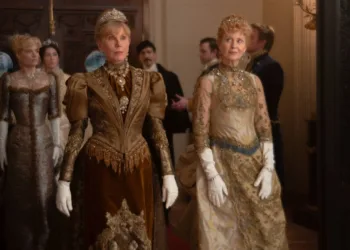
The audience invitation reaches across generations, too. An Olivia Rodrigo song and an early vampire attack place contemporary pop familiarity beside danger, while Tiffani Thiessen and Devon Sawa occupy the school’s adult leadership. Casting former teen stars as the people teenagers must now distrust gives the familiar supernatural boarding-school setup a useful extra charge.
It also suggests an accessible meeting point for younger viewers and adults with attachments to earlier teen entertainment. The show’s packaging is quite fluent in recognition; its challenge is giving those recognizable elements enough time to become relationships.
Briar Roberts, played by Malina Weissman, arrives in New Orleans believing that Crescent Veil Academy is a school for troubled girls. Her mother has been murdered, her father has sent her away from Brooklyn, and discovering she is a witch hardly simplifies the adjustment. The short chapters deliver these upheavals efficiently, but efficiency has an emotional cost when each fresh piece of information demands immediate attention.
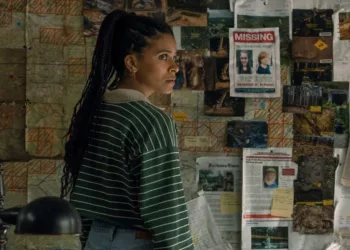
Episodes eleven and twelve, “The Night It Happened” and “Between Worlds,” deepen the murder mystery through important revelations. Their position within the serial gives the investigation forward movement; the frequent stops around that movement can make inhabiting Briar’s grief harder than following her search.
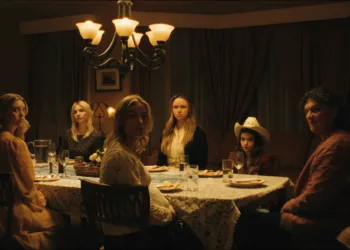
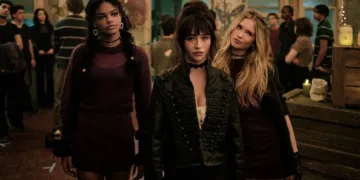
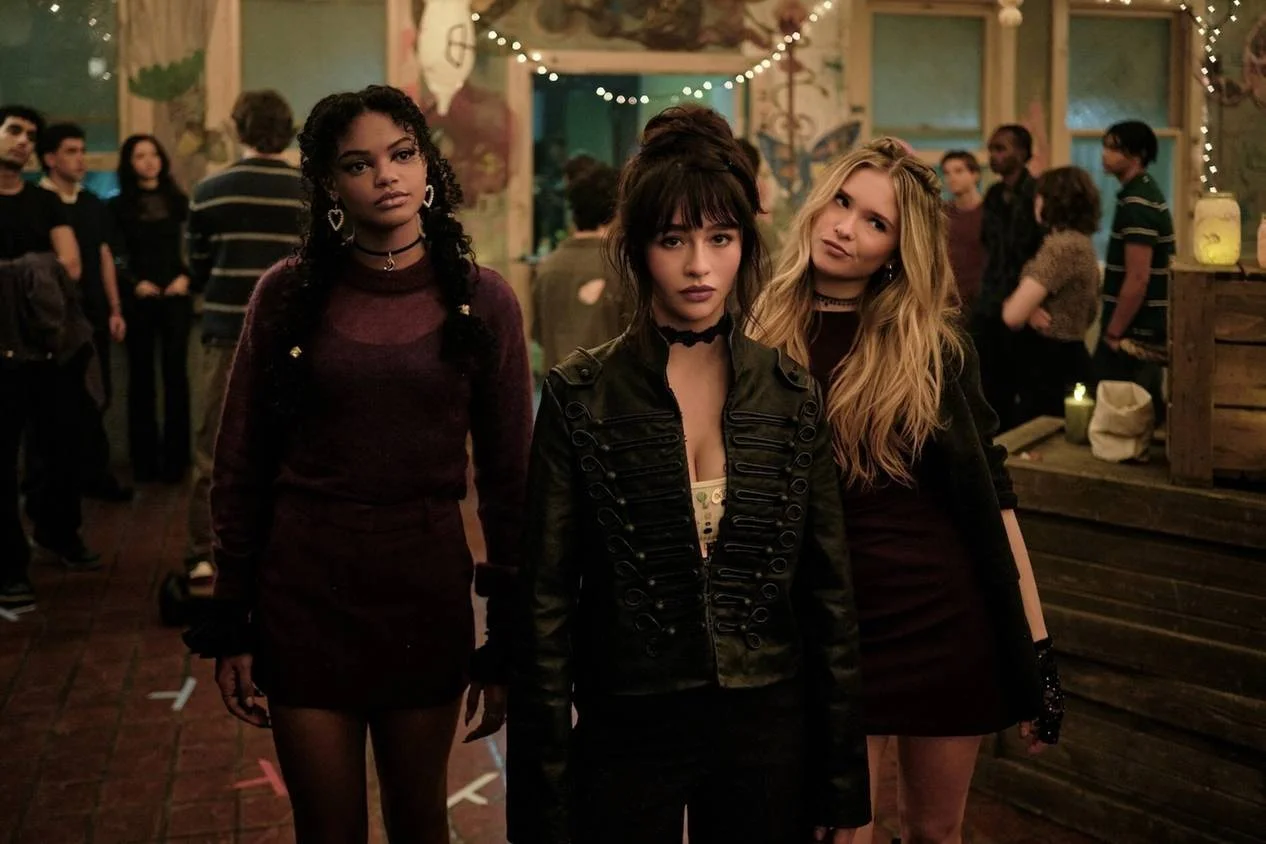
The friendship between Briar, Sasha, and Tegan provides a steadier reason to stay. Sasha, an empath played by Jordan Leftwich, senses that Briar is concealing something and resists her arrival within an existing friendship. That resistance is sensible: being told to form a coven does not supply the trust required to sustain one.
Tegan, played by Ora Duplass, is quicker to offer help, leading Briar through a secret entrance to safety. Between Sasha’s caution and Tegan’s welcome, the series allows female solidarity to develop through incompatible responses to the same newcomer. Briar’s guardedness creates friction without making either friend responsible for curing it.
Magic gives that friction practical consequences. Briar’s powers respond erratically to emotion, while the coven’s cooperation depends on honesty and unity. When she opens up about her mother’s death, disclosure changes what the girls can attempt together. Summoning the dead and using Tegan’s temporal abilities to revisit the murder night turn mutual reliance into action.
Weissman and Leftwich’s guarded characters give Duplass’s playful mediation something to work against. Their chemistry makes the supernatural requirement for unity feel like an extension of a relationship, though the premise risks treating disagreement as a malfunction. Sasha’s doubts are valuable precisely because friendship needs room for judgment alongside loyalty.
The trio’s dramatic attention is less evenly developed than its magical cooperation. Tegan supplies refuge, mediation, and an extraordinary means of investigating the past, yet her own personal history remains thinner than Briar’s bereavement and Sasha’s family wounds. Her usefulness is firmly established.
Her life outside that usefulness is harder to see. This matters in a series selling the strength of three girls together: the warmest member of the group can become the person who makes everyone else’s development possible. Duplass keeps her engaging, but charm cannot supply the missing independent history.
Crescent Veil’s adults practice a very different version of honesty. Headmistress Emma Graves knows about Briar’s anger and her mother, yet redirects questions toward mastering her craft. The institution requires a vulnerable teenager to become responsible while restricting the information she needs to understand her situation.
Thiessen’s headmistress sits within that contradiction, offering authority whose protective purpose is difficult for Briar to separate from obstruction. The earlier coven linking Mary, Emma, and Tamora gives this secrecy a history: the girls are living with consequences of adult alliances and a dark-magic scheme that predates their enrollment.
The school’s failures become sharper when William impersonates teacher Peter Cole and draws Jake toward dark magic. A trusted face supplies access; mentorship supplies the language through which manipulation can proceed. Sawa’s place among the adult cast makes the teacher’s apparent familiarity useful to the deception.
Still, Emma’s withholding and William’s predation deserve different judgments. One compromises protection, while the other deliberately exploits dependence. The girls’ recognition of an impersonated headmistress through bodily behavior gives them an investigative skill beyond spellcasting: they notice a person where the institution has encouraged them to accept a position.
Romance tests that capacity for independent judgment. Briar’s attraction to Ollie, a vampire who resists drinking human blood, collides with Sasha’s experience of a vampire attacking her brother. Sasha’s fear has a reason, and Ollie’s conduct complicates the label she fears. His pizza picnic in Briar’s dorm briefly lets their attraction exist at the scale of an ordinary date. The scene is useful because faction loyalties otherwise threaten to consume every personal choice. It allows Briar to want something small, pleasant, and immediate amid demands that she account for everyone’s danger.
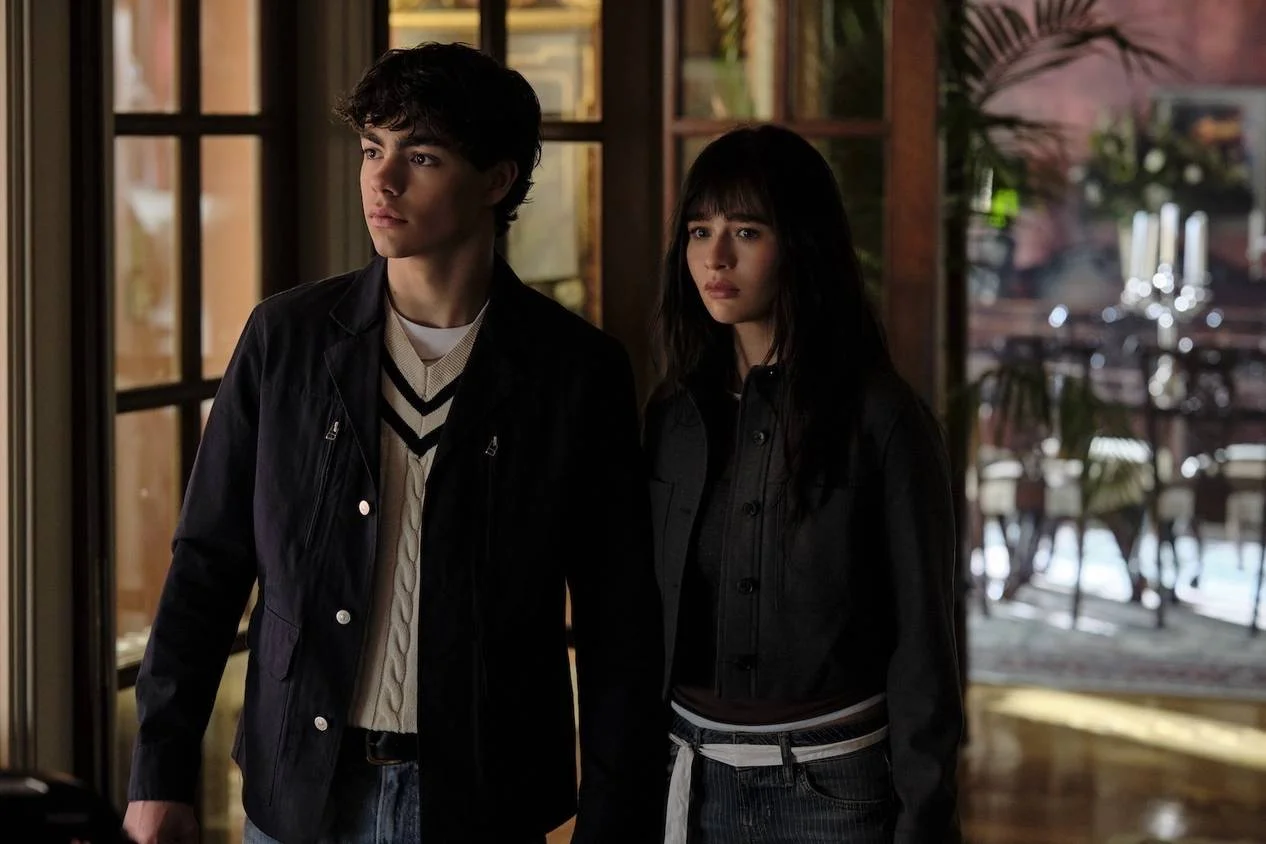
Jake’s unsolicited protection creates another pressure on her choices, even as shared parental loss supports their investigative partnership. Briar can resent being supervised and still ask him for help; the series benefits from allowing both responses. Jake recruiting Ollie to rescue her also gives the rivalry a welcome practical limit. Yet after Briar and Jake’s kiss, Ollie’s note, flowers, and pizza keep the competition available for further installments. An intimate gesture becomes another unresolved question, extending the same invitation that structures the short episodes.
That dependence on continuation is especially noticeable around Tegan. Her relationship with McKenna begins to open a space beyond mediating her friends’ troubles, then a vampire raid leaves her bitten. The event gives her a consequential personal predicament, but it also postpones the opportunity to know her within the relationship she has just begun. McKenna’s insecurity now has to share attention with the bite and its implications. Their tentative attachment reaches the season’s edge with ordinary uncertainty still waiting for time of its own.
Coven Academy premiered on Freeform on October 1, 2026, with its full season rollout following immediately on Disney+ and Hulu. The supernatural teen drama follows a group of teenage witches and warlocks attending an elite magic boarding school in New Orleans as they protect their city from dark forces.
Where to Watch Coven Academy Online






Full Credits
Title: Coven Academy
Distributor: Freeform, Disney+, Hulu
Release date: October 1, 2026
Rating: TV-14
Running time: 25–43 minutes per episode (Freeform) / 10–22 minutes per chapter (Disney+)
Director: Tim Federle, Kimberly McCullough, Bronwyn North-Reist, Shannon Kohli, Alexis Ostrander, Aprill Winney
Writers: Tim Federle
Producers and Executive Producers: Tim Federle, Kimberly McCullough, Bronwyn North-Reist
Cast: Malina Weissman, Malachi Barton, Jordan Leftwich, Ora Duplass, Louis Thresher, Tiffani Thiessen, Devon Sawa
- Composer: Gabriel Mann
The Review
Coven Academy
Coven Academy packages familiar supernatural teen drama into short chapters that keep inviting another click, sometimes before its emotions have settled. The central trio earns affection through suspicion, disclosure, and practical cooperation, while the academy’s secrets give adolescent distrust a credible target. Frequent credit breaks disrupt immersion, and Tegan’s personal history remains underdeveloped. There is pleasure in watching these girls learn to rely on one another, even when the episode machinery keeps urging them toward the next revelation.
PROS
- Strong central chemistry turns magical cooperation into believable friendship.
- Adult secrecy gives the girls’ investigative agency substance.
- Romantic choices complicate faction loyalties and protective behavior.
CONS
- Frequent credit breaks interrupt immersion.
- Rapid information delivery gives Briar’s grief limited breathing room.
- Tegan’s personal history receives less development than her contributions to the coven.