



















![Kingdom Hearts Collection [I-III] Review](https://gazettely.com/wp-content/uploads/2026/10/Kingdom-Hearts-Collection-I-III-1-360x180.webp "Kingdom Hearts Collection [I-III] Review: KHII Holds Steady as Newer Entries Fluctuate 33")







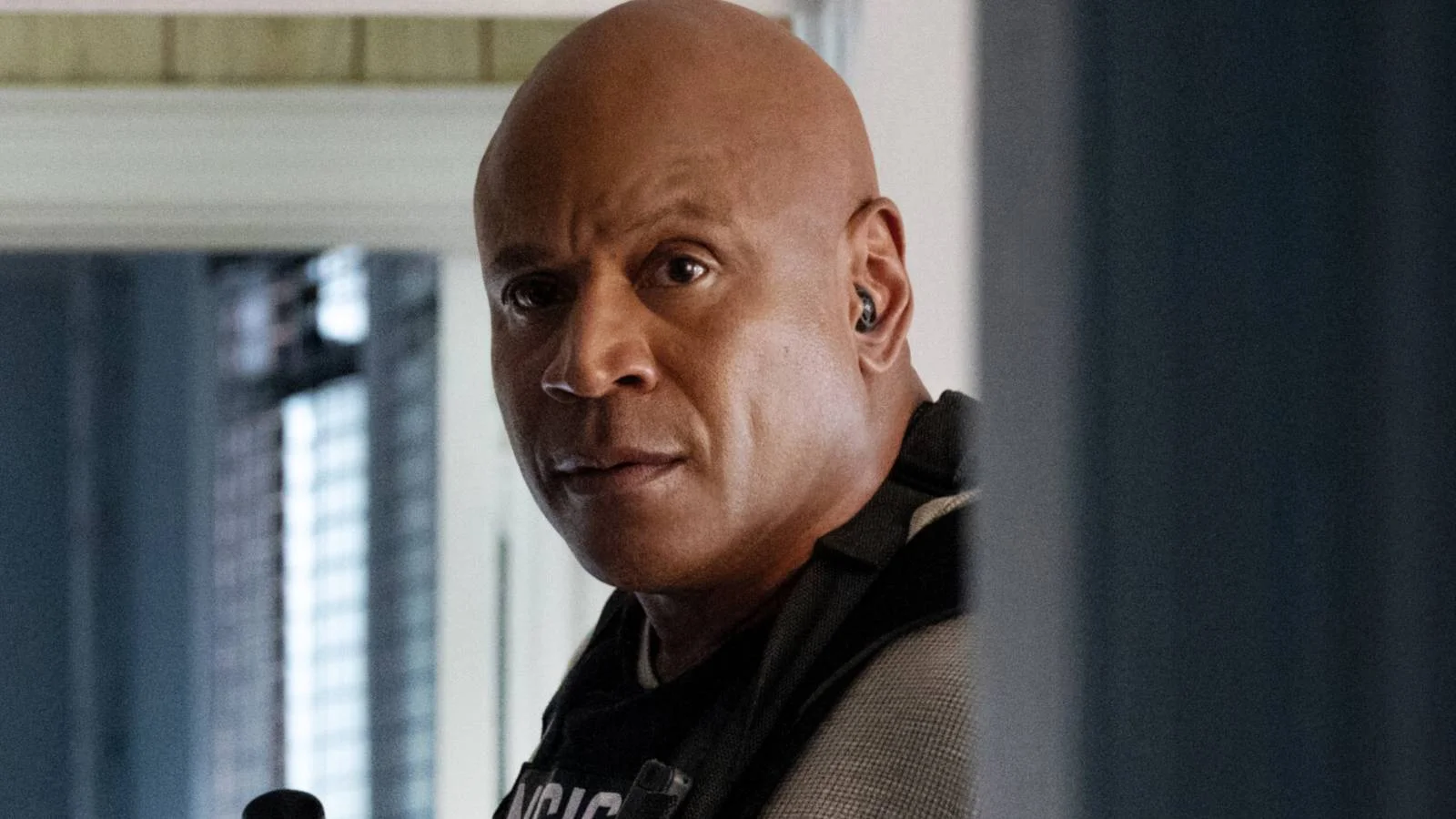

Sam Hanna keeps working while his phone rings in Dubai. The overseas assignment occupies his attention; the calls belong to someone who will be dead before he responds. For an agent whose competence has been established across fourteen seasons of NCIS: Los Angeles, this is an effective disturbance of the heroic routine. Professional usefulness and personal availability have slipped apart. The pilot of NCIS: New York brings him home through that failure, making the return to familiar ground an uncomfortable encounter with an obligation he missed.
The death, apparently a suicide, falls within NCIS jurisdiction because the victim was a Navy reservist. Sam wants to investigate and refuses to accept the apparent explanation. Robyn Wells, who heads the New York office, recognizes the problem with assigning someone so personally invested, then allows him onto the case alongside Nick Schaeffer.
Her concession gives the bureau an accommodating face before its new team has done much to earn affection. Rules can bend here for someone carrying grief. The office at the Brooklyn Navy Yard begins to offer Sam a place for feelings his independent assignments have left him to manage alone.
LL Cool J makes Sam’s reluctance to join another team credible without making it grandiose. His physical assurance remains intact, but the refusal to settle carries a different kind of vulnerability: accepting a new partnership means allowing other people to become necessary again.
Scott Caan’s Nick answers that reluctance with an unusually generous version of the confident television cop. Raised in Bay Ridge among police and firefighters, he has the local credentials and professional fluency to meet Sam on equal ground. Caan’s ease gives Nick room to be funny without turning every exchange into a contest.
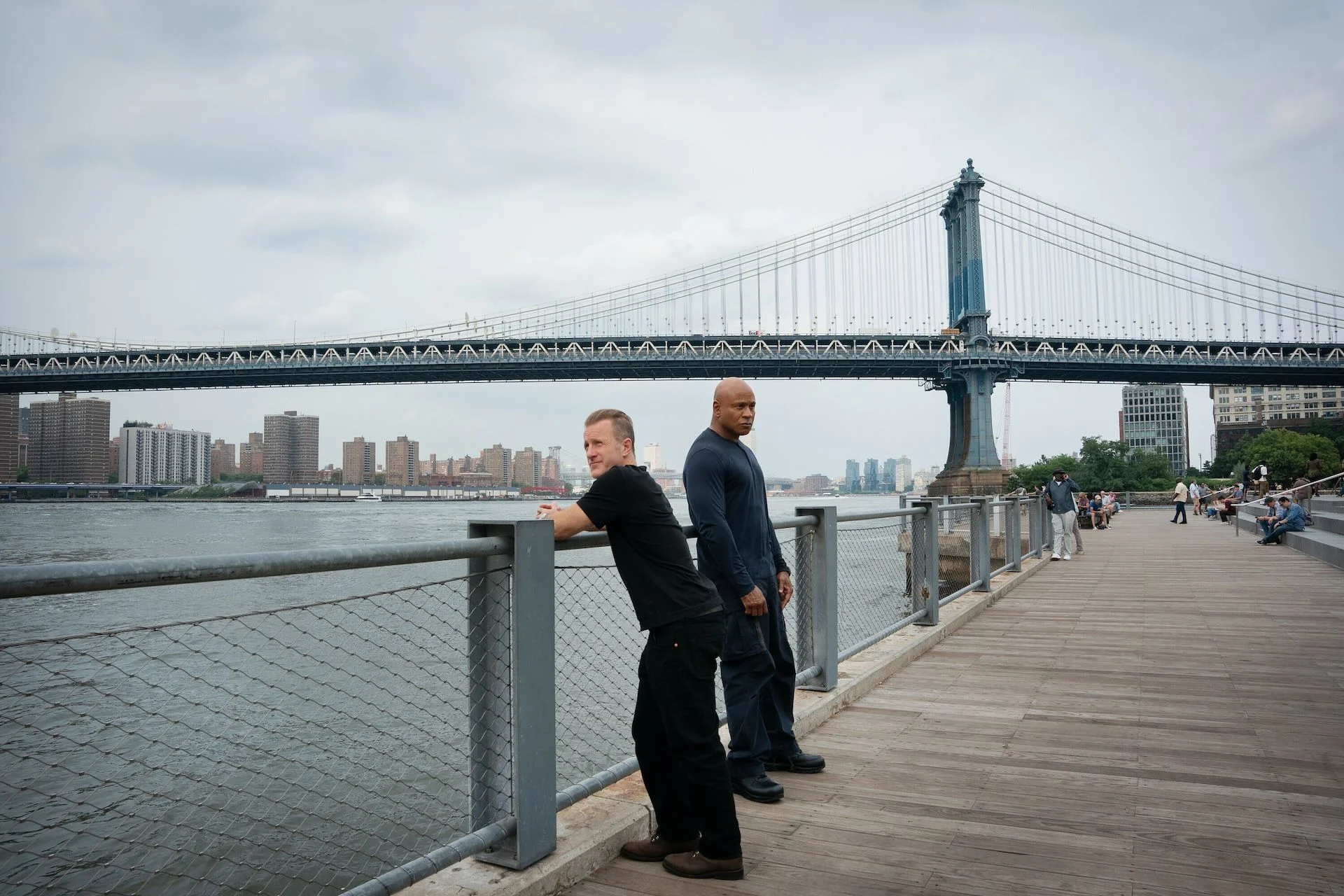
Their jokes about size are occasionally ordinary, but the relationship does not depend on one man repeatedly diminishing the other. Nick pays attention. His eventual appeal beside the illuminated Queensboro Bridge draws its feeling from that attentiveness, allowing concern to pass between two men who remain perfectly comfortable with their toughness. The pilot’s attractive model of masculinity accommodates teasing, physical competence, and a direct invitation to companionship. Accepting care does not require Sam to surrender authority. It requires him to stop treating self-sufficiency as the only workable arrangement.
This warmth leaves room for disagreement. Nick considers the possibility that the victim was involved in something questionable; Sam’s personal loyalty makes him resist that reading. The distinction matters because it keeps partnership from becoming automatic affirmation.
Nick can welcome Sam while withholding agreement, and Sam’s confidence can carry the pressure of attachment rather than function as unquestionable investigative wisdom. Their rapport makes these differences bearable. The pilot establishes a reason for them to keep talking, which is a stronger foundation than a supply of interchangeable quips.
New York helps Nick make his invitation. Sam’s Queens roots and Nick’s Brooklyn upbringing give the city a place in their relationship before the location photography begins selling its attractions. At the bridge, the setting lends physical form to the prospect of returning: Sam can see a hometown where another person is asking him to remain. Elsewhere, wide shots and neighborhood labels establish a route through Central Park, Red Hook, Gerritsen Beach, Queens, and the Diamond District. The waterfront connection gives the naval investigation a useful geographical footing, while the movement between districts prevents the city from shrinking to a skyline.
Recognizability, however, has limits as a form of characterization. These places provide visual distinction and emotional associations; they do not yet establish a detailed account of the lives conducted within them. The pilot uses the city effectively as working terrain and as an inducement to belonging. Its affection is clearest in the bridge-side appeal and the insistence on identifiable locations. That is sufficient for this episode. Treating the landmarks as evidence of profound urban insight would grant the photography an achievement the drama has barely begun to pursue.
The investigation is less distinctive. Murder, a romance scam, kidnapping, a tugboat connection, and a large shootout give the episode plenty of business, but their accumulation competes with the simpler pressure of Sam’s unanswered calls. The crowded case supplies occasions for the new team to work together while the partnership carries the stronger emotional interest.
A bar raid involving Sam, Nick, Addy, and Wyatt makes cooperation visible through coordinated action. Alongside computer searches, chases, and banter, it delivers the familiar pleasures of people who know how to do their jobs. The formula earns some of its comfort through this shared competence, even when the criminal complications feel chiefly useful for keeping everyone occupied.
The supporting characters receive introductions rather than equivalent development. Jacqueline Byers gives Addy Ross swagger, with her father’s criminal history suggesting a personal complication the pilot cannot yet explore. Shane Harper’s Wyatt arrives from Alaska with a recently broken engagement, and his easy rapport with Addy helps the workplace feel inhabited.
Jennifer Beals’s Wells has the more consequential position, but her authority is chiefly expressed through authorization, orders, and supervision. Allowing Sam onto the case gives her judgment a human dimension; the remaining managerial scenes offer a narrower opportunity than the emotional negotiation afforded the two leads.
Sean Sullivan brings a different condition of membership into this welcoming office. Played by Devin Druid, the technology specialist is working for NCIS after hacking a police pension fund, with the placement serving as an alternative to imprisonment. His resentment makes sense within that arrangement, even as his insolence supplies comic friction for Wells.
Sam is courted because the bureau wants his experience and because Nick recognizes his need for connection. Sean’s skills have secured him a compulsory place at the computers. The distinction complicates the workplace’s warmth without cancelling the pleasure of its company. For the newcomer who has been invited, staying can become an act of trust. Wells must supervise Sean’s resentment alongside his computer work, making her care for this team inseparable from enforcing its conditions.
NCIS: New York premiered on CBS on October 6, 2026. The police procedural drama follows veteran NCIS agent Sam Hanna as he returns to his hometown to lead a specialized field office alongside a roguish new partner.
Where to Watch NCIS: New York Online





Full Credits
Title: NCIS: New York
Distributor: CBS
Release date: October 6, 2026
Rating: TV-14
Running time: 44–45 minutes per episode
Director: Adam Davidson, Eagle Egilsson
Writers: Byron Balasco, R. Scott Gemmill, Kyle Harimoto
Producers and Executive Producers: Byron Balasco, Jason Barrett, LL Cool J, Paris Barclay, R. Scott Gemmill, Kyle Harimoto, Joe Wilson
Cast: LL Cool J, Scott Caan, Jennifer Beals, Jacqueline Byers, Shane Harper, Devin Druid
Editors: Geofrey Hildrew
The Review
NCIS New York
NCIS: New York makes institutional belonging attractive through a partnership built on attention, generosity, and credible disagreement. LL Cool J and Scott Caan give Sam’s homecoming emotional substance, while the city supplies a persuasive setting for his decision to stay. The crowded investigation is less assured, and Wells receives limited room beyond supervision. Sean’s compulsory service adds a useful complication to the bureau’s welcoming image. Judged on its pilot, the series establishes stronger companionship than mystery.
PROS
- LL Cool J and Scott Caan’s warm, convincing partnership.
- Distinctive locations give Sam’s homecoming emotional weight.
- Sean’s compulsory placement complicates the workplace’s appeal.
CONS
- Crowded criminal complications compete with Sam’s emotional stakes.
- Wells’s development remains confined chiefly to managerial duties.