






















Italian‑Slovenian horror thriller The Holy Boy (La valle dei sorrisi) will bow out of competition at the 82nd Venice International Film Festival, adding fresh genre energy to a slate dominated by marquee auteurs. Fandango has boarded worldwide sales and will begin pitching the completed 122‑minute feature to buyers on the Lido ahead of Toronto, positioning the title for quick territorial pickups across Europe and Latin America.
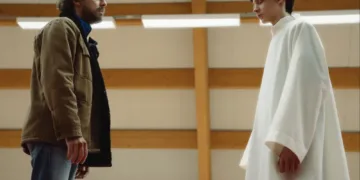
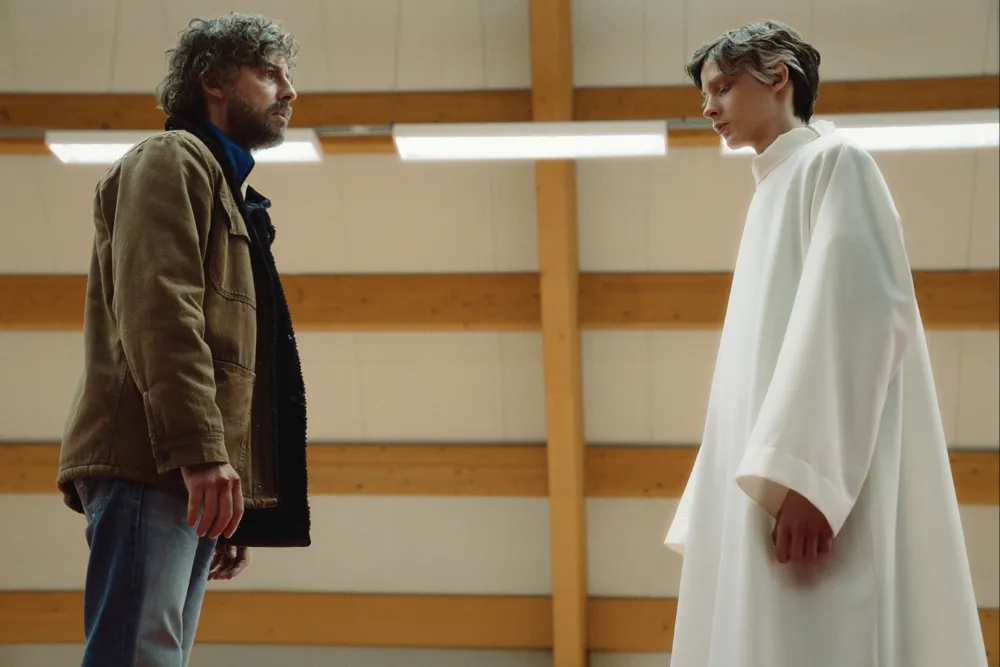
Directed by Paolo Strippoli (A Classic Horror Story), the film follows a tormented mountaintop community where a charismatic boy’s arrival sparks rumours of sainthood—and a spiral of violence. Michele Riondino, Romana Maggiora Vergano and Paolo Pierobon headline a cast that also features Roberto Citran and Giulio Feltri. Shot in the Friuli Venezia Giulia Alps last winter, the production pairs Strippoli’s own screenplay (co‑written with Jacopo Del Giudice and Milo Tissone) with cinematographer Cristiano Di Nicola’s 35 mm vistas and a practical‑effects approach designed to echo ’70s Italian terror classics.
Backing comes from Fandango, Nightswim and Slovenia’s Spok Films, supplemented by the Italian culture ministry and the regional film commission, underscoring a cross‑border financing model the producers say “mirrors the story’s clash between faith and fear.” The project locked picture on 25 June and, according to sales notes, will deliver a Dolby Atmos mix and grade timed for fall festival slots beyond Venice.
Industry interest is buoyed by Strippoli’s breakout on Netflix and by mounting demand for prestige horror after the commercial success of Talk to Me and Late Night with the Devil, trends Fandango cites in its pitch deck. Early chatter from European buyers points to Germany, Spain and Scandinavia as prime targets, with Vision Distribution already set for the Italian theatrical rollout in early 2026.
The Holy Boy joins a Venice out‑of‑competition fiction lineup that also houses Luca Guadagnino’s After the Hunt and Gus Van Sant’s Dead Man’s Wire, part of a programme festival organisers describe as balancing star power with emerging voices. The Lido’s prominence as an awards‑season launchpad—reinforced by recent wins for Poor Things and Oppenheimer—gives Strippoli’s film a high‑visibility platform to court critics and genre aficionados alike.