
















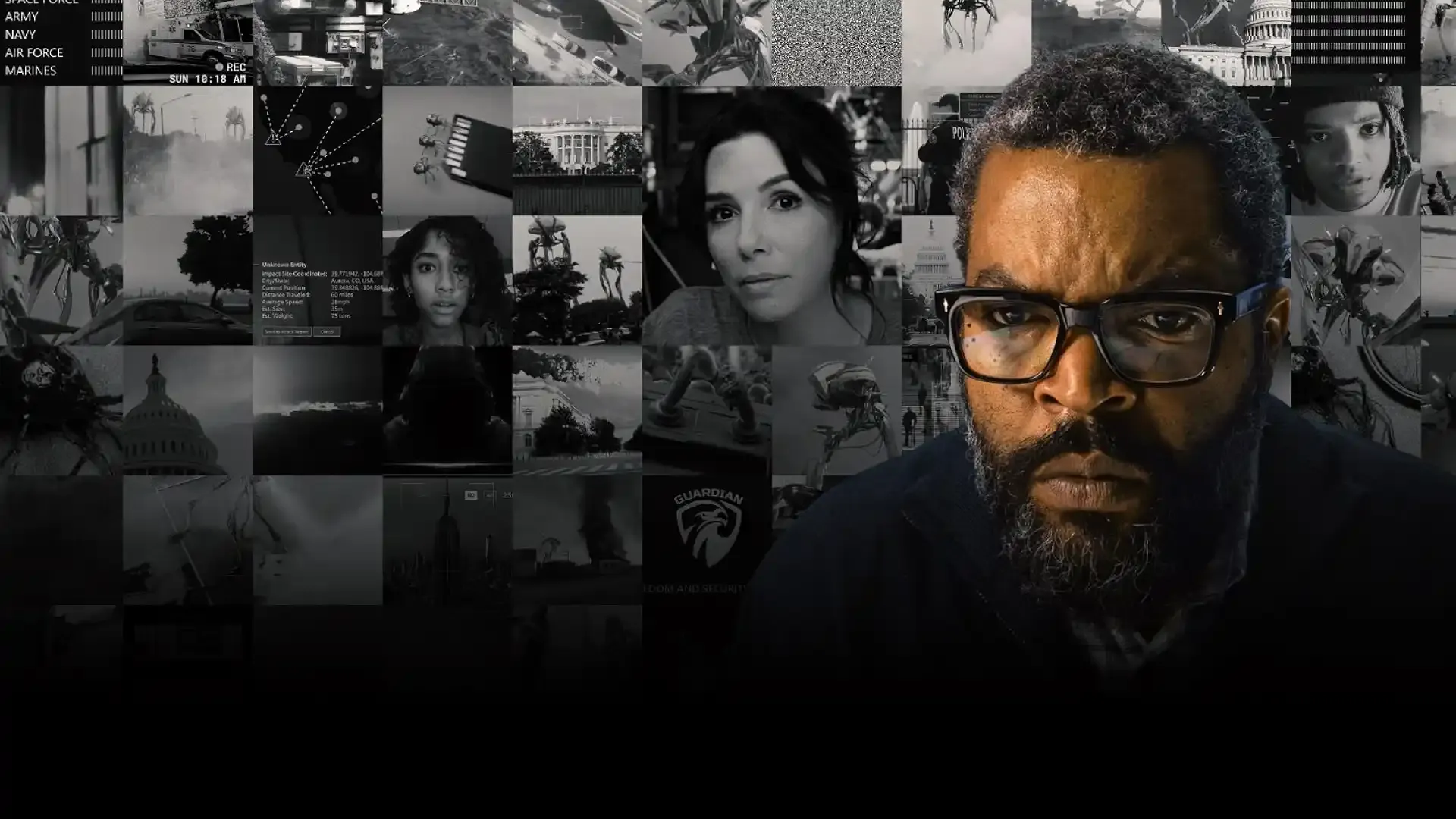

The periodic return to H.G. Wells’ classic invasion story often reveals something about the anxieties of the era. This new adaptation of War of the Worlds updates the tale for a time defined by digital screens and constant surveillance. The film’s core conceit is to confine the entire global catastrophe to the computer desktop of one man.
That man is Will Radford, a Department of Homeland Security analyst portrayed by Ice Cube. From his government office, Will must watch and attempt to manage the arrival of hostile extraterrestrials through a frantic mosaic of video calls, hacked surveillance feeds, and shaky news clips. The result is a story that filters an apocalyptic event through a very strange and constrained lens, creating a peculiar cinematic document of a world ending not with a bang, but with a barrage of notifications.
Every Click You Take
Before the alien ships arrive, the film expends considerable energy establishing Will Radford’s professional and personal life. As a domestic terror analyst, he has access to a formidable arsenal of surveillance tools, which we first see him use to hunt a hacker known as “Disruptor.” This initial subplot introduces a thread about privacy and government overreach, as the hacker plans to expose a secret mass data collection program named “Goliath.”
The script then demonstrates how Will applies these same intrusive methods to his own family with unsettling ease. He monitors the text messages of his pregnant daughter, Faith, and chides her for her diet after checking her food delivery history. He hacks the computer of his gamer son, Dave, to scold him about his online activities.
The story offers a thin justification for his invasive parenting, framing his actions as a response to the past loss of his wife, a detail he shares in an annual message to her social media profile. This family dynamic is positioned as the film’s primary emotional conflict.
The narrative suggests his personal development, from a controlling patriarch to a father who must place his trust in his children, is the main human story. This focus on domestic squabbles feels small when set against the backdrop of interplanetary war, creating a structural imbalance from the outset. The personal stakes are clear, yet they struggle for air amidst the incoming global catastrophe.
Also Read




The Claustrophobia of Content
The choice to tell this story entirely within the confines of a computer screen is a significant creative gamble. The film’s visual and narrative style is one of organized chaos. Will’s desktop is a cluttered battlefield of open windows: a video conference with a panicked NASA scientist, a live stream of a city in flames from a citizen’s phone, a hacked security camera showing alien tripods on the move, and news tickers scrolling with casualty reports.
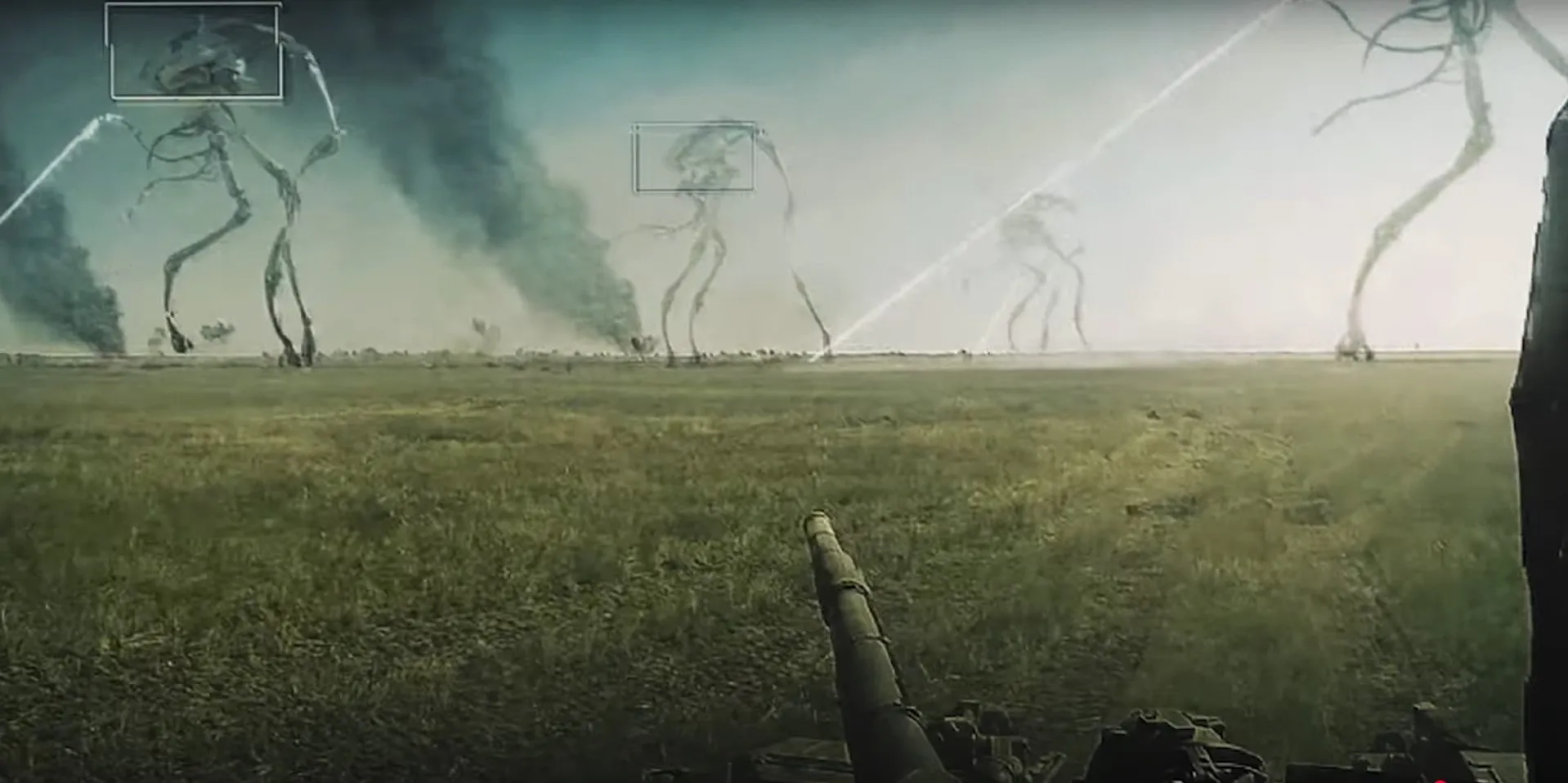
The expected spectacle of a disaster movie is deliberately withheld and fractured. Global destruction is seen only through these indirect means, appearing as blurry, pixelated feeds that deny the audience a clear view of the action. This technique produces a distinct sense of detachment.
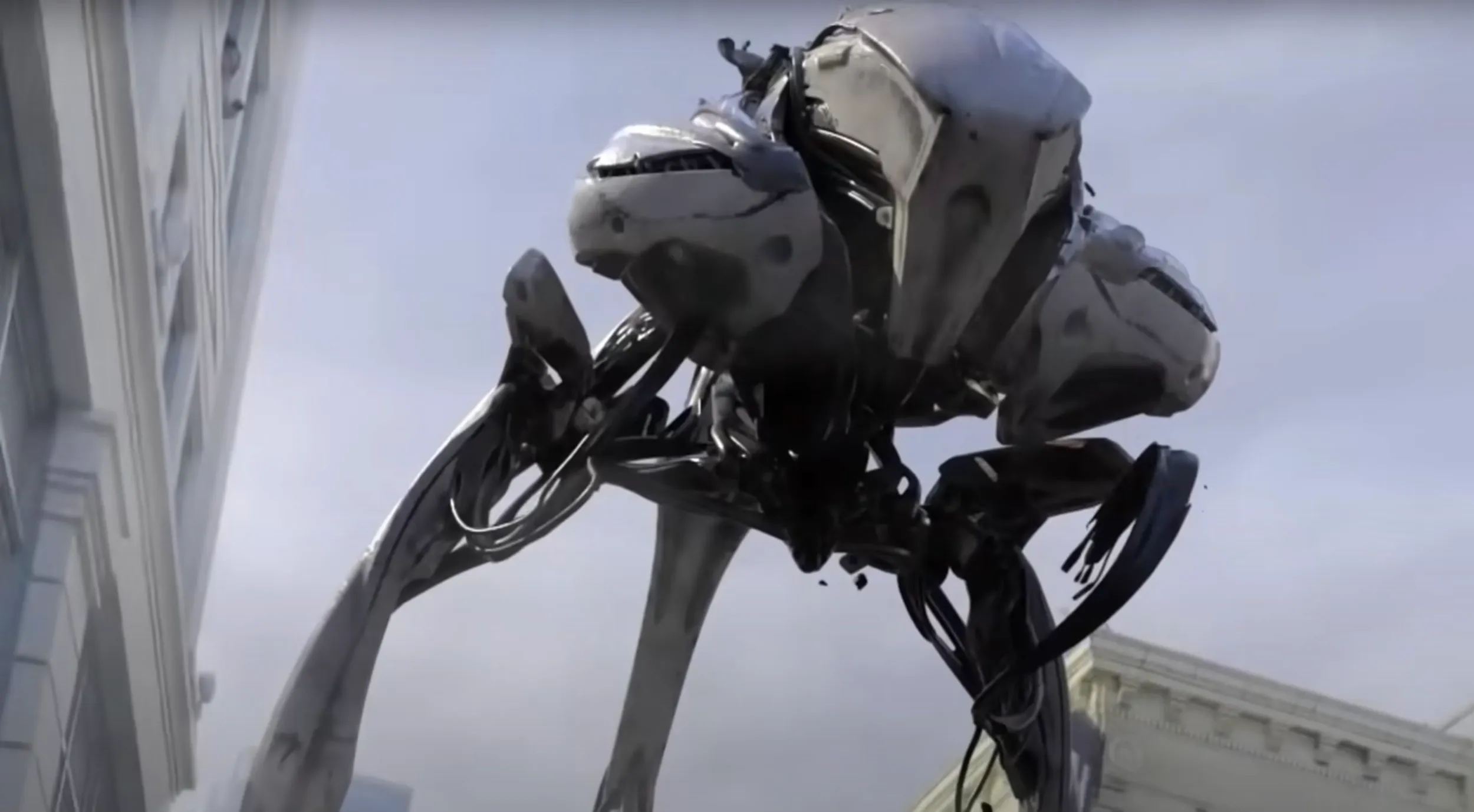
One of the few clear glimpses of the enemy comes when the first tripod unfolds from its meteor casing. The spindly, three-legged machine has a neat design, but the moment is fleeting, quickly lost in the digital noise. This technical approach has a curious effect on the film’s tension. At times, the constant information overload creates a feeling of helpless claustrophobia, mirroring Will’s inability to act directly.
At other times, the experience is made stranger by moments of clumsy execution, as when Will verbally announces “I’m rerouting her cell to our satellite” right before the audience watches his cursor click a button labeled “Reroute Cellular to Satellite.” Such moments impose a layer of mundane procedure onto what should be terrifying events, slowing the pace.
An Odd Man for the Job
The decision to place Ice Cube in the central role produces unexpected results. His established screen persona, built on aggressive confidence and a perpetual scowl, exists in stark contrast to the expected demeanor of a high level government tech specialist. This dissonance frequently shifts the film’s tone into the realm of unintentional comedy.
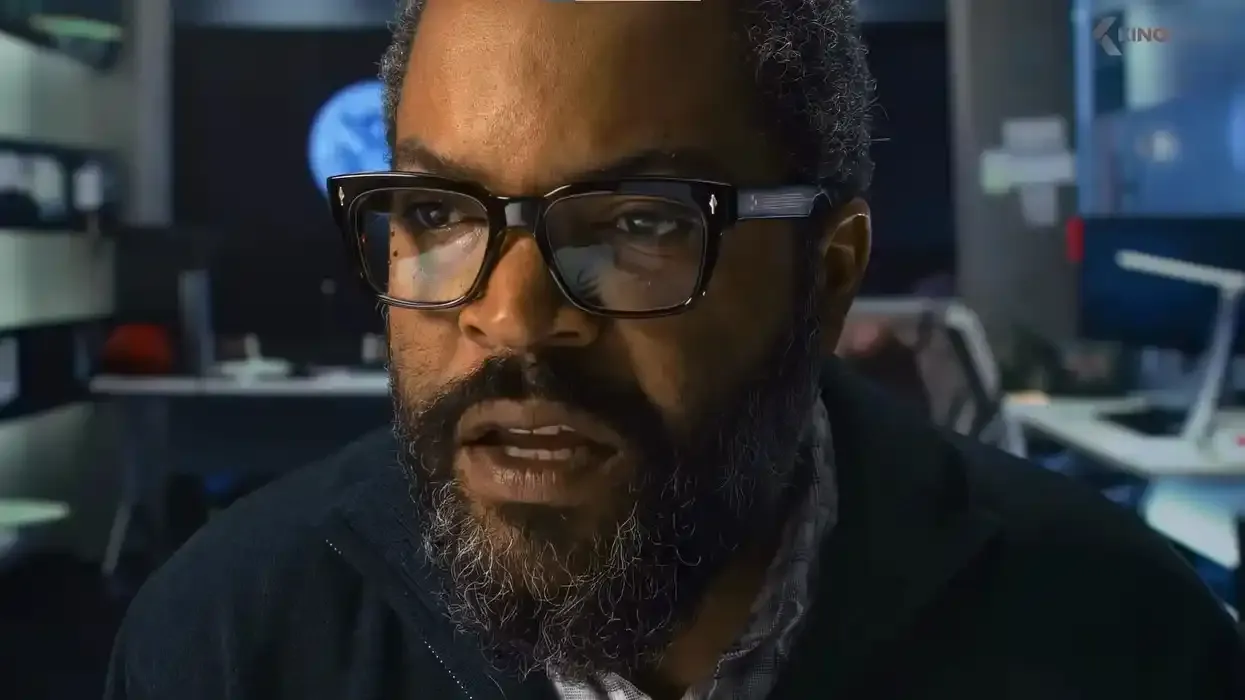
His earnest expressions of fatherly concern can feel awkward, while his reactions to the invasion often sound like they belong in a different movie. When he yells at the invaders to “Take yo’ intergalactic asses back home!” it is difficult not to smile. His line readings give an intensity to mundane dialogue that feels out of place, as if he is seconds away from starting a fight with his own children over a video call.
The supporting cast operates in a similarly remote fashion, their performances filtered through screens. Eva Longoria appears as Sandra, a NASA scientist whose primary function is to deliver plot exposition with a worried expression. Clark Gregg logs in for a few scenes from his gym, a sweaty and brief appearance.
Devon Bostick plays Faith’s boyfriend, Mark, who gets on Will’s last nerve by calling him “Pops” and serves a function tied more to his employer than his character. This disconnected style of performance, likely a product of the film’s production, reinforces the story’s strange, disjointed quality. The screenplay’s often blunt dialogue, combined with the curious lead performance, creates a viewing experience that is seldom what it seems to be aiming for.
Humanity’s Last Stand, Sponsored
The film’s ideas about government power are deeply confused. It introduces a secret surveillance program named “Goliath” as a profound threat to civil liberties, a conspiracy against the people. Yet it simultaneously presents Will’s use of identical powers as heroic and necessary for survival. The script presents no clear viewpoint on the matter, leaving its central theme a muddle.
This thematic fog is soon eclipsed by a far more powerful force: aggressive product placement. The plot becomes inextricably linked with the Amazon brand. Faith’s boyfriend is an Amazon delivery driver who is vital to the plot. A character in peril is offered an Amazon gift card as an incentive to help. The story’s climax hinges on Will placing an official order on Amazon.
This action activates a Prime delivery drone, which is then used as the delivery mechanism for the weapon that saves humanity. This persistent commercialism damages the narrative’s integrity.
Any potential for suspense or serious reflection is washed away by the constant branding, which feels less like product placement and more like a hostile takeover of the story itself. The fight for human survival begins to feel like a very elaborate and bizarre advertisement for the same company streaming the movie.
Full Credits
Director: Rich Lee
Writers: Kenneth Golde, Marc Hyman
Producers and Executive Producers: Patrick Aiello, Timur Bekmambetov, Adam Sidman
Cast: Ice Cube, Eva Longoria, Clark Gregg, Andrea Savage, Henry Hunter Hall, Iman Benson, Devon Bostick, Michael O’Neill
Director of Photography (Cinematographer): Christopher Probst
Editors: Charles Ancelle, Jake York, Laura Jennings, Sasha Kletsov, Ilya Zevakin
Composer: Jon Natchez
The Review
War of the Worlds
This 2025 adaptation of War of the Worlds is a baffling cinematic artifact. Its "screenlife" format offers a few moments of claustrophobic tension but is largely undone by a peculiar lead performance and a script that cannot decide on its message. The story's complete submission to its corporate sponsor makes it less of a film and more of a feature-length advertisement. It stands as a strange monument to confused creative choices and narrative-destroying commercialism.
PROS
- A novel "screenlife" concept for the classic invasion story.
- The constrained viewpoint creates some effective moments of helplessness.
- The film's sheer strangeness makes it memorable.
- The design of the alien tripods is briefly effective.
CONS
- The lead performance is tonally inconsistent with the material.
- Aggressive and plot-critical product placement undermines the story.
- Thematic ideas about surveillance are contradictory and unclear.
- The pacing often slows to a crawl, focusing on mundane desktop navigation.
- Supporting characters are underdeveloped and used as simple plot devices.