

























![Kingdom Hearts Collection [I-III] Review](https://gazettely.com/wp-content/uploads/2026/10/Kingdom-Hearts-Collection-I-III-1-360x180.webp "Kingdom Hearts Collection [I-III] Review: KHII Holds Steady as Newer Entries Fluctuate 37")



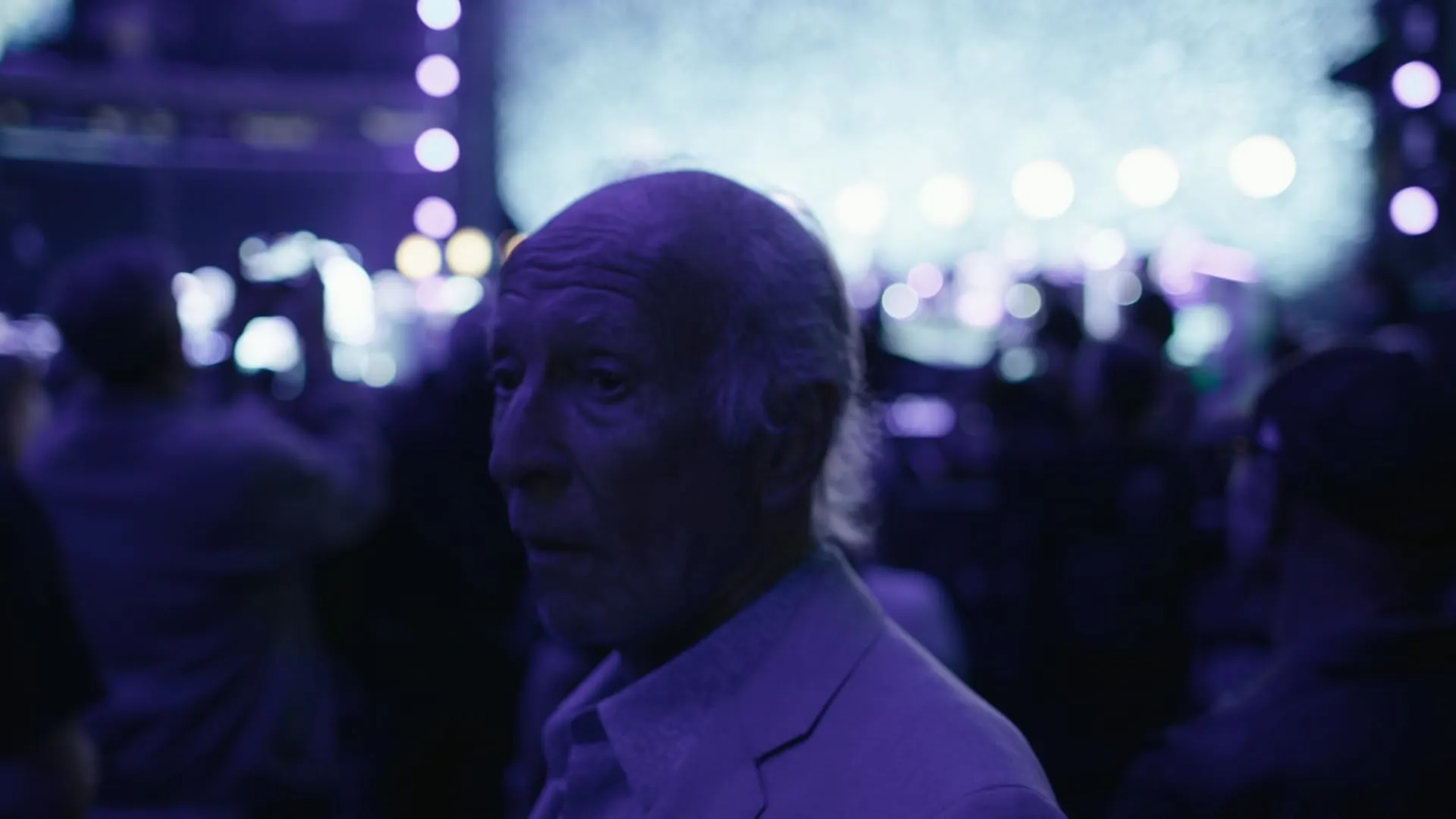

There are names that function less as identifiers and more as incantations. For a certain stretch of time in a certain city, the words “Ron Delsener Presents” were such a phrase. Stamped on newsprint and ticket stubs, they were a promise of passage into a fleeting world of sound and fury.
Jake Sumner’s documentary is an excavation of that promise, a portrait of the man who was its source. Yet the film is not a simple biography. It is a chronicle of an era’s slow fade, charting the path of live music from a thing of personal alchemy to a creature of corporate mechanics.
It captures the story of an industry’s soul, seen through the eyes of the man who first gave it a tangible, electrifying form, only to witness its inevitable transformation.
An Architect of Noise
The film introduces Ron Delsener as a man animated by a kinetic force that seems to defy the natural order of aging. He is a perpetual motion machine, a whirlwind of phone calls and backstage circuits, as if his constant movement is a conscious act of rebellion against the stillness that awaits all things.
This ceaseless energy, the documentary suggests, is not just a personality trait; it is the engine of creation itself, a force that tore through the quiet conventions of his time. His origins in Queens provide the grounding for this whirlwind, a bedrock of street-level pragmatism that seems almost at odds with the ephemeral art he peddled. He understands the material world, its textures and its transactions.
This duality finds its perfect expression in an early, telling anecdote: his decision to strip the Beatles’ hotel room and auction the contents. Here is the film’s central conflict in a single act. An experience of near-religious significance, breathing the same air as the idols of the age, is immediately subjected to a strange and profane alchemy.
The sacred touch is transmuted into a salable commodity. A used towel becomes a holy relic; a cigarette butt becomes a tangible piece of a myth. It is a raw, unflinching look at the business of devotion, the point where worship becomes a market. Interviews with his family attempt to frame this mercurial figure within a domestic reality, but he remains a man defined by the noise he built, an architect whose materials were desire and sound.
Conjuring Cathedrals of Sound
Delsener did not merely book shows; he constructed temporary realities, carving out spaces for communal catharsis within the city’s grid. His career unfolds as a series of architectural triumphs, each one a testament to his ability to manifest the impossible.
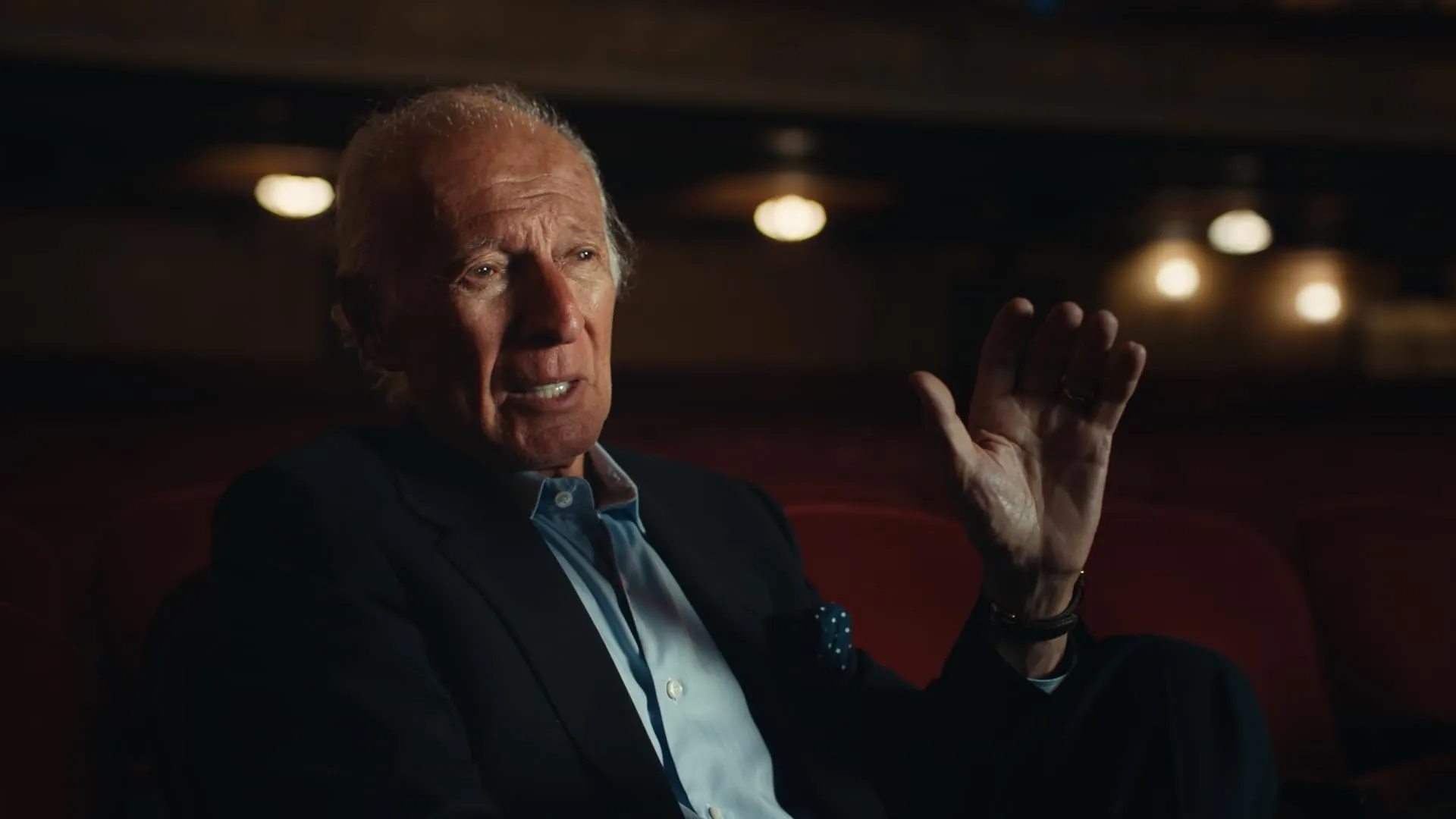
The work began with a foundational rupture: unleashing the primal scream of Beatlemania upon the genteel, manicured confines of the Forest Hills Tennis Stadium. It was the sound of a new world cracking the shell of the old. From there, he embarked on his greatest public project: the Schaefer Music Festival. For the price of a single dollar, he created a seasonal utopia on the ice of Wollman Rink.
It was a radical experiment in access, a cultural heart that beat for an entire New York summer. Here, the electric sermons of Jimi Hendrix, the regal sorrow of Nina Simone, and the raw power of Led Zeppelin were available to all. It was more than a festival; it was a recurring ritual, a temporary autonomous zone built on beer money and a belief in the power of shared experience.
He became a master of transgression, a smuggler of subversive art into consecrated spaces. He was the ferryman who guided the alien form of David Bowie’s Ziggy Stardust across the river Styx and into the marble temple of Carnegie Hall, convincing its guardians that this otherworldly creature was merely “theatrical.”
He saw the raw, jagged energy of punk and new wave and built it a proper home at The Palladium, giving The Clash a stage for their controlled detonation. His masterpiece of diplomacy was the 1981 Simon & Garfunkel reunion.
This was not the creation of something new, but the resurrection of a beloved ghost. It was an act of mass public therapy on the Great Lawn, a fragile peace treaty brokered by Delsener’s sheer force of will, a monumental performance of nostalgia that affirmed his status as a high priest of public sentiment.
An Archive of Ghosts
Every empire built on personality must eventually confront the impersonal forces of time and capital. The documentary’s final act chronicles this inevitable decline, the entropic slide from a world of handshakes and instinct to one of spreadsheets and synergy.

The film charts this slow crystallization as Delsener’s fluid, chaotic business hardens into the corporate structure of SFX, the precursor to the modern leviathan, Live Nation. His acceptance of this change is presented with the quiet pragmatism of a survivor. Is it the wisdom of adaptation or the resignation of a king who sees the landscape changing?
The film offers no easy answer, allowing his choice to stand in stark contrast to the idealistic laments of artists who saw this shift as the death of something vital. The documentary’s energetic style mirrors the era it portrays, but its most profound moments are its quietest.
We are left with Delsener in his home, surrounded by the physical detritus of his life’s work. The camera pans across stacks of tickets, faded backstage passes, and brittle newsprint. This is not a collection of souvenirs; it is a mausoleum of moments, an archive of ghosts.
Each object is a Memento Mori, a silent testament to an experience that flared brightly and then vanished forever. The man who brought millions of people together now seems to exist in a solitary dialogue with his own past, sifting through the fragile husks of a world he built, a world whose echoes grow fainter with each passing year.
“Ron Delsener Presents” is a documentary film about the legendary concert promoter Ron Delsener, who was instrumental in shaping the live music scene in New York City over a career spanning almost sixty years. The film premiered in limited theaters on May 30, 2025. It had a week-long run at the Quad Cinema in New York City, which ended on June 14, 2025.
Full Credits
Director: Jake Sumner
Writers: Dan Crane
Producers: Jake Sumner, James A. Smith, Margaret Munzer Loeb
Executive Producers: Jon Kamen, Dave Sirulnick, Jon Doran, Zara Duffy, Robert Sager, Charles Stiefel, Todd Stiefel, Meryl Poster
Cast: Ron Delsener, Bruce Springsteen, Steven Van Zandt, Patti Smith, Billy Joel, Paul Simon, Jon Bon Jovi, Cher, Gene Simmons, Roger Daltrey, Jimmy Buffett, Paul Stanley, Veronica White
Director of Photography (Cinematographer): Luke Geissbühler
Editors: James Codoyannis, Paul Greenhouse, Damian Rodriguez
Composer: Money Mark
The Review
Ron Delsener Presents
An engrossing portrait of both a man and an epoch. The film succeeds as a vibrant chronicle of New York's musical history, powered by its magnetic subject. While it avoids a critical examination of the industry's darker currents, its true strength lies in its quiet meditation on memory and the ghosts of a bygone era. It captures the story of a world built from sound, and the inevitable silence that follows.
PROS
- A compelling and energetic central figure in Ron Delsener.
- Exceptional archival footage and insightful interviews with music icons.
- Effectively documents the evolution of the live music business.
- Raises thoughtful questions about the relationship between art, commerce, and legacy.
CONS
- The perspective is largely celebratory, lacking critical voices or a deeper look at the industry's cutthroat nature.
- Its tight focus on the New York scene might feel narrow to some viewers.
- Flirts with hagiography by omitting any significant conflicts or enemies Delsener surely made.







