




























Television has found its favourite new bloodsport: watching the absurdly wealthy squirm. It is a spectacle of comeuppance served on a silver platter, and Billionaires’ Bunker aims to be the main course, a multi-course meal of manufactured misery for the one percent. The concept is pure primetime pulp. As the world teeters on the brink of nuclear war, a select group of Spanish multi-millionaires cashes in their ultimate insurance policy: a spot in Kimera Underground Park, an impossibly chic subterranean fortress.
The apocalypse, it seems, can be weathered with good lighting and catered meals. But the show quickly introduces a more intimate form of fallout. Two families, bound by a fatal car crash, must coexist in this gilded cage. Max Varela, fresh from a prison stint for the accident, must face the silent, seething judgment of Guillermo Falcón, the father of the girl he loved and killed. This is not just a story of survival; it is a reckoning sealed in a vault.
A Bunker Full of Baggage
The inhabitants of Kimera are a gallery of gilded grievances, each character carrying more baggage than they could fit in a private jet. At the story’s center is Max Varela, a young man whose prison sentence seems to have stripped away his aristocratic sheen, leaving behind a core of raw guilt and survival instinct.
He moves through the pristine halls of the bunker like a ghost from a different, harsher world, his presence a constant, uncomfortable reminder of the tragedy that links the two main families. His own family provides little comfort. His father, Rafa, is a man defined by weary pragmatism, while his mother, Frida, projects an air of fragile denial. Towering over them all is the matriarch, Victoria, a woman whose disapproval is a weapon she wields with surgical precision.
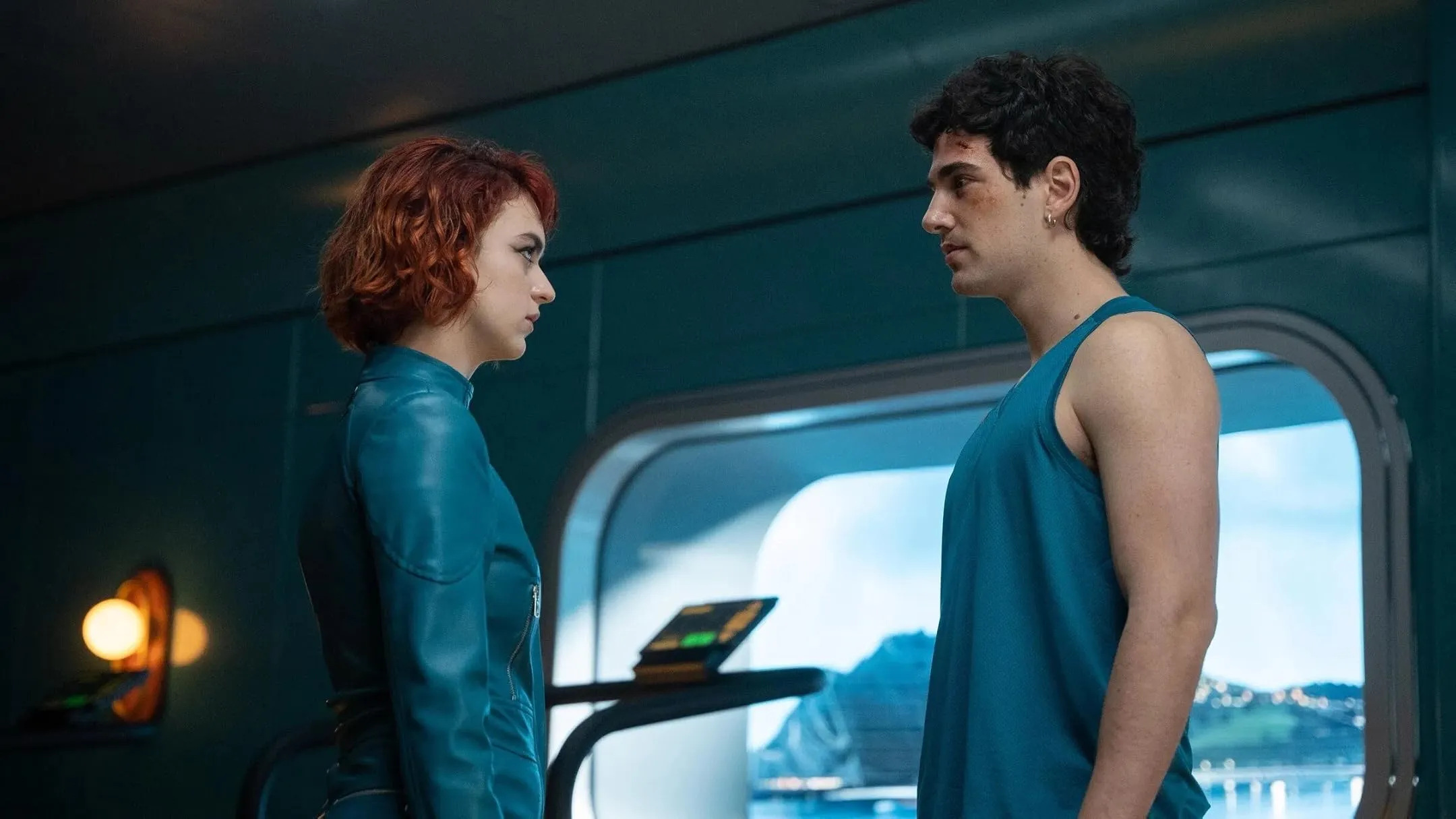
Their unwilling neighbors are the Falcóns, a family frozen in amber by their grief. Joaquín Furriel gives a masterful performance as Guillermo, a father whose rage has cooled into a hard, dense singularity of hatred. Every polite word he directs at Max is an act of supreme self-control, a performance that is fascinating to watch unravel.
His daughter, Asia, provides the emotional honesty her father cannot, her contempt for Max open and blistering. She is the raw, exposed nerve of the family’s pain. Then there is Mimi, Guillermo’s new wife, a woman who serves as a living symbol of his clumsy attempt to move on, and whose presence in the bunker only seems to amplify his unhappiness.
Watching over this claustrophobic theater is Minerva, the bunker’s director. Played with a chilling placidity by Miren Ibarguren, she is the calm eye of the storm. Her authority is absolute, her motives a complete mystery. She manages her flock of billionaires with the detached patience of a scientist observing ants in a jar.
The interactions she orchestrates between the Varelas and Falcóns are the show’s lifeblood, a slow-motion collision of blame, attempted forgiveness, and the deep-seated human need for revenge. It is a shame, then, that nearly every character is drawn with such broad, unsympathetic strokes. They are less like people and more like avatars of wealth, their entitlement so profound it becomes difficult to care about their survival, let alone their emotional state.
The Plot Twist That Broke Its Promise
The opening hour of Billionaires’ Bunker is a masterclass in narrative whiplash. The first ten minutes are a stark prison survival tale, all concrete walls and brutal hierarchies. Then, with Max’s release, we are suddenly thrust into a high-tech science fiction world, complete with holographic news reports and talk of impending doom.

This quickly gives way to the simmering resentments of a family melodrama once the characters are sealed inside Kimera. The show builds a potent sense of dread, the sterile perfection of the bunker contrasting sharply with the messy, violent end of the world supposedly happening on the surface. The tension is palpable.
(Warning: Spoilers for the first episode follow.)
And then the show detonates its own premise. The final scene of the premiere reveals the truth: there is no nuclear war. The news reports were fabricated. The shaking walls were special effects. Kimera is not a shelter; it is a stage. This dramatic reveal is a high-risk maneuver, and unfortunately, the show does not stick the landing.
By showing its hand so early, the series trades a story of existential horror for a much smaller, more conventional conspiracy thriller. The stakes plummet. The universal fear of annihilation is replaced by a cerebral puzzle about the specifics of the deception. The emotional weight of the story evaporates.
The shift leaves the narrative adrift for much of its eight-episode run. With the external threat gone, the story turns inward, but it lacks the character depth to make that exploration compelling. The plot becomes a repetitive cycle of residents uncovering clues, confronting their captors, and being met with cryptic non-answers.
It is a structure that feels designed to stretch a movie-length concept across a full season of television, a common symptom of the streaming era’s content demands. The show burns its best idea for a shocking cliffhanger, leaving the remaining seven episodes to deal with the narrative ashes.
A Spoon-Fed Class Critique
At its core, the series is a loud and clear entry into the “eat the rich” canon. It takes an almost gleeful pleasure in stripping its subjects of their creature comforts. One character struggles to operate a coffee machine. Another complains about the thread count of the provided bedding. These moments are meant to expose the helplessness of an elite class that has outsourced every aspect of life.
The satire, however, is neither sharp nor insightful. It paints with a comically broad brush, presenting the wealthy as a monolithic group of selfish, incompetent fools. It is a cathartic fantasy, but it lacks the nuance required for biting social commentary.
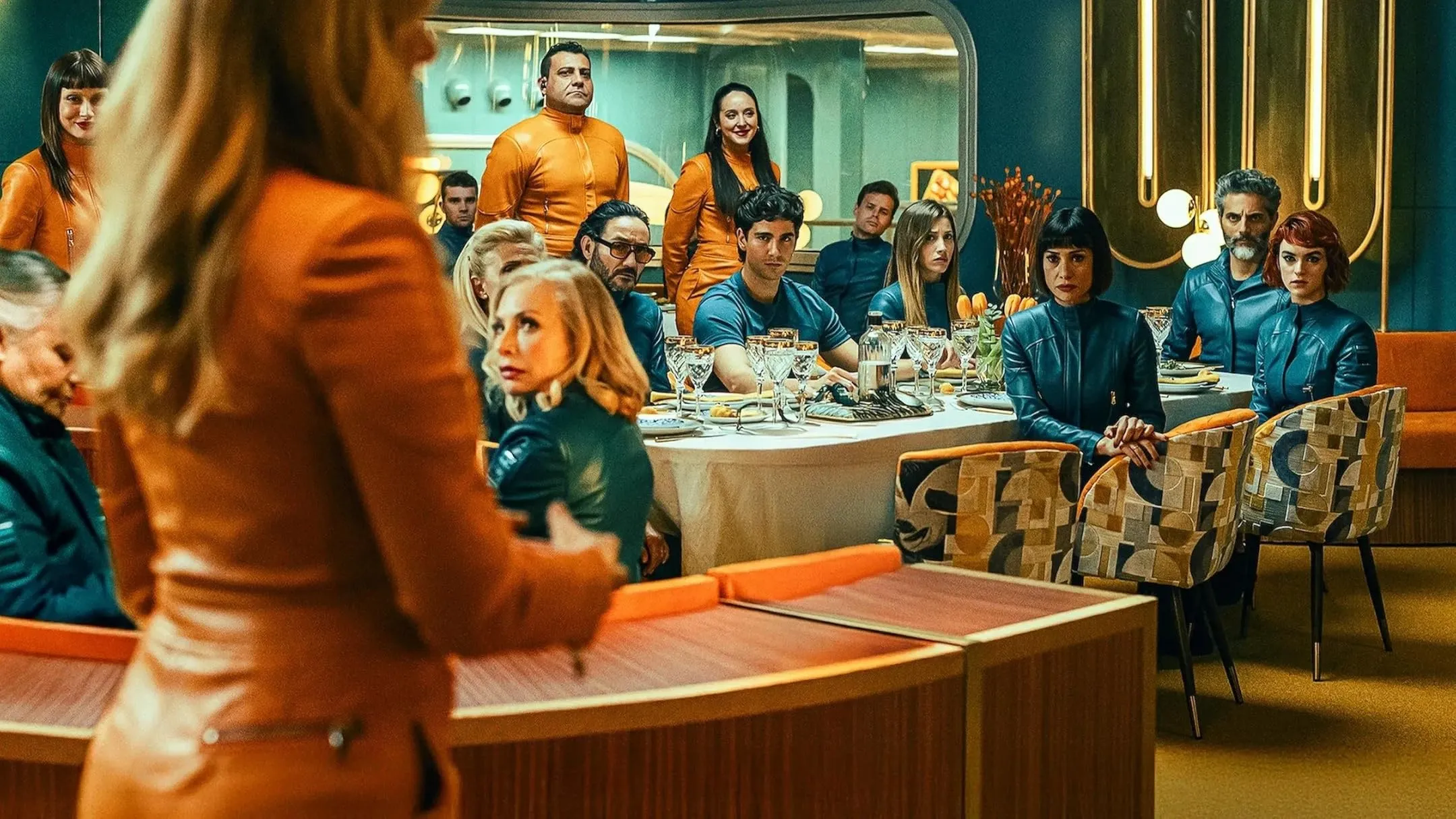
The critique is further blunted by the show’s complete failure to develop its antagonists. Minerva and her crew of orange-jumpsuited revolutionaries are ideological blank slates. We learn almost nothing about their backgrounds, their political beliefs, or what specifically drove them to orchestrate such an elaborate and costly act of psychological warfare.
Are they anarchists? Socialists? Performance artists with a massive budget? The show never says. Without a coherent ideology to oppose the cartoonish capitalism of the residents, the conflict lacks any real intellectual or moral weight.
Effective satire needs a clear point of view. Billionaires’ Bunker offers only a vague sense of resentment, leaving the audience stranded in a philosophical no-man’s-land, unable to root for the venal prisoners or their inscrutable jailers.
Style Over Sustenance
Visually, the series is a meticulously crafted piece of work. The money is all on the screen. The Kimera bunker is a character in its own right, a maze of white corridors, brushed steel, and glowing blue light that feels both futuristic and deeply unsettling. The sound design enhances the oppressive atmosphere; the constant, low hum of the air filtration system is a reminder of the sealed environment, and the disembodied voice of the bunker’s AI adds a layer of cold, impersonal control.
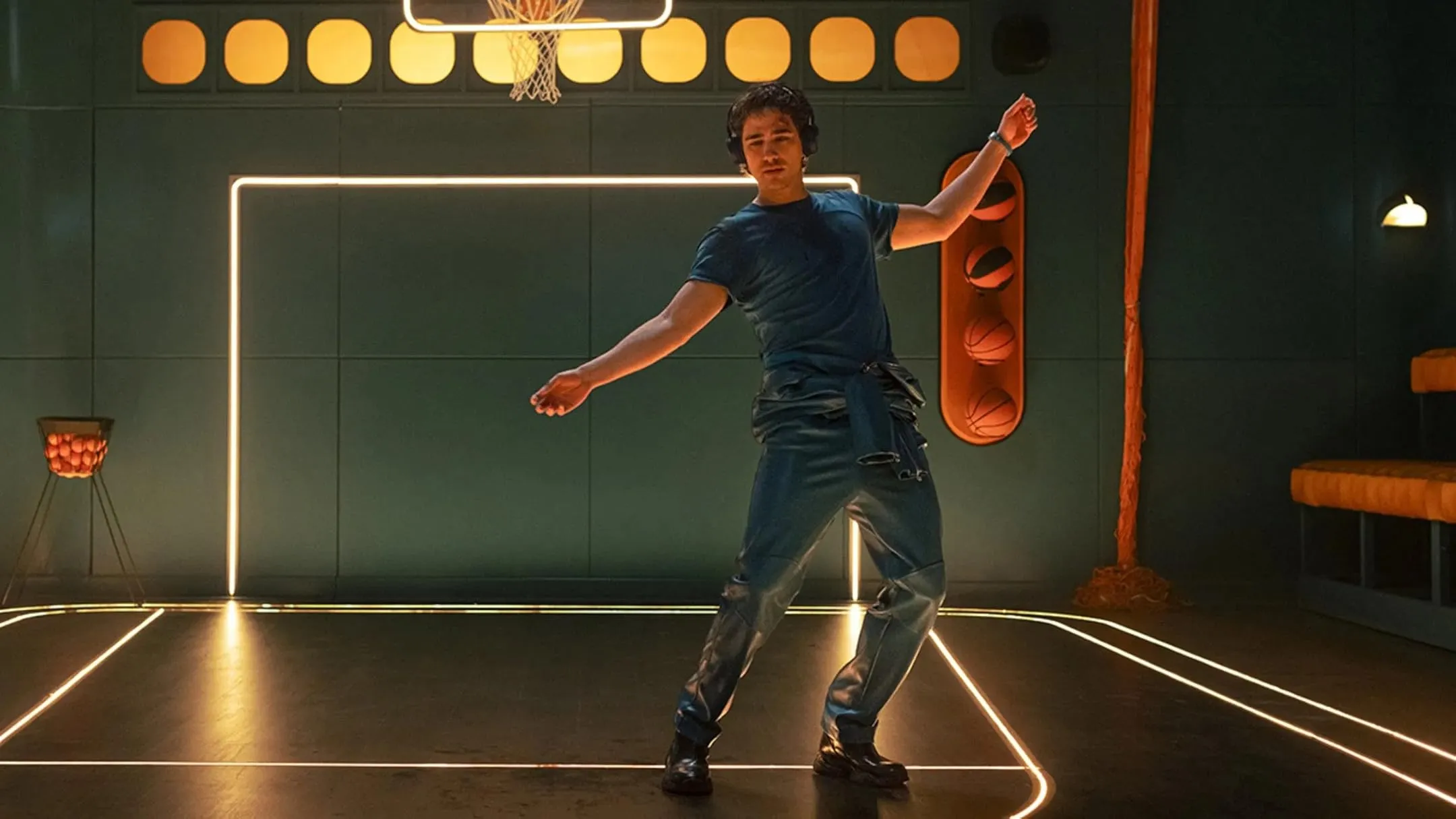
The direction successfully captures the sense of claustrophobia, with tight shots and compositions that emphasize the lack of escape. The color palette is stark, with the deep blue of the residents’ jumpsuits standing out against the sterile backgrounds, visually marking them as specimens under observation.
The ensemble cast delivers strong work, often rising above the melodramatic tendencies of the script. They commit to the heightened emotions of the story, finding moments of genuine pathos amid the soap-opera plot twists. Joaquín Furriel, as noted, is particularly effective, his performance a slow burn of controlled fury.
Miren Ibarguren’s Minerva is equally memorable for her unnerving calm. She projects an aura of absolute power without ever raising her voice. Yet even these capable actors cannot fully overcome a script that often defaults to broad emotional declarations instead of subtle character development. The show looks and sounds like a prestige thriller, but its sleek surface conceals a story that is often as hollow as its corridors.
The Verdict from Deep Underground
Here is a show with a brilliant concept that it discards far too quickly. An impressive production and a talented cast are put in service of a narrative that loses its nerve, trading a fascinating “what if” scenario for a drawn-out and predictable mystery.

Its social commentary is toothless, and its characters are too thinly drawn to support the emotional weight of the drama. Viewers who value plot mechanics above all else and enjoy the puzzle-box structure of shows like Money Heist may find enough here to keep clicking ‘next episode’. The constant churn of secrets and betrayals provides a certain mechanical momentum.
If you are looking for a show with something meaningful to say about class, survival, or the human condition, you are digging in the wrong place.
The series, originally titled El refugio atómico in Spanish, is a thriller from Spain. It was released on September 19, 2025. It is available to watch on Netflix and consists of eight episodes. The story follows a group of billionaires who seek shelter in a luxury bunker as an apocalyptic event occurs, leading to conflict.
Full Credits
Director: Jesús Colmenar, David Barrocal, José Manuel Cravioto
Writers: Álex Pina, Esther Martínez Lobato, David Oliva
Producers and Executive Producers: Álex Pina, Esther Martínez Lobato, Sonia Martínez, Jesús Colmenar, Nacho Manubens
Cast: Miren Ibarguren, Joaquín Furriel, Natalia Verbeke, Carlos Santos, Montse Guallar, Pau Simón, Alícia Falcó, Agustina Bisio, Álex Villazán
Director of Photography (Cinematographer): Migue Amoedo
Editors: Miguel Burgos, Luis Miguel González Bedmar, Raúl Mora, Patricia
Composer: Lucas Peire, Frank Montasell
The Review
Billionaires' Bunker
A tantalizing premise and sleek production design cannot save Billionaires' Bunker from its own narrative sabotage. The show's decision to reveal its central twist in the first episode deflates all tension, leaving a hollow, repetitive melodrama. Capable performances are stranded by shallow characters and a heavy-handed social critique. It is a stylish series that looks like a prestige thriller but feels as empty as its luxurious, sterile hallways. A missed opportunity.
PROS
- An engaging, high-concept premise that hooks the viewer immediately.
- Impressive production design and a strong, cinematic visual style.
- A talented cast that delivers committed performances.
- A tense and effective opening episode.
CONS
- The early plot twist undermines the series' core tension.
- Pacing becomes sluggish and repetitive after the first episode.
- Characters are generally shallow, unsympathetic, and difficult to invest in.
- The social commentary on class is obvious and lacks nuance.
- The antagonists' motivations are underdeveloped.