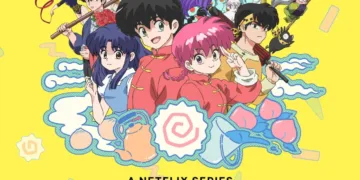






















There is a particular art to sustained chaos in television, a delicate balancing act between anarchic energy and narrative coherence. Many shows attempt it; few master it. Ranma 1/2 belongs to the latter group, a foundational text in the genre of romantic comedy that operates at a constant, feverish pitch.
Its return for a second season is less a continuation of a story and more a joyful reaffirmation of its core philosophy: that life is a series of escalating, curse-fueled disasters, and the best one can do is meet them with a flying kick. The series does not bother to re-explain itself, trusting that its audience understands the peculiar physics of its universe.
A splash of water, a sudden transformation, an angry fiancée, and a parade of disruptive weirdos are the immutable laws. This new season is not an evolution of the formula. It is a confident and energetic perfection of it, a promise that the delightful pandemonium at the Tendo dojo is far from over.
The Comforts of Calculated Chaos
The narrative engine of Ranma 1/2 is built on the sturdy chassis of the episodic sitcom, a structure that prioritizes repeatable comedic scenarios over the forward momentum of a serialized plot. This is a feature, not a flaw. Each episode is a meticulously constructed Rube Goldberg machine of romantic misunderstanding and martial arts absurdity, designed to reset by the closing credits.
The season’s premiere is a perfect exhibition of this principle. The catalyst is Hikaru Gosunkugi, a new suitor for Akane who embodies a specific strain of pathetic villainy. He is less a genuine threat and more a walking collection of creepy hobbies, from candid photography to a misplaced faith in voodoo dolls. His quest to uncover Ranma’s weakness propels the episode’s simple, effective plot.
The subsequent revelation, that the indomitable Ranma Saotome is debilitatingly terrified of cats, is played for maximum comic effect. The animation style borrows heavily from the slapstick traditions of American animation; characters shrink, sweat waterfalls, and faint with dramatic flair. The timing of each gag is sharp, giving the action a kinetic, almost rhythmic quality.
Yet, the humor is rooted in a surprisingly dark backstory. Genma’s “Cat Fist Training” is presented as a gag, but the description of tying fish to a small child and leaving him to be swarmed by hungry felines is profoundly irresponsible parenting played as farce. This willingness to find humor in casual cruelty is a hallmark of the show’s tone.
It trusts the audience to understand that in this heightened reality, trauma is just another setup for a punchline. Gosunkugi’s plan ultimately fails, as all such plans must, but his brief appearance serves its purpose. He is a disposable agent of chaos, designed to trigger a specific comedic reaction and then vanish, leaving the core cast to deal with the ridiculous aftermath.
A Kooky Kuno and Other Catastrophes
A comedy is only as strong as its ensemble, and Ranma 1/2 surrounds its central pair with a constellation of magnificent oddballs. The season premiere reintroduces one of the series’ finest creations: Tatewaki Kuno. He is a textbook himbo, a character archetype built on an endearing combination of physical prowess, supreme confidence, and a complete lack of intelligence.

Kuno is the school’s revered kendo captain, yet he is incapable of grasping the most basic facts of his existence. The performance by his voice actor is essential, capturing a tone of declarative pomposity that makes his ignorance all the more hilarious.
His central comedic function is a masterful piece of dramatic irony. He is madly in love with Akane, while also being hopelessly infatuated with Ranma’s female form, a mysterious “pigtailed girl” he believes is an entirely different person. He pursues both with equal, misguided passion, creating a love triangle where one participant is also one of his rivals.
The stability of the Tendo household provides a necessary anchor for these orbiting lunatics. Each family member serves a distinct comedic role. Akane’s older sisters, the gentle Kasumi and the cynical, money-obsessed Nabiki, offer contrasting reactions to the madness. Their father, Soun, and Ranma’s father, Genma, are prone to bouts of intense, melodramatic emotion, often weeping waterfalls of tears at the slightest provocation. Genma’s cursed panda form adds another layer of surrealism.
As a panda, he communicates only through wooden signs, offering silent, often unhelpful, commentary from the sidelines. This collection of personalities creates a rich comedic ecosystem. They are not merely background characters; they are essential components of the show’s machinery, each contributing to the escalating sense of delightful, unstoppable disorder that defines every episode.
The Quiet Heart of the Storm
For all its high-flying kicks and gender-bending antics, the series is anchored by the complicated emotional bond between Ranma and Akane. Their relationship is a classic example of the tsundere archetype, where overt hostility masks a deep and unspoken affection.
They are locked in a cycle of bickering and denial, their shared pride preventing either from admitting their feelings. This dynamic is potent because they are equals in skill and stubbornness. Their arguments are not just verbal spars; they are often full-blown martial arts brawls, their house-destroying fights a physical manifestation of their romantic tension.
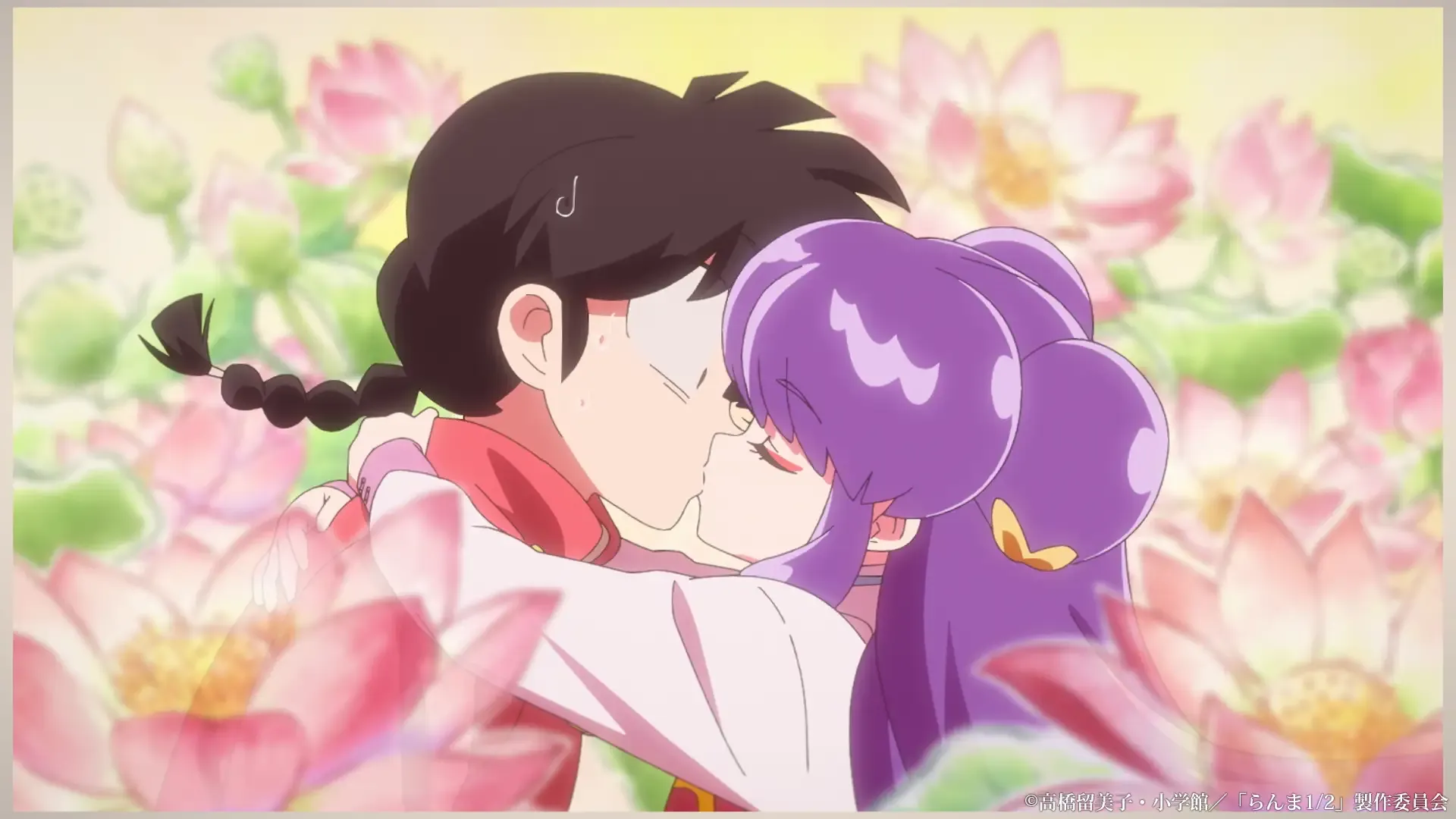
The premiere’s climax offers a fascinating wrinkle in this dynamic. After Kuno and Gosunkugi trigger Ranma’s ailurophobia, he enters a frenzied, cat-like state. In this delirium, he accidentally kisses Akane. The moment is a classic romance trope, but its execution is pure Ranma. It is chaotic, involuntary, and immediately complicated by the aftermath. Ranma, having no memory of the event, returns to his normal, abrasive self. Akane is left as the sole custodian of this intimate secret.
This creates a powerful dramatic imbalance. She now possesses a piece of their shared history that he is completely unaware of, a moment of accidental vulnerability that she alone witnessed and experienced. This is not a grand, sweeping romantic gesture. It is a small, messy, and deeply characteristic step forward. Their relationship is not built in spite of the chaos that surrounds them. It is built because of it, forged in the crucible of curses, combat, and inconveniently timed kisses.
Full Credits
Director: Kōnosuke Uda
Writers: Rumiko Takahashi, Kimiko Ueno, Erika Andō, Misaki Morie
Producers and Executive Producers: Hirokazu Yamakoshi, Mikito Bizenjima, Yuki Hasegawa, Tomoya Negishi, Koya Okamura
Cast: Kōichi Yamadera, Minami Takayama, Kikuko Inoue, Akio Ōtsuka, Chō, Kaori Nazuka, Kazuhiko Inoue, Tomokazu Sugita
Director of Photography (Cinematographer): Atsushi Kanō
Editors: Keisuke Yanagi
Composer: Kaoru Wada
The Review
Ranma 1/2 Season 2
Ranma 1/2's second season is a masterclass in controlled chaos, confidently delivering on its promise of slapstick comedy and martial arts mayhem. While its rigid episodic formula may deter some, the show's strength lies in its hilarious, eccentric cast and the slowly simmering romance between Ranma and Akane. This season is a joyful and energetic perfection of a beloved formula, prioritizing consistent laughs over narrative complexity. A hilarious and welcome return.
PROS
- Expertly executed episodic comedy with sharp timing.
- A memorable and hilarious cast of eccentric supporting characters.
- Engaging central romance with subtle, meaningful development.
- Vibrant, energetic animation reminiscent of classic slapstick.
CONS
- Strictly episodic structure offers little in terms of an overarching, serialized plot.
- Character development is minimal outside of the central relationship.
- The core formula can feel repetitive for viewers seeking narrative progression.