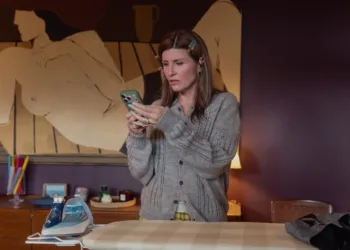


























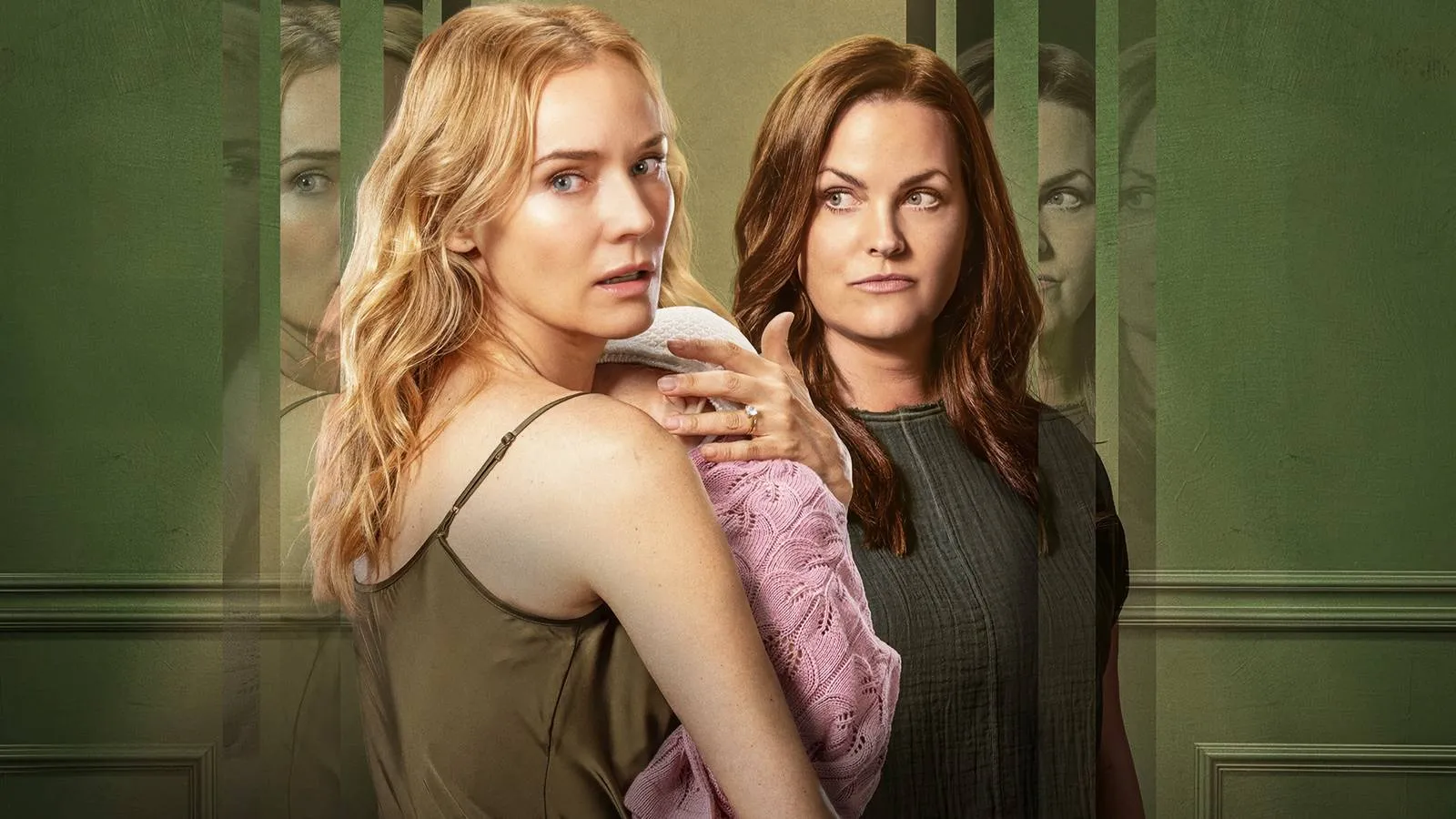

There is a particular pitch to a baby’s scream in the middle of the night that seems designed to slice through sleep and logic at the same time. Little Disasters hooks into that sound immediately. The series begins with the chaotic blur of a medical emergency that feels uncomfortably familiar rather than with a big, theatrical moment. Jess, an American living in London, rushes into the harsh fluorescent light of a hospital in the small hours of the morning, clutching her ten-month-old daughter, Betsy.
Her husband, Ed, stays out of the driver’s seat because he has been drinking and cannot help in any meaningful way. The setup initially resembles a standard domestic drama, right up until the examination room doors close. On the other side waits Liz, the doctor on duty that night, who also happens to be Jess’s close friend of a decade.
The real horror switches on when Liz studies the X-rays. Betsy has a fractured skull. The medical evidence points to significant force. It stands starkly against Jess’s rushed, hazy account of events. Liz faces a brutal crossroads. Her duty to a vulnerable child collides with ten years of friendship with the child’s mother. She chooses her responsibility as a physician. She alerts social services and the police.
That single act blows apart the lives around her. Jess and Ed are separated from their children almost immediately. The accusation tears through their social group like an explosive. The series operates as a psychological thriller that peels away the carefully presented image of the “perfect mother” and shows how easily a curated family life can disintegrate once state power steps inside the home.
The Anatomy of a Fracture, Plot and Pacing
The hospital incident works as a concentrated lesson in slow-burn tension. Many medical dramas depend on frantic ER chaos to create excitement. Director Eva Sigurðardóttir instead leans into stillness and the sterile calm of the room. The unease builds through what remains unspoken. Jess usually presents herself as composed and controlled.
Under the stark hospital lighting, shaking while her friend examines her injured baby, she feels out of place in her own life. That sense of wrongness fuels the whole narrative. The script withholds the exact circumstances of Betsy’s injury at first. We sit with that gap. We return again and again to the question of accident or momentary loss of control. The show invites us to examine our assumptions about what a “bad mother” looks like.
Once Liz files her report, the series shifts into a suffocating procedural rhythm. Police officers and social workers pick apart the family’s routines and possessions with a detached precision that feels invasive. The camera lingers on hands touching toys, clothes, and furniture, underlining how complete the intrusion has become. Every conversation between Jess and Ed now feels observed and recorded. The pressure exposes fissures already present in their marriage. They struggle to console each other because suspicion has seeped into the relationship. They look at each other as possible accomplices or potential threats.
Suspense grows through a careful scatter of red herrings. In a domestic thriller, anyone in the home can become a suspect, and the writers understand that. Ed has a temper that flares when he drinks, which naturally directs suspicion toward him. The story even allows a brief cloud of doubt to pass over the other children, hinting that jealous siblings might cause harm.
These threads keep the audience uncertain about where to place trust. The six-episode length suits this structure. A longer season could have stretched the investigation until it lost urgency. Here, the story moves briskly from the initial medical discovery to police interviews and court proceedings. The pace mirrors the churn of panic that parents might feel when they lose control of their own narrative.
The Circle of Friends, Character Dynamics
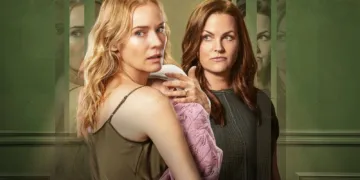
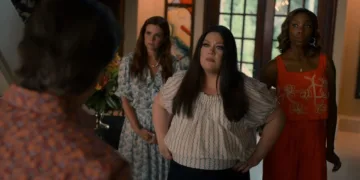
The friendships in Little Disasters feel rooted in circumstance rather than deep compatibility. Jess, Liz, Mel, and Charlotte met ten years earlier at an antenatal class. Their first connection grew out of swollen ankles, due dates, and birth plans rather than shared passions or political views. It recalls workplace friendships built around shared desks and coffee breaks, where people know every detail of each other’s lives without necessarily choosing one another outside that environment. The show captures this type of social arrangement sharply. Their group offers support, but the support feels conditional and brittle.
Jess occupies a slightly different position inside this cluster. As the only American, she already carries a sense of cultural distance. She has curated a version of motherhood that appears flawless, which impresses the others and irritates them at the same time. Her parenting choices mark her out. She mistrusts modern medicine, refuses vaccinations, and prefers natural remedies. The script treats this as a key part of her character. It shapes a direct ideological conflict with Liz, who works inside the medical system. When Jess arrives at the hospital as a potential perpetrator rather than a patient, that history of skepticism turns into ammunition used against her.
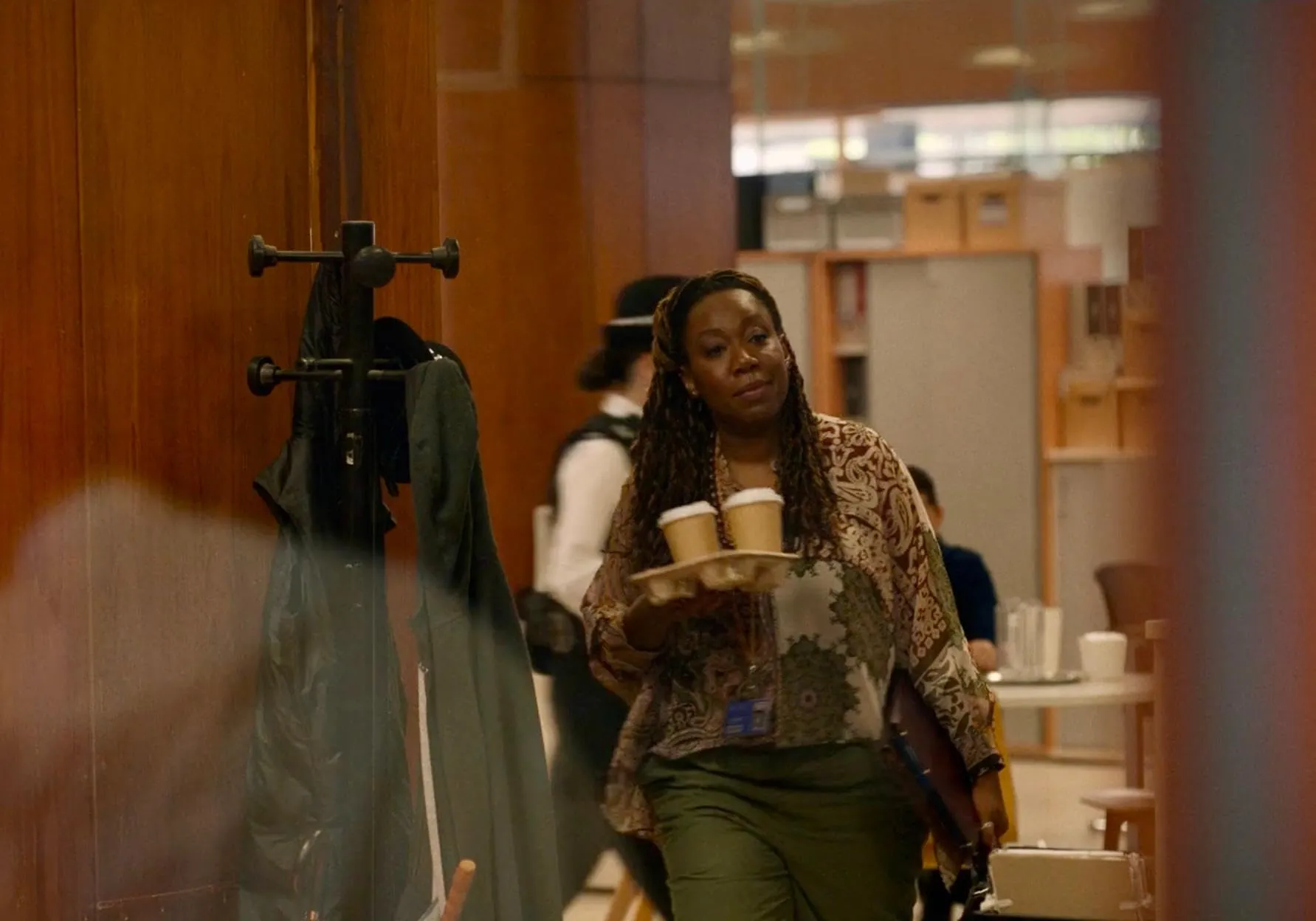
Liz becomes the moral pivot of the story. She holds the role of the friend who reported another friend. The writing refuses to let her occupy a simple heroic position. She appears worn down, stretched between the demands of the NHS and the emotional labor at home. Alcohol becomes her coping mechanism. This habit undermines her authority and adds a layer of hypocrisy to her judgment of Jess’s choices.
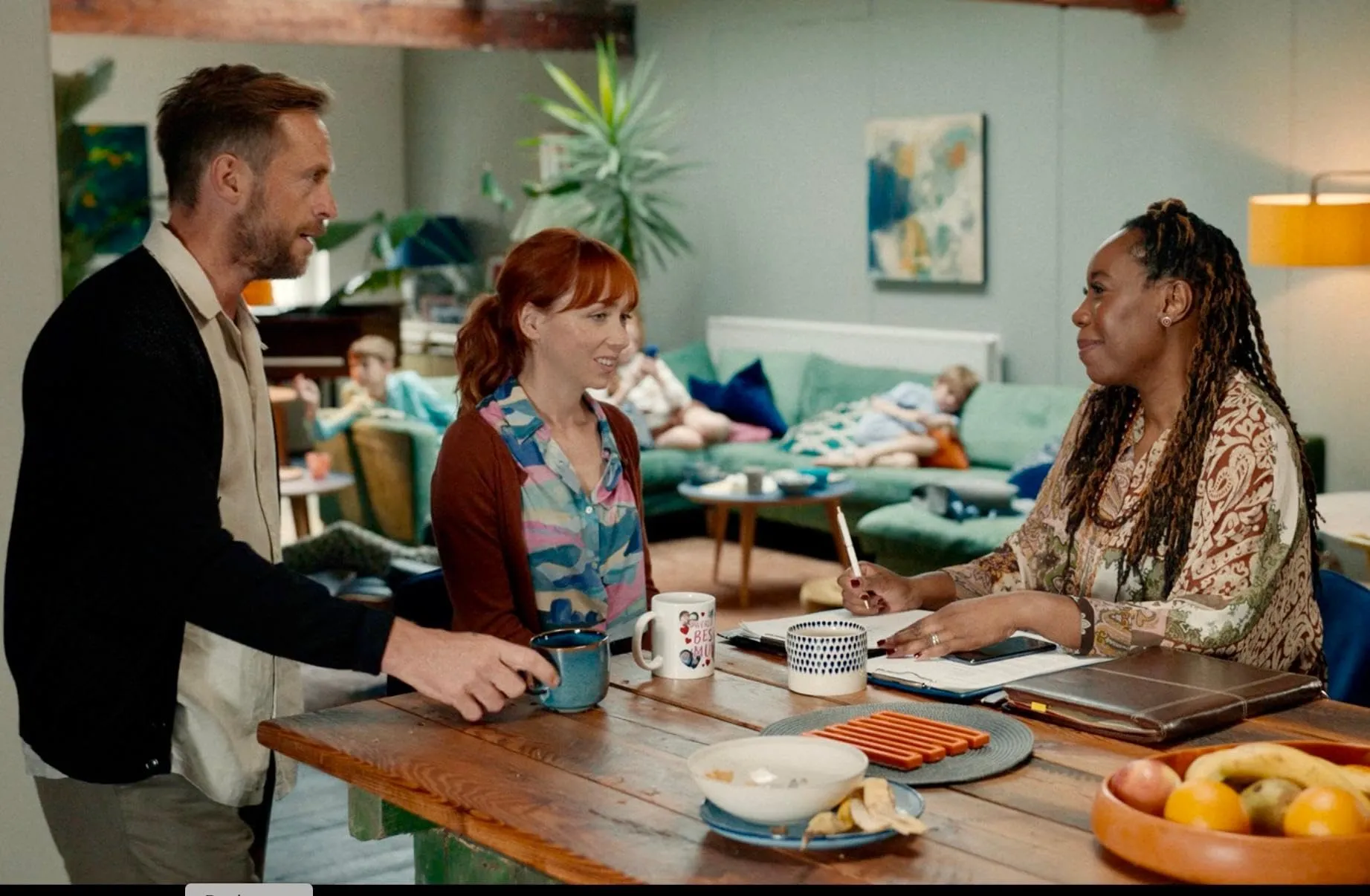
Mel and Charlotte fill in the wider social picture. Mel embodies everyday financial stress. The show initially presents her as the eccentric member of the group, but behind that label sits a grim reality. She lives with a husband, Rob, whose business choices keep putting them at risk. Mel’s job as supervisor for Jess’s court-ordered contact visits adds another painful twist, since she becomes both friend and monitor.
Charlotte stands in a different economic position. She is a successful lawyer with a tightly controlled public image. Her polished exterior hides ongoing grief around IVF and fertility. The script also hints that she still carries feelings for Ed. The husbands function as agents that trigger reactions in the women’s lives. Ed hides anger behind a professional facade. Nick, Liz’s husband, recognizes her growing dependence on alcohol and tries to provide stability. The emotional weight stays with the women, while the men’s behavior often sets events in motion.
Performances, The Unraveling of Perception
Diane Kruger gives a performance that seems physically draining even to watch. She captures the bodily strain of a woman trying and failing to stay composed. Early in the series, Jess moves with tight, controlled posture, the kind of stance that announces a “perfect mother” who has everything planned. You can see tension in her shoulders and neck.

As the investigation tears down her self-image, her body folds in on itself. Kruger conveys the terror of being monitored by state authorities. Her eyes develop a restless, hunted quality, especially in scenes where Jess is kept away from her children. She keeps the character sympathetic during scenes where Jess behaves defensively or unreasonably. Isolation comes through clearly, yet a thread of doubt remains. That balance between empathy and suspicion gives her work a sharp edge.
Jo Joyner anchors the series through a heavy, worn-down portrayal of Liz. She plays a recognizable figure: a competent professional who has nothing left in reserve. Her performance makes the constant fatigue of a doctor in an overstretched system feel tangible. Guilt sits in small physical choices, like the way she avoids looking directly at people or the way her hand tightens around a wine glass. She holds together the image of a skilled physician while revealing someone emotionally frayed. You accept her skill in the hospital and believe she is on the verge of collapse at home.
The broader cast feels lived in. The four main women behave like people who have known one another for a decade. Their dialogue has a shorthand that suggests shared history and accumulated resentment. They know which topics cut deepest. The actors convey the sickening awkwardness of their meetings after the accusation. Long pauses do as much work as lines of dialogue. The silence between them feels thick with suspicion and half-formed accusations. The group scenes have an almost physical weight to them, which speaks to the care put into ensemble work.
Narrative Techniques and Visual Style
Little Disasters makes bold use of a “talking head” device that initially feels more suited to comedy or reality television. Characters turn to the camera and address an unseen interviewer, looking straight down the lens. In this series, the device acts as a confessional booth. Parents speak honestly about fears and resentments they never share with partners or friends. These direct-to-camera moments create a private channel between character and viewer. Social performance falls away, and what remains is raw anxiety about parenthood and self-worth.
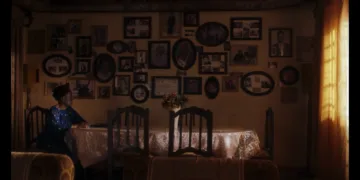
Flashbacks form another key structural element. Editors intercut scenes from the present with earlier periods in the women’s lives. We see them pregnant for the first time, then at early dinner parties filled with tentative optimism. Those past scenes often sit in warmer, softer lighting. In contrast, the present-day material arrives in cooler tones and harsher palettes. The visual shift does more than decorate the timeline. It tracks the way their friendships change from solidarity to suspicion. The flashbacks reveal that their relationships always contained small resentments and judgments. Betsy’s injury does not create tension from nothing; it exposes a history of unspoken criticism.
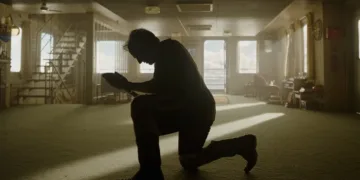
Eva Sigurðardóttir’s direction leans into disorientation as a way to mirror Jess’s state of mind. Repeated use of shallow focus isolates characters, keeping the world around them blurred and distant. Occasional moments distort reality, slipping toward hallucination. Sound design strengthens this effect. The cry of a baby surfaces on the soundtrack even when no child is visible, creating an echo of stress that never fully fades.
The visual and sonic choices tighten the sense of confinement. The homes themselves are stylish, high-end London houses. Once investigations begin, the camera frames those same spaces like cages. Walls appear closer. Doorways feel narrow. The stark brightness of the hospital contrasts with the darker shadows of domestic interiors, underlining how official scrutiny has invaded what used to feel like safe territory.
Themes of Judgment and Perfection
Little Disasters runs on the dismantling of the “Perfect Mother” ideal. The narrative presents that ideal as a trap that punishes any woman who fails to meet impossible expectations. Jess becomes the fallen figure who demonstrates how quickly admiration shifts to condemnation. The series examines the constant critique directed at mothers, from institutions and from social circles. The friend group behaves like its own informal surveillance system. They watch each other’s parenting choices, compare developmental milestones, and quietly rank decisions. The police case simply formalizes a level of monitoring that already existed inside the group.
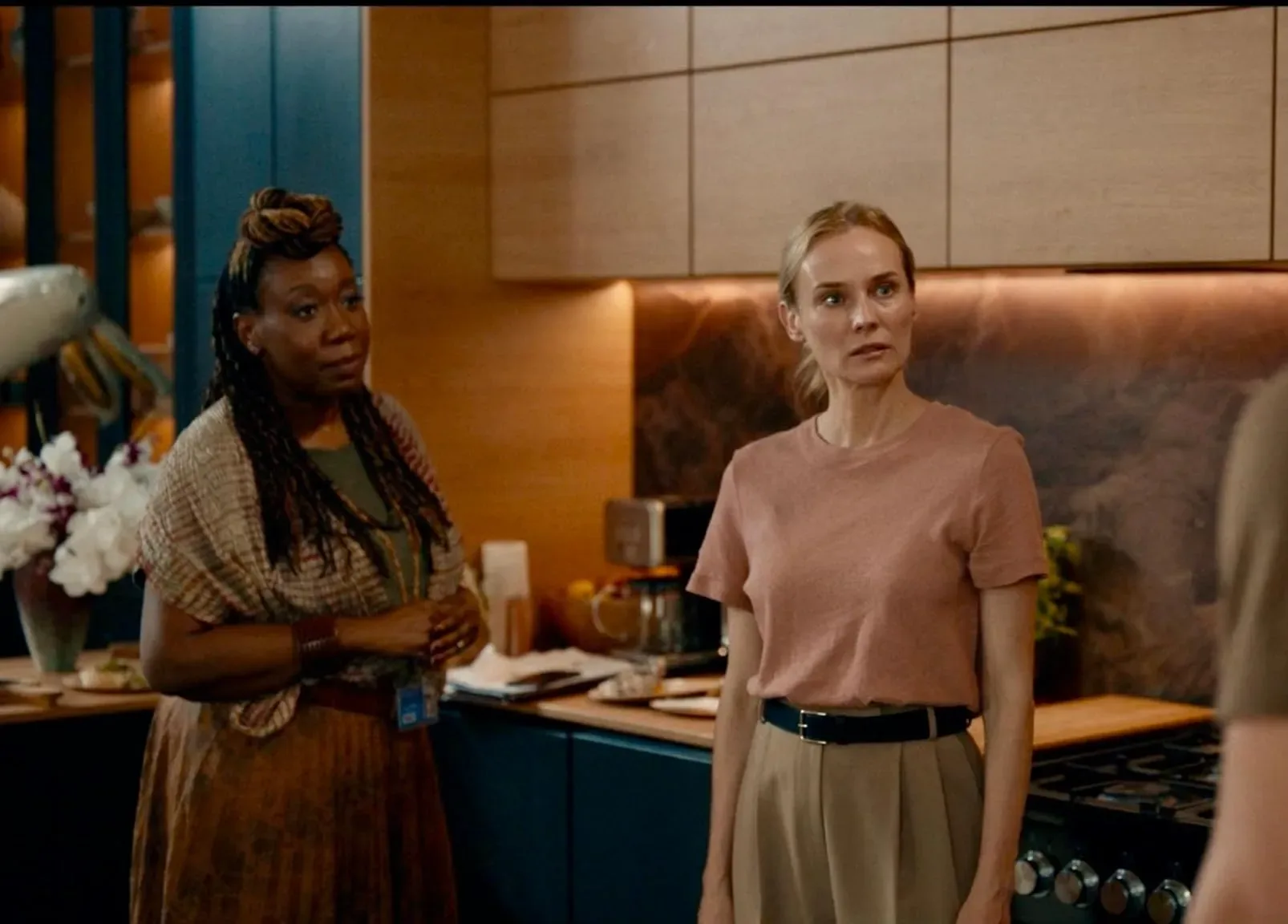
The story deepens this portrait by staging a clash between professional ethics and personal loyalty. Liz has to decide how to balance friendship with her responsibility as a doctor. The narrative asks where support ends and neglect begins. Silence might preserve a relationship while putting a child at risk. Reporting a concern might protect a child while tearing a family apart. The series refuses an easy moral verdict. It stays in that uncomfortable grey zone and invites the audience to consider what they would do. Making the accuser a close friend instead of an anonymous official makes the conflict feel intimate and deeply personal.
Economic difference pulses underneath these emotional stakes. The group splits along class lines. Charlotte and Ed occupy a wealthier tier, with resources that soften some of life’s blows. Mel and Rob try to keep their finances afloat and feel the strain of every setback. That imbalance shapes how characters see one another. Mel’s resentment toward Jess’s lifestyle influences her interpretation of events.
The show also spends time on the theme of medical distrust. Jess’s refusal of vaccines and her reliance on natural remedies arise from a desire to control at least one part of a frightening world. Beside Liz’s training and faith in medical protocols, this stance becomes a philosophical divide. Parenting choices start to look like political statements that can be turned into evidence. In that sense, the series treats family life as a microcosm of current cultural arguments about expertise, autonomy, and the impossible standards placed on parents.
Little Disasters is a psychological thriller limited series adapted from the bestselling novel by Sarah Vaughan. It delves into the dark side of modern motherhood, exploring how a single moment of suspicion can fracture a tight-knit group of friends. The series originally premiered in the UK and Ireland on May 22, 2025, and made its debut in North America and Australia on December 11, 2025. It is available to stream exclusively on Paramount+.
Full Credits
Title: Little Disasters
Distributor: Paramount+
Release date: December 11, 2025 (North America, Australia), May 22, 2025 (UK, Ireland)
Rating: TV-MA
Running time: 45–47 minutes
Director: Eva Sigurðardóttir
Writers: Ruth Fowler, Amanda Duke
Producers and Executive Producers: Myf Hopkins, Ash Atalla, Alex Smith, Marianna Abbotts, Sarah Vaughan, Simon Judd, Eva Sigurðardóttir
Cast: Diane Kruger, Jo Joyner, Shelley Conn, Emily Taaffe, JJ Feild, Ben Bailey Smith, Stephen Campbell Moore, Patrick Baladi
Director of Photography (Cinematographer): Trevor Forrest
Editors: Anil Griffin
Composer: Ragnar Ólafsson
The Review
Little Disasters
Little Disasters succeeds as a tense examination of maternal anxiety and social surveillance. Diane Kruger and Jo Joyner deliver sharp performances that ground the melodrama in genuine human emotion. The mystery engages the audience effectively, even if some plot mechanics feel familiar to the genre. The series manages to turn a single medical finding into a complex study of trust and betrayal. It is a solid choice for viewers who appreciate character-driven suspense over cheap shocks.
PROS
- Diane Kruger and Jo Joyner provide emotional depth that elevates the material.
- The use of sound design and visual disorientation effectively places the viewer in the protagonist's anxious headspace.
- The six-episode structure keeps the narrative tight without unnecessary filler.
- The script successfully deconstructs the toxic pressure of modern parenting standards.
CONS
- The direct-to-camera interview segments can break the immersion of the drama.
- The male characters often feel like plot devices rather than fully fleshed-out people.
- Experienced thriller fans may predict some of the narrative beats early on.