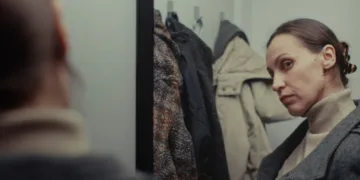
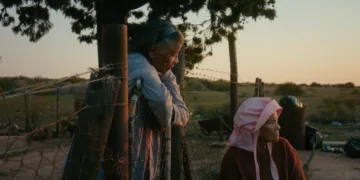




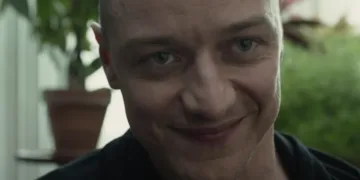
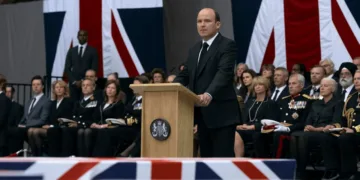



















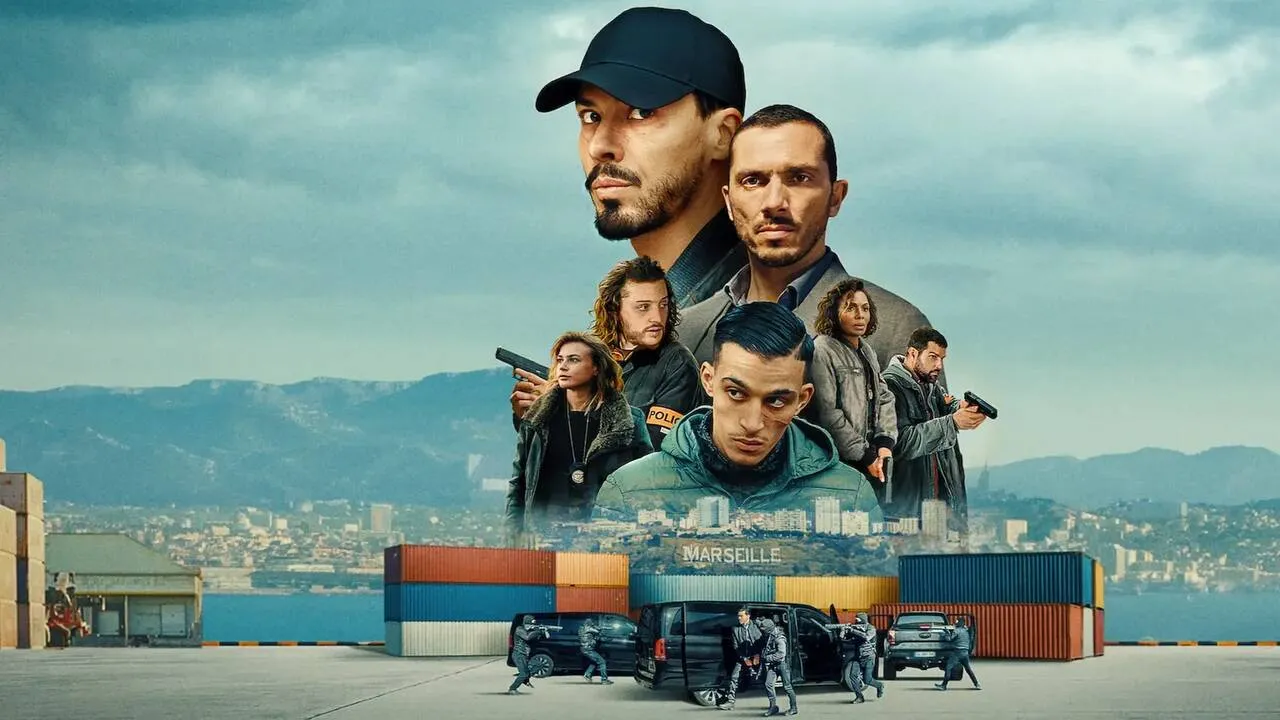

If the first season of Blood Coast had your speakers rattling, this return trip to the French Riviera might convince you to watch with your finger hovering over the volume button. Marseille refuses to sit quietly in the background. The city comes across as a sun-scorched, graffiti-tagged lead character that sweats hostility from every surface.
The story picks up three months after the disastrous finale that left the squad in pieces. The dust has settled, the emotional wreckage has not. Lyès Benamar, played with worn-down intensity by Tewfik Jallab, now occupies a prison cell. His absence leaves his rule-bending narcotics unit thrashing around like a headless hydra while Internal Affairs studies their every move with forensic enthusiasm.
The criminal ecosystem responds immediately. With Benamar off the chessboard, the power balance slides into dangerous territory. Established figures such as Ali Saïdi watch their turf erode under pressure from hungry newcomers. Mehdi Diaqui steps into this gap, a dealer who treats the old guard like outdated software and backs up that attitude with serious firepower. The French crime thriller label still fits. The show holds onto its mix of high-octane momentum and ethical murk, sprinting at a pace that regularly outruns its own logic. The draw remains the adrenaline and the impression of a city that lives one spark away from detonation.
Chaos Theory
This season’s structure resembles a street performer juggling knives while wobbling along on a unicycle. The writers keep several plotlines airborne and challenge you to track them all. The most immediate source of tension lies inside the squad. Without Lyès steering their chaos, the remaining officers drift toward bad decisions at high speed.
They cling to their “cowboy cop” approach as Victor Miranda from Internal Affairs breathes hot, bureaucratic air down their necks. An early incident, when they tamper with a crime scene report involving Mehdi and Max “Tatoo” Russo, sets the tone. It is a bold and deeply reckless play that underlines their routine disregard for procedure and establishes panic as the season’s dominant mood.
Running alongside the street mayhem sits the prison storyline. Lyès stays physically locked up yet still serves as the dramatic anchor. His arc behind bars compresses the show’s tension into cramped cells and narrow corridors, a tight counterpoint to the sprawling chaos outside in Marseille.
The stakes spike when Ali Saïdi leans in from a neighboring cell with a deal. Saïdi offers protection for Lyès’s family, with a specific focus on his daughter facing the instability of state care, in exchange for a hit on Franck Murillo and the dismantling of Saïdi’s enemies. Lyès starts pulling strings from inside the system, sending shockwaves through the plot with a series of frantic, improvised moves.
The season takes a clear risk by stacking so many threads at once. Internal Affairs, an escalating gang war, the officers’ private troubles, and a case built around a double homicide all compete for attention. This density creates a breathless viewing rhythm.
Some moments fly past so quickly that specific beats feel compressed or only half-addressed. You may sit there wondering how a character managed to teleport from point A to point B in what feels like one cut. The show rarely slows down to offer a map. It trusts that you are already watching the next explosion instead of asking about logistics.
Rogues and Rebels
Tewfik Jallab anchors the storm with a performance that looks physically draining. As Lyès, he plays a man boxed in by his own history. He combines the physical force of an action lead with the quiet panic of a father trying to keep his child away from the system. Jallab carries the character’s stress in his posture, his eyes, his voice. He convinces you that Lyès is clinging to sanity by a single, frayed thread.
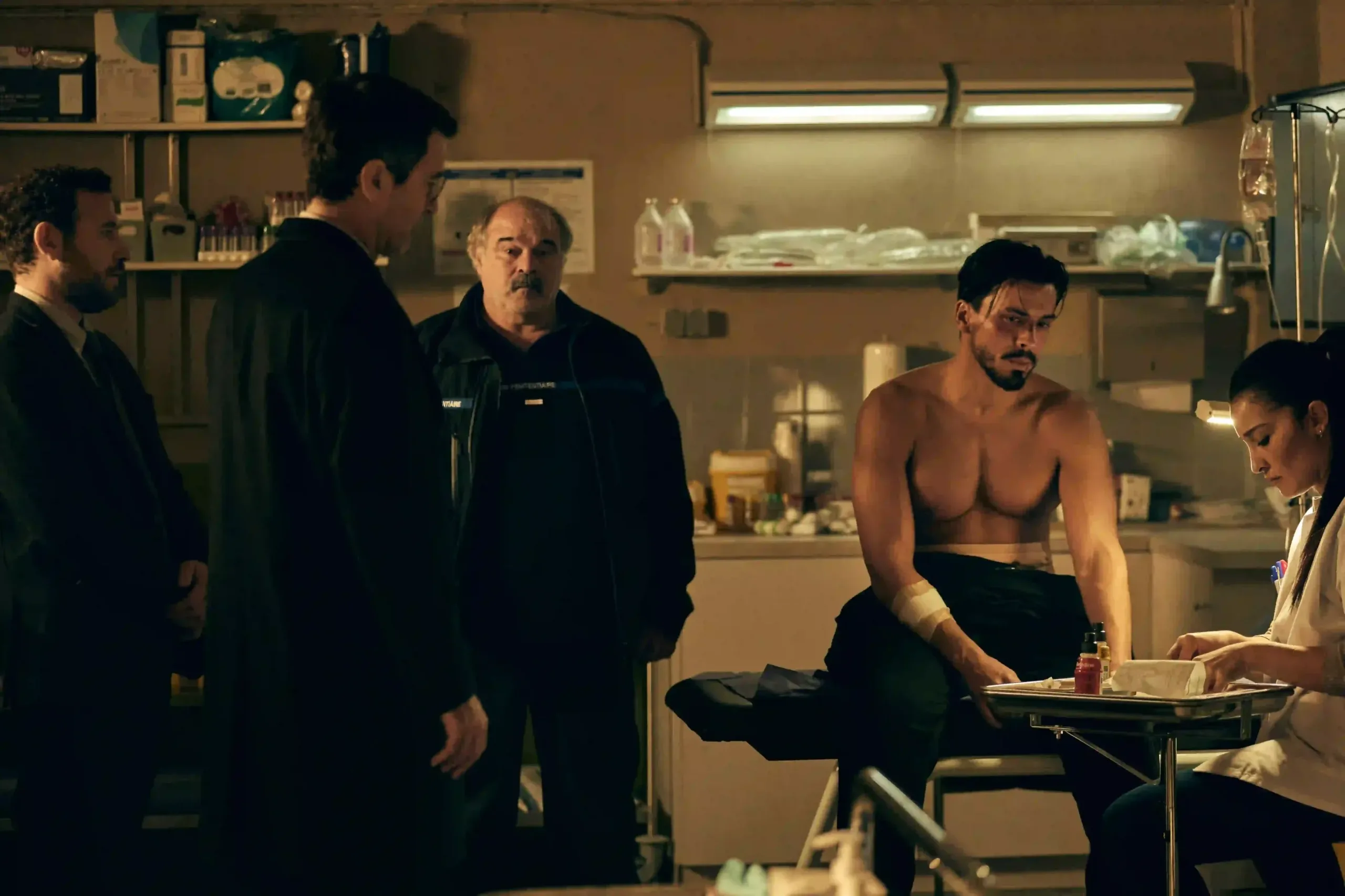
Facing him across the crime chessboard is Samir Boitard as Ali Saïdi. Boitard gives the crime boss a charismatic presence with layers of fatigue. Saïdi looks like someone who has grown tired of the game while still running the operation. The uneasy “frenemy” chemistry between Saïdi and Lyès generates some of the season’s most charged scenes. They function as twin products of the same rotten environment, locked into a relationship built on mutual recognition that no one else quite shares.
The rest of the unit receives plenty of room to unravel. Audrey Ilunga, played by Lani Sogoyou, steps into a brighter spotlight this time. Pressure mounts as a detective from Paris digs into her past crimes. Sogoyou’s ability to mix open disdain with buried panic stands out. She barely maintains control, and watching that self-control slip becomes one of the show’s sharpest character studies.
Alice Vidal returns, though her presence feels slightly less central than in the first run. She spends more time reacting to the storms around her than creating them. Arno and Tatoo serve as the squad’s dependable foot soldiers. They bring muscle and a streak of pitch-black humor. Their clashes with younger crooks like Mehdi underline the generational split inside Marseille’s underworld, where old rules meet new chaos and no one looks entirely comfortable.
Bullets and Banter
Director Olivier Marchal and his team commit to a visual approach that traps the heat and danger of the port city in every frame. The camera remains gritty and restless, shaking and darting to mirror the characters’ jittery energy. Action scenes show a clear upgrade in clarity compared to the first season. Nighttime brawls and alleyway fights look sharper. You can actually tell who is slamming whose head into which wall. That extra visual precision keeps the chaos immersive instead of muddy, even while the editing and pacing keep everything racing forward.
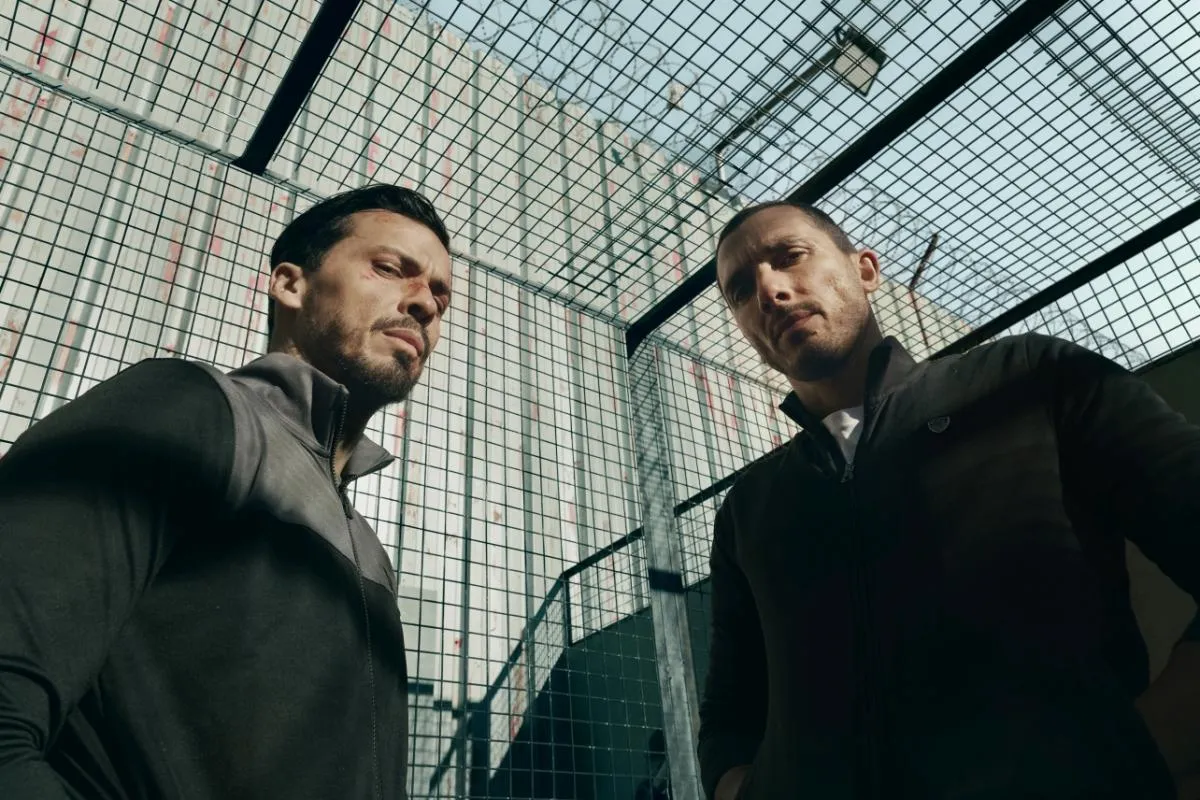
Set pieces arrive often and hit hard. An early prison shower fight lays down a marker for how visceral the season plans to be. Mishandled raids turn into large, sprawling gun battles that spill through streets and stairwells. The series mixes elements of methodical police work with big-screen action tropes. Cars go up in flames. Attacks in broad daylight play out with an almost casual boldness. The violence feels heightened, pitched at the level of stylized genre fiction rather than grounded procedural realism, and the show leans into that energy with gusto.
What keeps Blood Coast from sinking into pure misery is its sense of humor. Underneath the blood and broken glass, the series sprinkles in bleak jokes and sniping banter. Officers trade quips while staring down death. They bicker over petty issues while reloading guns. That humor underscores the team’s bond. It reveals how they manage the absurdity of their work and their own bad choices. These people behave like a group of damaged, cynical colleagues who still feel strangely endearing, even as they stack up terrible decisions.
The Cost of Doing Business
The show plants itself firmly in a moral grey area. It refuses to frame this squad as straightforward heroes. These officers lie. They bury evidence. They negotiate with traffickers to protect themselves. The script keeps returning to the same question: can the law be enforced in a city as volatile as Marseille without bending or breaking it. The story suggests that strict rule-following invites a coffin, while rule-breaking invites handcuffs. The characters operate inside that trap with a kind of weary acceptance.
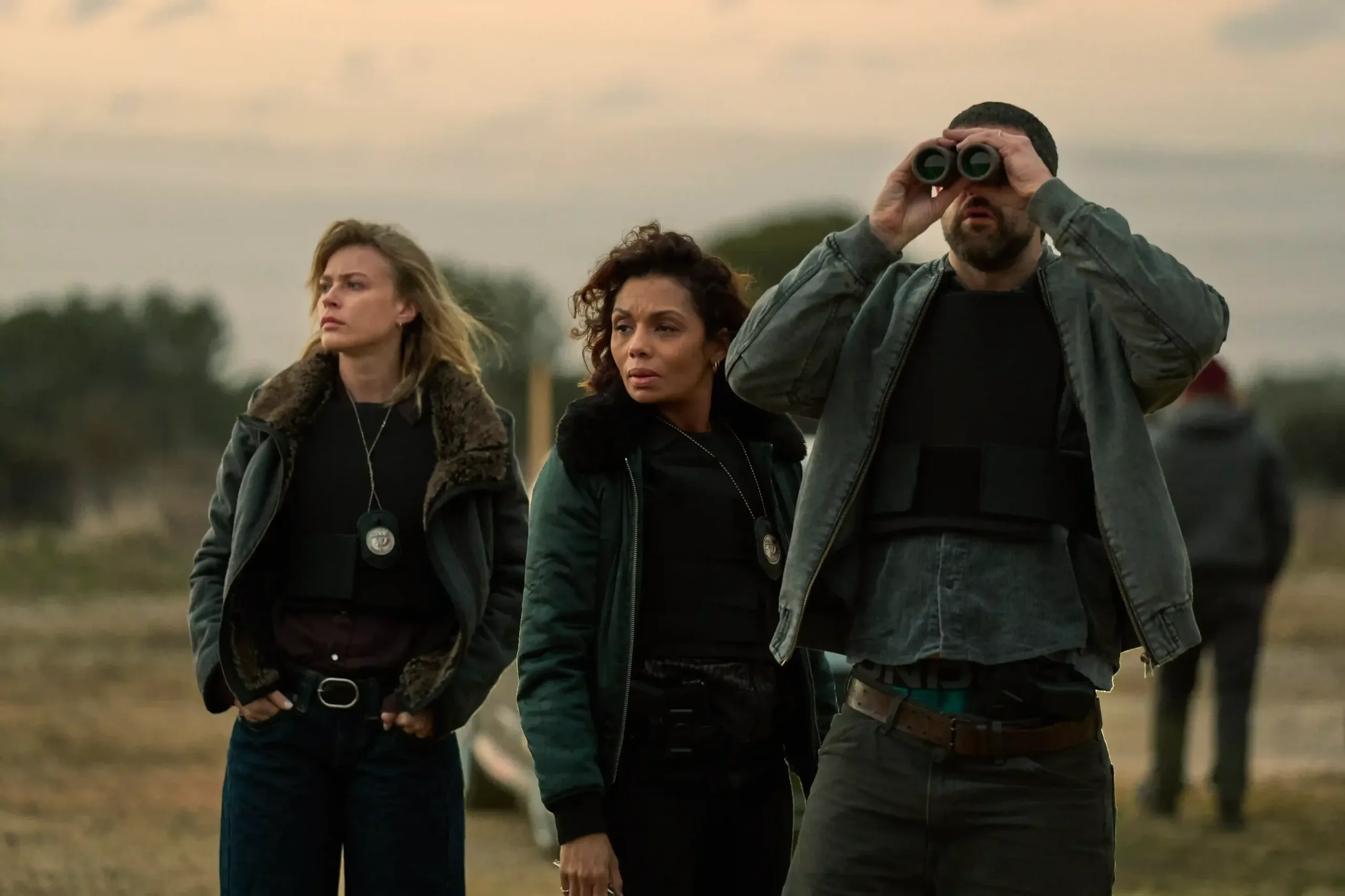
The fallout from Season 1 spreads through all six episodes. Nothing has been wiped clean. Lyès remains behind bars because of earlier choices. Internal Affairs pressures the unit because the squad crossed the line in the previous season. Old murders drift back into view and lock onto Audrey. The narrative respects the idea that actions carry a price. The past infects the present, and no one escapes that infection.
Loyalty and self-preservation shape nearly every relationship. Allegiances flip at high speed. Criminals turn on each other for a larger slice of the illegal economy. Mehdi betrays Saïdi without hesitation when it suits him. The cops cling to each other out of need rather than moral clarity. They behave like a tribe that protects its own against outside threats. That group instinct becomes the key difference between them and the gangs they target, and the show keeps poking at how thin that difference looks.
Controlled Demolition
Blood Coast Season 2 plays like a noisy, punchy thrill ride that favors adrenaline spikes over airtight plotting. The show does not chase prestige drama status. It embraces its identity as pulpy, sweaty, anxiety-inducing crime entertainment barreling through the underworld. Viewers who enjoy fast-paced European crime series will find plenty of material to latch onto.
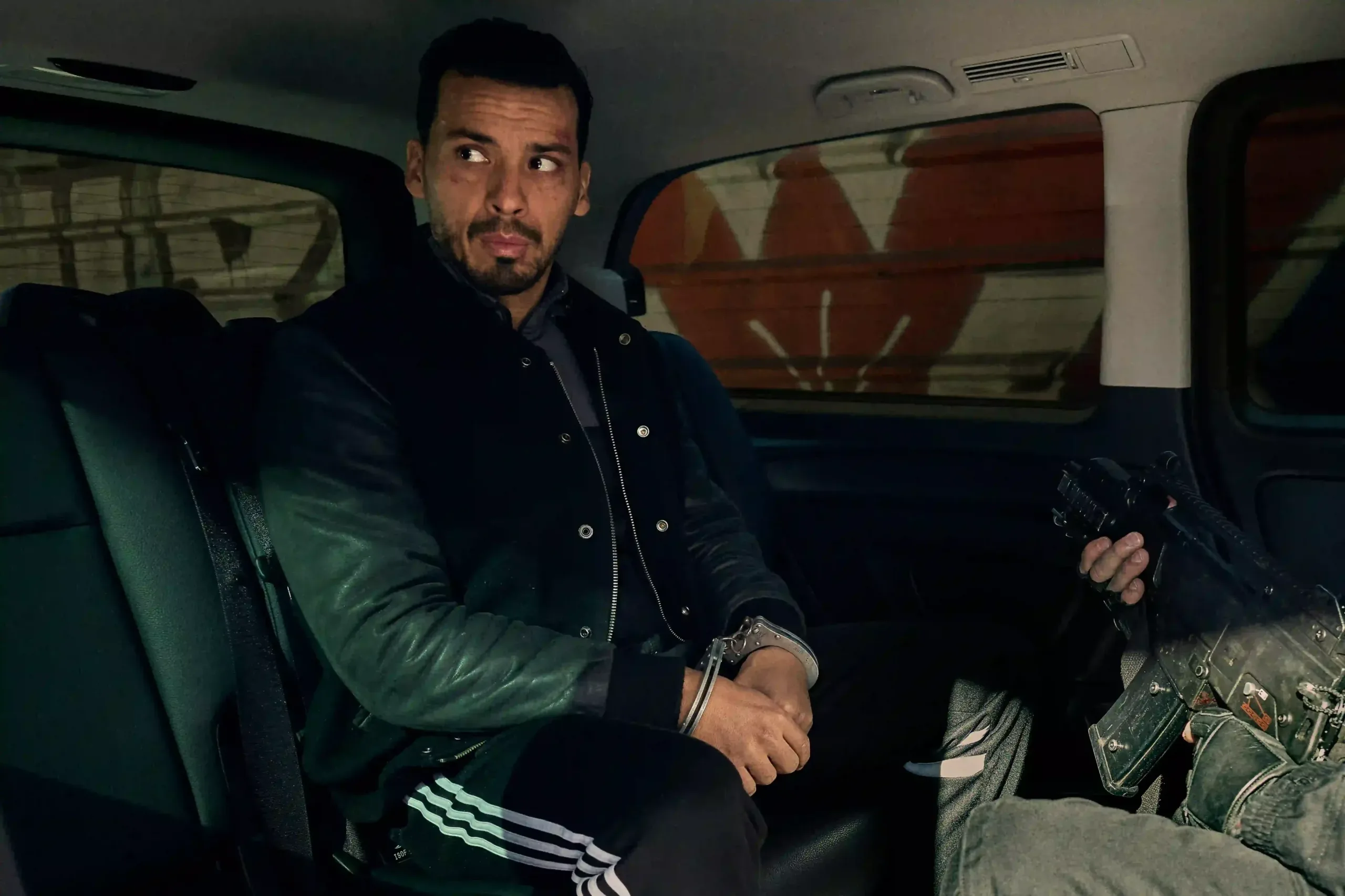
The jagged characters and stylized carnage sit at the center of the appeal. The storylines pile up and the pacing stays aggressive, yet the cast’s magnetism and Marseille’s relentless presence keep the experience watchable. By the time the season ends, you might feel wired, slightly scorched, and very curious about how anyone in this version of the city manages to sleep at all.
Blood Coast returned for its second season in December 2025. You can stream all episodes exclusively on Netflix. The series continues to follow the specialized narcotics unit in Marseille as they handle high-stakes criminal activities and internal drama.
Full Credits
Title: Blood Coast (Season 2)
Distributor: Netflix
Release date: December 6, 2025
Rating: TV-MA
Running time: Approx. 52 minutes per episode
Director: Olivier Marchal, Ivan Fegyveres
Writers: Kamel Guemra, Morad Koufane, Sledge Bidounga, Olivier Marchal, Edgar Marie
Producers and Executive Producers: Isabelle Degeorges, Soizic Gelbard, Gaëlle Cholet, Olivier Marchal
Cast: Tewfik Jallab, Jeanne Goursaud, Nicolas Duvauchelle, Lani Sogoyou, Olivier Barthélémy, Idir Azougli, Samir Boitard, Florence Thomassin, Diouc Koma
Director of Photography (Cinematographer): Denis Rouden
Editors: Raphaële Urtin, Thierry Rouden
Composer: Erwann Kermorvant
The Review
Blood Coast Season 2
Blood Coast Season 2 is a chaotic, adrenaline-fueled joyride that trades narrative coherence for sheer momentum. While the plot often threatens to buckle under the weight of too many threads, the gritty atmosphere of Marseille and the desperate, sweat-drenched performances of the cast keep it compelling. It is a messy, morally ambiguous thriller that knows exactly what it is: a loud, violent, and entertaining descent into the grey zones of justice.
PROS
- The show moves at a breakneck speed, ensuring there is never a dull moment.
- Marseille looks stunningly gritty, acting as a vibrant character in its own right.
- Improved cinematography makes the brawls and shootouts visceral and easy to follow.
- The dysfunctional dynamic of the squad provides humor and heart amidst the violence.
CONS
- With the team fractured, the emotional core of the show feels occasionally diluted.
- Characters often jump from point A to B with little logical explanation to keep the pace up.
- Too many subplots compete for attention, leaving some storylines feeling rushed.