

























![Kingdom Hearts Collection [I-III] Review](https://gazettely.com/wp-content/uploads/2026/10/Kingdom-Hearts-Collection-I-III-1-360x180.webp "Kingdom Hearts Collection [I-III] Review: KHII Holds Steady as Newer Entries Fluctuate 37")



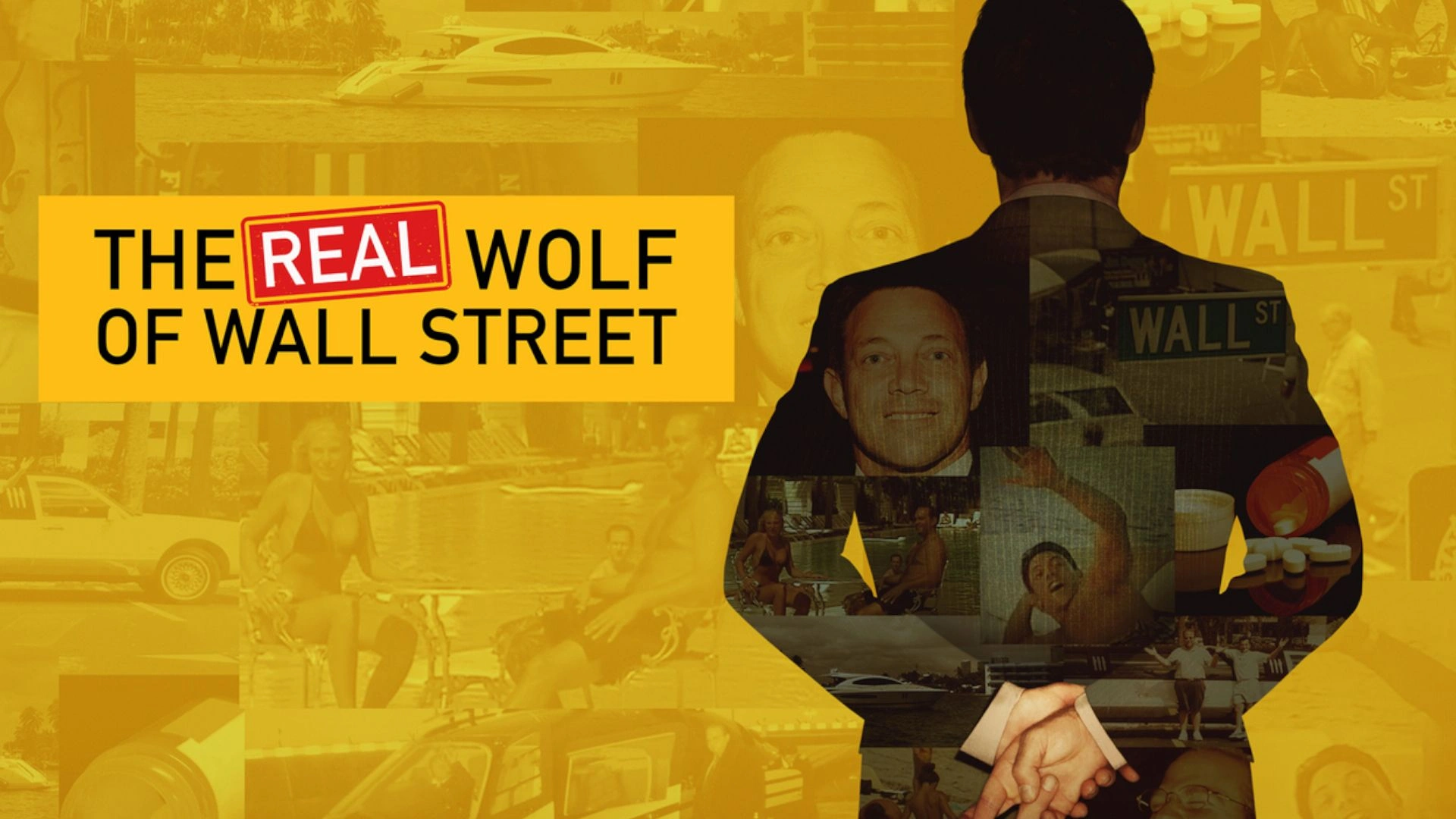

The strange problem facing The Real Wolf of Wall Street is that Martin Scorsese already did the fact-checking. Paramount+ arrives with three episodes, former Stratton Oakmont executives, investigators, home videos, and a promise that the real story was darker than the 2013 film.
Then Donna Schlessinger says the movie got the office culture right. Ross Portenoy agrees. The Brookville Country Club collapse happened. The yacht really sank. Quaaludes and cocaine were less dramatic license than office supplies.
Jordan Belfort does not sit for an interview, which should free the series from his habit of turning every confession into sales copy. Childhood friends recall his early hustles, colleagues explain the move into penny stocks, and investigators map the machinery that turned persuasion into theft. Yet the Wolf remains the gravitational force in every room. He skipped the production and still got top billing. That may be his best sales trick yet.
The Boiler Room Remembers Fondly
Stratton Oakmont was built as a confidence factory. Belfort recruited young men with little financial experience, handed them aggressive scripts, filled the office with football-style speeches, and rewarded performance with watches, money, drugs, and belonging. Howie Gelfand describes motivating hundreds of “phone terrorists,” a phrase that captures the operation’s moral inversion. The brokers treated cold calls like combat and investors like scenery.
The series explains the pump-and-dump system with welcome clarity. Brokers pushed near-worthless stocks, inflated prices, sold controlled shares, and left clients holding paper that had lost its value. Shell companies and Swiss accounts expanded the fraud once regulators began closing in. The method was simple enough. The appetite was industrial.
What gives these interviews their charge is the affection that survives the indictments. Former employees recall Belfort’s generosity, energy, and ability to make insecure recruits feel chosen. Some went to prison and still speak like alumni invited back for homecoming.
The editing occasionally lets that nostalgia run without friction, so criminal exploitation starts sounding like a difficult workplace with excellent parties. Apparently the employee benefits package included federal sentencing.
When the Party Leaves the Office
The documentary gains weight whenever it moves away from Stratton Oakmont’s former kings of the telephone. An anonymous investor describes legitimate shares being sold without permission and money redirected into manipulated stocks. Suddenly the joke has an invoice. The loss is measured through years of work and security, not through Belfort’s sports cars.
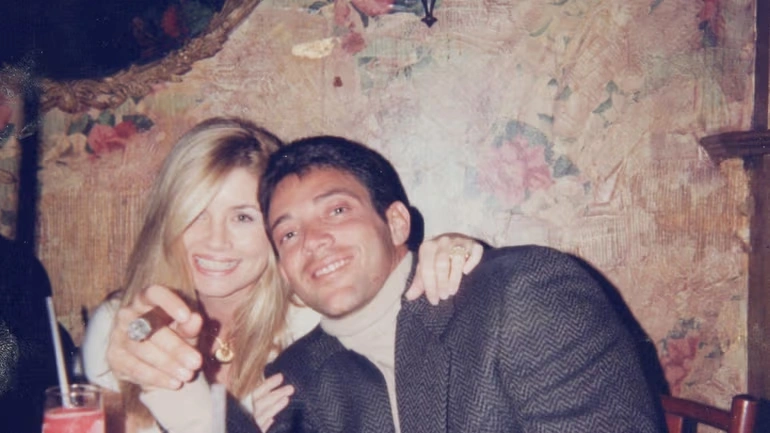
Archive material featuring Nadine Macaluso cuts deeper. Her account of Belfort sending thousands of flowers shows how his sales instinct entered his private life: overwhelm the target, create a fantasy, close before doubt arrives. Her memories of addiction, fear, and protecting her children strip the Quaalude stories of their frat-house glow. A man crawling toward his car can play as grotesque comedy in a feature film. Living with that man is another genre.
The series needed far greater pressure from this perspective. Its victim testimony is limited, while former brokers receive room to reminisce about cash, sex, and office chaos. The imbalance does not excuse Belfort, yet it keeps the storytelling tilted toward the people who had the most fun causing the damage. Who gets the longest anecdote often matters as much as who gets the final word.
A Second Career Built from the Wreckage
FBI agent Gregory Coleman and federal prosecutor Joel M. Cohen provide the procedural spine. Their accounts move from suspicious trading patterns to offshore money, unlicensed brokers, and Belfort’s hidden control after regulators barred him from the industry. The Queens shopping-center exchange involving a luxury car and a briefcase carrying $200,000 has none of Scorsese’s velocity. It feels grubby, nervous, and real.
Belfort’s eventual choice to cooperate gives the series its sharpest moral turn. Facing a severe sentence, he wore a wire against associates and served 22 months. In prison, Tommy Chong encouraged him to write the memoir that became The Wolf of Wall Street. The fraudster lost his brokerage and discovered intellectual property.
That reinvention is where the series should bite hardest. Belfort turned securities fraud, addiction, betrayal, and investor losses into books, speeches, podcasts, and a celebrity persona. The Real Wolf of Wall Street recognizes the obscenity of that second act, then packages the old footage, wild stories, and familiar movie comparisons into another sleek product. It wants to interrogate the legend, yet it keeps checking how the legend looks on camera. Belfort is absent. The sales pitch is not.
This three-part documentary series premiered on July 14, 2026, and is currently available to stream on Paramount+. The project examines the true story behind the rise and fall of Jordan Belfort and his firm, Stratton Oakmont, utilizing never-before-seen footage, FBI documents, and firsthand accounts to provide a factual perspective on the events that inspired the 2013 film.
Full Credits
Title: The Real Wolf of Wall Street
Distributor: Paramount+
Release date: July 14, 2026
Rating: TV-MA
Running time: Approximately 50–52 minutes per episode
Producers and Executive Producers: See It Now Studios, Maxine Productions, Bloomberg
Cast: Nadine Belfort, Bo Dietl
The Review
The Real Wolf of Wall Street
The Real Wolf of Wall Street promises to expose the fiction, then discovers Martin Scorsese had already filmed most of the truth. Its former Stratton Oakmont brokers supply lively testimony and alarming nostalgia, while Nadine Macaluso, an anonymous investor, and the investigators restore some human cost to the circus. The series is polished, absorbing television, yet it remains fascinated by the same drugs, parties, and criminal swagger it claims to reassess. Belfort declined to appear, but somehow still controls the room. Salesmanship has excellent residuals.
PROS
- Revealing insider interviews
- Strong archival footage
- Clear account of the fraud
- Valuable victim testimony
CONS
- Few substantial new revelations
- Brokers romanticize the culture
- Victims receive limited space
- Repeats the film’s familiar spectacle







