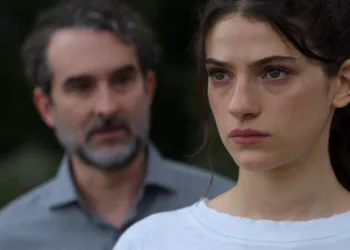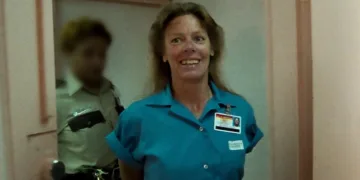





























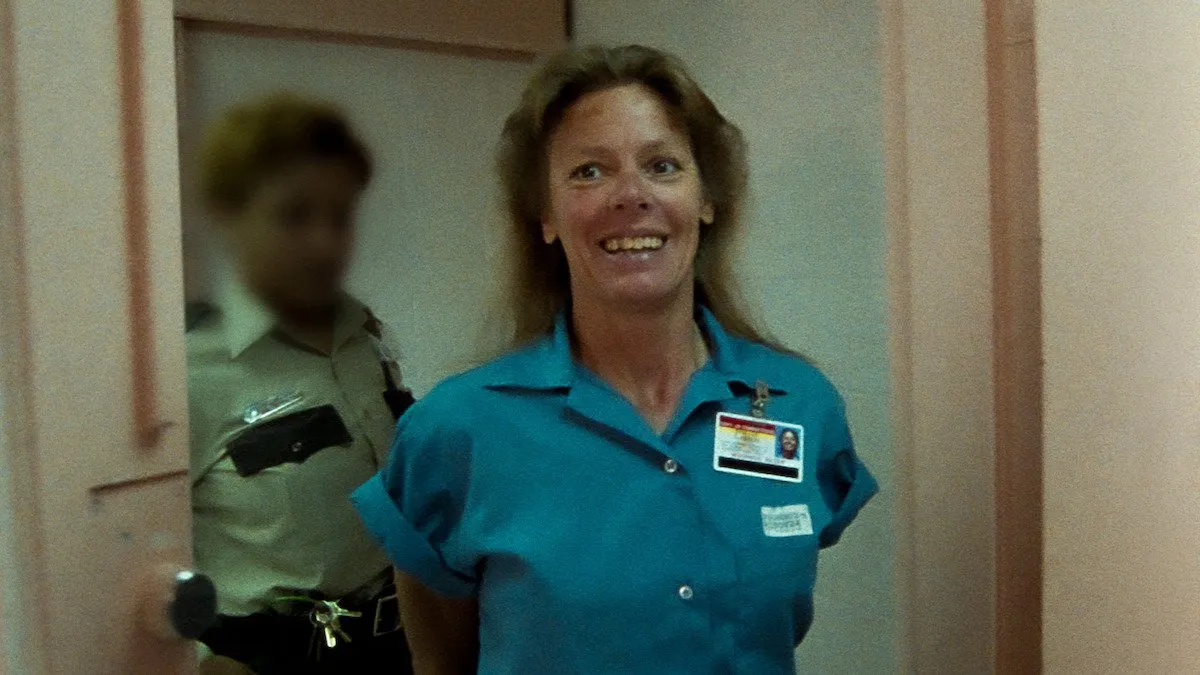

Aileen: Queen of the Serial Killers revisits the disturbing case of Aileen Wuornos, among the most notorious female serial killers in the United States. Between 1989 and 1990, she killed seven men in Florida. The film differentiates itself through rare archival footage and extensive first-person interviews with Wuornos, including recordings from her ten years on death row.
The approach reads as a sombre psychological study that avoids the flash of commercial true-crime features popular in global entertainment. The goal is to restore a human face to someone long reduced to a monstrous label while refusing to excuse the harm she caused. Her life is framed through societal failure, a perspective that recalls the institutional critique often found in South Asian parallel cinema.
The Subject’s Unsettling Testimony
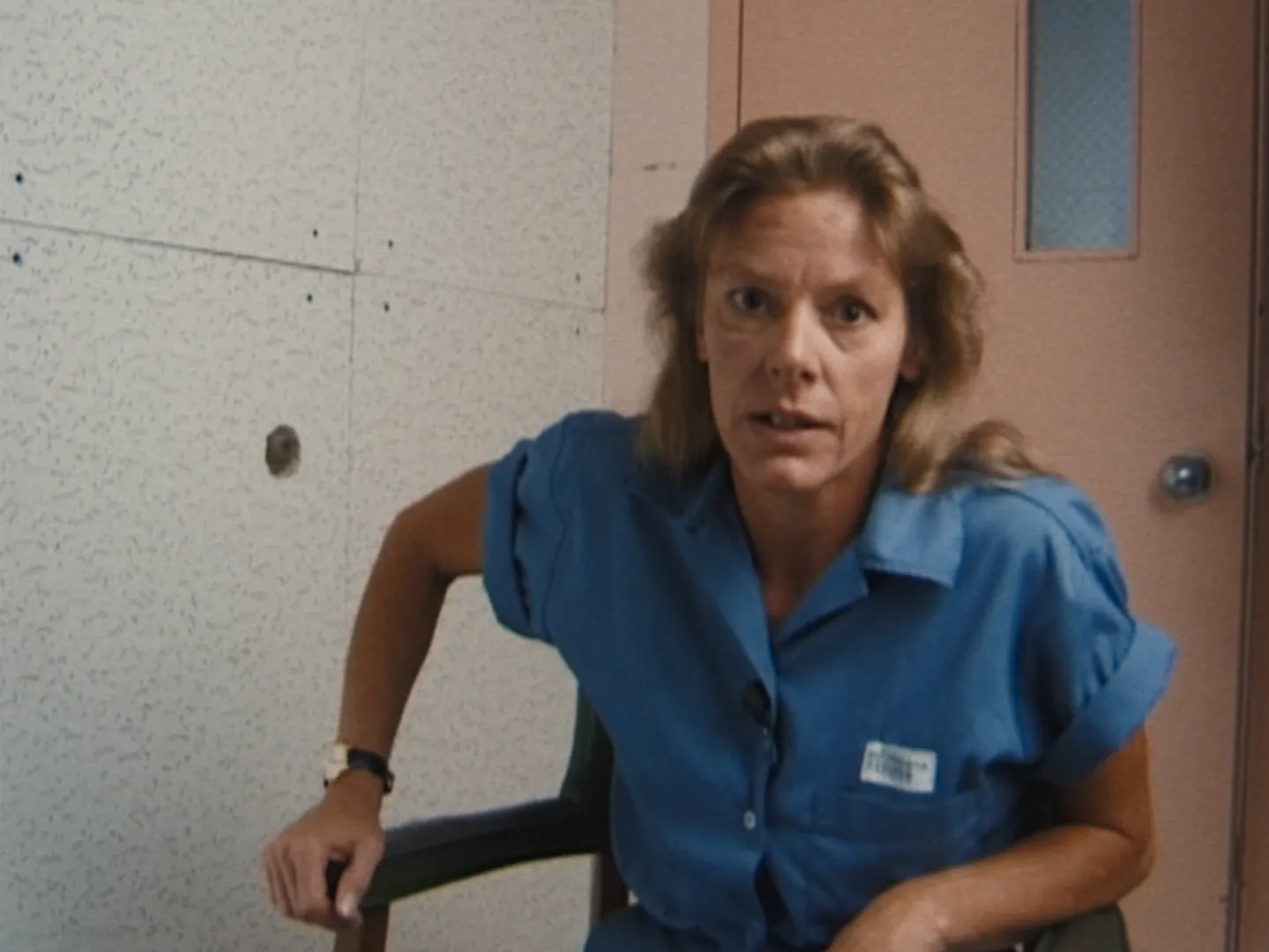
The production’s standout asset is access. Firsthand, previously unseen death-row material and police interrogation recordings drive the film. This direct record places the audience face to face with Wuornos. Across these tapes, her voice and behavior pull in opposing directions.
She sounds angry, wounded, and defensive while describing abuse, yet she can be sociable and eager for attention, fully aware of a tabloid image that calls her “The queen of true crime.” Her account of the killings shifts over time, moving from an initial claim of self-defense to a later full confession. The conflicting stories keep her opaque from start to finish.
The film includes her history of abandonment, sexual abuse, and exploitation and studies how these experiences shaped her, while refusing to turn them into absolution. One detail lands with particular force: a recorded phone call with her lover, Tyria Moore, where Wuornos confesses in part to shield Moore. The moment introduces a stark expression of loyalty inside a fractured psyche.
Judicial Theater and Social Failure
The documentary traces the legal process from arrest through her 2002 execution with close attention to procedure. This record raises basic questions about the fairness of her trial. The film scrutinises the Florida justice system and underlines signs of bias.
Also Read






It describes a self-righteous lead prosecutor seemingly chasing a moral victory over truth and points to the strange removal of the female judge. The portrait that emerges cites misogyny, religious fervor, and social conservatism as corrupting forces that shaped the case, an institutional decay recognizable to audiences familiar with public legal spectacles in many countries.
The media response compounded the damage. Archival news clips present an instant spectacle that branded Wuornos a “hooker from Hell,” a label that flattened complexity into caricature. The film treats gender, violence, and exploitation as structural themes and shows how a society that fails people can later cast them as monsters.
A Reflective, Authentic Vision
The directing strategy remains steady and reflective and avoids sensational flourishes. The film concentrates on the ethics of her punishment and the system’s role in her collapse, keeping empathy and justice in the same frame.
The pacing favors patience, yet the reach of the material means a few key stretches, including trial specifics and final prison interviews, pass more quickly than expected. On craft, the film succeeds. Editorial choices weave archival clips and period atmospherics into a coherent texture that sustains authenticity and a persistent sense of dread and sorrow.
Music, image selection, and measured cutting support a tone of grave attention. The film leaves a thought-provoking inquiry that renders Wuornos with rare humanity, even as it offers no easy answers and reveals no new factual ground. The result connects an American case to global conversations about media spectacle, systemic neglect, and the ethics of punishment, with echoes that align with traditions seen in Indian parallel cinema and with crime documentaries that prize patient observation over sensation.
Aileen: Queen of the Serial Killers is a 2025 documentary film that revisits the notorious case of Aileen Wuornos, an American serial killer who murdered seven men in Florida between 1989 and 1990. The film utilizes extensive archival footage, including never-before-seen interviews recorded while Wuornos was on death row, to offer a psychological study of her troubled life and the societal failures that shaped her. The documentary premiered on October 30, 2025, and is available to watch on Netflix. The running time is approximately 104 minutes.
Credits
Title: Aileen: Queen of the Serial Killers
Distributor: Netflix
Release date: October 30, 2025
Rating: TV-MA
Running time: 104 minutes
Director: Emily Turner
Writers: Emily Turner, Jinx Godfrey
Producers and Executive Producers: BBC Studios Documentary Unit, NBC News Studios
Cast: Aileen Wuornos, Michele Gillen, John Tanner, Tyria Moore, Steve Binegar, Dawn Botkins, Gayle Graziano
The Review
Aileen: Queen of the Serial Killers
The documentary succeeds by refusing easy answers and demanding reflection on systemic failure. Its strength lies in unprecedented access to Wuornos's raw, contradictory testimony, making her personal tragedy painfully real. The film is a necessary, if sometimes fragmented, critique of sensationalism and judicial bias. It offers a powerful, humane portrait that forces viewers to confront the uncomfortable relationship between trauma and crime.
PROS
- Unprecedented access to rare archival and death-row interview footage.
- Provides a raw, powerful presentation of Aileen Wuornos’s contradictory personality.
- Provides a raw, powerful presentation of Aileen Wuornos’s contradictory personality.
- Maintains a sombre, reflective, and non-sensational directorial tone.
CONS
- The film occasionally feels rushed in its coverage of complex thematic areas.
- The subject remains an enigma, leaving some psychological aspects unresolved.
- Revisits a well-known story, providing thematic reassessment more than new facts.