
























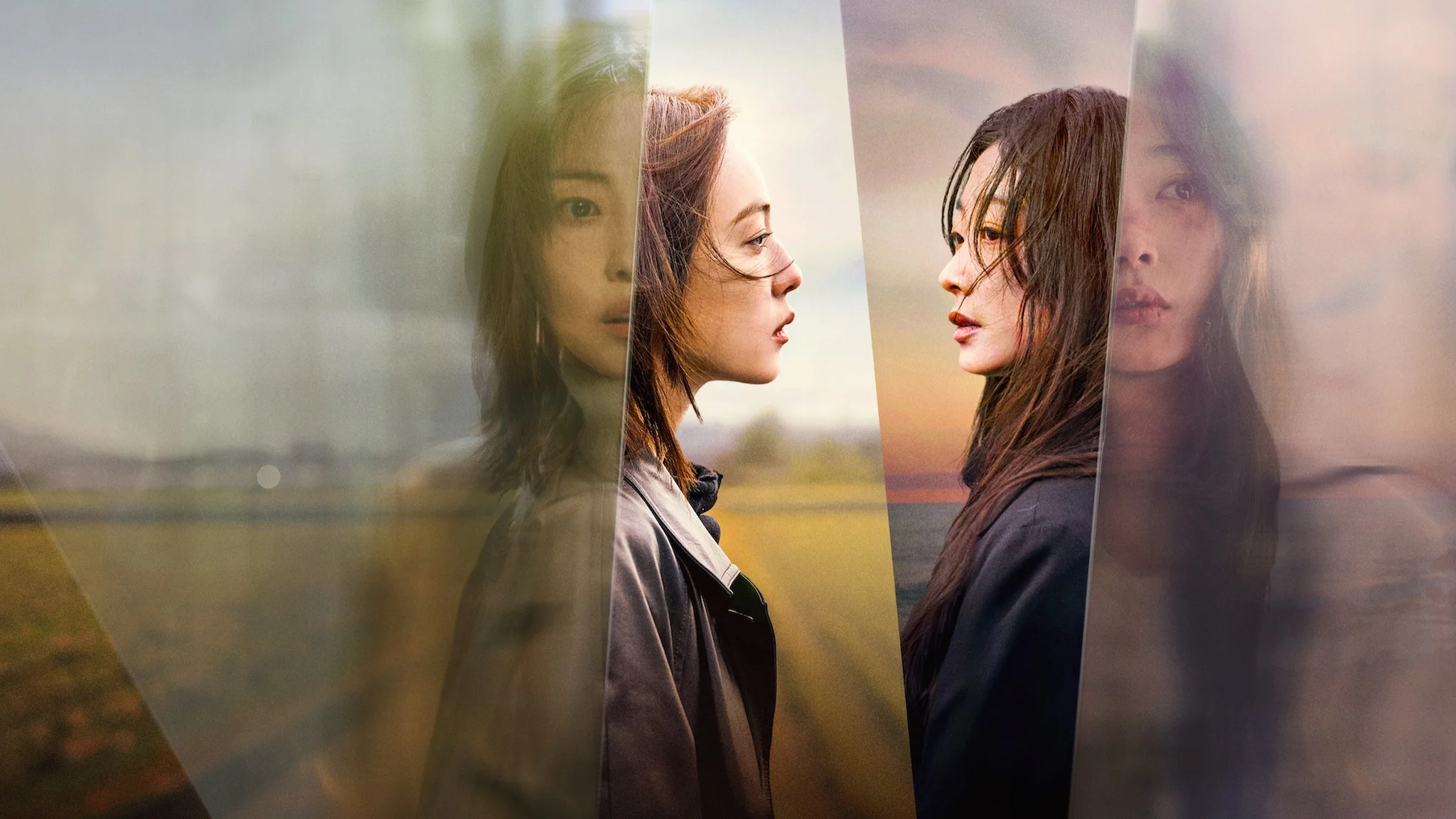

As You Stood By (Dangsini Jugyeossda) arrives as an intense, eight-episode Netflix K-drama that exchanges the genre’s familiar romantic beats for a bleaker register. The series stakes its ground early: it centers on domestic abuse and the drastic measures two women take to escape its reach. Jo Eun-su (Jeon So-nee) carries the long shadow of violence from her family’s past.
Her best friend Hui-su (Lee Yoo-mi) exists inside a marriage that functions like a cage. As Hui-su endures harm at the hands of her husband, Jin-pyo, the pair discover that official avenues of help are unreliable. That failure pushes them toward the ultimate, desperate decision: to kill the abuser.
Adapted from Hideo Okuda’s novel Naomi & Kanako, the show maintains a relentlessly dark atmosphere, an emotionally earnest tone, and steady suspense. It lingers on the psychological fallout of violence before the mechanics of the thriller take over. Across eight hours it accomplishes a rare thing: converting moral panic into pure narrative momentum.
The Burden of Silence
Trauma haunts this story like a recurring image, one that shapes relationships and choices over decades. Eun-su shoulders a form of witness guilt that registers as a quiet, persistent wound. Her efforts to manage that history inform both professional moves and personal instincts. The series makes this visible in her body language: she trains in jiu-jitsu, an attempt to master force and direct it where she chooses, a countermeasure to the helplessness of a childhood spent hiding in a closet. She flinches. She keeps a wary distance from unpredictable figures such as the enigmatic CEO Jin So-baek. Those habits show a fear that never entirely leaves her.
Eun-su’s choice to step in for Hui-su reads as the last, catastrophic attempt to erase an old failure: she could not protect her mother from an abusive father and the police response at the time was indifferent. Years later officers dismiss Hui-su’s bruises with the same casual neglect. Those institutional refusals harden Eun-su’s conclusion that the law will not step in.
Hui-su’s day-to-day existence is rendered as domestic imprisonment. The performance of exhaustion, the small, shrinking gestures, the forced smiles and hidden bruises all accumulate into a portrait of powerlessness. Scenes with her husband, Jin-pyo, are especially instructive. He purchases expensive jewelry as “surprises” even though she loathes them. Those gifts read as control masquerading as largesse, public gestures that tighten his hold through manipulation and isolation. Hui-su’s silence and the way Lee Yoo-mi presents it are devastating; the acting transforms private suffering into an instantly legible, deeply felt reality.
Also Read






The affection between the two women forms the emotional engine of the series. Their shared history and mutual care create a private refuge in a world that otherwise offers none. That bond becomes the direct motivation for their radical act. The revenge that follows feels rooted in survival. It is personal and driven by a need to preserve life and dignity rather than simple revenge. Their connection supplies a counterbalance to the prevailing darkness.
Early episodes position social apathy as a central antagonist. The series issues a bleak indictment of inaction that echoes familiar critiques in contemporary K-drama about privilege and the untouchable wealthy. Bystanders appear everywhere: in-laws, neighbors, clients at Eun-su’s department store. They look away when distress is plain.
The episode in which Eun-su’s client, Mrs. Kang, is beaten and then placated with five hundred gifts to reward Eun-su’s “discretion” lands as pointed satire. Wealth acts as a buffer that buys silence and impunity. Police reluctance to take domestic reports seriously is depicted repeatedly, and those institutional lapses validate the women’s grim calculus. When public systems refuse to see violence behind closed doors, the victims feel forced to pry those doors open by other means.
When Agency Becomes Anarchy
The show transitions from intimate study to high-stakes crime thriller in a manner that feels earned. The pivot follows external shocks, chiefly the devastating fate of Eun-su’s VIP client, Mrs. Kang. Mrs. Kang’s suicide crystallizes Eun-su’s conviction that waiting for rescue equals choosing death. That moment serves as the narrative tipping point. Immediately afterward a sequence with the mysterious Jin So-baek supplies a kind of dark suggestion. His offhand remark that the women should consider counter-violence rather than self-harm plants the seed of a plan. Structurally this is clever; it converts private despair into a brutal, lucid form of agency and signals a clean departure from standard melodrama.
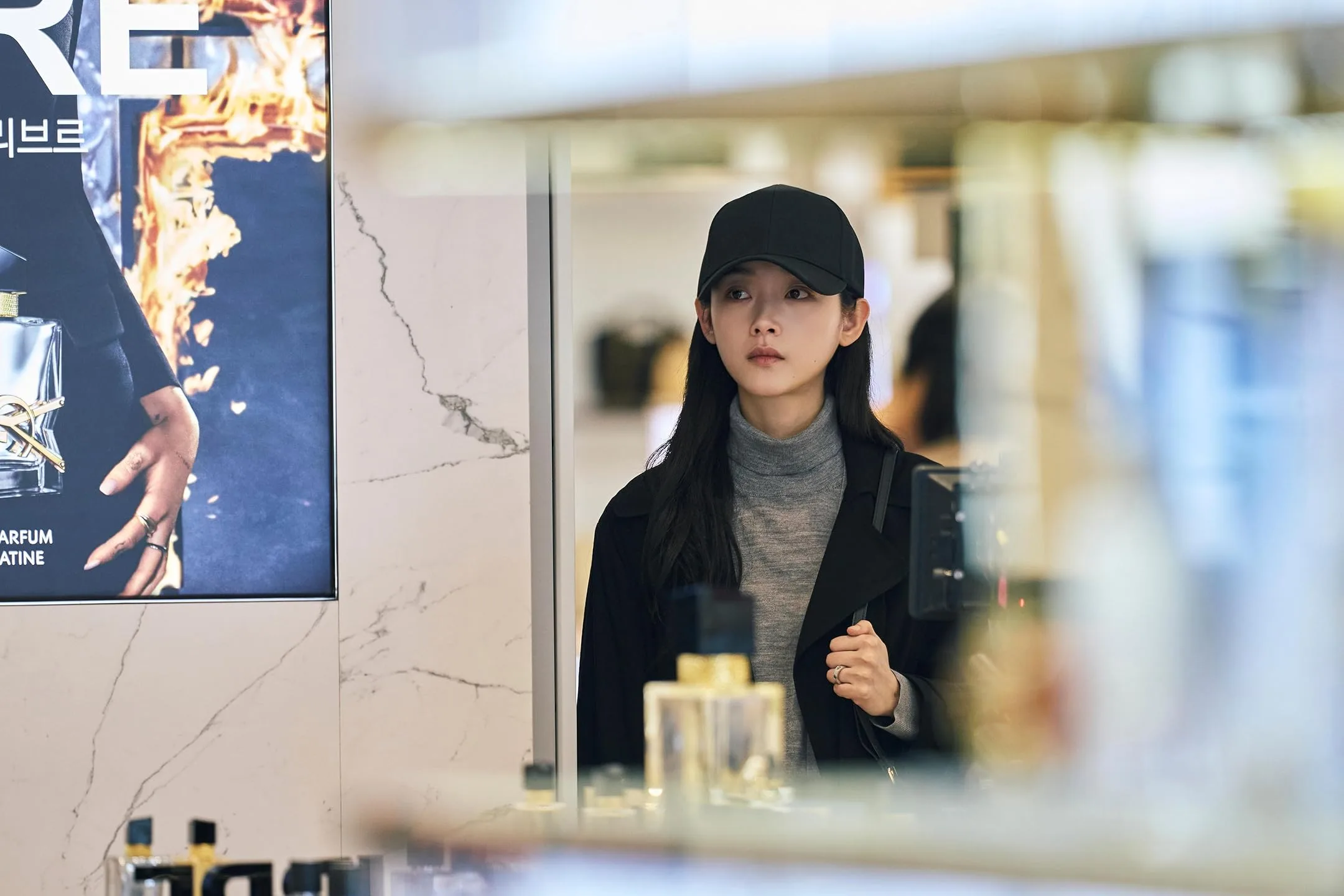
Once the murder is set in motion, the series leans into the messy, chaotic reality of amateur criminality. The doppelgänger device, Jang Kang, stretches plausibility but it functions as a mechanism to complicate the story. It confirms that these women are not trained conspirators but desperate people improvising under pressure.
The doppelgänger plot forces them into identity deception and produces immediate, authentic difficulties. The immediate aftermath is a cascade of panic and error. Their attempts at handling evidence and executing the swap reveal operational ineptitude. That ineptitude keeps the suspense real. The characters do not resemble masterminds; they resemble friends sinking into quicksand.
As further bodies accumulate, the emotional suspense morphs into procedural strain. New threats complicate the cover-up and multiply risk. Jin So-baek shifts from a merely odd flirt and business owner into a figure whose influence grows and whose motives harden into ambiguity. He acquires a presence that hints at blackmail or uneven alliance. His intentions remain unclear, which adds a sustained psychological tension.
At the same time Jin-young, the detective sister of the victim, enters as the official investigator who raises the stakes. Her measured, methodical approach reads as a perfect counterpoint to the protagonists’ improvised panic. She does not perform theatrics. She collects evidence with quiet persistence and thereby tightens the noose around the women. The series preserves high tension as legal scrutiny and opportunistic players converge on the protagonists.
The Language of Fear and Fury
The cast keeps the story grounded in human pain and thereby lifts it above plot mechanics. Jeon So-nee gives Eun-su a controlled, inward intensity. Trauma simmers underneath a professional polish. Eun-su’s job as a VIP handler demands close attention to detail and that requirement mirrors her insistence on control in life. Her composed exterior fractures in decisive moments, such as a drunken release with So-baek, and those breaks render her morally fraught choices comprehensible. She functions as a reluctant avenger animated by protective anger and her performance is low-key but potent.
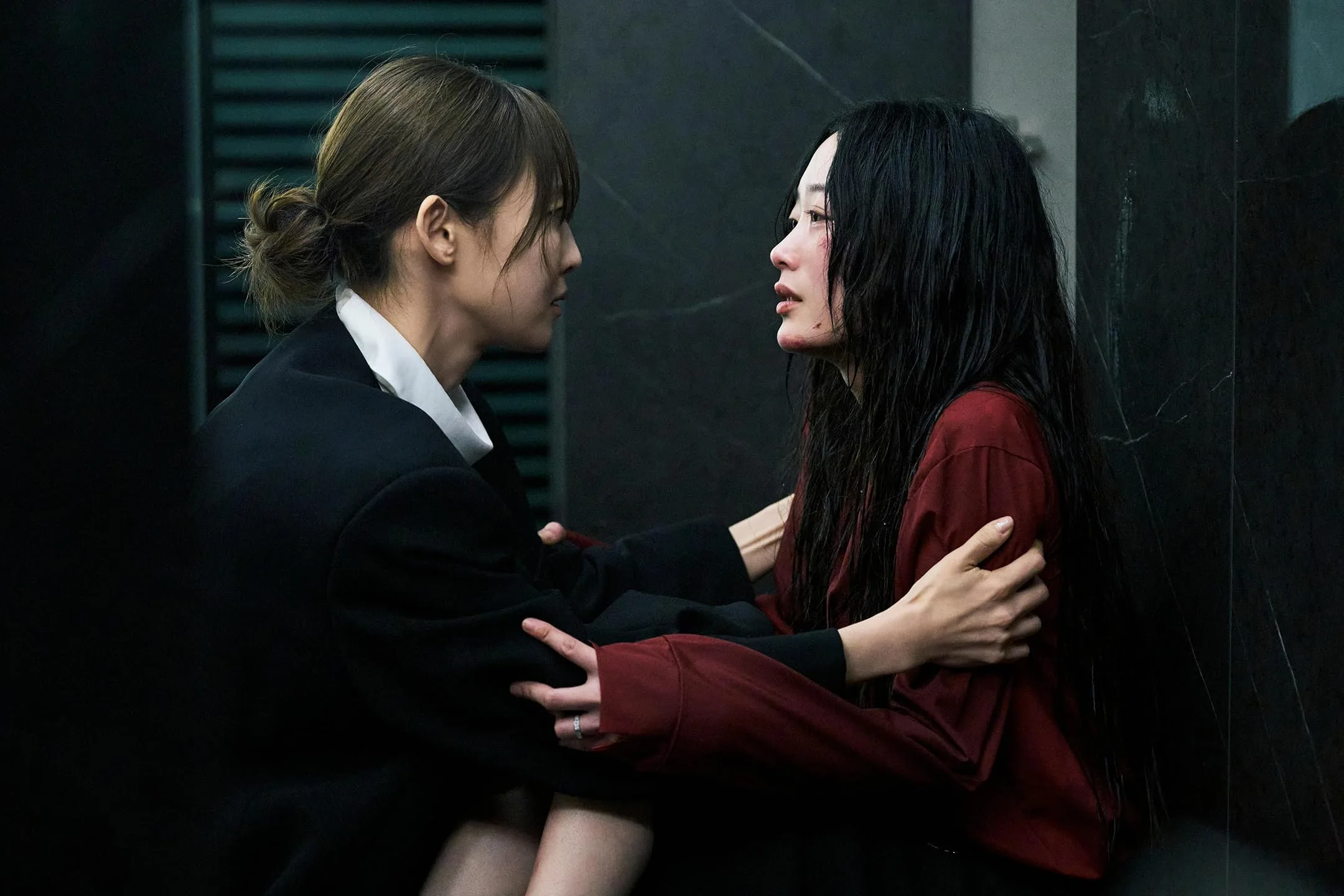
Lee Yoo-mi’s Hui-su is a study in residual damage. She communicates fear and exhaustion through minimal physical cues: a voice that trembles, a posture of defeat, the habitual shrinking from threat. She anchors the show’s extremities in a convincing emotional reality. After the crime she receives no immediate relief, which supplies the series’ strongest emotional blow. Trauma does not dissipate with the removal of an abuser; it persists in body and mind. Her work is heartbreaking and central to the series’ impact.
Jang Seung-jo handles the dual roles of Jin-pyo and Jang Kang with a necessary clarity. He makes two visually similar men feel distinct within the logic of the plot. His portrayal of Jin-pyo’s casual, volatile cruelty establishes the stakes before the crime. He sells the menace of a man who believes he faces no consequences. The successful separation of the two figures prevents the doppelgänger device from descending into mere gimmickry.
The supporting ensemble contributes to the atmosphere of dread. Lee Moo-saeng’s So-baek and Kim Mi-kyung’s long-suffering mother add density to the world. So-baek in particular draws attention; his presence introduces moral ambiguity that complicates a tidy revenge narrative. His inscrutability keeps the audience aware that control sits largely beyond the women’s friendship and that their actions will intersect with fate and opportunism.
Visualizing Claustrophobia
Director Lee Jeong-lim foregrounds emotional tension over sensationalism and fashions a visual idiom to match. Cinematography plays a central role. Dim lighting, tight close-ups, and a muted palette shape a palpable sense of confinement. Hui-su’s home reads less like a domestic interior and more like a locked cell where shadows persist.
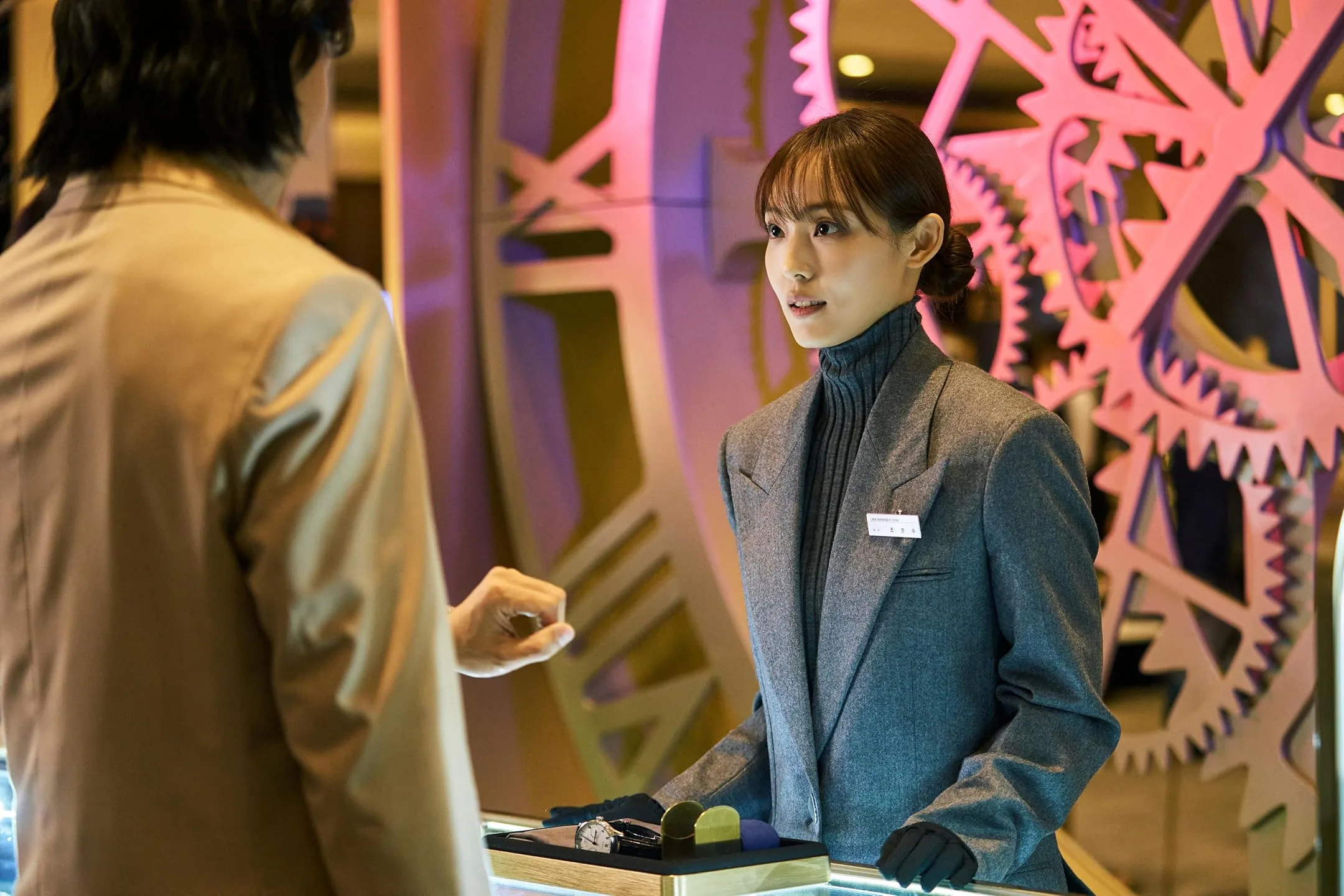
The camera frequently lingers on faces in extreme close-up and asks the viewer to confront anxiety directly. Direction calibrates pacing carefully, alternating the slow, grinding domestic scenes with the frantic energy of the crime and its aftermath. That contrast of tempos prevents viewer fatigue and lets moments of silence accrue weight.
Flashbacks function throughout as connective tissue. They do more than explain; they relink present behavior to past wounds. Editing slips between past and present with jump cuts and brisk transitions so the narrative insists that trauma operates as an active force. Sound design treats quiet as a presence. The detail of Eun-su’s terror around “creaking doors” becomes an aural motif that signals imminent threat. The soundscape amplifies anxiety and makes silence feel as menacing as overt violence.
As You Stood By proves emotionally draining while offering a kind of release. It depicts a form of agency arriving after systemic failure. The series presents a stark proposition: when formal protections fail, taking action can look like the only way to be heard. The question the show leaves hanging is stark and difficult: does fleeing one cage of violence simply mean entering another cage of consequences?
The TV series As You Stood By (Korean title: Dangsini Jugyeossda) is an eight-episode South Korean crime thriller based on the Japanese novel Naomi and Kanako by Hideo Okuda. The series premiered globally on Netflix on November 7, 2025. It centers on two women driven to plot the murder of an abusive husband after failing to find help through official channels. The show is known for its intense psychological atmosphere and sharp social commentary on domestic violence and societal apathy. It is available to stream exclusively on Netflix.
Full Credits
Title: As You Stood By
Distributor: Netflix
Release date: November 7, 2025
Rating: TV-MA (Suggested due to intense subject matter and violence)
Running time: 56–71 minutes per episode (8 episodes total)
Director: Lee Jeong-rim
Writers: Kim Hyo-jeong, Hideo Okuda (original novelist)
Producers and Executive Producers: Studio S, Ghost Studio, Mizi Film
Cast: Jeon So-nee, Lee Yoo-mi, Jang Seung-jo, Lee Moo-saeng, Lee Ho-jung, Kim Mi-kyung
Composer: Primary
The Review
As You Stood By
As You Stood By is a punishing yet cathartic crime thriller. It succeeds by grounding its extreme revenge plot in the devastating sincerity of domestic abuse. The performances by Jeon So-nee and Lee Yoo-mi are exceptional, lending weight to the protagonists' desperate choices. While the doppelgänger mechanism feels convenient, the subsequent high-stakes procedural tension is unrelenting. The series provides a necessary, unsparing look at the societal failure to protect victims, confirming that true escape is rarely clean. It is a sharp, essential drama.
PROS
- Exceptional performances by the lead cast (Lee Yoo-mi, Jeon So-nee, Jang Seung-jo).
- Sharp social critique on apathy and institutional failure.
- Highly effective blend of psychological drama and crime thriller elements.
- Superb cinematography and sound design creating a sense of claustrophobia.
CONS
- The central doppelgänger plot device relies heavily on coincidence.
- The subject matter is extremely difficult and potentially triggering for viewers.
- The unrelenting, dark tone offers little emotional respite.