





























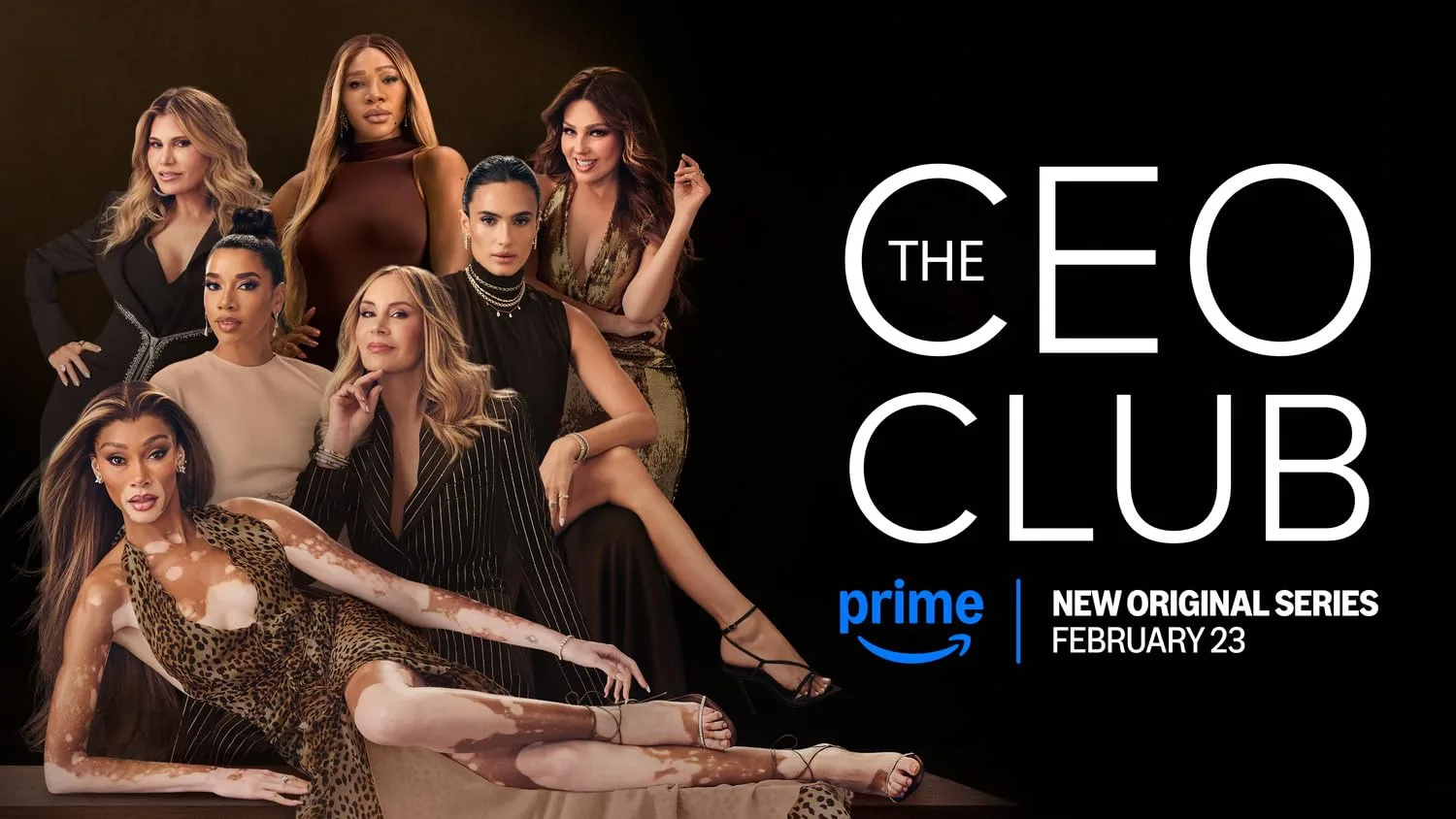

What does it look like when powerful women run things? That question sits at the center of The CEO Club, a streaming docuseries that follows Serena Williams, Winnie Harlow, Thalía, Loren Ridinger, Dee Ocleppo Hilfiger, Hannah Bronfman and Isabela Rangel Grutman across eight episodes. The cast spans fashion, beauty, music, retail, investment, skincare and jewelry, a deliberately broad sweep that signals ambition from the outset.
Cameras trail each woman through product launches, investor meetings, creative studios and domestic moments, mixing documentary access with the glossier conventions of reality television. One subject also holds an executive producer credit, a detail that turns out to matter more than it might initially seem. The result is a polished, often compelling portrait of women at work, and a series that occasionally has to reckon with the tension between telling the truth and selling a brand.
Subjects, story arcs and character focus — Loren Ridinger et al
The subjects arrive with clear goals on screen. One is tasked with stewarding a multigenerational retail enterprise through a high-pressure convention; grief and sudden leadership responsibility form the emotional center of her narrative. Another is shown racing to meet a fundraise target, with investor meetings and pitch sequences staged as milestones. A different profile is occupied with an album deadline and crossover moments between music promotion and product partnerships.
Product launches and public events drive much of the visible action. A designer prepares for a CFDA-level gala, sketching and fitting while the cameras capture runway dress rehearsals. A skincare founder tests formulas on set and consults with chemists and marketing teams when a product’s launch date looms. The fashion entrepreneur is filmed at show fittings and trade conversations that read like rehearsed but informative glimpses of an industry calendar. The jewelry maker’s sequence centers on a signature piece built for a high-profile gala. The investor appears in strategy sessions about deal terms and capital allocation while balancing parenting or public persona management.
Personal stakes are foregrounded alongside commercial aims. Loss, reputation risk and the pressure to align product with identity recur across arcs. Key scenes that illustrate those stakes include conference prep with logistical breakdowns, tense investor phone calls, creative studio days that show ideation and failure, and montage sequences that bridge personal hardship with professional duty. Confessional interviews recur as a motif and offer soundbites that scaffold public narratives. At moments the camera grants candid access; at other times the access feels curated, with repeated return shots of emotional beats serving as narrative anchors.
By the finale some projects reach visible milestones: an album previewed, a convention completed, a collection shown, a fund updated. Many threads end in transition rather than closure. The series often presents measurable outcomes in the short term while leaving longer trajectories open for future installments.
Themes, tone and authenticity — leadership, image and labor
Leadership under public scrutiny is the dominant theme. The show positions authority as performance, and then asks how performance translates into enterprise. Balancing personal life with brand building appears as a lived problem rather than a rhetorical device. Peer support surfaces repeatedly as a narrative through line, framing collaboration as both emotional labor and informal network building.
The series leans toward celebration and promotion, with intimate portraiture appearing when it reinforces a subject’s resilience or brand values. Production choices underline that orientation. Frequent polished product shots, staged media training scenes and glossy montage sequences emphasize polish. By contrast, evidence of prolonged operational pressure is sparse. Short bursts of investor tension and deadline-driven friction appear, yet the series rarely shows sustained financial strain or the slow-building crises common to startups and scale-ups.
Authenticity registers unevenly. Moments that feel credible include raw grief and candid admissions about impostor feelings. Moments that feel curated include repetitious brand messaging and set-piece promotional moments that coincide with commercial milestones. The presence of an on-screen subject who also serves as a producer matters to interpretation. That credit signals editorial influence and raises reasonable questions about which conflict lines get blurred or softened. Concrete evidence to cite when assessing authenticity includes particular investor pitch scenes, repeated confessional beats that reappear across episodes, and the integration of commerce features such as direct shopping links during episodes.
These production signals matter because they shape how representation functions. When women are shown leading businesses they are visible in positions of power. When storylines skirt sustained operational hardship, the representation risks suggesting that access translates to ease. That distinction will shape the series’ cultural impact.
Craft, structure, audience and watchability — form and function
Episodes are compact and serialized around discrete milestones. The rhythm favors modular challenges that recur across the season, and the finale gathers those milestones rather than resolving every arc. Editing relies on fast montages, close-up cutaways and intercut confessional segments to maintain pace. Music cues lean aspirational and the cinematography highlights product textures and branded visuals.
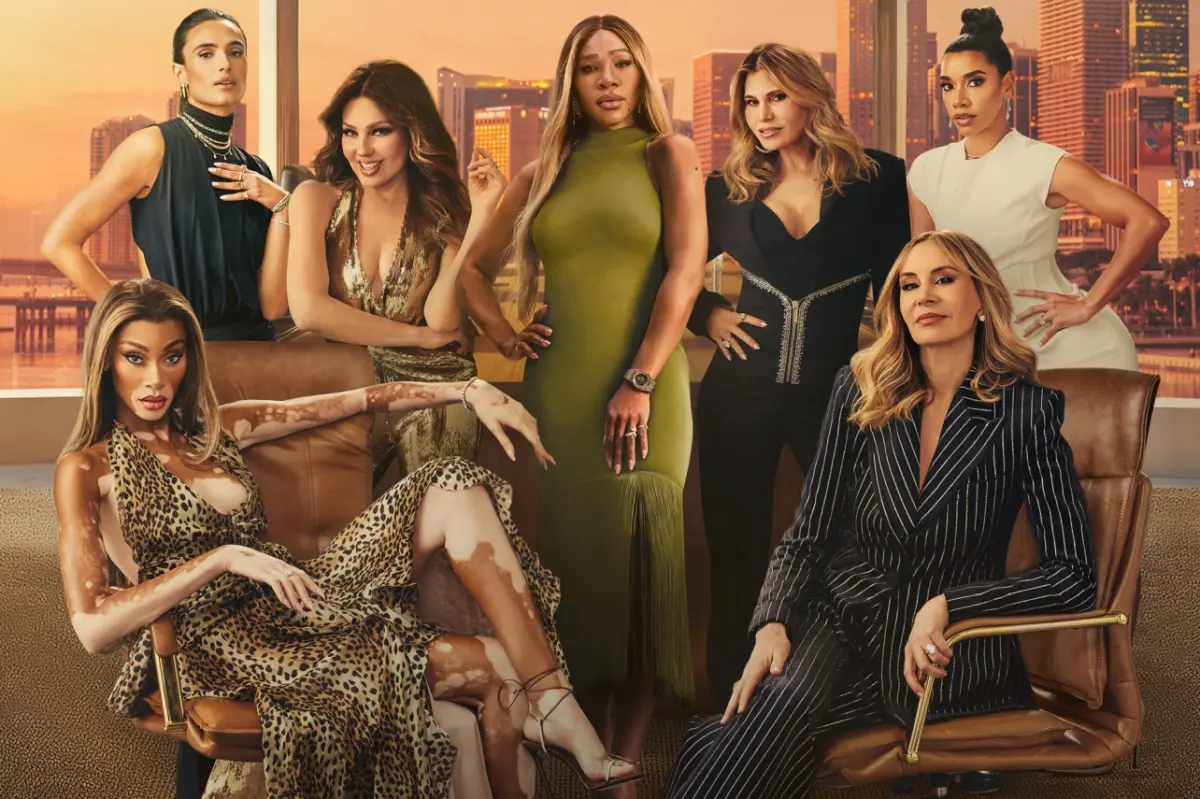
The editorial approach includes integrated commerce elements that pull viewers toward shoppable goods. Those placements change the viewing posture from passive observation to consumer action. Confessionals provide narrative glue, but they often operate as curated soundbites rather than sustained interiority.
Who will find this series rewarding? Fans of celebrity access and lifestyle programming will appreciate the insider moments and polished sequences. Viewers interested in practical, gritty depictions of enterprise leadership may find the show lacking. Recommended viewing modes include binge sessions for star-driven curiosity, episode-by-episode dips when a particular profile interests you, or background viewing for aspirational aesthetics.
The CEO Club is a compelling eight-episode docuseries that premiered on Prime Video on February 23, 2026. The series offers an exclusive, behind-the-scenes look into the lives of seven high-profile female entrepreneurs and icons as they manage global business empires while balancing personal lives and motherhood. Featuring a powerhouse cast including tennis legend Serena Williams, music superstar Thalía, and supermodel Winnie Harlow, the show explores high-stakes negotiations, brand launches, and the unique camaraderie shared between women at the pinnacle of their industries. You can stream the entire first season exclusively on Prime Video in over 240 countries and territories.
Where to Watch The CEO Club Online


Full Credits
Title: The CEO Club
Distributor: Prime Video, Amazon MGM Studios
Release date: February 23, 2026
Rating: TV-14
Running time: 45 minutes per episode
Director: Nadine Rajabi
Writers: Nadine Rajabi, Tara Long
Producers and Executive Producers: Serena Williams, Caroline Currier, Tara Long, Nadine Rajabi, Janelle Couture, Ben Megargel, John Morayniss, Carolyn Newman
Cast: Serena Williams, Thalía, Dee Ocleppo Hilfiger, Loren Ridinger, Winnie Harlow, Hannah Bronfman, Isabela Rangel Grutman
Director of Photography (Cinematographer): Michael S. Dwyer
Editors: Jennifer Nelson, Chris Ray, Mike J. Nichols
Composer: Photek
The Review
The CEO Club
The CEO Club offers glossy, intimate access to high-profile women who move between product launches, public appearances and private responsibility. The series highlights representation and peer support while rarely showing prolonged operational strain or financial risk. It will satisfy viewers who want aspirational, star-driven backstage moments and feel light for those seeking detailed portrayals of business labor.
PROS
- High-profile representation of women leaders on screen
- Polished production and accessible pacing
- Clear windows into product launches, events and brand rituals
- Warm peer dynamics and mentorship moments
CONS
- Limited depiction of sustained operational hardship
- Frequent promotional framing and visible commerce tie-ins
- Large cast reduces depth for individual stories
- Few scenes showing long-term financial or managerial strain