





















Charles Ingalls builds his family a cabin on land that still belongs to someone else. Netflix’s Little House on the Prairie understands the contradiction immediately, then spends eight episodes deciding how uncomfortable it is willing to make everyone feel about it.
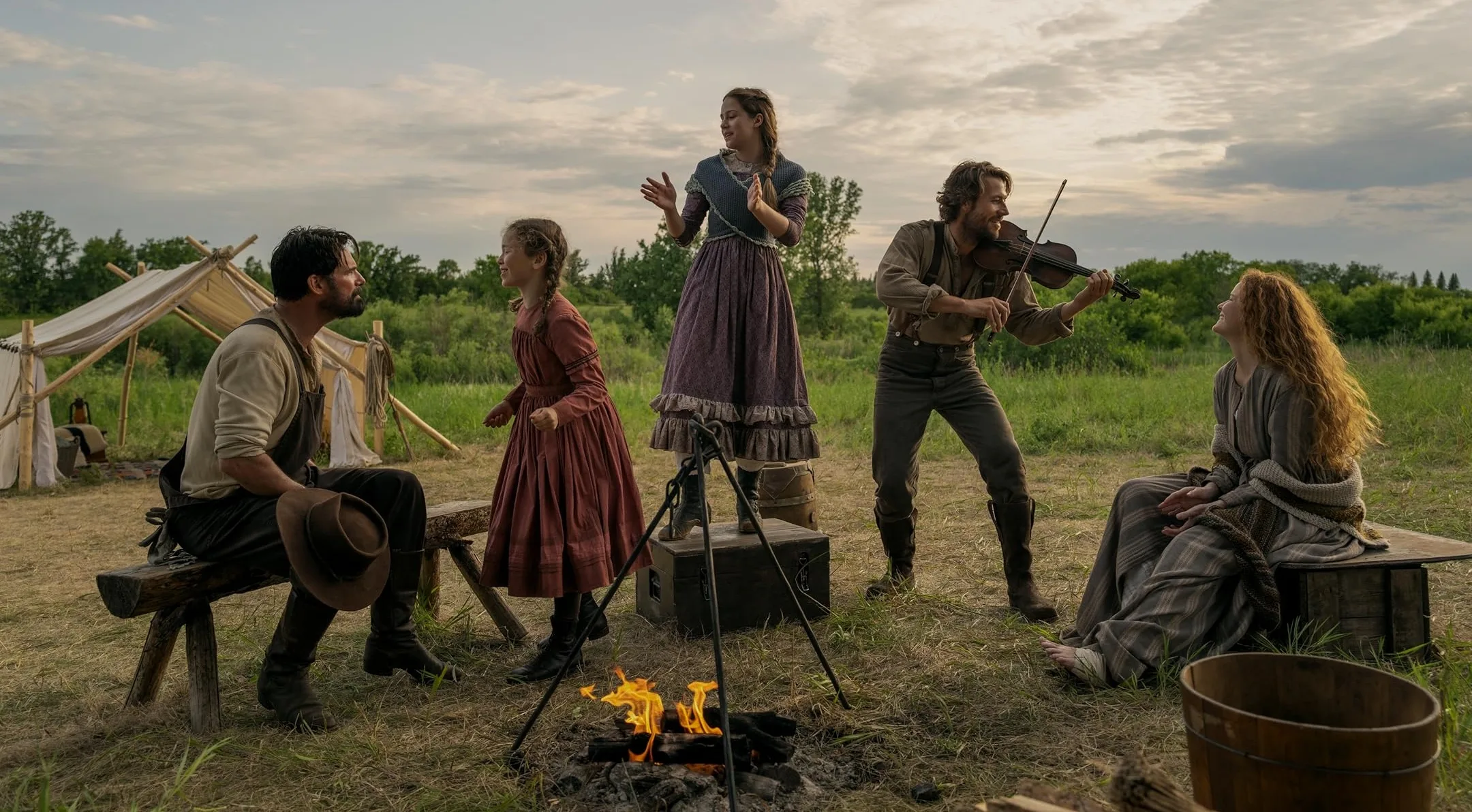
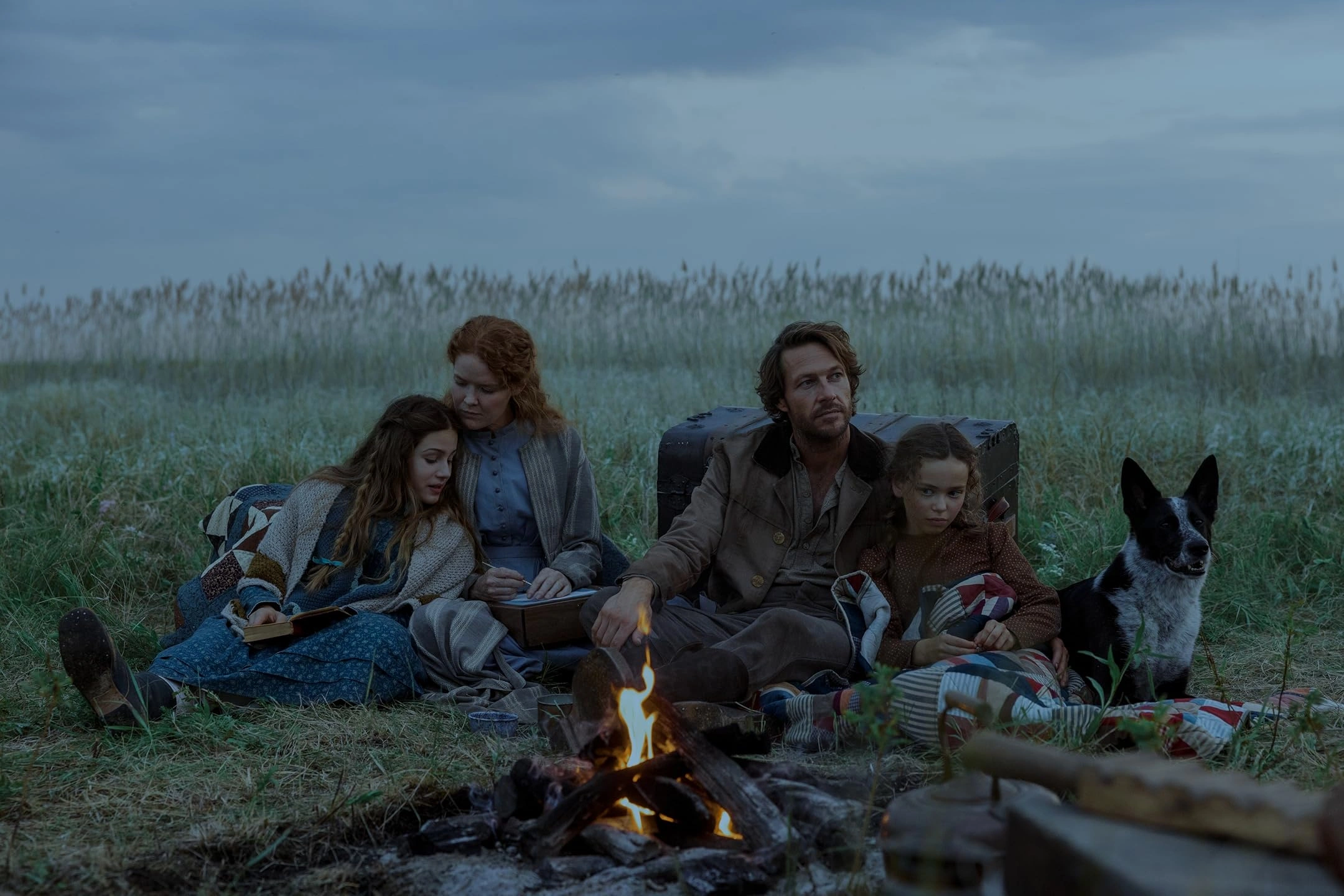
Rebecca Sonnenshine’s adaptation sends Charles (Luke Bracey), Caroline (Crosby Fitzgerald), Mary (Skywalker Hughes), Laura (Alice Halsey), baby Carrie, and their dog Jack from Wisconsin to Independence, Kansas. Advertisements promise available land and a future free from whatever soured the Ingalls family’s life back home. Laura sees the wagon ride as material for a grand story. Mary sees rivers, mud, hunger, and a suspicious lack of bedrooms.
Familiar incidents remain. Jack disappears during a river crossing. Charles constructs the log house. Mr. Scott becomes trapped in a well. Malaria tears through the settlement. Christmas arrives with enough homespun warmth to heat several cabins at once.
The season works best when those recognizable events acquire consequences beyond the Ingalls household. Charles learns that the supposed free land remains Osage territory, turning the family’s fresh start into a moral debt they cannot repay by being pleasant neighbors. The show has found the crack running through its lovely wooden floor. It keeps laying rugs over it.
Whose Prairie?
The expanded Osage storyline gives this adaptation its clearest purpose. William Mitchell (Meegwun Fairbrother), his wife White Sun (Alyssa Wapanatâhk), and their daughter Good Eagle (Wren Zhawenim Gotts) exist as people with competing fears, loyalties, and strategies. They are never scenery waiting for the Ingalls family to ride past.
William serves as a translator between the Osage and settlers, carrying the strain of a man expected to make dispossession sound reasonable in two languages. Fairbrother plays that pressure through stillness. During negotiations, William pauses before translating demands that threaten his own family, and the hesitation says what the dialogue cannot safely admit.
Also Read





White Sun has less patience for Charles and Caroline’s innocence. Her early conversations with Caroline are clipped, with Alyssa Wapanatâhk holding eye contact long enough to turn politeness into an accusation. Their later bond grows through concern for their children, particularly once Laura and Good Eagle become friends. The relationship has warmth, yet Caroline’s change of heart arrives with television efficiency. Several generations of prejudice are apparently no match for a sincere conversation and good maternal instincts. History should have tried that.
Laura and Good Eagle give the conflict its most accessible emotional form. They trade stories, explore the land, and regard boundaries drawn by adults as strange inconveniences. Their friendship makes Laura’s eventual departure painful without treating Good Eagle as a lesson designed solely for her white friend. Gotts gives Good Eagle a guarded intelligence, especially when Laura’s curiosity runs ahead of her understanding.
The penultimate episode brings the political pressure into focus. Osage leaders face another treaty, shrinking territory, and the implied threat of military force. Charles finally sees his cabin as part of a process rather than an isolated act of survival. Luke Bracey’s strongest work comes when Charles listens rather than speaks, his optimism collapsing one quiet piece at a time.
The writing weakens that reckoning by pouring much of the blame into Eli James (Michael Hough), the railroad promoter who sold settlers a lie. Eli, his judgmental wife Jemma (Mary Holland), and their bullying daughters are so conveniently awful that the rest of Independence gets to look morally tidy by comparison. The season wants systemic guilt, then hands us a family of designated rotters. Very considerate of it.
Inside the Cabin
Bracey’s Charles is less a frontier patriarch than a wounded dreamer hoping distance will turn failure into reinvention. Fevered memories reveal a bitter confrontation with his father, played by Martin Donovan, while Laura notices that nobody came to say goodbye when the family left Wisconsin. Charles does not merely chase land. He runs from humiliation.
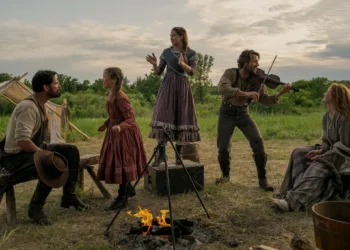
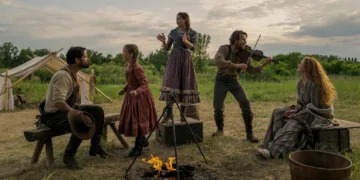
Bracey can appear too polished for the world around him, particularly when he stands against a sunset looking ready to sell an expensive outdoor jacket. His gentler scenes are stronger. When Charles plays the fiddle for Laura and Mary, or tells Laura to protect her curious heart, Bracey finds the affection beneath Pa’s authority. The words are syrupy. His delivery occasionally saves them from sticking to the plate.
Crosby Fitzgerald gives the season its steadiest performance. Caroline’s injured foot leaves her watching others complete the cabin she must make into a home, and Fitzgerald lets frustration seep through Caroline’s controlled manners.
Her pregnancy carries memories of previous losses, creating tension each time she pauses during physical work or hides pain from the girls. In a conversation about the baby’s sex, Charles assures her that another daughter would bring no disappointment. Fitzgerald’s face shows relief, affection, and fatigue before Caroline answers.
Her disagreements with Charles supply the marriage with welcome friction. She fears the journey, distrusts their new surroundings, and resents how often Charles turns risk into a story about possibility. Their arguments rarely threaten the marriage. They reveal the labor required to keep it intact.
Alice Halsey plays Laura with restless confidence, chasing stories, strangers, and any animal sensible enough to flee from her. Her panic after Jack vanishes in the river gives the premiere its first sharp emotional beat. Later, her eagerness around Good Eagle makes friendship feel impulsive rather than politically programmed.
The script keeps handing Laura declarations that sound written for framed wall art. “This will be our new forever,” she says upon reaching Kansas. Her farewell to Good Eagle carries the careful wisdom of someone who has already reviewed the episode. Halsey sells many of these lines through sincerity, though no child should be asked to speak like a motivational calendar this often.
Skywalker Hughes gives Mary a quieter form of resistance. Mary misses Wisconsin, envies Laura’s easy bond with Charles, and longs for friends and courtship. Her tentative connection with Caleb allows her to imagine a life outside the wagon. During the family’s illnesses and financial scares, Hughes lets Mary’s prim composure break in small movements, particularly her habit of looking toward Caroline before allowing herself to panic.
Laura tells the stories. Mary keeps checking the cost.
Independence, Population: Everybody
The books often kept Independence beyond the edge of Laura’s immediate world. The series builds it into a busy community containing shops, a saloon, church construction, Founders Day festivities, civic rivalries, and enough romantic tension to keep a small network alive through winter.
That expansion gives the season variety. It also steals attention from Laura. Episodes move between the Ingalls family, the Osage negotiations, Emily Henderson’s general store, Dr. George Tann’s medical work, John Edwards’s grief, Lacey Aubert’s saloon, Mary’s feelings for Caleb, and the James family’s latest contribution to public unpleasantness.
Warren Christie’s Edwards benefits most from the added room. He arrives after Caroline’s injury and helps Charles finish the cabin, hiding grief and war trauma beneath whiskey and blunt humor. Christie plays Edwards as a man whose kindness emerges before his manners do. His bond with the Ingalls girls is particularly effective because he rarely announces it. He repairs, carries, protects, and leaves before anyone can thank him properly.
His romance with Lacey (Rebecca Amzallag), a French widow who wears trousers and runs the saloon, fits the season’s affection for wounded people finding each other. Amzallag gives Lacey an amused impatience with local expectations. She looks at the town’s moral guardians as though they have mistaken themselves for interesting company.
Jocko Sims’s Dr. Tann receives a far richer role than the doctor who arrives to save the Ingalls from malaria. His courtship of Emily (Barrett Doss) provides some of the season’s warmest scenes, especially their restrained conversations inside the store after customers leave. Doss makes Emily’s composure feel practiced, a defense against the women who exclude her from town society. Their romance remains unfinished because the Ingalls must move on, which is historically appropriate and dramatically annoying.
That problem runs through the ensemble. Independence grows vivid enough to support several separate dramas, then the family’s departure threatens to abandon them. The series creates a town worth staying in and places its main characters in a wagon. Television can be rude like that.
Prairie Light
The landscape is frequently gorgeous. Wide shots reduce the wagon to a small shape beneath an enormous sky, making the Ingalls family’s ambition look brave one moment and faintly ridiculous the next. During the river crossing, the camera holds back far enough to show how little control Charles has over the current. The scene creates danger through scale rather than frantic cutting.
Natural light gives the prairie an amber haze, while the cabins, shops, and hotel carry the texture of spaces being built and rebuilt. The town changes across the season. New structures appear, background activity increases, and Independence begins to resemble permanence. Each fresh wall also strengthens the Osage storyline, since growth itself becomes evidence.
Mitchell Travers’s costumes distinguish labor, wealth, and social aspiration without making every outfit look recently removed from packaging. Laura’s black hat gives her an unruly silhouette beside Mary’s bonnets. Jemma James’s carefully arranged clothing turns refinement into a minor act of aggression.
The production can become too immaculate. Sunsets arrive on schedule. Snow looks freshly commissioned. Charles remains suspiciously handsome after days of physical work. Several interiors possess the clean warmth of an advertisement inviting viewers to purchase frontier hardship in monthly installments.
Sentiment presents the larger problem. “Hope is everything.” “What if this is where we finally become who we’re meant to be?” “Life can get away from you if you don’t speak your heart.” Characters keep placing verbal bows on scenes that already made their point. Silence rarely survives long enough to do any work.
Still, the sweetness often lands. Neighbors building a house, Edwards caring for the girls, Dr. Tann treating the sick, and Caroline enduring childbirth generate emotion through action. The Christmas episode pours the syrup generously, yet its small exchanges of food and handmade gifts earn much of the warmth.
The final episodes strain to reconcile the Ingalls family’s dream with the Osage loss, then send Laura away from Good Eagle with hope intact and history carefully folded. The cabin stands, the prairie glows, and the bill remains unpaid. Now that is a cliffhanger.
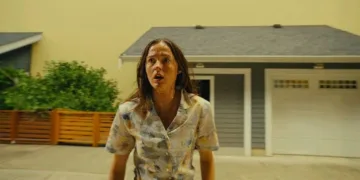
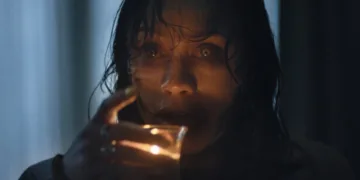
The provocative psychological indie thriller Night Nurse celebrated its cinematic debut at the Sundance Film Festival on January 26, 2026, before launching into select independent picture houses across the United States yesterday, July 10, 2026, via IFC Films. Moviegoers following its rollout can catch the theatrical production in limited regional arthouse locations like the IFC Center or watch for upcoming home streaming dates on digital on-demand services. The dreamlike narrative follows a young, newly hired nurse at a high-end retirement community who becomes deeply entangled with a charming, manipulative patient involved in a series of perverse telephone scam calls targeting the elderly residents.
Where to Watch Night Nurse Online
Full Credits
Title: Night Nurse
Distributor: Independent Film Company, IFC Films
Release date: January 26, 2026 (Sundance Film Festival), July 10, 2026 (United States Limited Theater Release)
Running time: 95 minutes
Director: Georgia Bernstein
Writers: Georgia Bernstein
Producers and Executive Producers: Georgia Bernstein, Edwin Linker, Lucy Rogers, Liane Cunje, Veronica Barbosa
Cast: Cemre Paksoy, Bruce McKenzie, Eleonore Hendricks, Colleen Rose Trundy, Mimi Rogers, Keith Kupferer, Frank V. Ross, Medina Kincy, Vincent Teninty, Karin Anglin, Sandy Gulliver
Director of Photography (Cinematographer): Lidia Nikonova
Editors: Alex Jacobs
Composer: Sam Clapp, Steven Jackson
The Review
Little House on the Prairie
Netflix’s Little House on the Prairie finds sturdy television inside an awkward inheritance. The Osage storyline gives the family’s homestead real moral pressure, while Crosby Fitzgerald and the young cast keep the cabin warm without turning it into a museum display. Yet the polished production, saintly dialogue, and conveniently concentrated villains often sand history smooth enough to sell as furniture. It is thoughtful, handsome family drama. It could stand to get some mud on its boots.
PROS
- Strong Osage characters and perspective
- Crosby Fitzgerald’s grounded performance
- Beautiful prairie photography
- Warm, effective ensemble chemistry
- Detailed costumes and evolving sets
CONS
- Overwritten inspirational dialogue
- History softened for comfort
- Villains lack meaningful complexity
- Crowded supporting storylines
- Finale resolves conflict too neatly