

























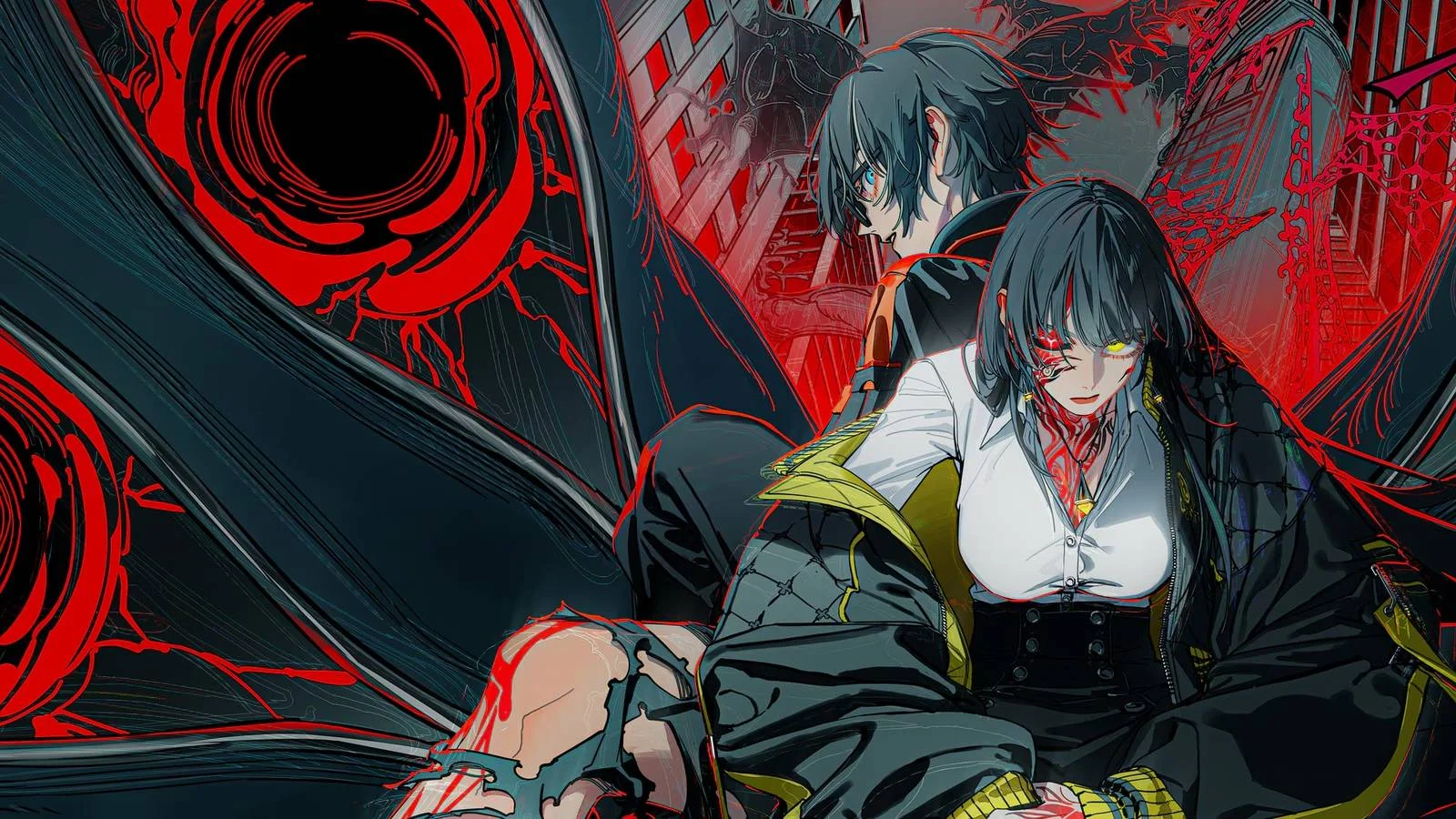

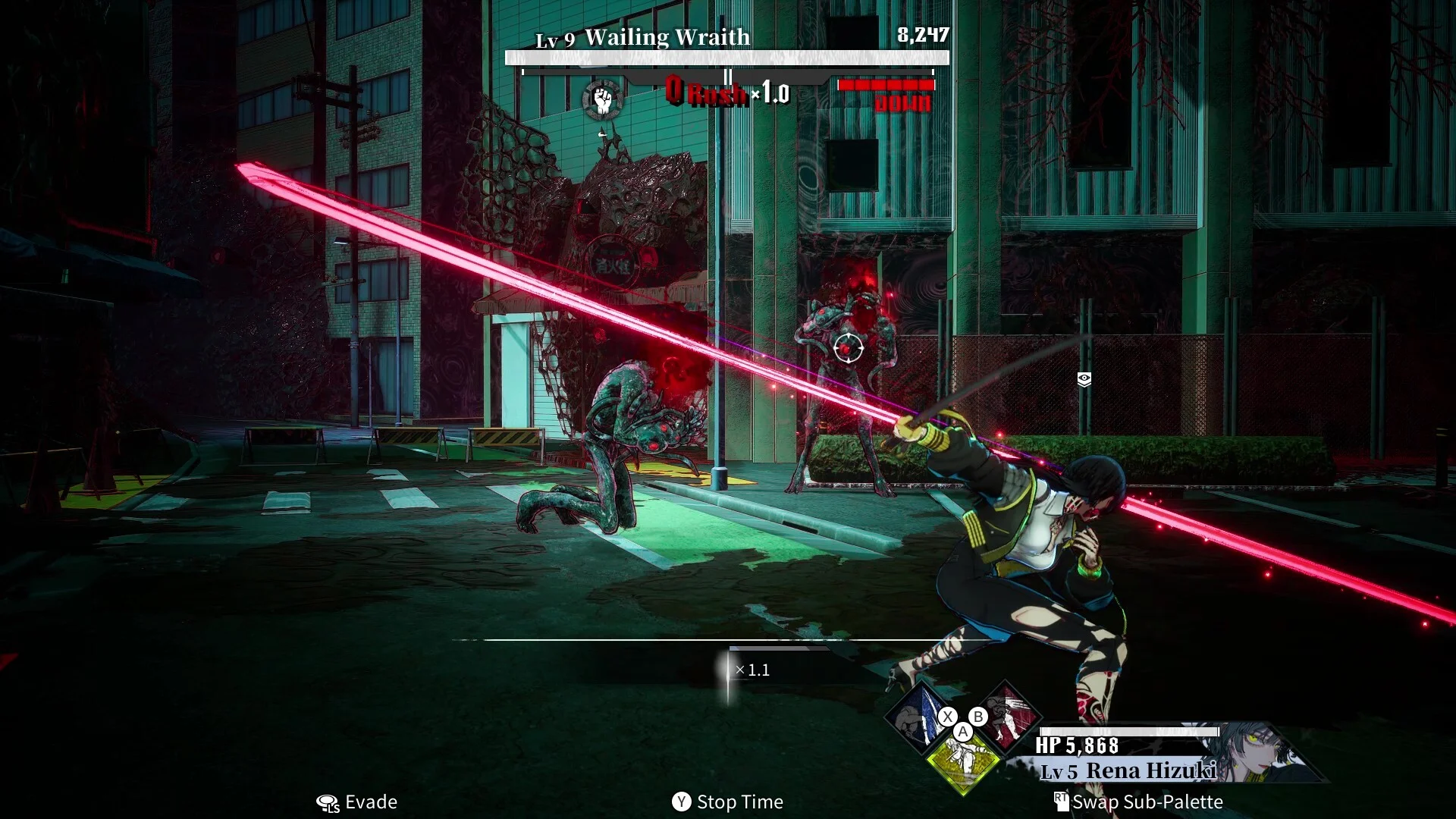
A red attack is coming. Rena has a red move ready, but Soma’s matching attack is still recovering. The enemy’s timing ring is closing, and the battle timeline offers a second way to judge the moment. Waiting may produce a counter; acting now may leave the pair exposed. Qliphah in Providence’s Shadow makes a small interval carry a satisfying number of decisions.
A successful counter helps break an enemy’s guard, creating time to pour on damage before it recovers. Boss fights show why this idea is worth learning. Their attack patterns reward attention, and directing Rena and Soma together gives the player something to plan beyond a single well-timed button press. The game looks frantic, yet its best fights allow room to study what is coming, prepare the right skills, and improve on the next attempt.
That promise becomes harder to trust when the rules around a decision are less clear than its timing. Duo Counters ask the player to coordinate both characters, but the effect of skill cooldowns on those attempts is easy to miss. Skill descriptions can be equally thin: a label such as “Clone +1” gives little help in judging what belongs in a build. Learning an unusual combat system should involve testing strategies. Here, part of the work is figuring out what the game means by its own instructions.
Crowded fights add another problem. Enemy attack cues compete for attention while the player selects a target and issues commands to two characters. Pausing time helps sort those demands and cancel a queued action, though that relief has limits. The visual noise suggests a great deal is happening; the useful question is how many distinct responses it calls for.
Once familiar regular enemies repeat their patterns, the answer often narrows back to matching colors, breaking a guard, and unloading attacks. Bosses make mastery feel earned. Ordinary encounters ask for that mastery so often that the routine begins to show through.
Higher difficulty does not reliably restore the excitement. Additional attacks can make a boss more demanding because they change when it is safe to commit to a move. Extra health on regular enemies mainly extends the time spent executing a known answer. That distinction matters in a game built around counters: surviving another cycle is less interesting than recognizing a new pattern. Qliphah has the tools for demanding fights, but it does not give those tools enough varied work across its campaign.
Away from battle, Rena Hizuki investigates a Tokyo damaged by the World Collapse. She takes custody of Soma Hoshigami after an Anomaly attack leaves him partly transformed, and the two pursue leads involving a dangerous drug, bodily markings, and a cult. It is an effective setup for an RPG about interpreting evidence. Soma needs explanations because this world is new to him; the player has reason to examine the same information. The question is what either of them gets to do with it.
Most locations are chosen from a map, then presented through dialogue and evidence records. Research progress can unlock skills, so investigation feeds directly into combat preparation. Occasionally, reading documents or the fictional social feed helps with a passcode or another clue.
Those moments give the act of looking closely a purpose. More often, progress comes from visiting an indicated location and spending points on information the story has made available. The character learns something, and the player receives a reward, but the step between those events seldom feels like a deduction.
There is some pressure in deciding where to go and when. Locations can change with the time of day, and letting a case run long makes enemies more dangerous. This gives the map a reason to exist beyond selecting the next scene.

Still, the limited movement through Tokyo makes its crisis feel oddly distant. The city is described in detail in records, while repeated backgrounds and battle spaces do relatively little to show what those changes mean for the people living there. The grotesque boss designs give individual threats a strong presence; the streets connecting one threat to another have less of it.
Rena and Soma offer a more personal thread. Her guarded treatment of him has reason to change as they work and fight together, and controlling both characters gives their partnership a practical form. The writing is less assured when Soma’s questions become a route for another explanation or a crucial part of the case sits in a document rather than in their exchanges. Reading those records can be rewarding, but the central relationship has to carry the weight of each investigation in the scenes the player cannot miss.
The combat and story are closest when preparation leads to a fight that tests what the player has learned. A newly unlocked skill, a readable boss pattern, and a counter executed by both characters can make the partnership feel capable. Qliphah in Providence’s Shadow earns those moments. Across the repeated encounters and largely prescribed investigations between them, it too rarely gives the player a new problem worthy of that capability.
The Review
Qliphah in Providence’s Shadow
Qliphah in Providence’s Shadow gives its counter system a strong foundation. Reading a boss’s attacks, preparing both characters, and earning an opening can feel excellent. Repeated regular enemies give that skill too little room to grow, while unclear rules make some failures harder to learn from. Investigation unlocks useful abilities but rarely lets the player make a meaningful deduction. The best fights show what this partnership could have carried across the whole game.
PROS
- Satisfying, timing-based counters
- Bosses reward preparation and practice
- Rena and Soma’s partnership connects story and combat
CONS
- Regular fights repeat familiar patterns
- Some combat rules are poorly explained
- Investigation rarely requires deduction
- Reused spaces weaken Tokyo’s atmosphere