










Early reactions to Aaron Sorkin’s The Social Reckoning split sharply. Critics praised the screenplay and the lead performances, then measured the film against the 2010 original it follows, and often found it short.
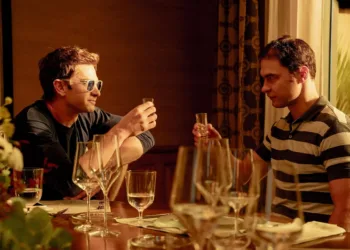
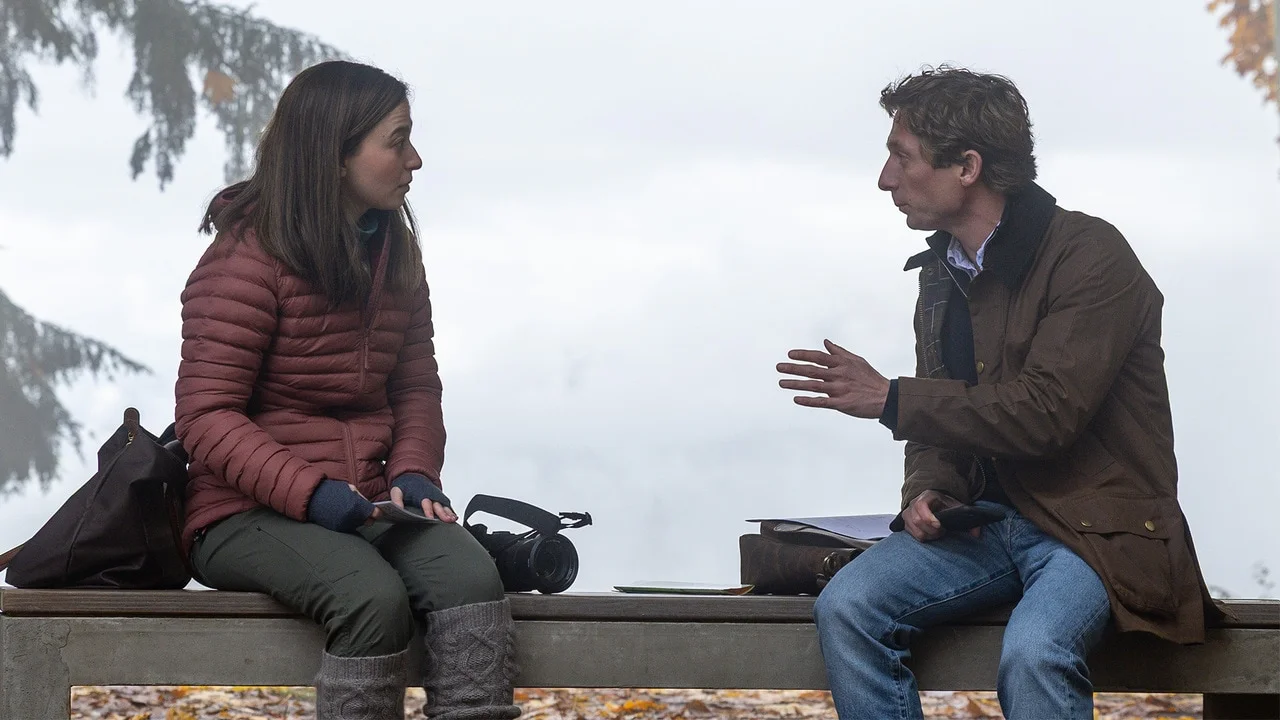
Press screenings produced a wave of social media verdicts days before the film opens in theaters Oct. 9 from Sony Pictures. Sorkin writes and directs this story of Facebook’s whistleblower scandal and the company’s role in the Jan. 6 insurrection. Mikey Madison plays whistleblower Frances Haugen, Jeremy Allen White plays Wall Street Journal reporter Jeff Horwitz, and Jeremy Strong takes over as Mark Zuckerberg from Jesse Eisenberg, who turned down the part even after Sorkin spent three days trying to persuade him.
Admirers went big. Critic Manuel São Bento placed the film on the same pedestal as The Social Network and added, “this one matters more!” Others called it a solid sequel and a pointed indictment of big tech, and several singled out Madison and White as the film’s engine. Sorkin’s fast, rhythmic dialogue drew repeated praise.
THE SOCIAL RECKONING is an old-fashioned investigative journalism drama from Aaron Sorkin examining the dangers and manipulations of Facebook, as they prioritize profits over people at an alarming rate of growth. As usual with Sorkin, it moves at a good pace, plowing through… pic.twitter.com/rUQsBAIqvh
— Matt Neglia @NYFF (@NextBestPicture) October 5, 2026
The Social Reckoning, while not the masterpiece that was The Social Network, still fully engaged me. A slow and steady build leads to a climax that suitably got my blood boiling. Hardly subtle, it works well as a companion piece to Aaron Sorkin’s prior look at Facebook. pic.twitter.com/4AkZOqjrK1
— Joey Magidson (@JoeyMagidson) October 5, 2026
Skeptics focused on craft. Several noted that the film lacks the visual signature David Fincher gave the first movie, and one said it plays like a high-end TV drama. Matt Neglia of Next Best Picture called the material “neither particularly interesting nor revelatory” and said it arrives five years too late, though he credited Alexandre Desplat’s wholly original score for keeping the sequel from recycling its predecessor.
Strong’s turn drew the most comment. Viewers described a ferocious presence, and several wished for more of him, since Zuckerberg gets limited screen time. At least one viewer wanted the film to name Donald Trump outright.
The comparison to 2010 was unavoidable. Fincher directed that film, which won Sorkin an Oscar for his screenplay, and Sorkin has said Fincher was his first choice to direct the follow-up. Fincher passed, leaving Sorkin to answer the question that now hangs over the film: whether a sharp script and a strong cast can stand in for the director who made its predecessor a classic.