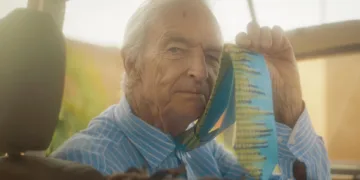


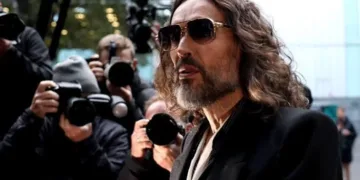










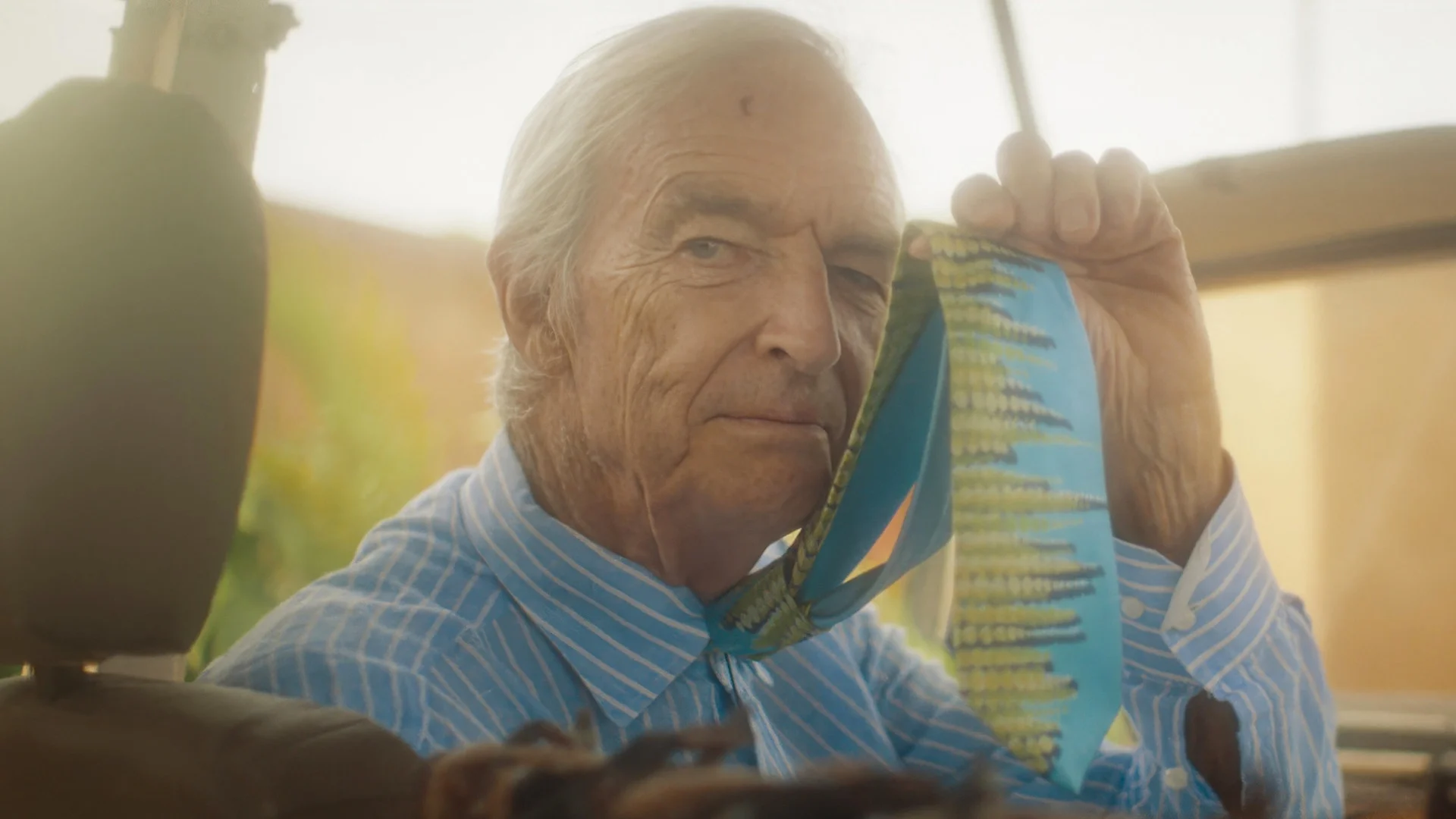

Jon Snow asks how many people have been affected by the mining disaster, and how many have died. Then he asks again. Standing with a campaigner amid damaged land in Zambia, he keeps returning to the information a reporter needs, unable to retain the answers long enough to build upon them. His concern remains intelligible through every repetition. Watching becomes uncomfortable because the conversation has acquired two different experiences of time: one man is answering a question he has already answered; the other still needs to ask it.
The camera stays. Eventually, director Laura Warner calls for Charles, Snow’s nephew, and the encounter becomes a practical matter of helping someone through a difficulty. That intervention matters as much as the footage preceding it. We have been allowed to feel the strain of the repetition, but Snow has people beside him who can respond. I am uneasy about the exposure, grateful for the interruption, and reluctant to wish the sequence shorter. A discreet edit could have spared us the discomfort while concealing something essential about the conditions under which he now works.
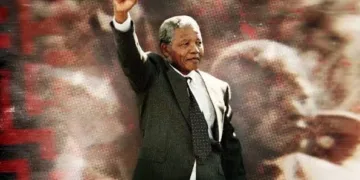
Jon Snow: A Last Big Story places this difficulty beside the formidable public record of the former Channel 4 News anchor, now living with Alzheimer’s disease. There he is at Bhopal, there with Nelson Mandela, recognizable across the changes in setting and age. The archive allows us to move easily through his past. In the neurologist’s consulting room, three ordinary words will not stay available for a few minutes. He cannot identify the date. Television can retrieve decades of a life with an ease unavailable to the person who lived it, and Warner lets the discrepancy hurt without making every old broadcast an accusation against the present.
The documentary’s direction changes when Snow hears about a copper-mine dam collapse during a visit to Victoria Falls. Contamination has reached the Kafue River, and communities are living with the destruction of land and water. His interest gives the film an outward movement, away from the enclosure of appointments and recollections. In a ruined field, he responds to what has happened with immediate anger. The questions may repeat, but their object is real. Someone else’s loss has reached him, and for the duration of the encounter he is absorbed by the need to understand it.
This could easily become a flattering arrangement in which distant suffering supplies a celebrated broadcaster with one final assignment. The presence of campaigners Chepa Mahata and Sarah Sakani gives the investigation firmer ground. They bring knowledge and commitments that precede his arrival; Charles helps connect him to their work, and former Channel 4 News editor Ben de Pear joins the reporting. Snow’s experience and contacts have value inside this gathering of people. His dependence becomes visible without cancelling his participation, and the investigation feels consequential because it belongs to people who will still be living with the damage after the cameras leave.
At a compensation meeting, police and a mining-company representative interrupt the proceedings. De Pear gets the team away, while Snow asks if they have obtained what they need. The professional reflex persists inside a situation whose practical demands others must help him manage. Earlier, his request for reassurance from Charles makes that dependence explicit. He needs someone he trusts to tell him how he is doing. These exchanges make working together feel intimate: another person must hold the shape of the task when he loses his place within it.
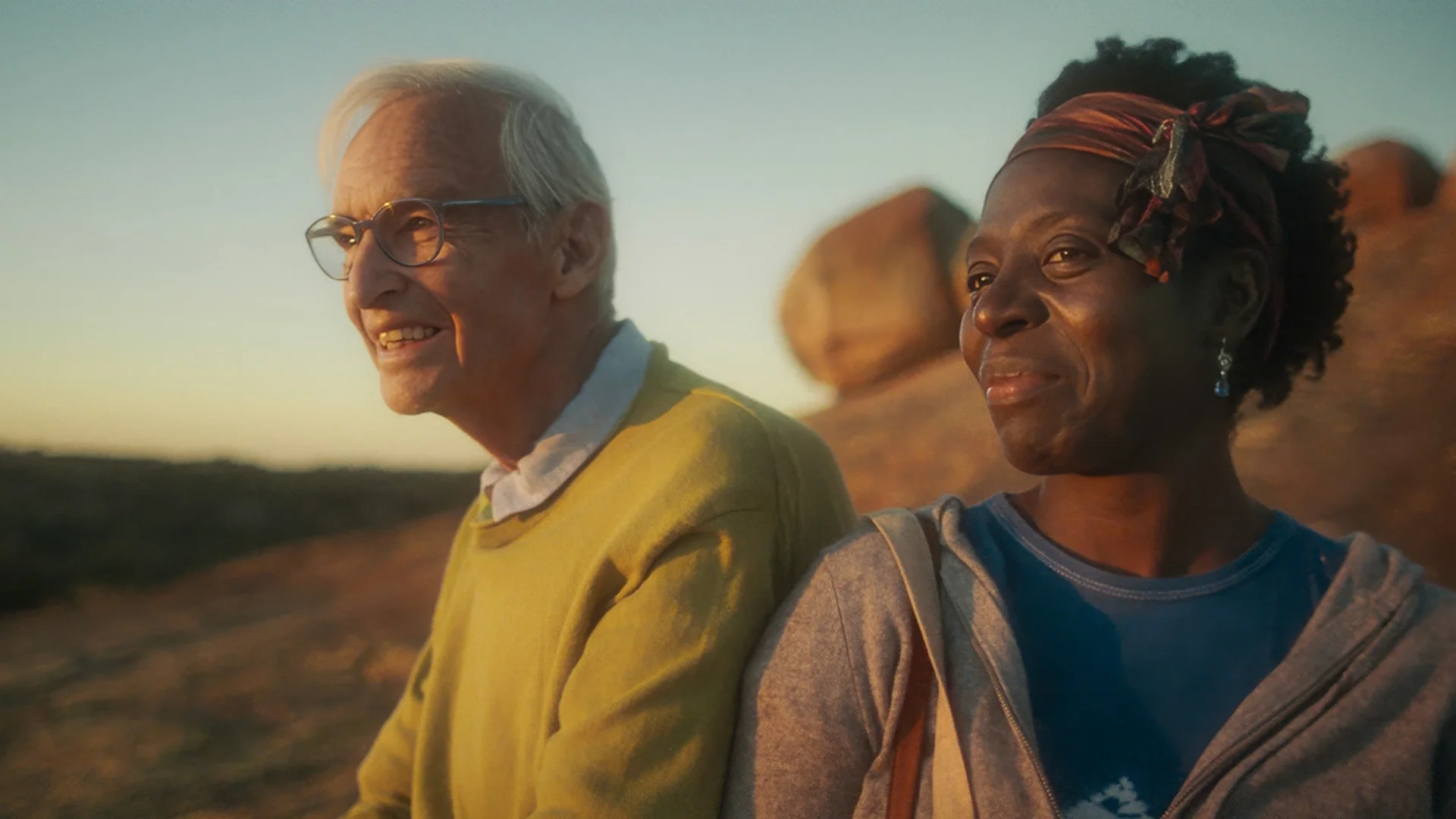
Precious Lunga, his wife and a neuroscientist, lives closest to that responsibility. When the neurologist asks about the future, her hesitation gives the consultation a weight that the diagnostic exercises alone cannot supply. The question extends beyond the room, toward days that neither the film nor the couple can make manageable beforehand. Her determination to keep Snow involved in life acquires its emotional force here. She can help make an activity possible today without being able to secure tomorrow. The documentary allows her knowledge and her uncertainty to occupy the same space.
A conversation with Razzall reveals another painful interval between people. Snow appears unable to remember his own involvement in the Zambia investigation, and her distress registers the difficulty of meeting someone inside an experience that no longer feels equally shared. We have watched him participate. She knows what he has done. That accumulated knowledge cannot simply be handed back to him. The scene makes loss perceptible through the effort of another person trying to remain in contact, rather than through a generalized image of confusion.
Warner’s photography sometimes makes that contact less immediate. The soft, blown-out colour gives parts of the film a hazy tenderness that feels imposed upon encounters already carrying sufficient feeling. Handheld movement brings proximity, but the softened images can seem to mourn Snow while he is still busy attending to something. The piano footage carries a similar risk, inviting an appreciation of gentleness that the conversations establish with greater complexity. The film is most affecting when it permits the awkward duration of a question or Lunga’s hesitation to determine our response.
Its account of continued work also requires care. Snow’s reporting gives him pleasure, purpose, and a means of responding to injustice; none of those achievements should become a qualification for receiving respect. The moments when he needs assistance belong fully to the portrait. Warner’s inclusion of them keeps the investigation from becoming an inspirational test he must pass, even as the title invites us to search for a final demonstration of the man we recognize.
The team eventually obtains a report on the dam collapse and shares it with international news outlets before the documentary is released. Material gathered through this uneven, supported process enters public circulation, where it can be examined and pursued by others. Snow’s recollection of his part remains uncertain. For the affected communities, coverage creates a further possibility of scrutiny, though the film cannot turn attention into compensation or restore a damaged field. The report leaves the team’s hands with those needs still unanswered.
Jon Snow: A Last Big Story premiered at Sheffield DocFest in June 2026 before broadcasting on Channel 4 on June 20, 2026, and is available to stream on Channel 4’s streaming platform. Directed by Laura Warner, the emotional feature-length documentary follows legendary news presenter Jon Snow and his wife Dr. Precious Lunga as they navigate his personal diagnosis with Alzheimer’s disease while traveling to Zambia to investigate an environmental catastrophe caused by a toxic chemical spill.
Full Credits
Title: Jon Snow: A Last Big Story
Distributor: Channel 4, Basement Films
Release date: June 20, 2026
Rating: TV-14
Running time: 1 hour 30 minutes (90 minutes)
Director: Laura Warner
Writers: Laura Warner
Producers and Executive Producers: Ben de Pear, Laura Warner, Precious Lunga
Cast: Jon Snow, Precious Lunga
The Review
Jon Snow: A Last Big Story
Warner finds the deepest feeling in the distance between Snow’s continuing concern and his uncertain recollection. The investigation gives that concern somewhere to go, while the people beside him make participation possible. Softened photography and piano interludes occasionally supply an unnecessary tenderness. The repeated questions, Lunga’s hesitation, and the reporting itself offer a richer portrait, allowing purpose and dependence to remain painfully, intimately present.
PROS
- Sustained encounters make memory loss tangible.
- Reporting preserves the importance of collective effort.
- Lunga’s uncertainty receives sensitive attention.
- Archival footage sharpens the experience of the present.
CONS
- Blown-out photography sometimes softens difficult encounters.
- Piano footage encourages an overly consoling response.