




























![Kingdom Hearts Collection [I-III] Review](https://gazettely.com/wp-content/uploads/2026/10/Kingdom-Hearts-Collection-I-III-1-360x180.webp "Kingdom Hearts Collection [I-III] Review: KHII Holds Steady as Newer Entries Fluctuate 40")


On July 1, 2021, the world of college sports changed dramatically when the Supreme Court made a decision that forever changed the economics of college sports. Student-athletes couldn’t make money from their skills for more than one hundred years, stuck in a system that made billions while leaving them broke. Everything changed overnight when the Name, Image, and Likeness (NIL) program was put in place.
Imagine being a famous player who draws huge crowds, raises money for your school through TV ads, and gets people excited about sports, but you can’t make any money from your success. For many years, that was the truth for college athletes. The NIL policy broke those rules, making it possible for students to make money off of their sports skills and personal brands.
The effects were felt right away and were very deep. Student players could get endorsement deals, make friends on social media, and build personal brands overnight that could make them a lot of money. Universities like LSU quickly changed to meet the needs of players by setting up NIL offices to help them deal with the new financial situation.
Some players turned into business owners right away. Olivia Dunne, a gymnast with 15 million fans on social media, could get up to $125,000 for a single post. Basketball star Angel Reese made traditional marketing deals with brands like Reebok. Quarterback Jayden Daniels turned a play that won the game into a $50,000 marketing deal.
The NIL revolution isn’t just about famous sports, though. For many Olympic athletes and lesser-known players, these chances are the only ones they get to make real money while they are in college. Taylor Jacobs, LSU’s Associate Athletic Director, said that while everyone was initially focused on the top 1% of earners, the real effects go much further.
The policy isn’t just about money; it’s about recognizing athletes as people with economic potential beyond their athletic successes. Students are no longer just players; they’re now brands, business owners, and people who plan their financial paths.
Pioneers of the Playing Field: Extraordinary Athletic Journeys
The NIL revolution isn’t just about rules but also real-life stories of desire, strategy, and success. Each player has a unique story about this momentous time in college sports.
Olivia Dunne turned being alone during the 2020 COVID lockdowns into a chance. Because she had so many fans on social media, she became a model for how athletes should brand themselves. The first NIL she made? A six-figure deal that changed everything. Dunne wasn’t just a gymnast anymore; she was a brand that could make her up to $125,000 for a single post on social media. Dunne symbolized a new era of athlete freedom when LSU won its first national gymnastics title.
Daniels’ story is like a script for a sports movie. In just two months, a commercial with personal injury lawyer Gordon McKernan that won an award made him $50,000. Even when things went wrong, like when he got a concussion during the Alabama game, his toughness showed through. He won the Heisman Trophy, was a top pick in the NFL draft, and signed a $37.75 million deal with the Washington Commanders by the end of the season.
Reese, known as “The Bayou Barbie,” ruled the basketball court and the business world. Traditional partnerships with Reebok went well with her unique personal brand. She didn’t just switch to the WNBA for job reasons; it was also a smart financial move, knowing that women athletes must take every chance.
It’s not always the same in NIL stories. Alia Armstrong, a track star, was honest about how hard it is for her to balance school, sports, and managing her brand. Trace Young knew that playing basketball wouldn’t promise him millions in the NBA, so he used NIL smartly to make sure he had money.
As an example of multidimensional desire, Flau’jae Johnson has moved beyond basketball and into music, showing that modern athletes aren’t limited to one skill.
These stories reveal a deep truth: NIL isn’t just about money. It’s about seeing athletes as complicated people with goals that go beyond their athletic successes. Each journey shows how talent, planning, and personal branding can work together.
Dollars and Dreams: Decoding the NIL Economic Ecosystem
It’s not easy for all athletes to circumvent the NIL because it’s a complicated place where chance and plan meet. Some people rush to get rich, while others take longer, more difficult routes.
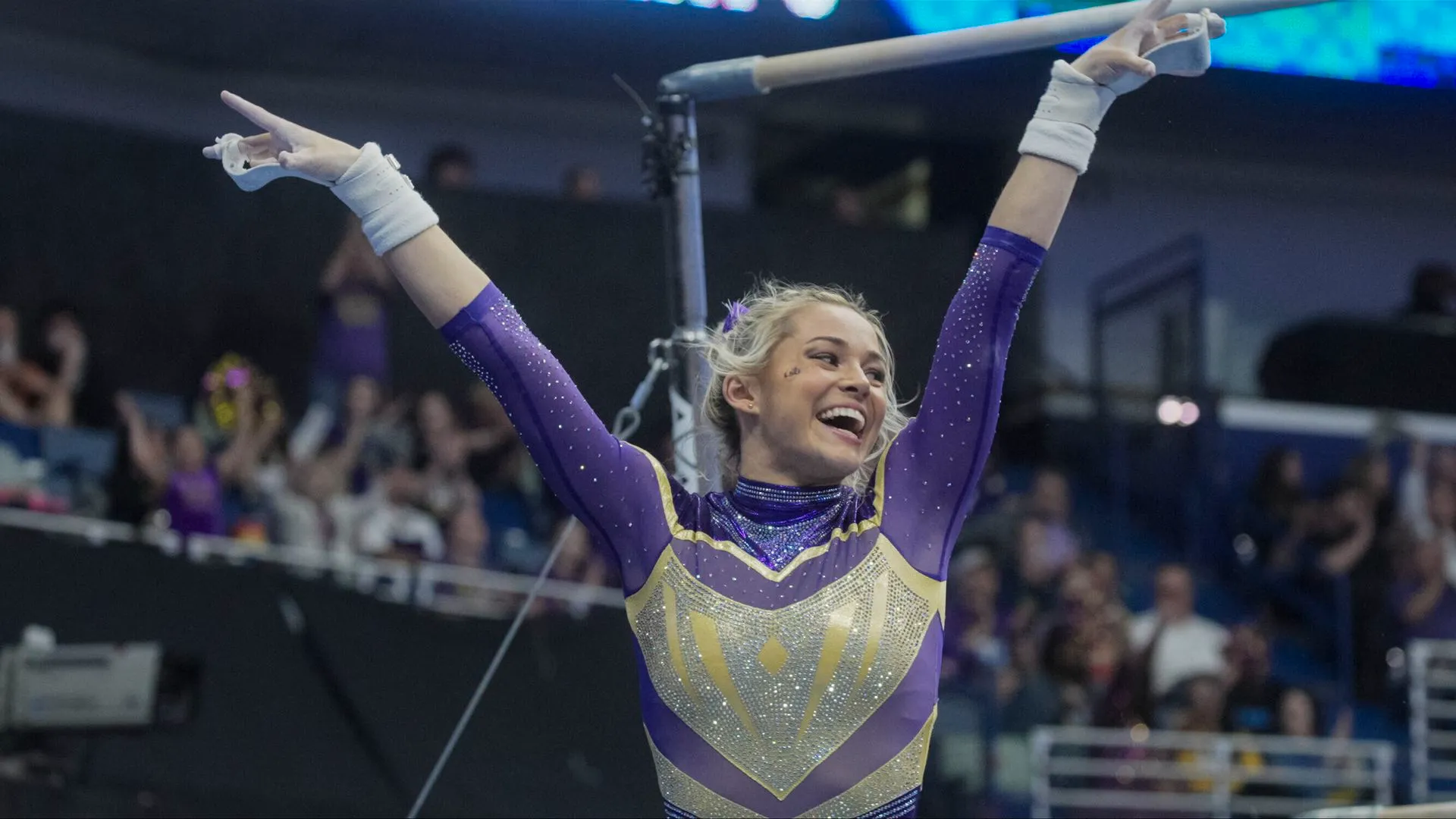
There isn’t a single type of NIL opportunity. Some players, like Livvy Dunne, can get $125,000 for a single social media post, while others have a hard time getting small deals. There are many endorsement deals, from traditional brand sponsorships like Angel Reese’s deal with Reebok to specific local marketing opportunities with small businesses in the area.
For personal image, social media has become the most important thing. Athletes can make money by getting more fans on Instagram, TikTok, and Twitter. With 15 million followers, Dunne is a great example of how having a digital profile can help you make money. Building an online brand is now as important for many players as doing well in the game.
Not every player has the same chances to get NIL. LSU’s associate athletic director Taylor Jacobs said it straight out: “98–99% of student-athletes don’t have huge platforms.” Alia Armstrong, a top-four athlete globally, is a great example of this problem. She has worked hard to get important NIL deals.
Women athletes like Flau’jae Johnson know how important it is: “I don’t have a $30 million WNBA contract waiting for me.” We need to make the most of this chance while it lasts. This way of thinking comes from a wider understanding that NIL is a rare chance to make money.
It’s not just about money in the NIL world; it’s also about economic empowerment, personal branding, and turning athletic ability into long-term opportunities. Each athlete writes their own cash story, one post, and one deal at a time.
Coaching Capitalism: LSU’s NIL Playbook
Most colleges were hesitant when the NIL policy was brought down. Not LSU. Other people saw uncertainty, but they saw a chance.
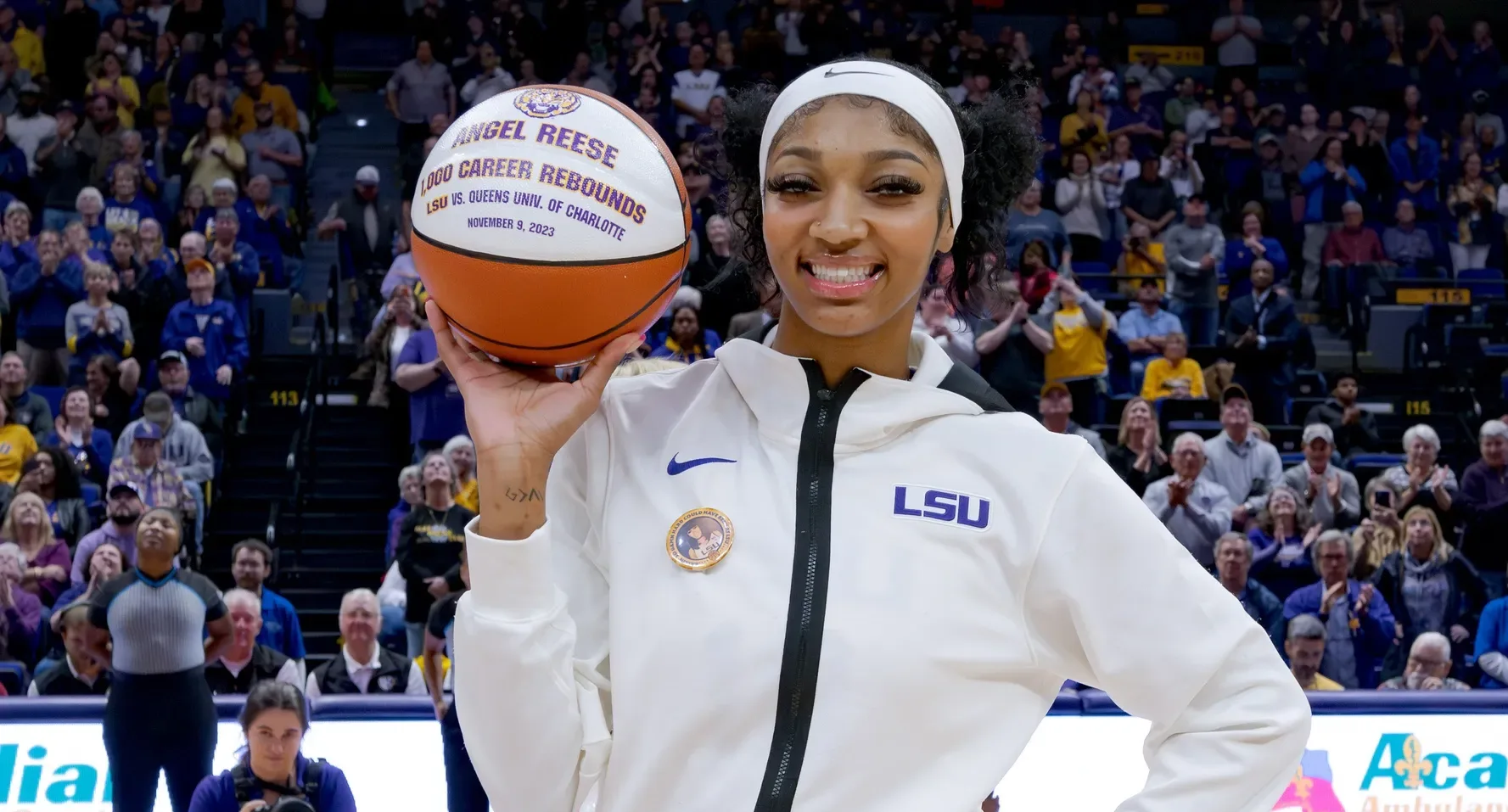
Taylor Jacobs, LSU’s associate athletic director, came up with a new way to help athletes. Many officials said, “We don’t want to touch this with a ten-foot pole. ” But Jacobs said, “I will!” Because of her strategy, LSU became a strategic NIL powerhouse.
The university set up a separate NIL office whose only goal was to teach athletes “how to hustle.” It wasn’t just about making money; the goal was to turn people into businesses.
LSU knew that today’s athletes are more than just rivals; they’re also business owners. The NIL office has important tools that help students manage their money. They know most players aren’t huge social media stars, so they offer individualized help.
This support system is a lifesaver for athletes like Alia Armstrong, who are having trouble getting deals while also going to school and training. The office helps them understand contracts, make smart choices, and build their brands.
LSU’s method isn’t just about making deals. It’s about making wealth that lasts for generations. “There are people who come from nothing, so they gotta take care of their people back home,” Jayden Daniels said very well.
One NIL deal at a time, the university is helping players and building up future leaders.
Pressure Points: The Invisible Marathon of Student-Athletes
Today’s college athletes compete on fields and courts and have to deal with complicated personal and business situations that would test even the most seasoned pros.
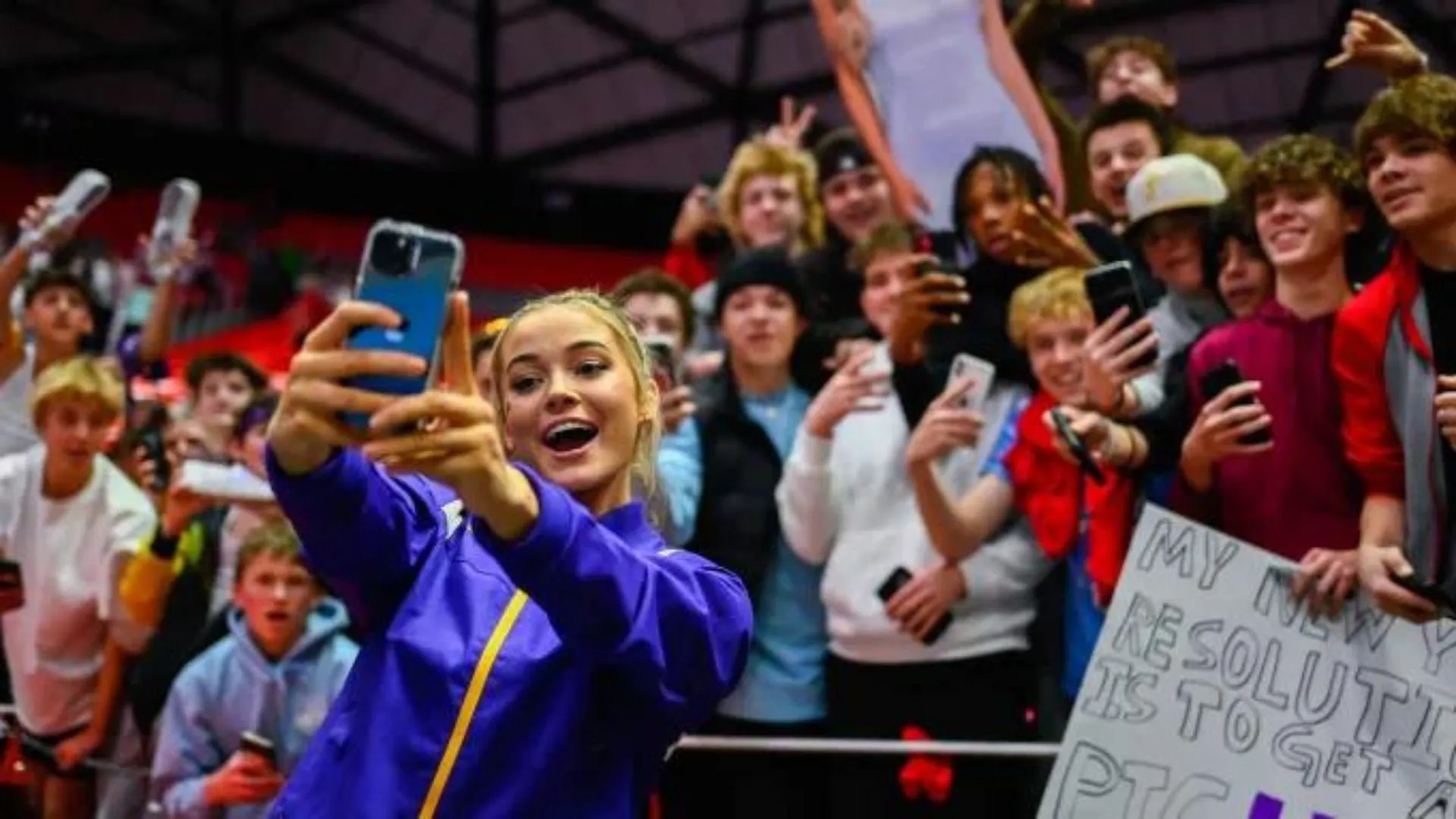
“Mentally, it’s been super hard,” Alia Armstrong said honestly, showing how bad things are. I’m not going to lie. School and track are already a lot of work, so adding another job is crazy.” This feeling is shared by all of LSU’s athletes, who are all basically juggling several full-time jobs at the same time.
The NIL revolution hasn’t just changed the way money works; it’s also changed how people think about money. Athletes shall now balance:
- Academic work that is very hard
- Elite sports training
- Managing your brand
- Talks about business
- Being on social media
- Public attention
“You don’t have to play the money game,” says Jayden Daniels, giving us deep information. There are ways to make money while you are a school athlete, though. His words show the complicated choices that players now have to make.
For many sports, family is the most important source of support. Daniels’s comment about “taking care of people back home” shows that NIL’s chances are about more than individual success; they’re also about moving up the economic ladder for future generations.
For success, you need:
- Strong time management
- Emotional strength
- Think strategically
- Networks that help
- Real understanding of oneself
In the NIL era, athletes are expected to be professionals in all areas, including scholars, sports, business owners, and people. It’s not just a job. The stage is life itself, and the stakes are very high.
Capturing Complexity: Cinematic Storytelling in “The Money Game”
“The Money Game” isn’t just a documentary; it’s a colorful look at how athletes change. The show starts with a powerful video of a college campus that immediately makes the cultural importance of its subject clear. The first frames don’t just show pictures; they tell a story of how things have changed in the system.
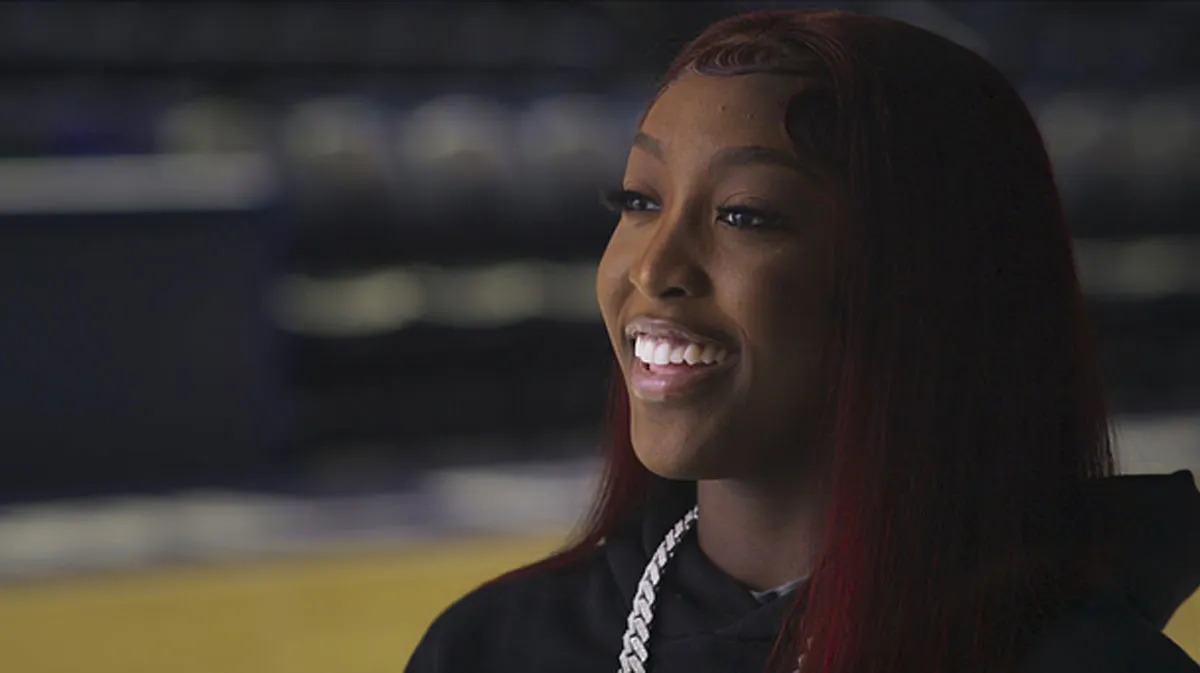
The documentary cleverly breaks the rules of how sports stories are usually told. It doesn’t praise athletic accomplishments; instead, it breaks down the business system that supports college sports. Each athlete is not only a statistic; they are also a part of a bigger economic story.
The visual method is meant to be dynamic:
- Interviews cut short
- Direct, uncensored talks between athletes
- Behind-the-scenes looks at the NIL talks.
- A historical film with context
Regarding cinematography, the show is like the “Wild West” of NIL opportunities: it’s hard to tell what will happen next. In interviews, people talk about both personal and governmental issues, which gives the story many different layers.
There will be inevitable similarities between “The Money Game” and “Blue Chips,” the 1994 movie about corruption in college sports. However, “The Money Game” takes much of its time. It’s not so much about crime as it is about how the system is changing.
The series doesn’t just record change; it also makes sense of it by turning complicated economic shifts into deeply human stories about desire, strategy, and survival.
Shifting Goalposts: Reimagining Collegiate Sports Ecosystems
The NIL movement isn’t just a change in policy; it’s a huge shift in culture. For over one hundred years, college sports were run like a feudal system, with institutions making huge profits while players went unpaid. Now, the balance of power has changed radically.

The NCAA’s leaders are at a crossroads. What started out as a risky experiment in how to pay athletes could now completely change the economy of amateur sports. Universities should no longer see student players as employees but as smart businesspeople with real market value.
Some important signs of change are:
- Decentralized models for paying athletes
- Engage directly with athletes and brands.
- More openness in the field of sports business
- Loss of standard ideas about amateurism
It has effects that go far beyond sports. These changes are part of a larger shift in society that recognizes the right of young workers to start making money early on. Jayden Daniels and Angel Reese aren’t just fighting but also setting the stage for new economic models that will affect future generations.
Most likely, athletes in the future will not see NIL as a new idea, but as a basic career right. The video shows this change, which is shown less as a shocking event and more as a natural progression of athletic capitalism.
Nothing has been the same since the NIL age. One athlete at a time, career growth is changing the whole story.
The Review
The Money Game
"The Money Game" is a unique documentary that does much more than just record a policy change. It also shows a major turning point in the culture of college sports. By focusing on LSU players, the show turns complicated changes in the economy into deeply human stories about drive, strategy, and becoming your own boss. The video goes beyond the usual way of telling sports stories by giving a nuanced look at the NIL revolution's deep effects. It shows how young athletes are students, performers, entrepreneurs, and leaders at the same time by balancing personal stories with larger systemic observations. The thing that makes this show stand out is how honest it is. The athletes aren't just subjects; they're also part of a story about economic freedom, moving up in the workplace across generations, and how the meaning of professional success is changing.
PROS
- Unprecedented access to athlete stories
- Nuanced exploration of NIL complexities
- High-quality production values
- Balanced narrative approach
- Captures a transformative moment in collegiate sports
- Humanizes athletes beyond athletic performance
CONS
- May feel overwhelming for viewers unfamiliar with NIL landscape
- Limited geographical focus (primarily LSU-centric)
- Some technical economic details might be complex