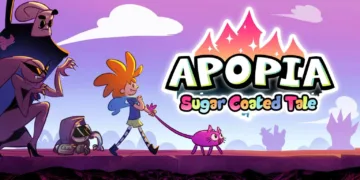

















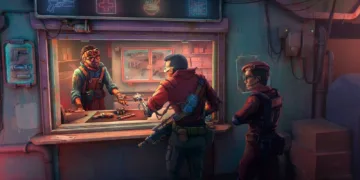

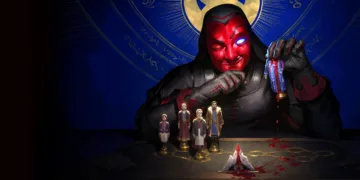


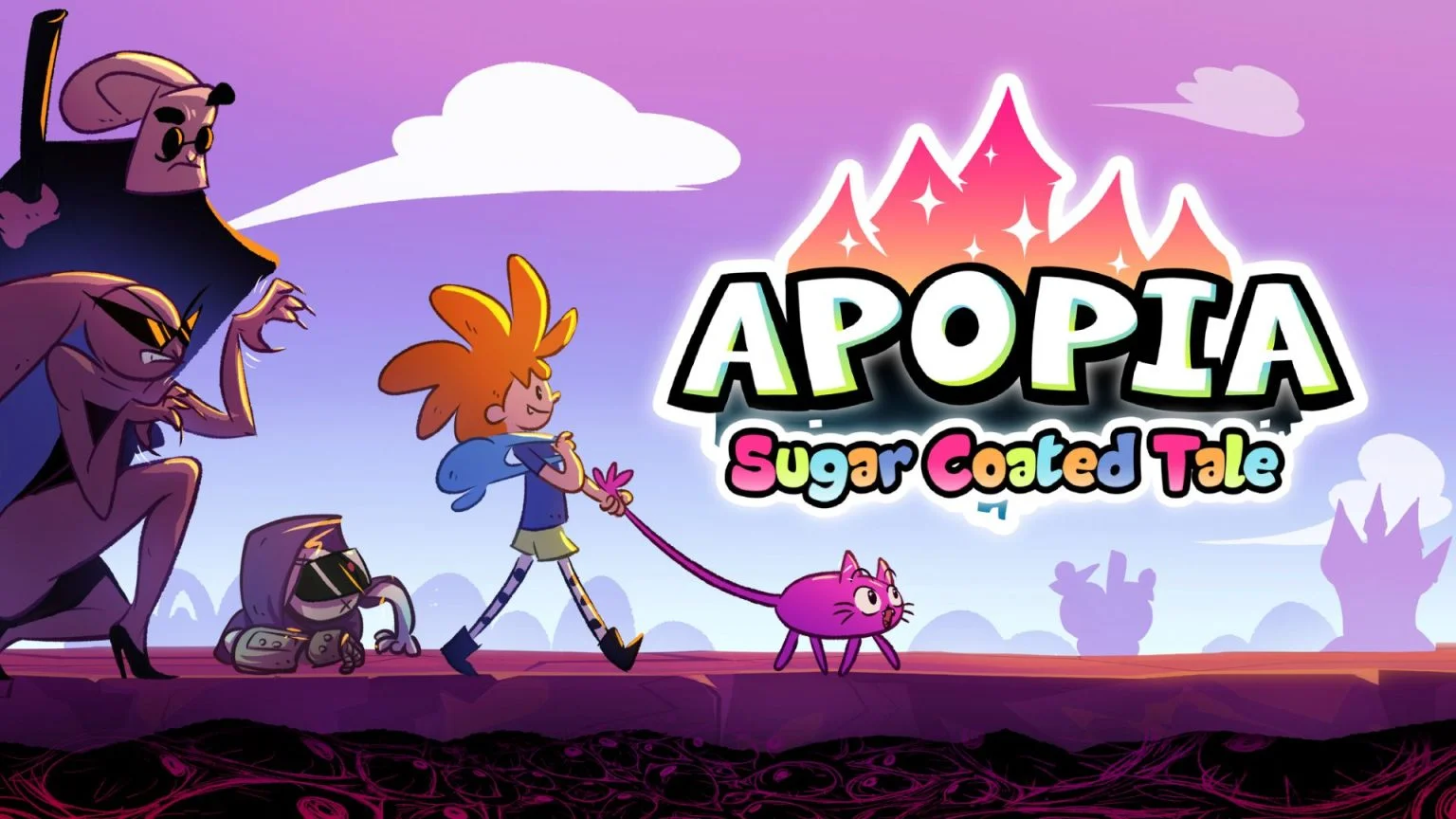

Nobody enters Yogurt, nobody leaves, and nobody cries. BOSS’s three rules put an unusual restriction on the rabbit kingdom’s cartoon cheerfulness: sadness itself becomes a breach of public order. For Apopia: Sugar Coated Tale, a Hong Kong-developed adventure drawing on internationally familiar fantasy, this is a productive alteration to the borrowed furniture. The girl falling into a strange world recalls Alice’s Adventures in Wonderland, but the ban on tears gives its nonsense authority a particular emotional interest. Beneath the talking animals and extravagant colors sits a government concerned with how its subjects feel, or at least how they appear.
That restriction takes on practical significance through Mai’s ability to enter other characters’ minds. Their Dark Worlds contain the fears, shame, and memories that everyday conversation conceals. Moving through Yogurt therefore involves crossing between public behavior and private experience, with knowledge gained inside someone’s mind helping clear obstacles outside it. The kingdom’s rules discourage emotional expression while the adventure asks the player to investigate it. This gives the familiar business of finding a way past an uncooperative resident an additional question: what has made this person difficult to reach?
Mai has her own reasons to need an answer. Separated from her mother after a fall during a mountain excursion, she remembers two conflicting maternal figures: one blue and nurturing, the other red and violent. Their visual separation makes her confusion immediately legible, but the emotional interest comes from holding both versions in view. The search for home becomes troubled by uncertainty about the person waiting there. A return to the surface cannot, by itself, settle those incompatible memories. The fairy-tale promise of getting back where one belongs grows less reassuring when belonging carries fear alongside affection.
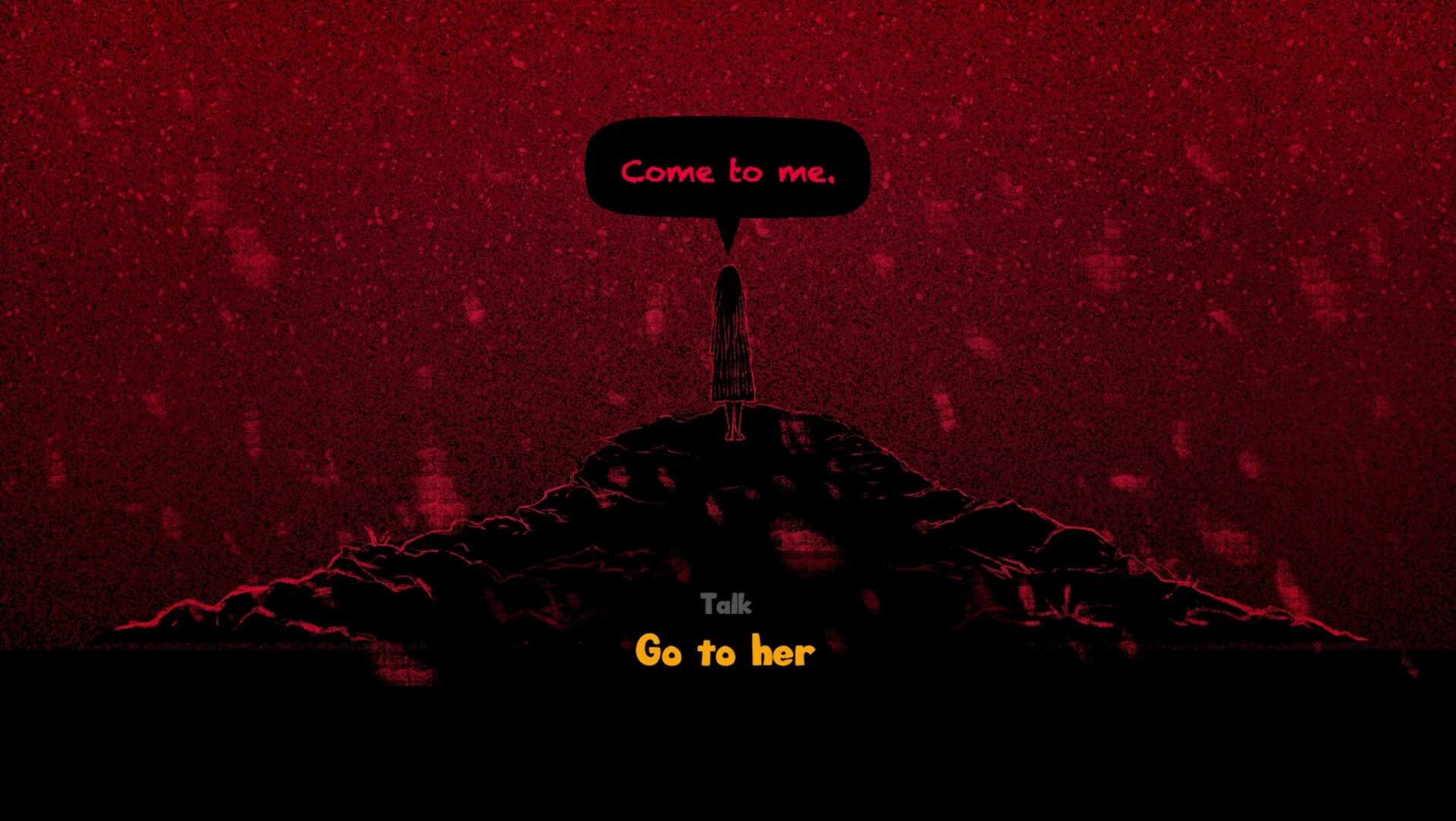
The Dark Worlds give that uncertainty a visual language distinct from Yogurt’s polished, hand-drawn exuberance. Rough marks against dark backgrounds resemble drawings made on a digital board, with individual minds receiving different treatments. Their reduced detail suits places where memories arrive as fragments and feelings assume exaggerated forms.
Mai’s red and blue maternal images are especially effective because color establishes an emotional division before explanation arrives. Elsewhere, threatening red shapes and sudden sounds make these spaces aggressively unsettling. The change can be abrupt, yet it follows the same movement from a socially presentable exterior toward experiences that resist pleasant presentation.
There is a limitation built into making those experiences playable. A resident’s private distress can become another obstruction to resolve before moving on, and the short distance between discovering a problem and clearing it sometimes makes understanding look suspiciously efficient. Mai’s ability also reaches robots and computer systems, allowing interference with security and lasers.
That extension is amusingly practical, but it loosens the relationship between entering a mind and encountering a person. The same action can invite sympathy or function as a bypass tool. Apopia is strongest when the memories retain emotional significance after they have served their immediate puzzle purpose.
Its movement between game genres creates a related tension. Alongside literary fantasy, this Hong Kong production uses an international vocabulary of dating simulations, rhythm challenges, and first-person dungeon exploration. These forms arrive with expectations the game can alter.
A dating-sim passage turns courtship into a means of negotiating passage through the world; dungeon encounters replace the standard attack vocabulary with character-dependent ways of bluffing or escaping trouble. The pleasure comes from watching familiar interfaces accommodate this peculiar cast. A combat-shaped encounter becomes a small exercise in recognizing what these characters would actually do under pressure.
The ordinary exploration gives those departures a forgiving base. Inventories stay modest, puzzles are mostly approachable, and Mai uses an appropriate item automatically once the necessary conditions are met. There is little demand for exhaustive combinations.
That accessibility keeps attention on conversations and discoveries, though the distinction between an unsolved puzzle and an inactive story trigger can be unclear. Returning to a location after the plot has caught up is less satisfying than returning with a newly understood solution. Backtracking becomes noticeable when the player has already identified the relevant place but lacks permission to make it useful.
Some changes of activity are less assured in execution. Slippery movement during a robot chase makes a brief action sequence awkward, while a later musical-memory puzzle relies on a melody that can be difficult to hear. These are small passages with disproportionate influence because each introduces a demand outside the adventure’s usual conversational pace.
Hearing the required notes clearly is fundamental to that puzzle’s fairness. The music elsewhere works comfortably within the drama: Nana’s lullaby brings softness and sadness to a character encountered amid the kingdom’s theatrical personalities. Here, a song gives emotional access without requiring another explanation of someone’s past.
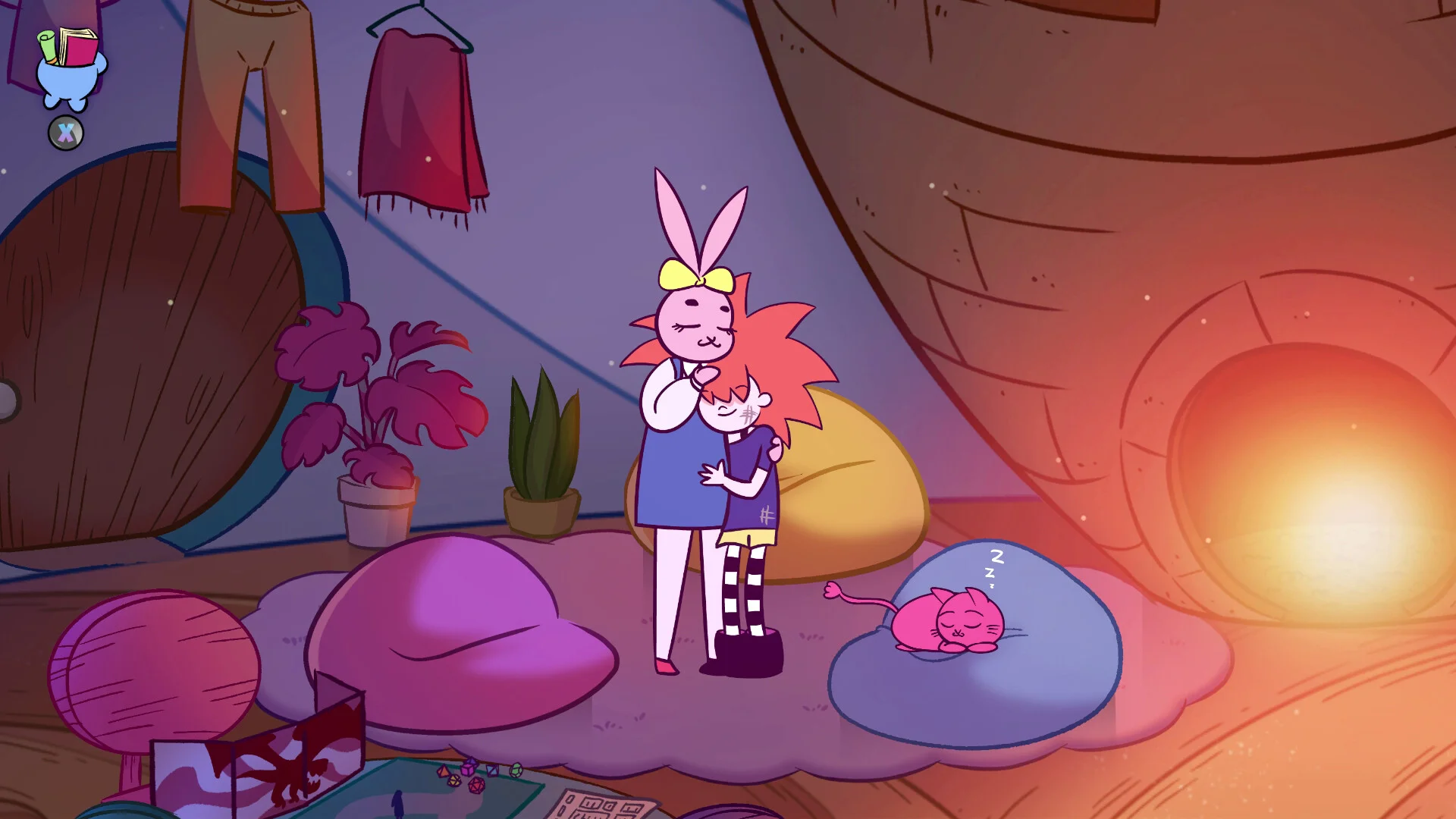
The shifts in playable character also change whose experience seems to matter most. Mai’s search initially provides the organizing mystery, and Nico, the pink cat with the hand-like tail, supplies a sarcastic companion. Moly gradually takes on greater weight through her displacement from the throne, her grief, and her relationship to the conflict consuming Yogurt.
Her importance gives the resistance a personal cost. Removing BOSS becomes entangled with what restoration could mean to someone who has already suffered losses that political victory cannot simply reverse. The royal fairy tale acquires an emotional problem its familiar objective cannot fully contain.
That redistribution produces some of the game’s strongest feeling, but it leaves an imbalance around Nico. Playable passages and disclosures about his history invite closer attention, then his role contracts before the final stretch. His sarcasm has made him an enjoyable presence; access to his past begins to ask for a different kind of investment. For an adventure built around discovering what lies behind another person’s behavior, his retreat from the foreground is a missed opportunity to let that knowledge change a relationship over time.
The Review
Apopia: Sugar Coated Tale
Apopia’s Hong Kong perspective finds an expressive vocabulary in traveling fairy tales and familiar game genres. Its forbidden tears, divided maternal memories, and explorable minds turn emotional concealment into something the player must confront. Moly gives that design substantial feeling, though hurried psychological resolutions, occasional control friction, and Nico’s diminishing role limit its reach. The borrowed forms work best when they make understanding another person part of play.
PROS
- Dark Worlds connect emotional discovery with puzzles.
- Moly gives the kingdom’s conflict personal weight.
- Genre changes accommodate character-specific actions.
- Distinct visual styles express conflicting memories.
CONS
- Some psychological obstacles resolve too conveniently.
- Inactive story triggers create unnecessary backtracking.
- Action controls and faint musical cues cause friction.
- Nico’s development loses space late in the story.