





























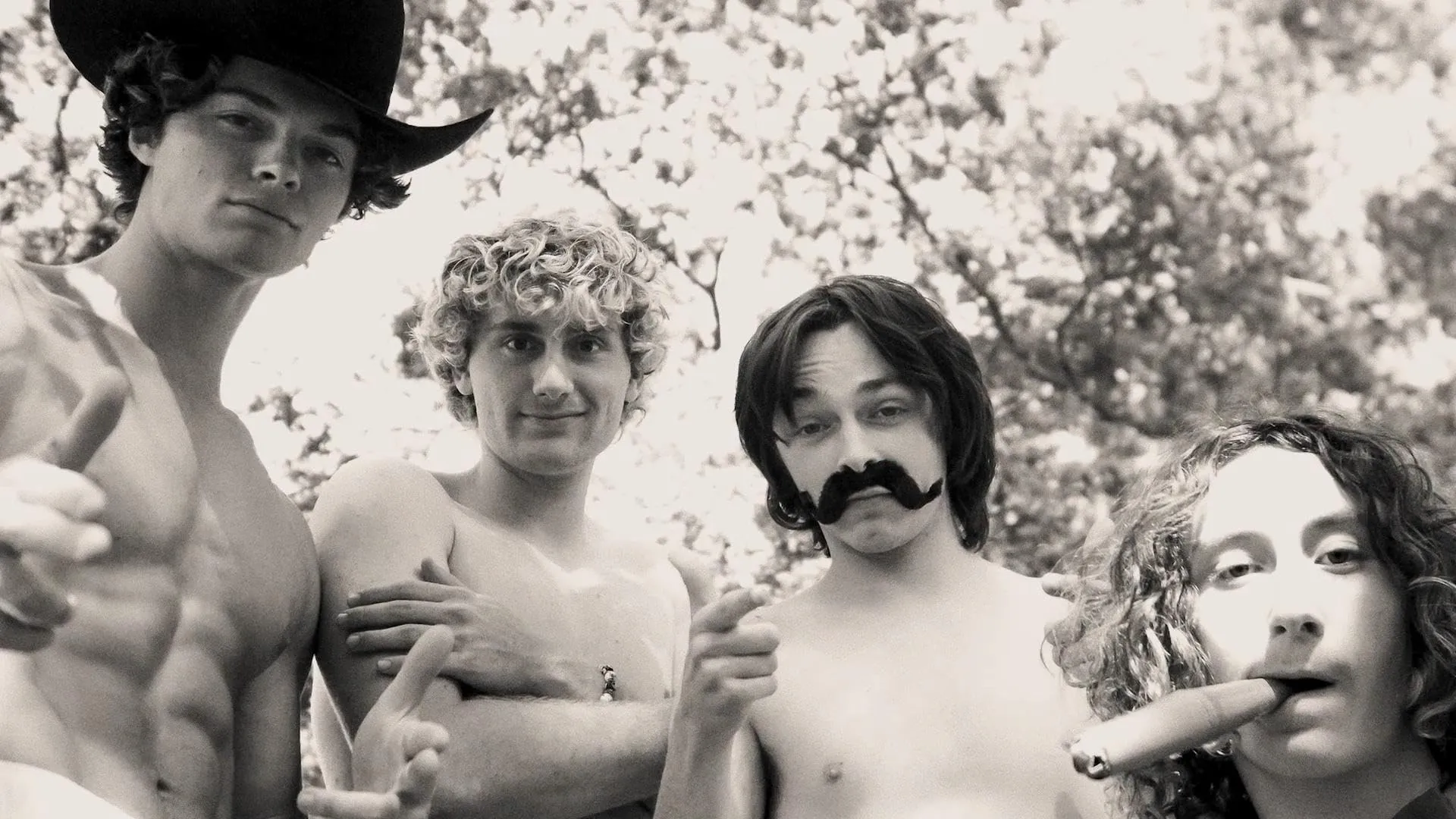

Dean Lent presents a narrative in Feeling Randy that goes beyond standard teenage coming-of-age tales and is set in the vibrant 1970s Bay Area. The film starts with four teenage boys taking a road trip to a Nevada brothel. They are being sarcastic and fun at the same time. Lent may start as a wild time, but it quickly turns into a deep look at identity and acceptance of oneself.
Lent creates a semiautobiographical narrative based on his own experiences that deeply resonate with audiences who have experienced the difficulties of growing up in a society with strict rules. Randy, portrayed by Reid Miller, grapples with the tension between his true self and what others expect of him.
Feeling Randy stands out because of its unique way of telling stories. To encourage viewers to piece together Randy’s identity, the film uses flashbacks that reflect the fragmented nature of adolescent introspection. This method improves character development and is like the crazy process of discovering who you are.
The film also serves as a cultural artifact, softly questioning archaic ideas about masculinity and providing a sympathetic account of teenage life. The vivid cinematography and period-appropriate music evoke a sense of authenticity reminiscent of the French New Wave.
Feeling Randy is more than just a film; it reflects the complexities of adolescence and the changing conversation surrounding sexuality, encouraging viewers to reflect on their journeys of self-discovery.
A Journey of Self-Discovery: The Plot of Feeling Randy
Four boys set out on a road trip to a Nevada brothel in Feeling Randy, driven by the age-old desire to lose their virginity. This is the classic teenage setting. Despite its apparent simplicity, this idea serves as a clever framework for delving into more complex themes of identity and acceptance of oneself.
The film’s mix of humor and sadness makes it an interesting look at adolescence, especially in the 1970s Bay Area, a time and place when culture was changing quickly and people were becoming more aware of LGBTQ+ identities.
The film quickly establishes the dynamics within the boys’ friend group as they make their plans. With their chats laced with talk about “getting lucky,” each character represents a different aspect of teenage bravado and insecurity. The story’s heart, though, is in Randy, who is played with great sensitivity by Reid Miller. It becomes clear that Randy’s journey is less about getting somewhere and more about what he learns about himself as the group drives toward the brothel.
The main events are depicted in several short stories that show the boys’ interactions and Randy’s internal battle. While his friends are bragging about their exploits, Randy can’t connect with the women at the brothel, showing an emotional gap that reveals his developing understanding of his sexuality. Randy’s comedic mask starts to come off at this point, revealing his true feelings and desires. This serves as a turning point.
Despite the humor, the encounters at the brothel are portrayed with an unexpected tenderness, allowing for some introspective moments. Beyond a collection of sexual adventures, these scenes help Randy understand himself and reflect social worries about sexuality and identity at a time when talking about these things was frowned upon. Feeling Randy expertly walks the line between traditional storytelling and a more cutting-edge, character-driven narrative that resonates with modern audiences in this way.
The film invites viewers to reflect on their journeys of self-discovery and acceptance through its interesting plot and relatable characters in addition to entertaining them.
Unpacking Identity: A Character Analysis of Feeling Randy
The character of Randy Parker, portrayed by Reid Miller with exceptional nuance, is at the heart of Feeling Randy. Randy is a typical teenager exploring his identity while dealing with the rough waters of adolescence.

While his friends are fixated on sexual conquests, Randy grapples with feelings that go against the very foundation of his understanding of desire and masculinity. This inner struggle is what defines his journey. As he looks for authenticity in a world that often wants people to fit in, this study of his personality is both relatable and moving.
Randy’s relationships with his friends exemplify teenage camaraderie marked by competition and insecurity. The group dynamic is a microcosm of teenage life, where bravado frequently hides deeper vulnerabilities. As the boys set out on their road trip, it becomes clear that their understanding is based on misunderstandings, especially regarding Randy’s true feelings. This tension gives his character more depth, making his realizations all the more powerful.
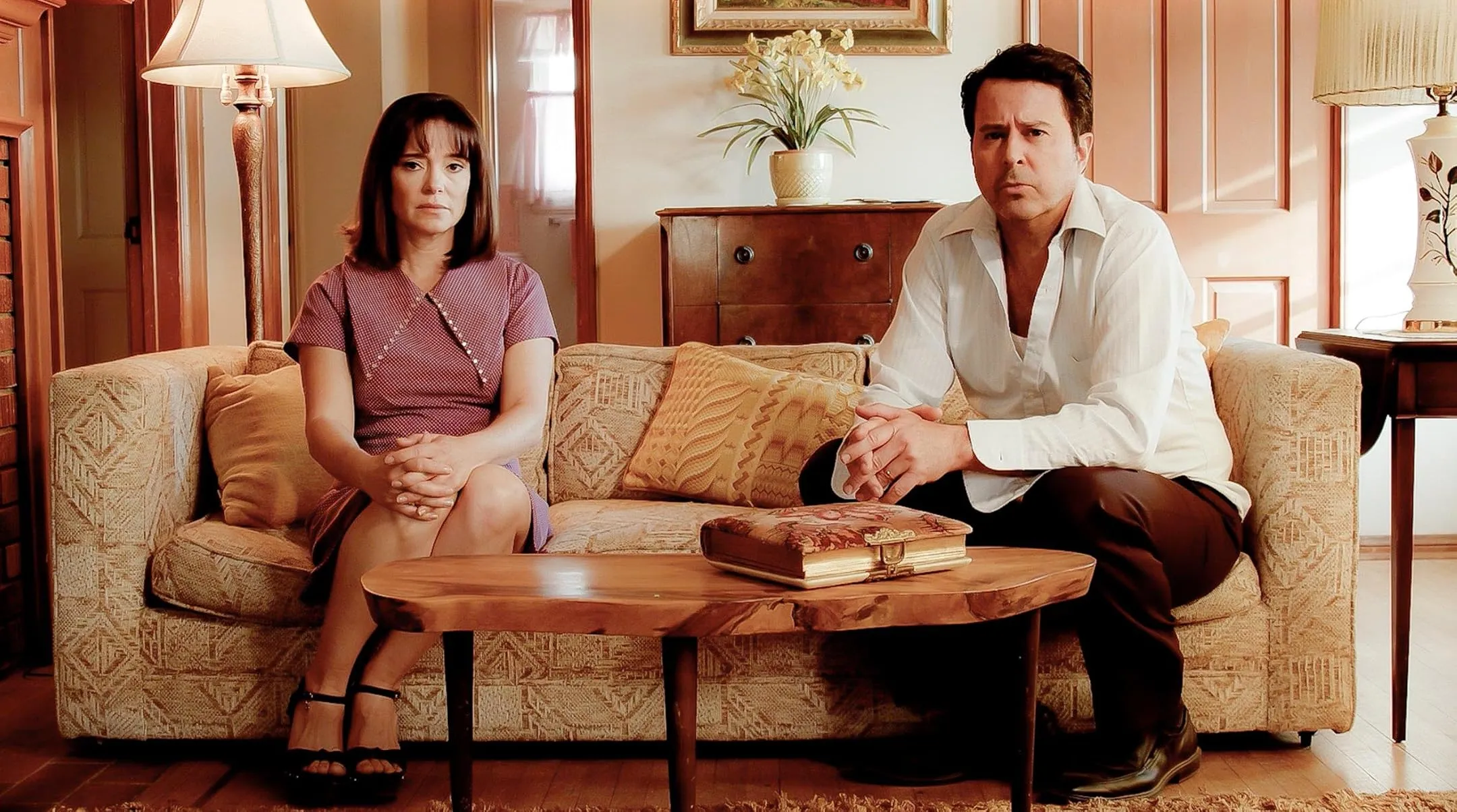
Randy’s family ties are just as important, especially with his parents. In stark contrast to his father’s more strict and often mean demeanor, his mother, who is portrayed with warmth and understanding, offers a safe place for Randy’s exploration of identity. The father-son relationship is tense, highlighting social pressures that dictate how masculinity should be expressed. These familial dynamics shape Randy’s experiences, reflecting societal concerns about acceptance and sexuality.
Randy’s growth throughout the film is both compelling and real, making him a character that audiences can relate to on many levels. This development is somewhat reminiscent of the character studies found in the works of French New Wave directors. His journey reflects the complexities of growing up, making Feeling Randy more than just a film about adolescence.
Navigating Identity: Themes and Motifs in Feeling Randy
Feeling Randy skillfully examines the complexities of teenage sexuality, presenting a narrative that truly resonates with modern audiences. The film beautifully depicts Randy’s journey to self-acceptance in a society that is based on heteronormativity through Randy’s perspective.
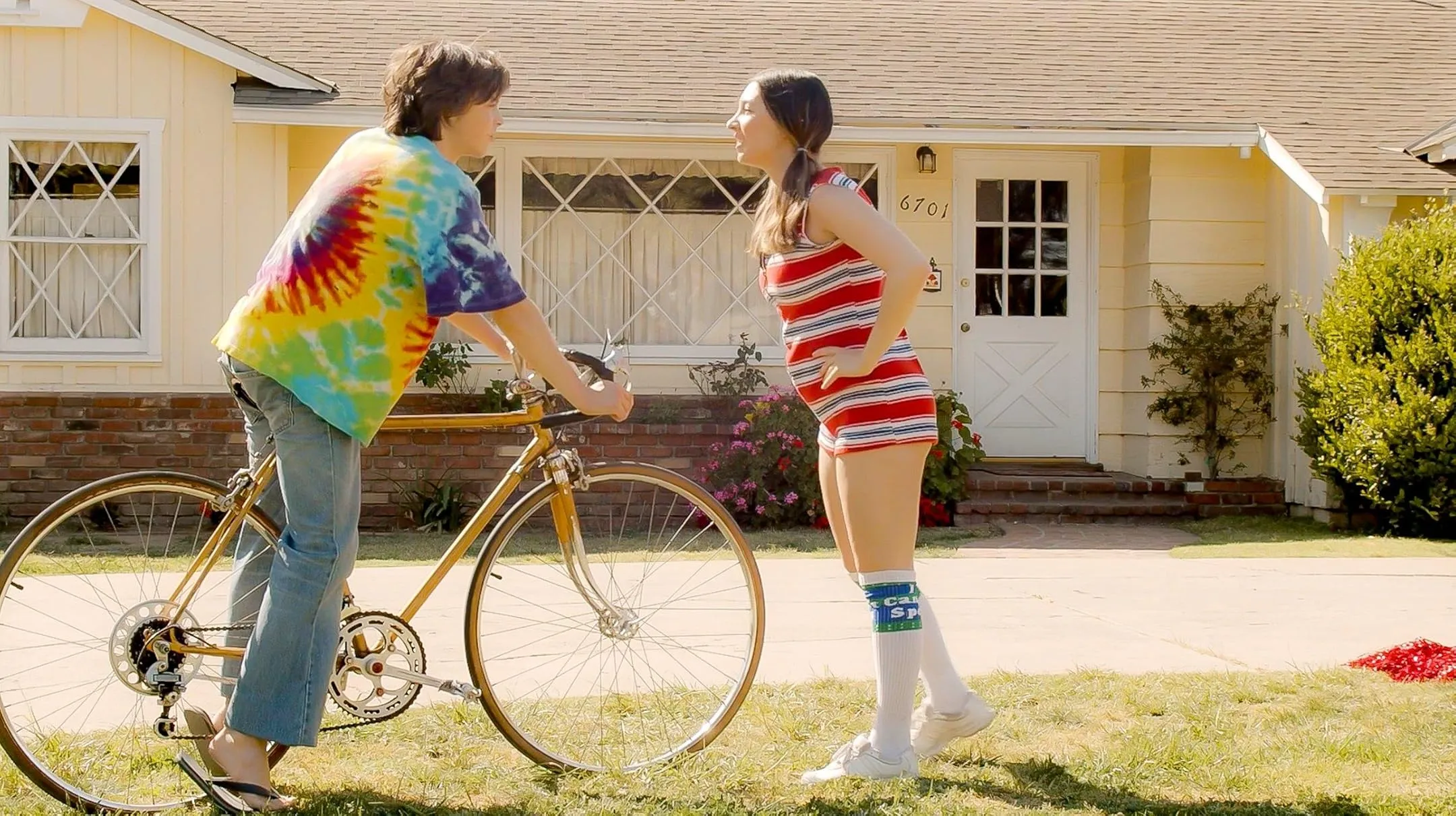
In Lent’s film, the search for sexual experience is not the only thing that is shown. The emotional landscape of a young guy struggling with his identity is also shown. Randy’s realization that he can’t fully connect with women—illustrated by his encounters at the brothel—serves as a significant turning point, highlighting the internal conflict between societal expectations and personal truth.
The film’s portrayal of teenage sexuality is pleasantly nuanced. Instead of typical raunchy tropes, it takes a more heartfelt look at desire and confusion. It encourages viewers to reflect on the pressures that young people experience when trying to fit into traditional narratives of masculinity and sexuality. Feeling Randy pushes all viewers to reevaluate their understanding of desire and identity in this way, in addition to providing a mirror for LGBTQ+ youths.
Randy’s experiences are also significantly shaped by his friends and family dynamics. His friendships with his friends show how important camaraderie is, but they also show how little understanding they have. Particularly when Randy’s true feelings are kept hidden, the boys’ humor and bravado serve as a cover for deeper insecurities. On the other hand, the film gives a vivid representation of how family ties change between supporting and opposing each other. While his father embodies the harsh realities of societal expectations, frequently responding with misunderstanding and cruelty, Randy’s mother offers a nurturing environment for his self-exploration.
This contrast not only strengthens Randy’s character but also reflects more general cultural concerns about acceptance and identity. The film resonates with the themes found in the works of directors like Noah Baumbach, who also explore family complexities and personal growth in their narratives. Combining these themes, Feeling Randy creates a rich tapestry of social and emotional exploration, making it an important addition to modern film.
Visual Storytelling: Cinematography and Production Design in Feeling Randy
The photography and production design in Feeling Randy are a feast for the eyes. They perfectly capture the spirit of the 1970s. With a mix of warm tones and a slightly muted quality reminiscent of old photos, the film’s color palette evokes the style of the time.

Cinematographer Dean Lent uses natural lighting and soft focus to create a warm, welcoming atmosphere that makes viewers feel like they’ve traveled through time. This decision makes the film feel more romantic and shows how Randy’s journey of self-discovery was both clear and confusing.
The production design’s authenticity further immerses the audience in the era. The costumes are carefully chosen and include bell-bottoms, colorful t-shirts, and platform shoes that take us back to when fashion was a way to show who you were. The narrative is grounded in a relatable reality by the set decorations, ranging from well-known film posters to Randy’s messy home. The world-building is enhanced by these small details, making the film feel more real than a mere recreation of the past.
Feeling Randy resonates with audiences on both an emotional and aesthetic level thanks to its careful attention to visual style, reminiscent of the French New Wave’s emphasis on authenticity. It serves as a cultural artifact, representing a particular period and the changing discourse on identity and acceptance.
Balancing Laughs and Heart: Humor and Emotional Depth in Feeling Randy
A narrative that resonates on many levels is created by Feeling Randy, which expertly weaves humor and emotional depth. The funny moments aren’t just there to make you laugh; they’re an important balance to the more serious themes in the film.
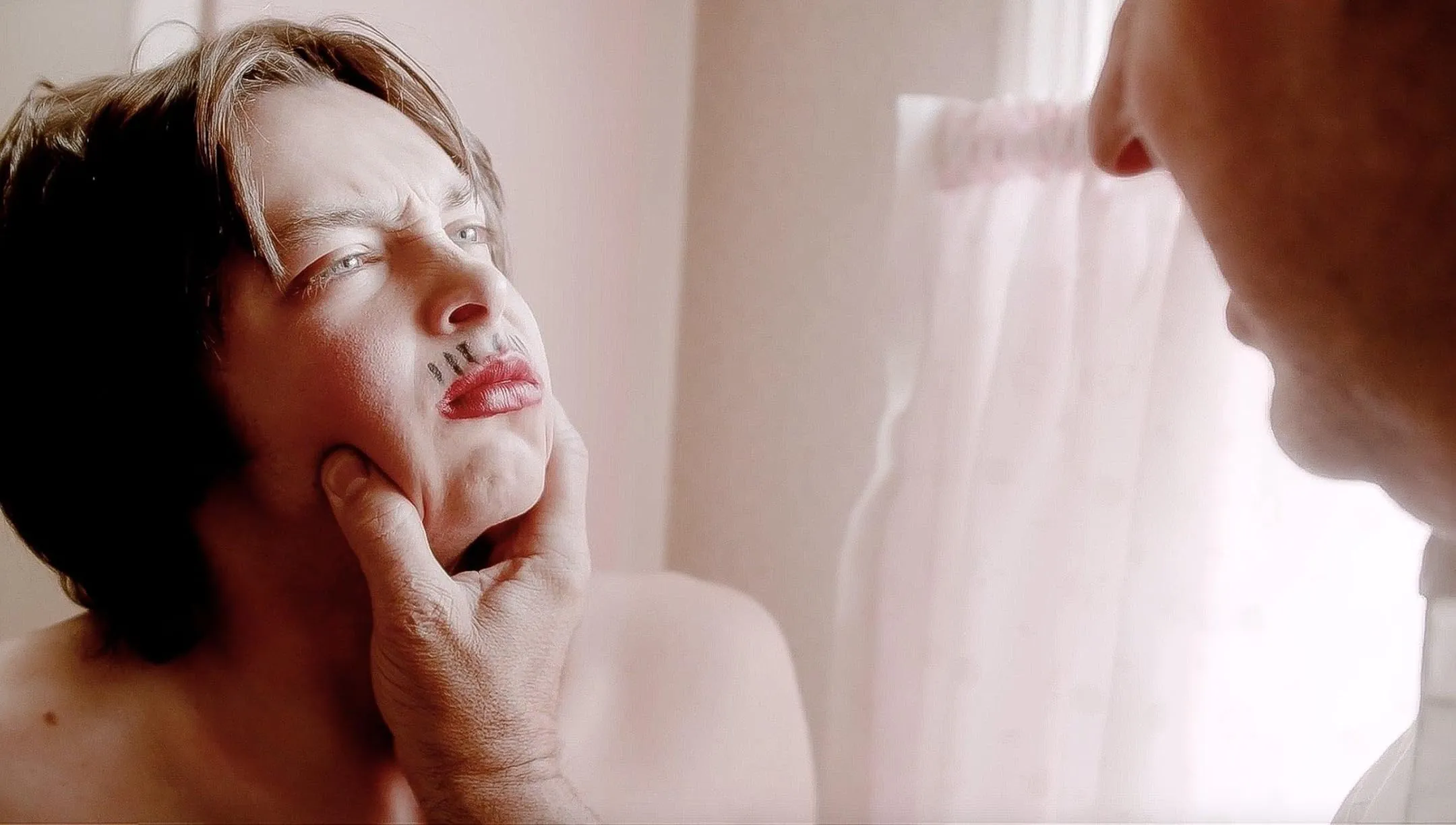
The humor feels natural and reflective of teenage experiences, from the boys’ road trip banter to the awkward encounters at the brothel. These lighter moments do a good job of easing the tension and making the audience feel like they can relate to the characters while highlighting how silly their situation is.
But the film shines in the sad parts. During quiet moments of thought, Randy’s inner struggles become clear. This is when his vulnerability starkly contrasts his earlier comedic bravado. The transition from humor to emotional weight, for example, is handled with finesse when he grapples with his feelings of isolation amid the standards of his friends. The film can explore deeper social worries about acceptance and identity thanks to this balance without losing its lighthearted tone.
Feeling Randy makes you laugh and think, much like Noah Baumbach’s works, which also deal with the tension between humor and emotional truth. The film’s ability to elicit laughter and tears is a testament to its innovative narrative style, making Randy’s journey relatable and compelling.
Embracing Authenticity: The Overall Impact of Feeling Randy
Feeling Randy has a strong message about acceptance and self-discovery that resonates with modern audiences today. The film’s examination of Randy’s identity journey serves as a powerful warning of the complexities of identity, especially in a world where rigid expectations are frequently imposed.
Its humor and emotional depth mix create a rich tapestry that encourages reflection and viewers to accept their true selves despite societal pressures.
Feeling Randy is an important cultural artifact in an era when discussions about sexuality and identity are more important than ever. It is more than just a film but a key tool for understanding how acceptance is changing in today’s world.
The Review
Feeling Randy
Feeling Randy is a heartfelt look at identity and self-acceptance that expertly combines humor with moving moments that resonate with people of all generations. While its narrative innovation challenges conventional storytelling norms, its vibrant cinematography and authentic production design evoke the 1970s. Audiences are invited to reflect on their journeys of self-discovery by the film's rich character dynamics and cultural relevance, making it a standout in modern cinema. This film is a must-see for anyone handling the complexities of growing up because it has a great mix of laughter and emotional depth.
PROS
- Captures the complexities of teenage identity and sexuality.
- Randy’s journey is relatable and poignant.
- Effective use of cinematography and color to evoke the 1970s.
- Successfully blends humor with emotional depth.
- Addresses contemporary issues of acceptance and self-discovery.
CONS
- Some scenes may feel drawn out.
- Certain plot points may follow familiar tropes.
- Some friends could have been more fleshed out.