


























Saeed Taji Farouky presents an observational film set in Myanmar’s Magway region. His work captures the everyday reality of artisanal oil extraction through a lens that transforms manual work into a quiet, reflective experience. Farouky pays careful attention to the textures and rhythms inherent in the labor of hand-operated oil wells.
Every movement and subtle gesture appears as part of a ritual, inviting viewers to see the dedication behind each task. His approach reflects an interest in recording the small acts of persistence that, over time, build a life steeped in routine and hidden significance.
The film follows the routine of a middle-aged couple, Thein Shwe and Htwe Tin, who operate hand-drilled oil wells in their modest surroundings. Their daily lives unfold in a series of vignettes that capture the pulse of existence in their remote community. The narrative gains additional depth through the presence of their teenage son, Zin Ko Aung, whose aspirations point to a future far removed from the demands of manual labor.
Scenes are linked by carefully observed moments that offer insight into the cost of hard work and the weight of quiet dreams. I am reminded of techniques seen in French New Wave cinema—fragments of narrative that together form a picture of genuine human interaction. Drawing on influences from filmmakers such as Godard and Truffaut, the film’s editing and pacing evoke the feel of a finely crafted short story. Its observational style holds appeal for viewers who appreciate slow, meaningful cinema, as it captures the enduring rhythm of daily life with a tender and thoughtful eye.
Visual and Cinematic Techniques: A Closer Look at the Film’s Visual Language
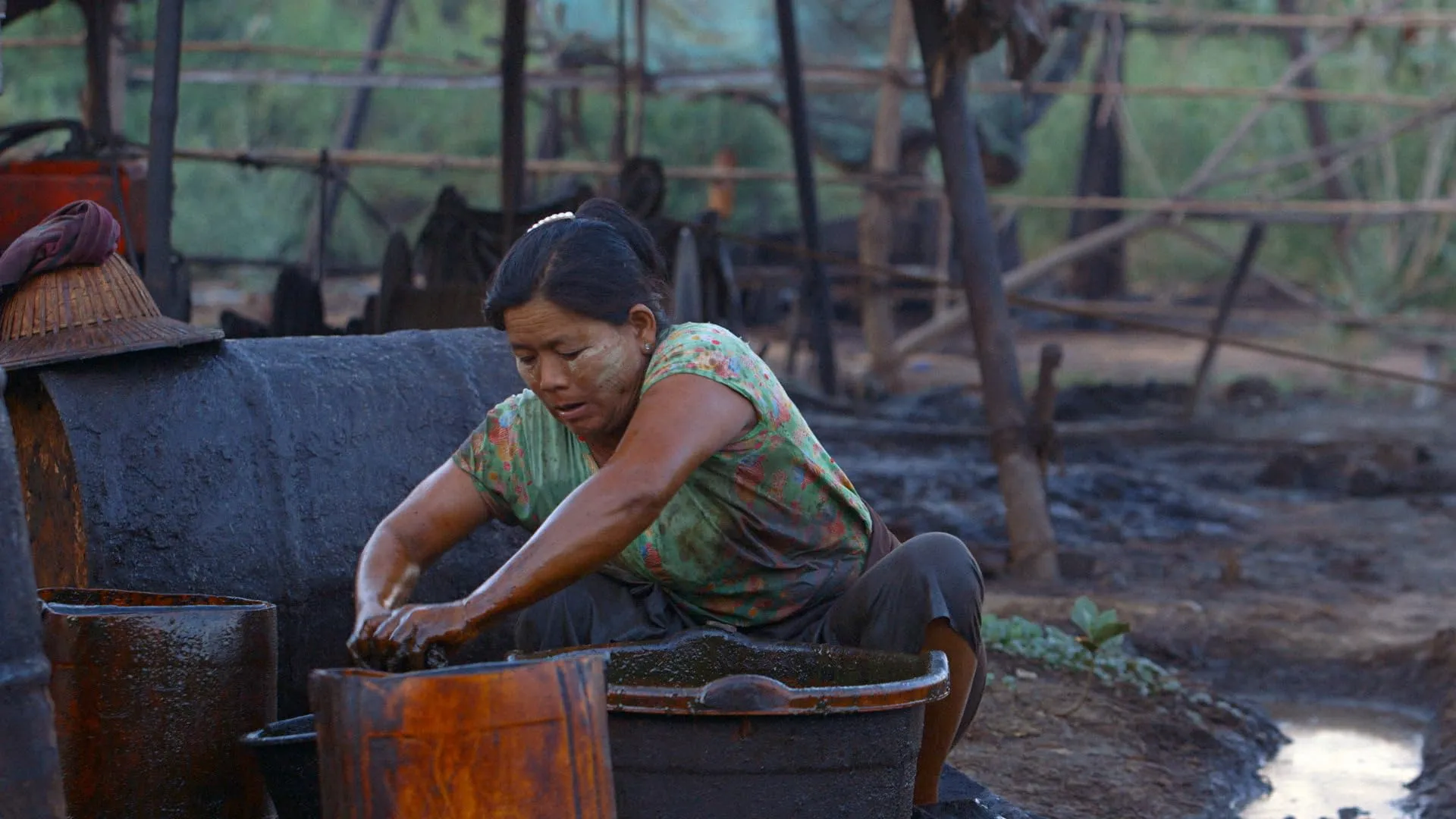
Farouky uses intimate close-ups that reveal the subtle expressions of his subjects. The camera focuses on the weathered hands of Thein Shwe and Htwe Tin, letting each movement speak to the constant rhythm of their daily work. Facial expressions provide insight, uncovering silent stories of resilience and quiet hope.
The film’s 4:3 aspect ratio creates an immediate, personal framing. This choice pulls viewers into the confined yet profound world of artisanal oil extraction, where every crack and crevice in the landscape speaks volumes. The camera acts like a silent witness, documenting the tactile process of extracting oil from the earth and the surrounding terrain’s texture.
The framing and movement echo the style of French New Wave directors, who captured the raw intimacy of everyday moments. This visual approach reminds me of Truffaut’s understated elegance, where simplicity carries deep emotional depth.
The film uses a muted, earthy color scheme that emphasizes the setting’s ruggedness, with striking splashes of oil and mud. Natural light blends carefully with the artificial glow of oil fires, creating a sensory experience that plays with light and shadow contrasts. Recurring images – like oil swirling against billowing reeds and the dusty landscape – mark the ongoing struggle within the narrative.
Each visual element creates an immersive portrayal of labor and persistence, inviting viewers to connect with the physical and emotional essence of each scene. The careful visual composition leaves a thoughtful and deeply moving impression.
Sound and Musical Landscape
Fatima Dunn’s score provides a measured undercurrent that runs throughout A Thousand Fires, setting a reflective tone for the film. The gentle strains of music blend seamlessly with the audible details of daily work—the metallic clang of machinery, the steady hum of generators, and the subtle sounds emerging from manual labor.
There are moments when the film pauses dialogue entirely, allowing these natural sounds to outline the cadence of life on the oil fields. In these sequences, the absence of spoken words gives the listener a clear sense of the rhythm and physicality of the work, creating an atmosphere that is both meditative and grounded. This interplay of music and ambient sound reminds me of moments from classic French New Wave films, where the background noise itself carried narrative weight and emotional nuance.
Next, the film introduces Alim Qasimov’s seven-minute piece “A Trace of Grace.” This extended musical interlude offers a reflective pause that deepens the film’s overall mood. The folk elements interwoven into the piece add an unmistakable cultural character, anchoring the film’s soundscape in the local traditions of its setting.
The anthem serves as a poignant reminder of the community’s heritage, lending the narrative an emotional intensity that mirrors the physical labor depicted on screen. I’m reminded of the stirring effect of live jazz sessions I’ve experienced, where each note carries a weight of personal memory and cultural significance. In this segment, the music not only complements the visuals but also accentuates the quiet dignity of the everyday struggle portrayed, forging a link between the tangible and the deeply felt.
Thematic Depth: Labor, Environment, and Spirituality
The film portrays oil extraction as a ritual of human effort. Close-ups of calloused hands and focused expressions reveal deep experience. The camera explores the physical strain of hand-drilled oil wells, exposing an intimate connection between workers and their tools.
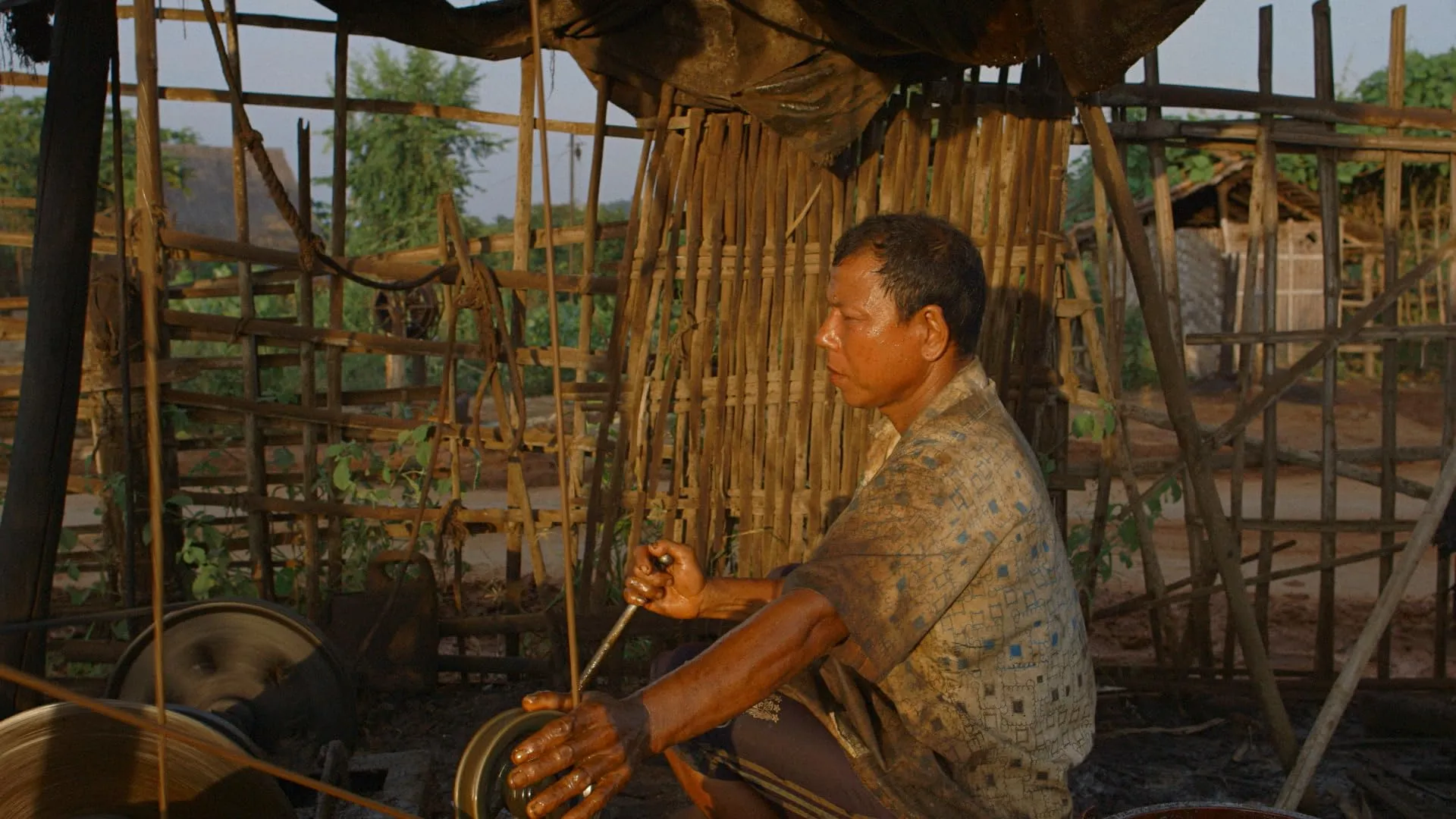
Measured moments show how each gesture reflects the physical burden of survival and quiet dignity in work. The detailed focus on labor’s minutiae—a careful lever grip, a subtle eye tremor of fatigue—illustrates a life where physical exertion provides nourishment and signals hardship.
Strong contrasts emerge between the natural setting and oil extraction’s environmental impact. Visuals show oil splashing onto dry earth and mud staining workers’ skin, revealing how human activity transforms landscapes. Scenes of workers scrubbing oil from weathered hands work as a visual metaphor for resisting industrial damage.
Repeated images of spilled liquids paired with cleaning moments create a reminder of resource extraction’s true cost. The visual dialogue invites reflection on how everyday actions carry both beauty and destruction.
Local customs and symbolic gestures add depth to the narrative. Rituals like fortune-telling and traditional ceremonies interrupt labor scenes. These moments—where a ritual or consultation with a local seer breaks the daily routine—offer insight into belief systems that explain and support hardships. Buddhist practices provide quiet comfort, showing spiritual life woven through constant struggle.
The tension between traditional ways and modern challenges creates a rich exploration of hope amidst relentless work. For those who appreciate French New Wave cinema’s cultural nuances, the film speaks through a language connecting tangible effort with unseen personal beliefs.
Narrative Structure and Character Portraits
The film crafts its narrative through brief, diary-like entries that expose slices of daily life without following a traditional dramatic structure. Its non-sequential flow lets scenes exist independently while subtly guiding viewers to construct a broader understanding of existence.

Editing prioritizes quiet observation, shifting between scenes with abstract interludes that create space for reflection. Such transitions echo early French filmmakers like Godard and Truffaut, who used fragmented storytelling to capture life’s rhythmic moments. The result is an intimate, contemplative viewing experience that opens a window into routine without enforcing a rigid storyline.
Thein Shwe and Htwe Tin anchor the film, their daily routines unfolding through close-ups that reveal physical exertion and quiet resilience. Their world emerges through gestures—a hand steadying a tool, a fleeting expression of exhaustion—that communicate a life sculpted by hard work and silent sacrifice. Their son, Zin Ko Aung, introduces a different energy through his football ambitions, bringing youthful hope to a landscape defined by labor.
The camera explores subtle expressions, revealing inner conflicts and moments of optimism without relying on extensive dialogue. Such an approach infuses the narrative with personal warmth, connecting viewers directly with characters navigating challenging circumstances. The storytelling mirrors the understated realism of contemporary independent cinema, using everyday details to construct a rich emotional terrain.
Cultural and Socioeconomic Context
The film situates us in a Burmese village where bamboo huts nestle among clusters of derricks and unregulated oil fields. The landscape presents a raw mix of simple structures and natural terrain that speaks of hardship alongside a gentle beauty.
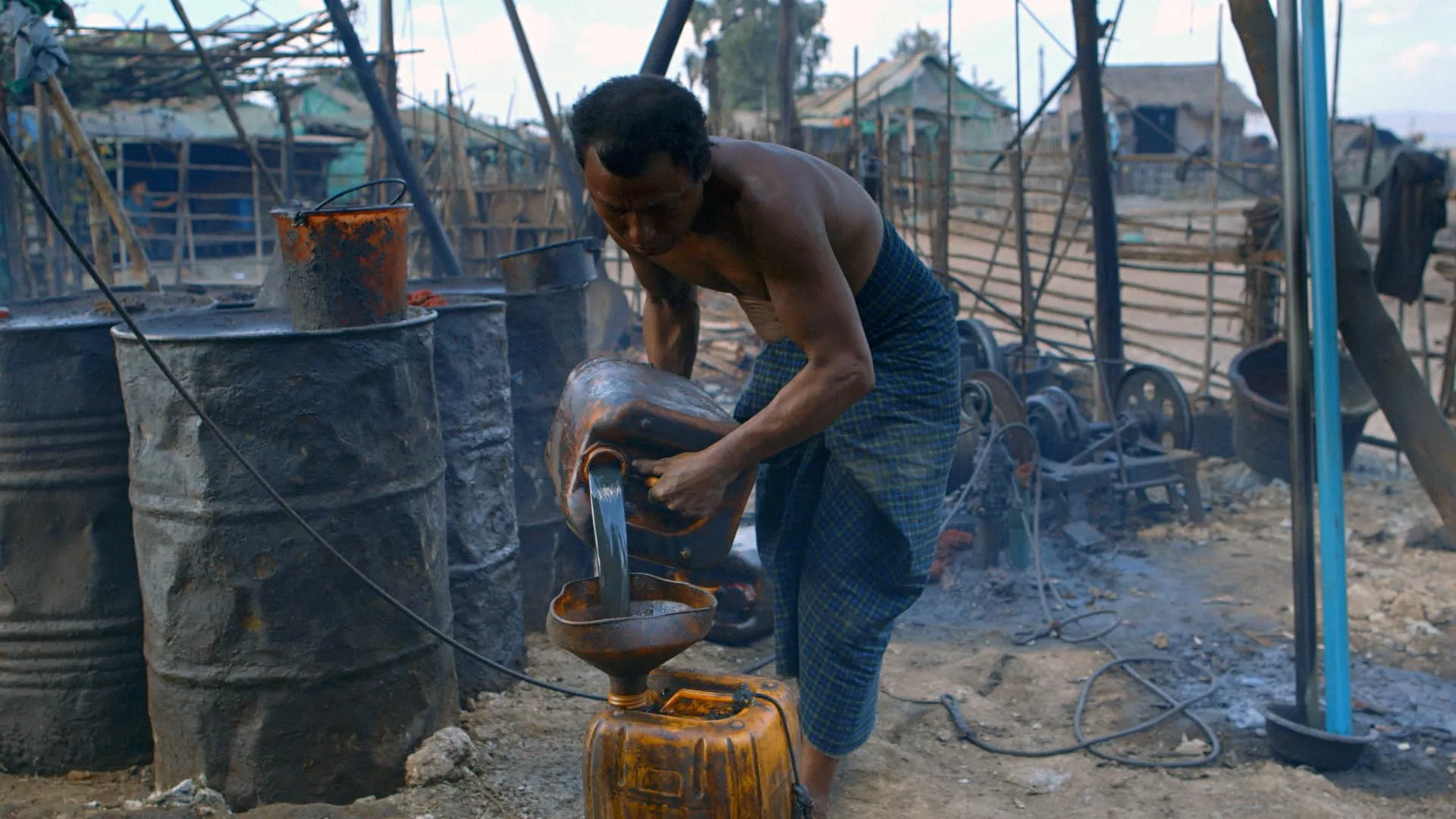
Each frame captures a community rooted in long-established traditions and the enduring practice of artisanal oil extraction. The visuals draw attention to the physical marks left by nature and labor, inviting us to appreciate how daily survival unfolds in such a setting. The environment here feels tangible, marked by the call of the land and the subtle persistence of local customs—a quiet homage to an age-old way of life.
The film puts a spotlight on the economic pressures that compel the locals to rely on manual oil extraction, a method that demands steep physical sacrifice while yielding little reward. The strain on the workers is unmistakable, and their modest gains mirror the slim prospects for change in their daily lives.
I see this portrayal as a measured look at societal shifts, where time-worn practices meet new, less forgiving economic conditions. The narrative captures a community burdened by limited prospects and the challenge of altering a way of life that has endured for generations. This portrayal calls to mind the careful observational style of filmmakers like Truffaut, whose work revealed the texture of ordinary lives marked by persistent struggle.
Reflective Insights and Final Thoughts
A Thousand Fires merges striking visuals with a layered soundscape, offering a vivid look at the daily grind and enduring spirit of its subjects. The director arranges each scene with care, capturing the physical demands of hand-operated oil extraction in frames that speak to both hardship and quiet dignity.
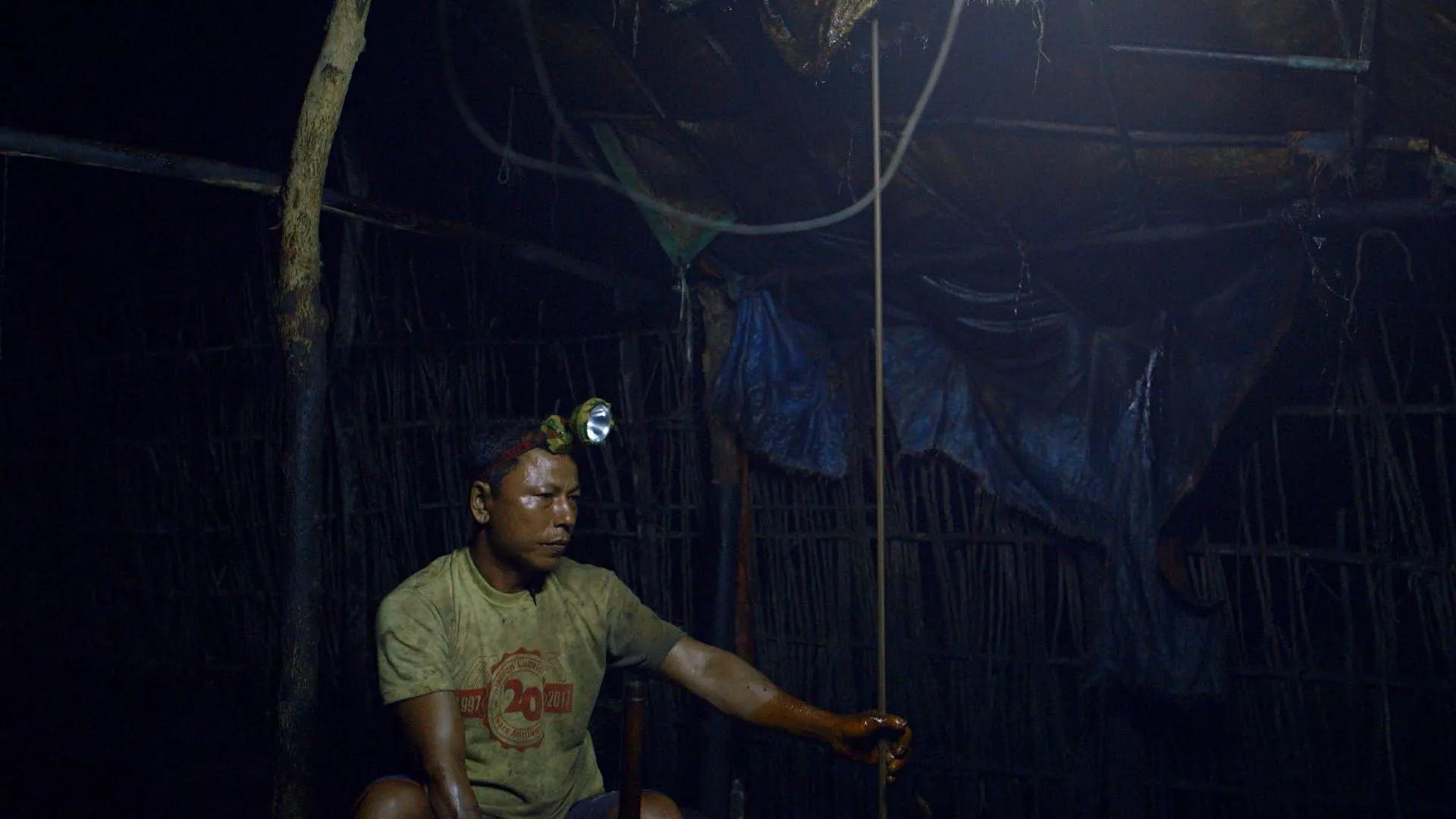
Precise camera work and deliberate pacing transform everyday tasks into a narrative that reveals beauty in struggle, encouraging viewers to see the inherent strength within routine labor.
This work leaves a lasting imprint as a distinctive piece of documentary filmmaking that crosses cultural and socioeconomic lines. Its sensitive portrayal of manual work and familial challenges invites a reconsideration of the interplay between nature, labor, and personal ambition. The director’s measured approach prompts viewers to rethink how ordinary moments hold rich, often unspoken, stories that connect us all.
Watching A Thousand Fires is like reading a living chronicle of human effort. Its depiction of daily hardship interwoven with hope serves as a reminder of the quiet perseverance found in simple acts. The film stands as a strong example of how cinema can capture the nuanced relationship between nature and human endeavor, striking a resonant note on a personal level.
The Review
A Thousand Fires
A Thousand Fires provides a reflective exploration of daily toil and personal resilience, drawing viewers into a world where tradition and struggle meet quiet hope. Its deliberate pacing and carefully composed visuals capture the textured reality of life on the oil fields, inviting attention to the small details that shape human effort. The film offers a fresh perspective on the connection between work and identity in a challenging setting, marking it as a noteworthy piece of documentary cinema.
PROS
- Rich visual storytelling with careful attention to detail
- Evocative sound design that deepens the film's atmosphere
- Intimate character portrayals that reveal personal sacrifice
- Poetic narrative structure that invites reflection
- Culturally insightful depiction of life in a remote setting