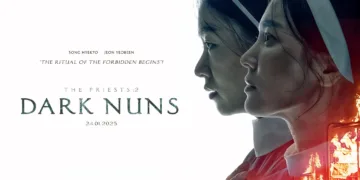



























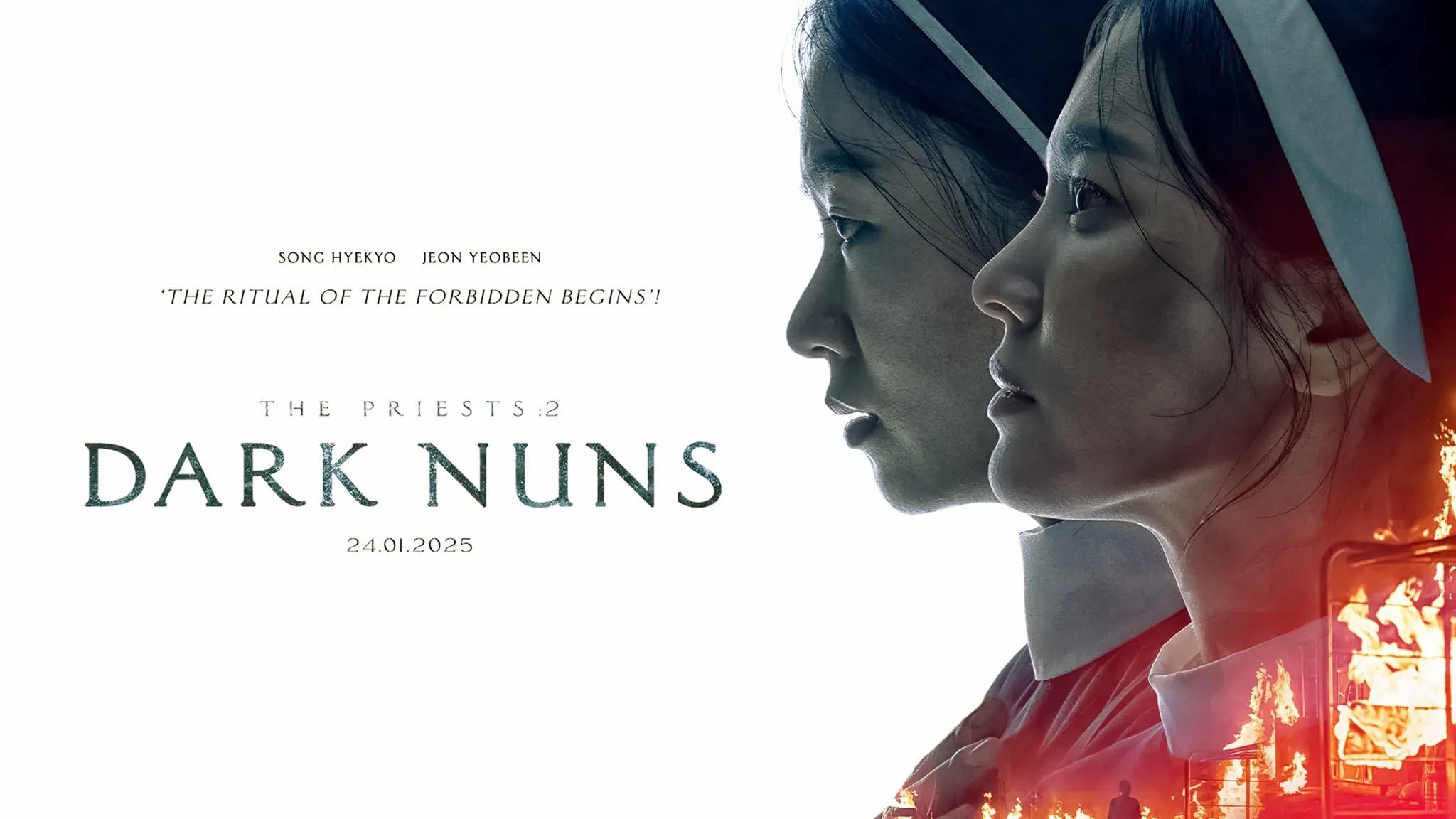

Dark Nuns emerges from South Korea as a film that reshapes a well-known tale of supernatural conflict. The movie casts nuns in roles usually reserved for priests—a decision that reassigns the archetypal struggle between personal belief and institutional dogma.
It unfolds amid an austere backdrop where the Church’s strict edicts, notably its prohibition on sanctioned exorcisms, spark a crisis that challenges established order. In this environment, a young boy, Hee-joon, becomes central to a dilemma that rejects simple remedies and calls for a radical intervention (one might recall historical moments when rigid systems were met with unconventional defiance).
At the heart of the narrative lies the predicament of a possessed child, a situation that forces two unlikely figures into action. Sister Junia, marked by a relentless determination even as she contends with a terminal condition, meets the supernatural with a fierce, unyielding resolve.
Conversely, Sister Michaela offers a measured, almost empirical take on the eerie threat. Their differing stances reflect ongoing societal debates about individual conviction versus established authority. The film quietly questions long-held cultural norms and hints at the significant cost of defying them—all set within a story that marries the world of horror with thoughtful social commentary.
Narrative Dynamics: The Dance of Defiance and Faith
The film opens with a stark scene of a young boy, Hee-joon, succumbing to a mysterious, overpowering force. Early on, the male clergy exhibit a palpable reluctance—a hesitation that echoes historical moments when authority clashed with the unpredictable.
The narrative wastes no time setting up a clash between timeworn religious customs and the necessity for bold, unorthodox intervention (think of the skepticism that greeted radical scientific theories centuries ago). Familiar exorcism motifs form the backbone of the exposition, yet the film injects fresh energy by assigning the mantle of spiritual warfare to nuns instead of the conventional priests.
A brief hospital scene serves as the crucible for the unfolding drama. Here, established rituals are questioned and the need for reform becomes unmistakable. The traditional symbols of power and redemption are challenged by the determination of two women whose very existence undermines longstanding institutional expectations.
Sister Junia, with her fierce resolve (and a side of sardonic wit), stands as a defiant emblem of personal conviction, while Sister Michaela’s cautious rationality provides a counterbalance that is as refreshing as it is contentious.
As the story advances, the action spills into desolate spaces—a rundown factory and a weathered monastery—where the supernatural elements gather momentum. Key moments punctuate the narrative: a slow yet relentless buildup of inexplicable phenomena around Hee-joon, and moments when the tension between devout belief and pragmatic skepticism crackles like static electricity. The progression feels like a carefully choreographed dance (sometimes clumsy, sometimes unexpectedly graceful) between fate and free will.
In the climactic sequence, an exorcism unfolds that draws together every narrative thread with a certain audacity. Visual callbacks—stark imagery and subtle reinforcements of earlier symbols—marry the dramatic showdown with the underlying questioning of tradition. The narrative’s final act leaves its mark on both its characters and the familiar template of supernatural conflict.
Characters on Trial: A Closer Look at the Exorcists
Among the film’s central figures, Sister Junia stands out as a symbol of defiant resolve. Her portrayal reveals a woman who faces the supernatural with a fearless attitude, disregarding the rigid edicts imposed by the Church. A terminal illness injects a sense of urgency into her actions, making every encounter with dark forces a battle against both external malice and her own frailty.
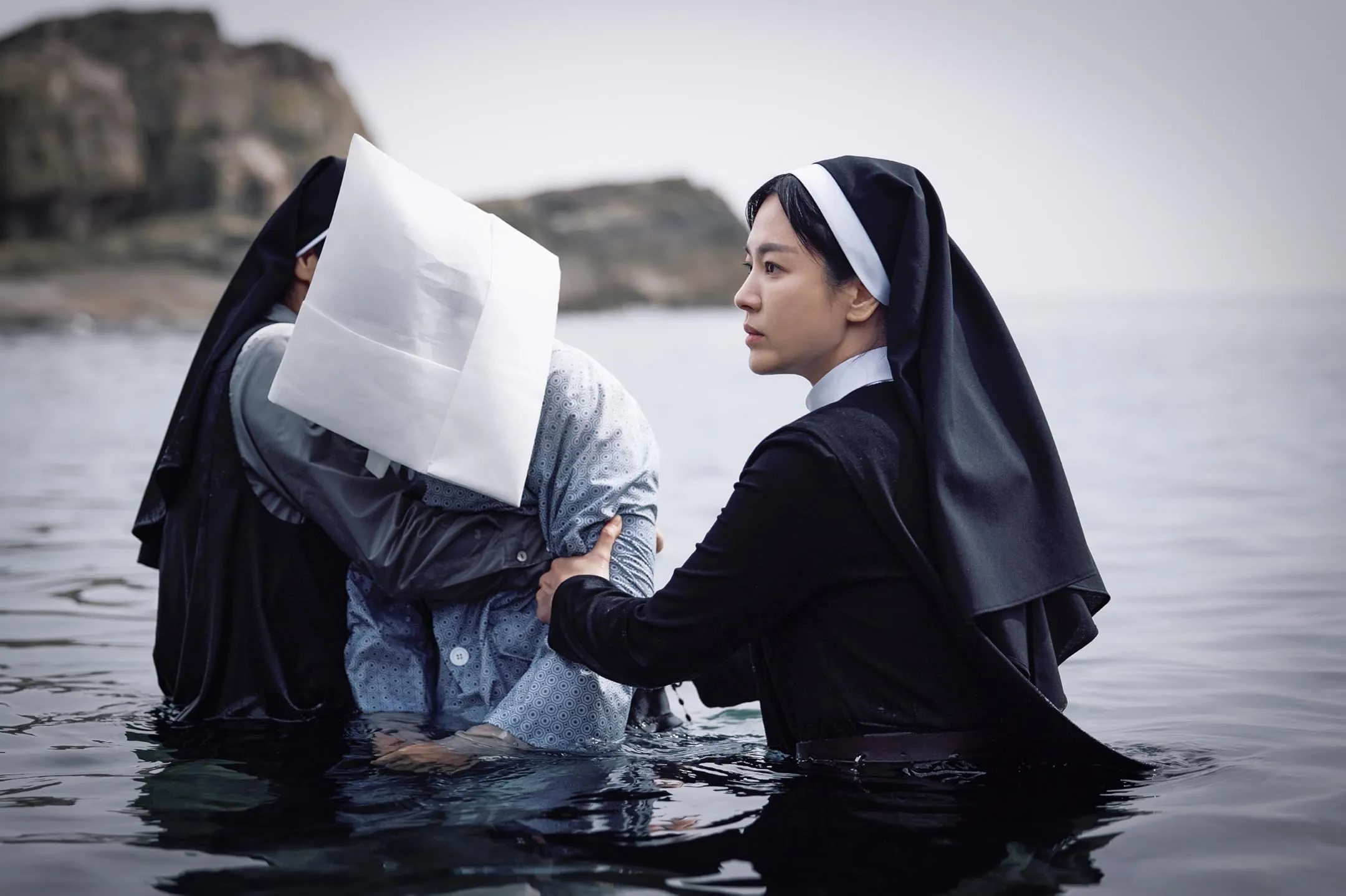
Her method—using holy water in an almost unorthodox manner (one might call it a form of “sacro-spritzing”)—serves as a striking counterpoint to conventional exorcism rituals. In her, we observe a spirit reminiscent of historical rebels who challenged established orders at personal cost, a character who transforms personal suffering into a weapon against oppression.
Sister Michaela, in contrast, enters the narrative with a pragmatic reserve. Initially, she exhibits a skepticism that borders on scientific detachment. Her background, marked by earlier brushes with possession and instruction under Father Paolo, places her in a state of flux. A tension develops between her rational inclinations and the mounting proof of forces that defy conventional explanation.
This internal conflict mirrors societal debates over empirical inquiry versus belief—a struggle that has echoed through centuries in the face of unexplained phenomena. Her gradual acceptance of the inexplicable carries moments of dry humor and reluctant insight, reflecting the unpredictable nature of change in personal belief systems.
The supporting characters add further nuance. Hee-joon, the child at the center of the paranormal upheaval, provides the film with an emotional anchor, although his sparse characterization leaves ample room for audience interpretation (perhaps a deliberate choice to comment on the anonymity of victimhood in complex systems).
Father Paolo, along with a few minor figures, contributes to a layered portrayal of spiritual versus psychological struggles. His presence offers a counterweight to the overt confrontations with demonic forces, highlighting the contrast between institutional rigidity and individual experience.
The dynamic between the two nuns—marked by intermittent friction and surprising collaboration—imbues the film with a human element that transcends its supernatural premise. Their interaction offers a window into personal battles that mirror the wider clash between entrenched tradition and emergent modernity.
Sacred Dichotomies and Subversive Symbols
Within this film, the struggle between unyielding faith and cautious skepticism emerges as a core narrative tension. Sister Junia displays a fierce devotion that borders on iconoclasm in an environment governed by strict ecclesiastical dictates.
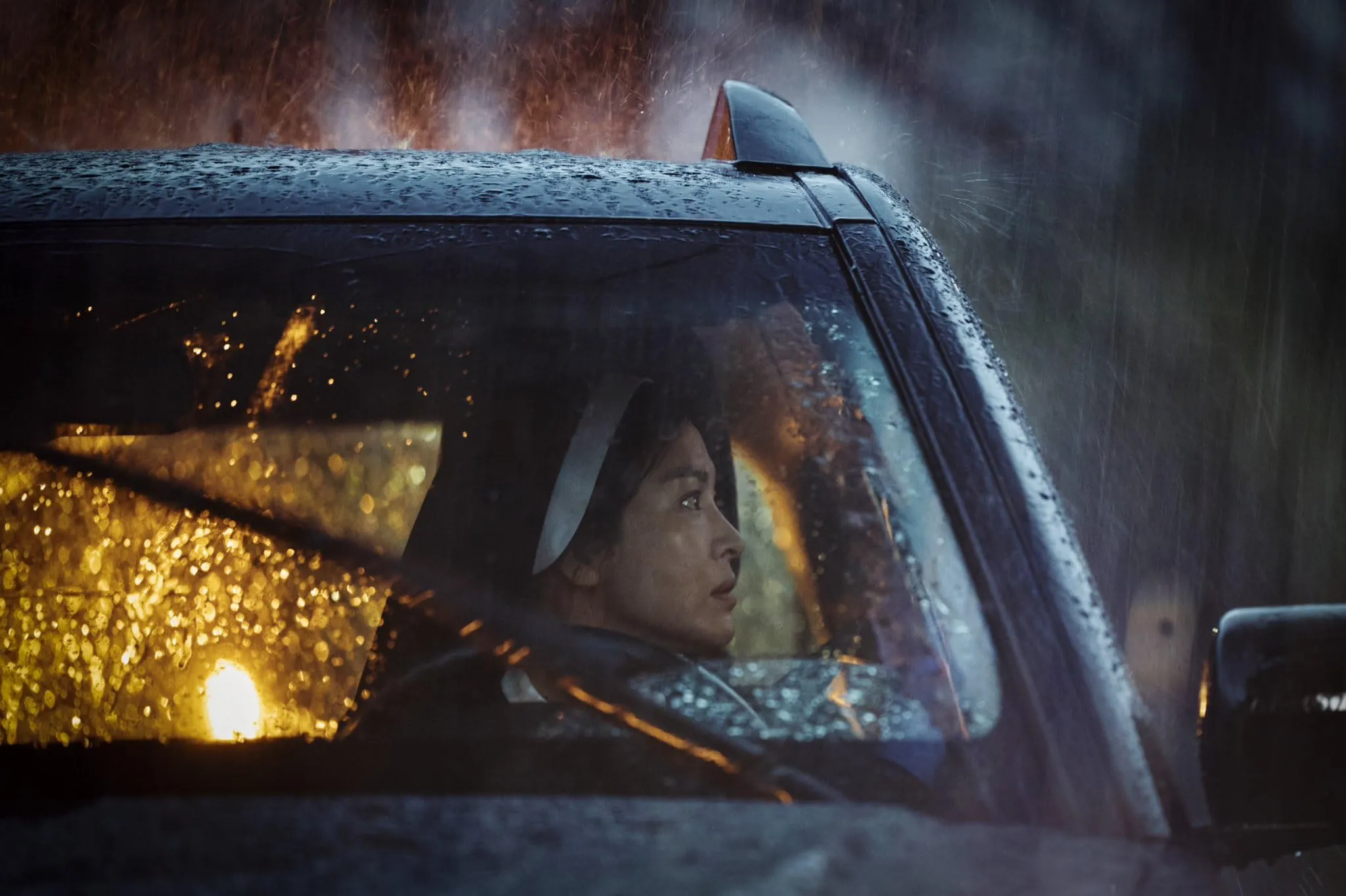
Her actions—a cocktail of bold spiritual defiance and intimate vulnerability (a reminder of historical clashes between dogmatic rigidity and revolutionary thought)—invite viewers to question the essence of belief. In contrast, Sister Michaela offers a tempered perspective, her analytical mindset reflecting a scientific pragmatism that falters as supernatural events encroach upon logical explanation. This internal friction, rendered through personal crises, mirrors debates that have long animated societal discussions on certainty versus inquiry.
The film casts a critical eye on gender roles within religious institutions. Two nuns challenge an antiquated system by assuming roles traditionally confined to male clergy—a subtle jab at centuries of patriarchal hegemony (a situation reminiscent of past social reform movements).
Their defiant presence on screen suggests a shift in cultural narratives, hinting at a reevaluation of entrenched hierarchies and power structures. This inversion provokes both admiration and ambivalence among viewers, a dynamic that may strike a chord with those questioning institutional rigidity.
Moreover, the film integrates a fascinating fusion of Catholic exorcism rites with elements drawn from indigenous shamanistic practices. Holy water, reimagined in unexpected applications (a concept one might dub “aqua-revolt”), and carefully staged relics provide a lexicon of symbols that articulate the cosmic struggle. These emblems accentuate the tension between light and darkness while serving as markers of a shifting paradigm in spiritual intervention (echoing historical moments of religious syncretism).
The juxtaposition of ritualistic precision with raw emotional fervor creates a visual vocabulary that interrogates the very essence of divine conflict and human frailty. There is a subtle invitation here to reexamine how belief systems adjust when confronted with forces defying easy categorization.
Visual Realities and Gothic Echoes
The film treats its visual narrative as an entity in its own right. Dim lighting and shadowy corners evoke an atmosphere reminiscent of late‑’70s horror (imagine a faded sepia photograph of haunted corridors).
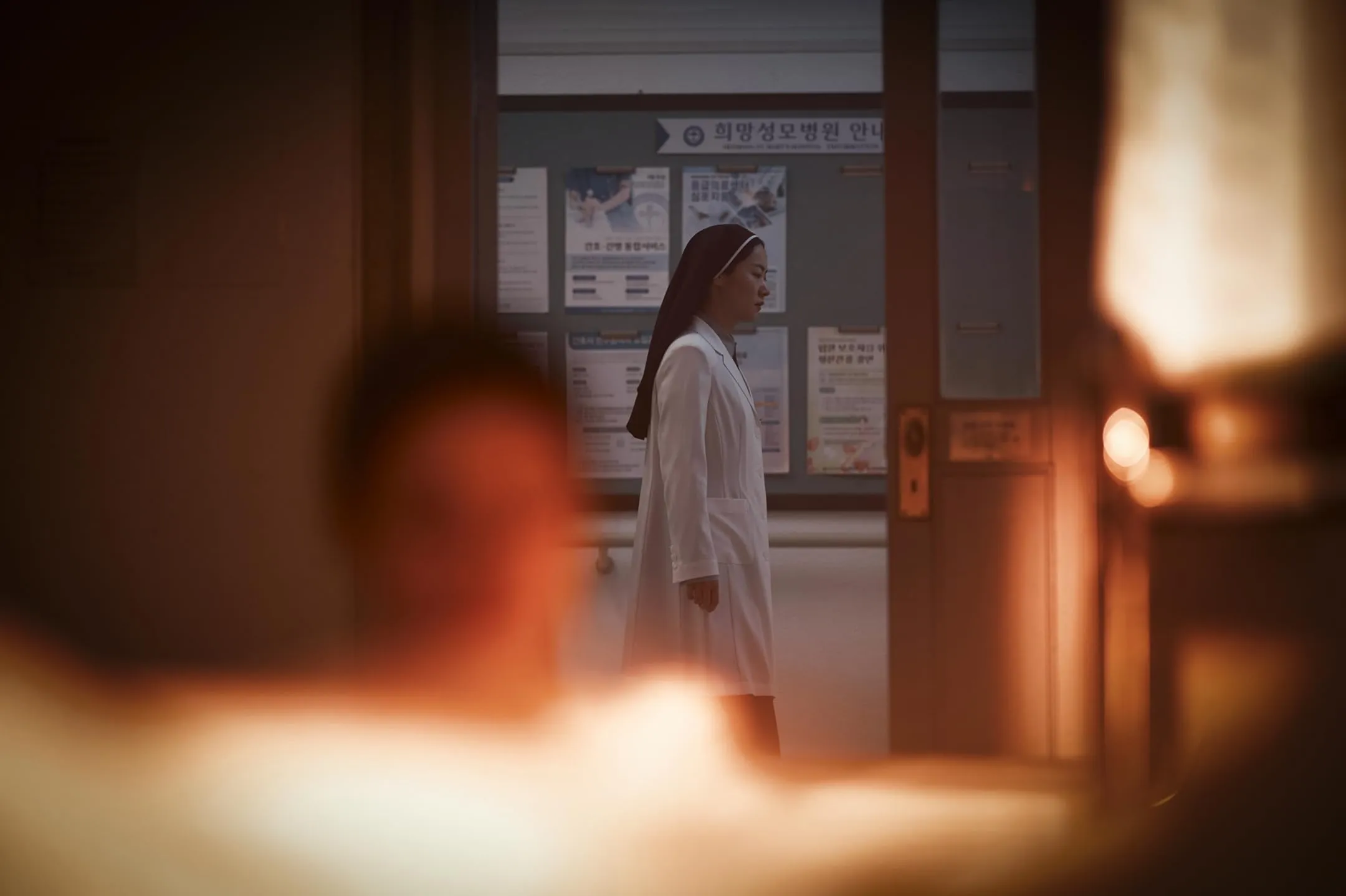
Hospital corridors seem to sigh with neglect, abandoned factories whisper remnants of industrial decay, and secluded monasteries exude a heavy sense of secrecy. Each setting plays its part in creating an ambiance that is both eerie and palpably charged.
Special effects here are not mere embellishments but pivotal storytellers. Physical distortions and abrupt levitations convey possession in a manner that disrupts expectation (a kind of “visual jolt” that may leave one squinting at the screen). Consider the scene where holy water is employed in a manner far removed from tradition—a vigorous cascade that surprises as much as it startles.
And then there’s the notorious sequence with chickens—a bizarre, unsettling moment that compels a rethinking of conventional horror imagery. The film marries modern techniques with a retro flair that tiptoes around classic exorcism tropes while asserting its own visual signature.
Set design and color choices further shape the narrative’s tone. A muted palette, interspersed with abrupt, almost harsh contrasts, sets the mood while reflecting the characters’ inner turmoil. These choices appear meticulously crafted to mirror the collision of archaic rituals and modern disquiet (a visual dialogue between light and dark, calm and chaos). The result is a series of frames that speak as loudly as the dialogue, offering a visual lexicon that challenges viewers to reconsider the language of fear.
Sonic Resonance: Crafting an Audible Narrative
At first listen, the film’s score composes a veritable soundscape that intensifies each spine-chilling moment. An orchestra of subdued strings and distant choral murmurs (one could almost mistake them for the whispers of discontented spirits from another era) underpins the narrative’s relentless tension. Every musical cue appears meticulously timed with the ritualistic progression of the exorcism sequences, rendering even a pause ominous.
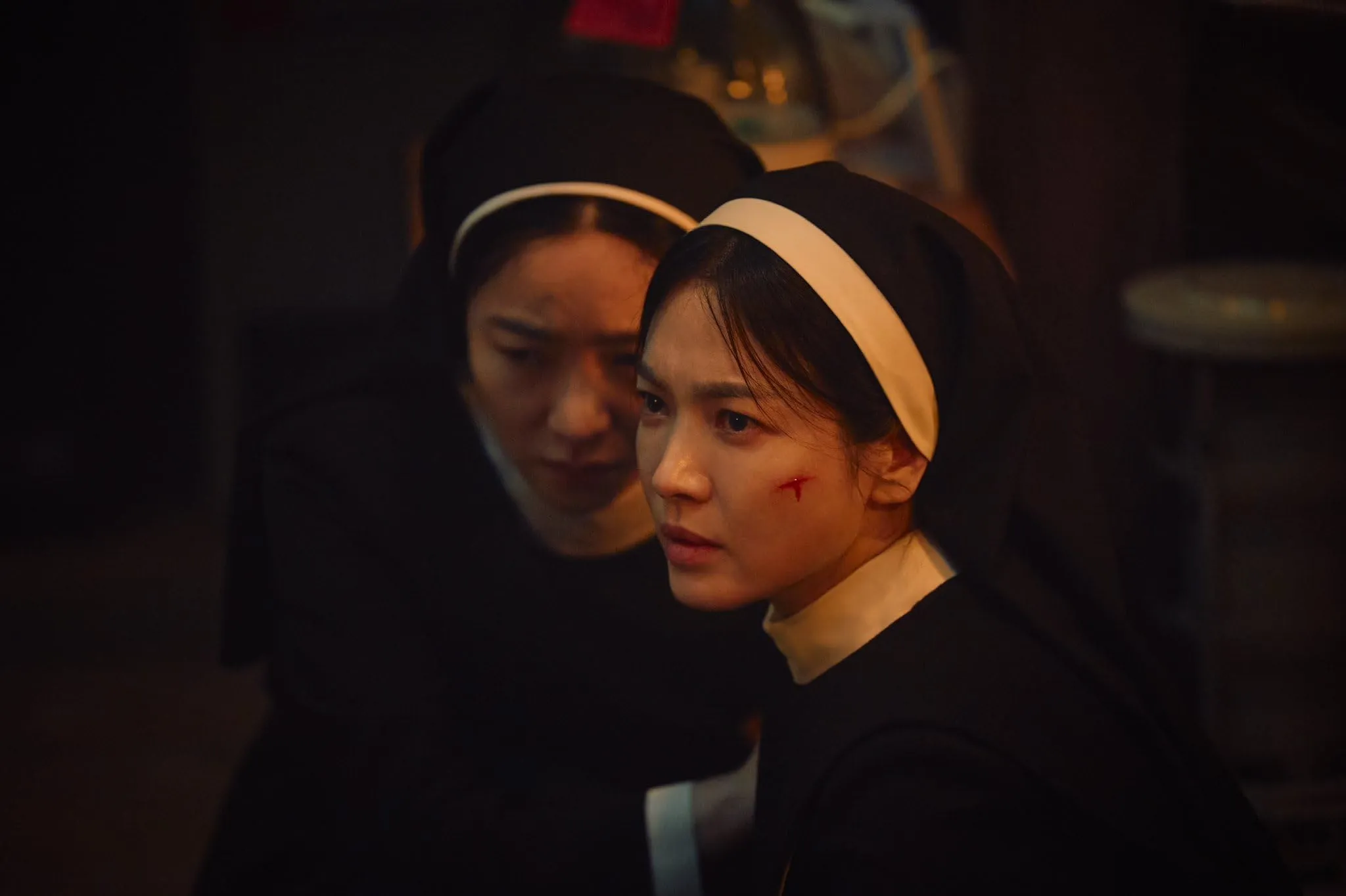
Ambient noises creep in like unexpected guests at a somber gathering—a creak here, a sudden hush there—occasionally interrupting the dense layers of classical harmonies that recall the austere acoustics of ancient churches.
The film’s sound design transforms silence into a quasi-character (an unsettling intermission that sharpens the viewer’s awareness, as if waiting for a misstep). At times, a deliberate discord between audio and visuals accentuates the internal chaos of the possessed and the latent spiritual unrest among the characters.
There is a playful irony in the way modern sound effects intermingle with traditional musical flourishes, crafting an environment that functions as both a sensory experience and a commentary on historical ritualism.
The synchronization of sound with visual cues turns fleeting moments of terror into an audible landscape reflecting the film’s examination of age-old rites colliding with contemporary doubts (a sonic experiment that might leave some viewers questioning the reliability of their own senses).
Cultural Reverberations and Final Impressions
Dark Nuns reconfigures a familiar supernatural narrative by assigning roles that defy ecclesiastical tradition. The storyline charts a collision between unwavering faith and cautious skepticism, embodied by the determined Sister Junia and the measured Sister Michaela. Their intertwined paths serve as the film’s emotional nucleus (a dynamic that recalls historical moments of institutional upheaval when conventional order met unexpected resistance).
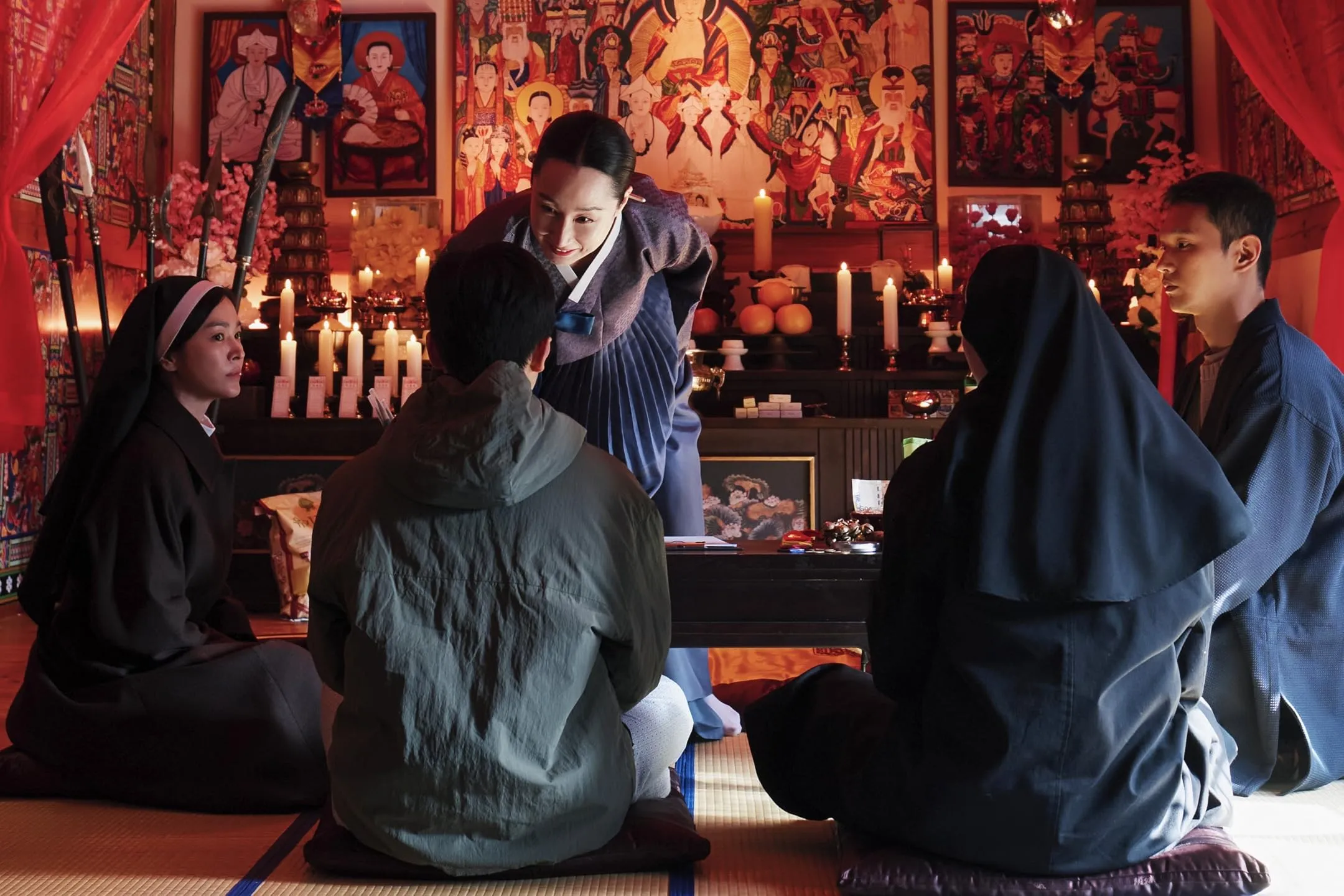
The film reshapes established exorcism tropes, treating them not as relics of a bygone era but as malleable symbols open to reinterpretation. Visual flair and an unconventional soundscape work in tandem to transform eerie spaces—deserted hospitals, abandoned factories, and timeworn monasteries—into settings that stir both unease and fascination. It is a rare display of craft that transforms standard horror formulas into a canvas for introspection about the human spirit’s resilience when confronted by inexplicable forces.
Cultural impact here cannot be ignored. By positioning female protagonists at the center of a struggle against oppressive norms, the film hints at fresh narratives in supernatural horror. Its atmospheric precision and character-focused storytelling may serve as a catalyst for renewed interest in alternative viewpoints within the genre (a notion that might raise a few amused eyebrows among diehard traditionalists).
The Review
Dark Nuns
Dark Nuns reimagines supernatural horror with a bold, female-driven narrative that challenges established religious and social norms. Its atmospheric visuals and precise sound design create a moody canvas where the clash between unyielding belief and cautious skepticism plays out vividly. While classic exorcism motifs appear throughout, they are reworked with a refreshing twist that invites fresh cultural dialogue (occasionally teetering on overreach). The film's interplay of ambition and measured restraint leaves a lasting imprint on modern horror.
PROS
- Fresh twist on traditional exorcism narratives
- Strong, layered performances by the lead actresses
- Atmospheric visuals and immersive sound design
- Bold exploration of faith, doubt, and institutional norms
CONS
- Reliance on familiar genre tropes at times