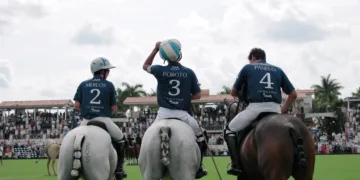


























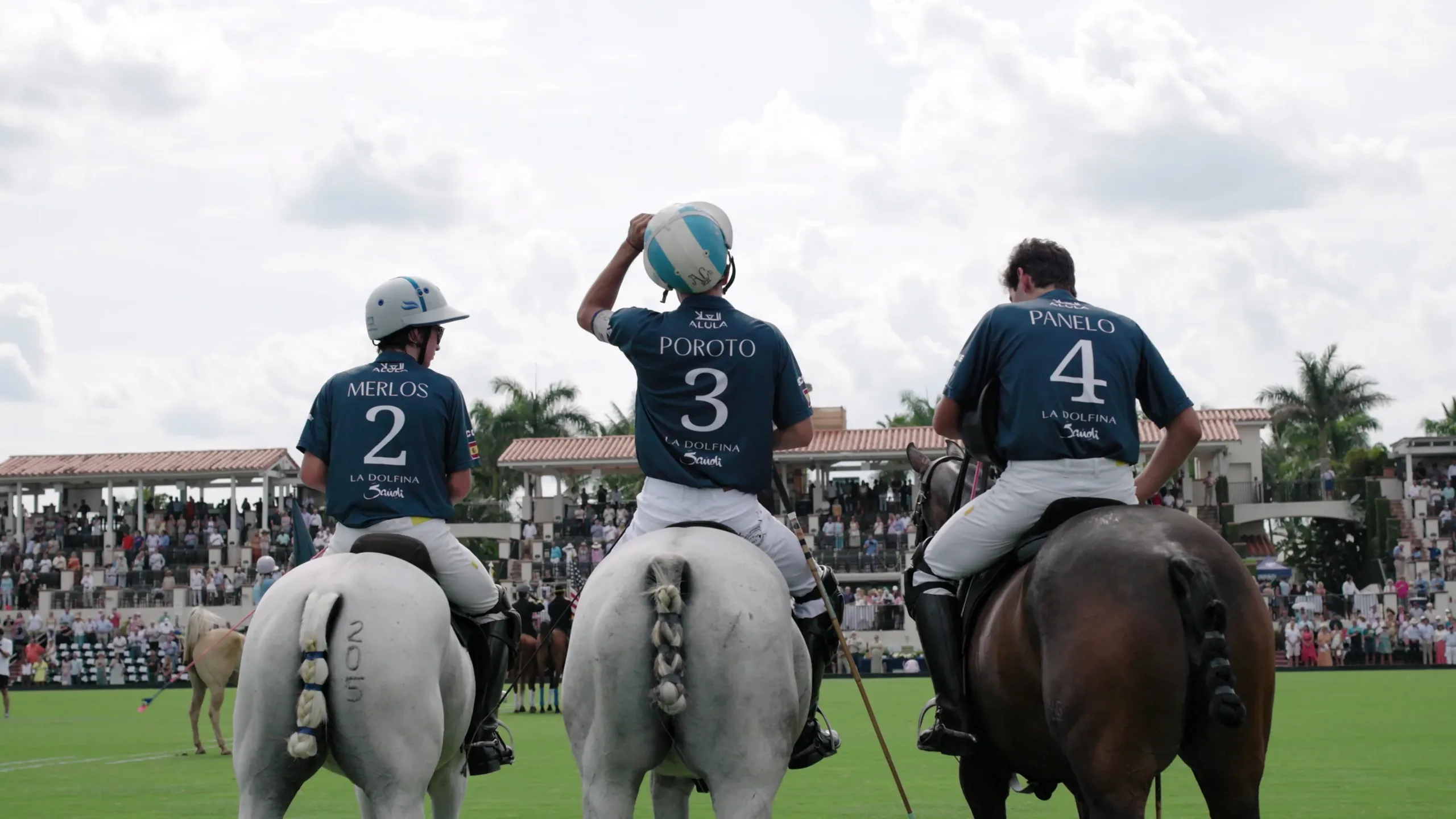

At first glance, Polo emerges as a sport deeply rooted in wealth and exclusivity—a vivid scene of sun-bathed fields, gleaming polo ponies, and bronzed athletes adorned in designer attire. The sport, with its centuries-old background, represents a pastime for the global upper echelon.
Often labeled as the sport of kings, it appears more like an arena for the perpetually tanned and immensely wealthy—those whose financial status seems almost surreal.
Players move through the narrative like living art pieces, beautiful yet unreachable. Polo presents itself as a lifestyle first, a competitive activity second. Perhaps it embodies both, its core a celebration of a world most can never access or comprehend.
Within this gilded environment, Polo feels strangely disconnected from viewers, bordering on caricature. The sport emerges as a high-society pursuit, glamorous and competitive, yet the documentary falters by prioritizing spectacle over genuine understanding.
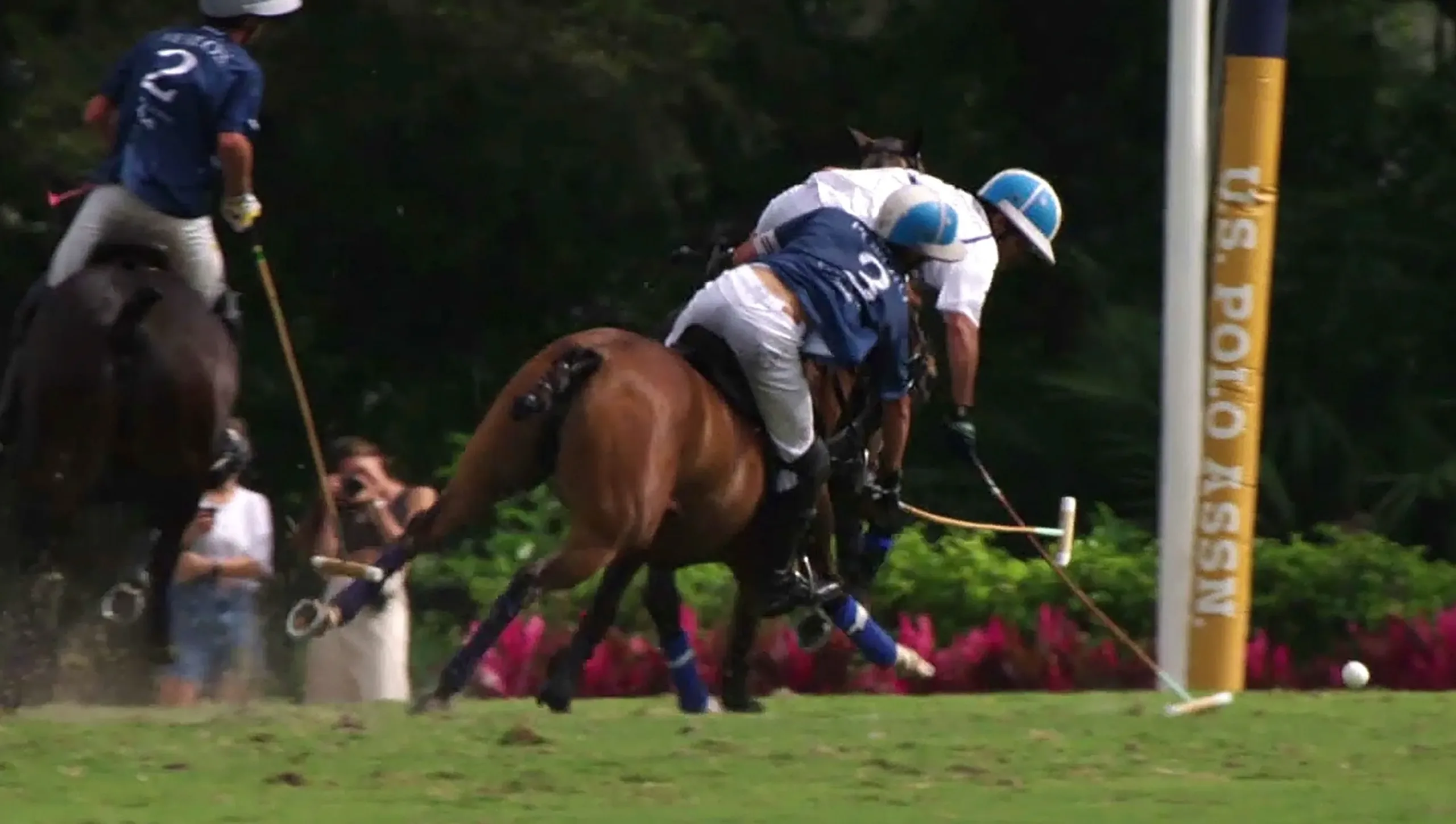
The U.S. Open Polo Tournament—the series’ central focus—stands as a significant event in polo circles, but for outsiders, the significance remains elusive. The show attempts to introduce players and their conflicts, yet these personal stories fail to connect beyond their immediate context.
The tournament reflects a world so isolated and exclusive that its relevance extends no further than its own boundaries. Perhaps this isolation forms part of its allure: polo functions as a microcosm of societal structures, drawing connections between aristocratic traditions and the playgrounds of extreme wealth.
The symbolism rings clear: a display of privilege and dominance, equally concerned with spectacle and competition. Despite its glamour, the series sidesteps critical examination, instead presenting an almost reverential portrayal of this closed world.
The Players Behind the Ponies: Power, Pressure, and Legacy
The world of Polo sparkles with sunlit fields and perfectly sculpted athletes. Beneath this glamorous surface lies an undercurrent of tension, revealing lives weighted by game, family, wealth, and inherited expectations. The show’s characters transcend typical athlete narratives, emerging as living symbols of complex societal dynamics.
Louis Devaleix exemplifies a man shaped by relentless expectation. A former professional golfer turned polo player, his story pulses with late-blooming ambition dropped into a world of inflated social standings. Devaleix’s family relationships wear a thin veneer of affection, deeply fractured by his singular focus on achievement.
A scene where he abandons his wife’s baby shower to train captures the essence of privilege—his wealth enables passionate pursuits while simultaneously alienating those closest to him. Devaleix becomes a stark representation of success measured not by love or loyalty, but by trophies and victories.
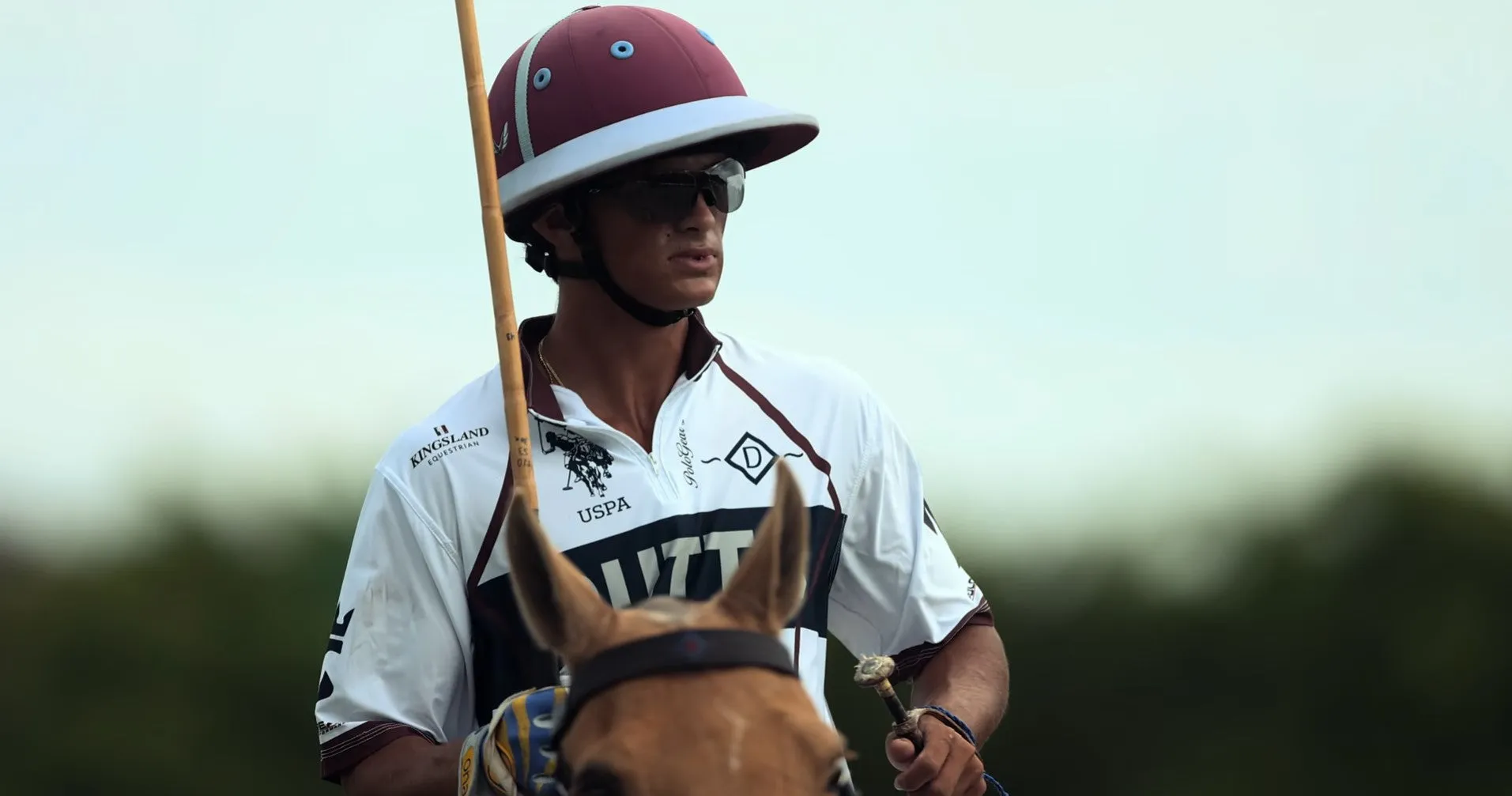
Tommy Dutta’s narrative brings raw intensity through his conflict with his father. The pressure Tommy experiences creates a familiar tale of parental demands, pushing familial love into dangerous territories where ambition and approval intertwine.
His moment of rebellion during a match reveals deep fissures in the polished polo player persona. The scene exposes how personal identity gets molded by external forces, demonstrating the complex ways individuals define themselves through parental expectations.
Adolfo Cambiaso stands as a towering figure whose legacy dominates the sport. His relationship with son Poroto highlights generational tensions, presenting a metaphorical exploration of inheritance and individual achievement.
The potential for Poroto to surpass his father creates a nuanced examination of familial dynamics. Their interaction explores deeper questions about tradition, personal growth, and the shifting landscape of generational expectations.
These players—complex, driven, entrenched in personal struggles—represent more than athletes. They embody intricate human experiences where power, wealth, and personal history collide in unsettling ways.
The Royal Mirage: Harry and Meghan’s Subtle Influence
Harry and Meghan drift through the Polo documentary like a whisper of perfume on a heavy coat. Their presence feels barely noticeable, yet unmistakably present. The series leverages their fame without deeply engaging their personal experiences.
Harry’s brief participation in the Sentebale charity tournament and Meghan’s supporting appearance as a Spanish speaker create mere glimpses of royal life. These fleeting scenes generate an unmet viewer expectation. Harry’s insider perspective should theoretically enhance the narrative, yet he emerges as another celebrity observer, watching while polo players’ stories unfold.
The documentary’s approach reveals subtle dynamics of celebrity involvement. Harry’s minimal role appears intentional—an attempt to create an impression of authenticity, positioning the series as a genuine exploration of polo rather than a royal spectacle. Paradoxically, this very absence magnifies their presence.
The sport becomes intertwined with their royal connections, transforming polo into a backdrop for celebrity intrigue. Viewers unconsciously gravitate toward their peripheral involvement, demonstrating the magnetic pull of well-known personalities.
This strategic framing exposes the underlying narrative structure: social dynamics trump sporting exploration. Harry and Meghan might not headline the documentary, but their shadow looms large—an unspoken centerpiece in a world of equestrian competition.
Polished, Yet Empty: The Artifice of Polo’s Production
Polo’s visual craftsmanship stands as its most striking element. The cinematography captures wealth and exclusivity with the precision of a champagne tower. Sunlit fields stretch before immaculate players who move like mythical beings, their ponies as pristine as sports cars lurking just beyond the frame.
The visual approach emphasizes opulence and beauty, creating a world almost too perfect to believe. Glossy and polished, the imagery feels simultaneously impressive and empty. Cameras caress bronzed athletes as if their physical form matters more than the sport itself. This world presents shiny surfaces that carefully obscure any underlying complexity—a deliberate choice protecting a carefully constructed illusion.
The documentary’s tone wrestles with its own identity. Attempts to mirror emotional depth found in other sports documentaries fall short, resembling a reality show where emotional stakes feel both obvious and unreachable. Storytelling wavers between behind-the-scenes preparation for the U.S. Open and personal dramas within luxurious lives.
Pacing becomes uneven—some moments stretch like a poorly executed play, while others rush past without emotional resolution. Viewers sense the production chasing an elusive narrative, uncertain whether it aims to be a documentary or a horse-centered melodrama. The result creates a dissonant experience that leaves audiences caught between visual admiration and narrative disconnection.
The Elite Mirage: Privilege as a Spectacle
Polo reveals a world of extreme wealth. The series exposes an existence where financial privilege forms the entire backdrop of life. From players to horses, everything gleams with perfection—a curated visual experience designed to highlight unattainable luxury.
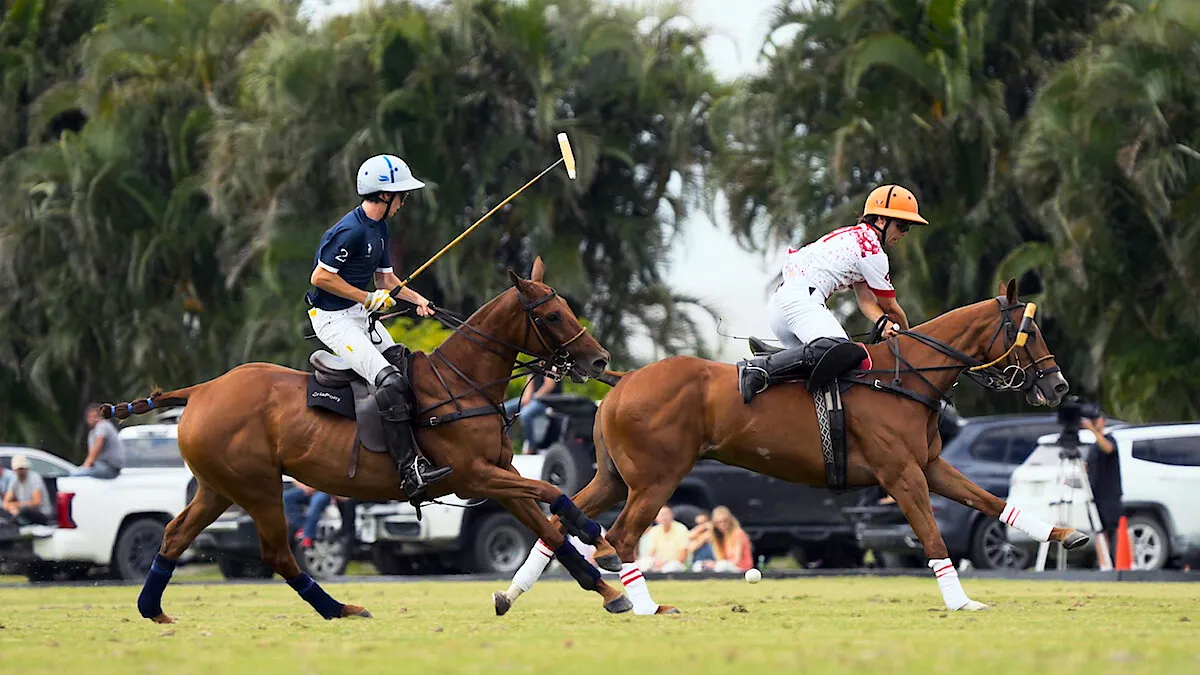
This sport excludes ordinary people, functioning as a playground for elite society. The documentary presents its subjects without apology, showcasing lives so saturated with opulence they become almost absurd.
Players remain largely unconcerned with external perceptions, inhabiting a realm far removed from typical experiences. Louis Devaleix exemplifies this disconnect—throwing a tantrum about a lost game while simultaneously complaining about life’s minor inconveniences.
The documentary embraces this unfiltered portrayal of wealth. Polo refuses traditional sports narrative structures. Unlike documentaries celebrating underdog stories or gritty determination, this series presents individuals born into privilege, playing within privileged circles.
These athletes inherit wealth, compete within wealthy networks, and will likely remain financially secure regardless of performance. The absence of genuine struggle strips away emotional depth, rendering the narrative flat and disconnected. Trained horses and substantial trust funds create an environment where authentic challenge seems impossible.
Polo represents a stark reflection of societal divisions. The series mirrors a world increasingly detached from typical human experiences, presenting a lifestyle so remote it becomes almost theatrical. Viewers witness a microcosm of extreme wealth—beautiful, carefully constructed, yet ultimately sterile.
Polo’s Audience: The Few, The Privileged, The Willing
Polo targets a specific audience. The series appeals primarily to polo enthusiasts, wealthy social circles, and individuals fascinated by extravagant lifestyles. Viewers who enjoy watching shows like Succession might find pleasure in observing elite conflicts.
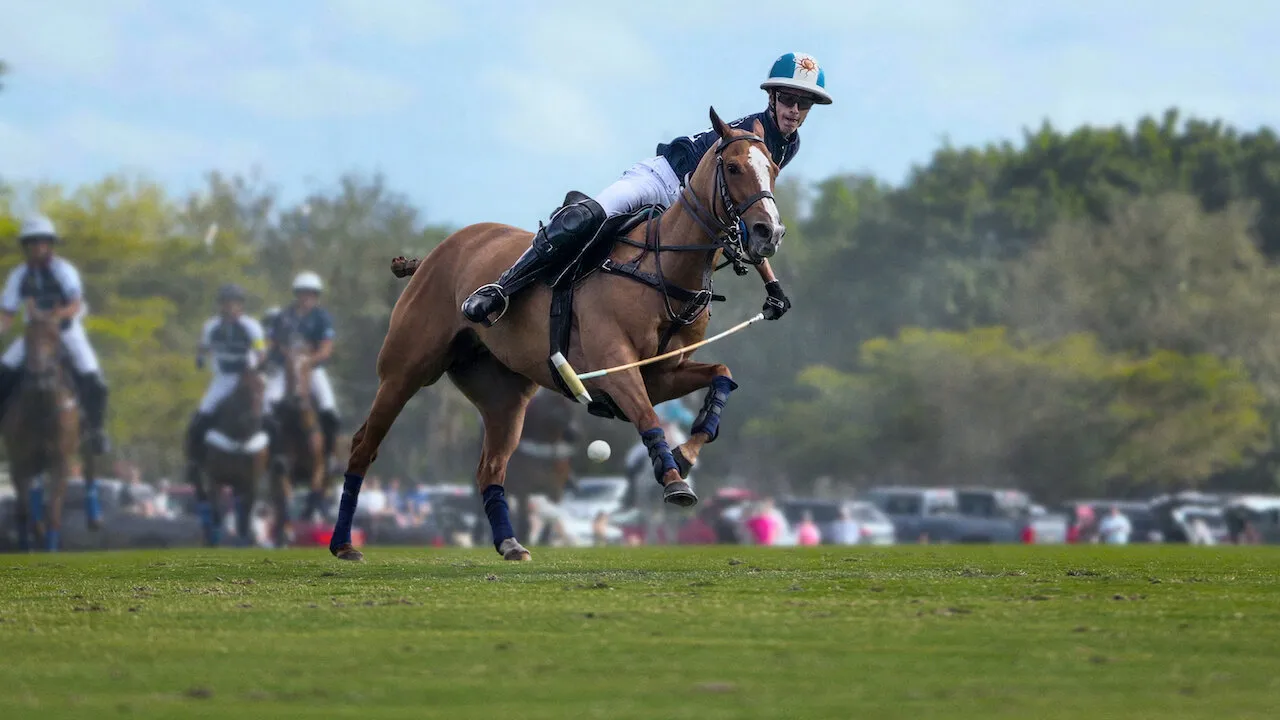
The documentary speaks directly to those who delight in spectacles of wealth, where sporting competition becomes secondary to displaying social status and luxury. Audiences craving glimpses into a world of extreme privilege will find this series particularly engaging.
Most viewers might struggle to connect with the narrative. The show presents drama emerging exclusively from privileged experiences, creating a viewing experience disconnected from typical human struggles.
The documentary feels more like a promotional piece for unattainable lifestyles than a genuine exploration of human experience. Its narrative exists in a hermetically sealed world of wealth, removed from everyday realities.
The series lacks potential to spark broader cultural conversations or inspire new interest in polo. For its targeted audience, the documentary provides a carefully curated window into a rarefied world of wealth and competition—a visual feast of opulence and mild interpersonal tensions.
The Review
Polo Season 1
Polo is a polished yet hollow glimpse into a world of wealth and privilege, where the drama of the sport is overshadowed by the spectacle of its players’ extravagant lives. While beautifully shot and offering an insider’s look at an elite sport, it lacks the emotional depth or universal appeal to resonate beyond its niche audience. For those seeking opulence and a taste of luxury, it’s an easy watch. For everyone else, it’s a detached and ultimately forgettable experience.
PROS
- Visually stunning, with excellent cinematography and high production value.
- Offers a rare glimpse into the luxurious world of polo and its elite participants.
CONS
- Lacks emotional depth or an underdog narrative, making it hard for broader audiences to connect.
- Focuses heavily on privilege, which may alienate viewers outside of its niche demographic.
- Pacing issues, with moments feeling either overly stretched or rushed.
- Minimal impact on cultural discourse, failing to make any significant statements.