




















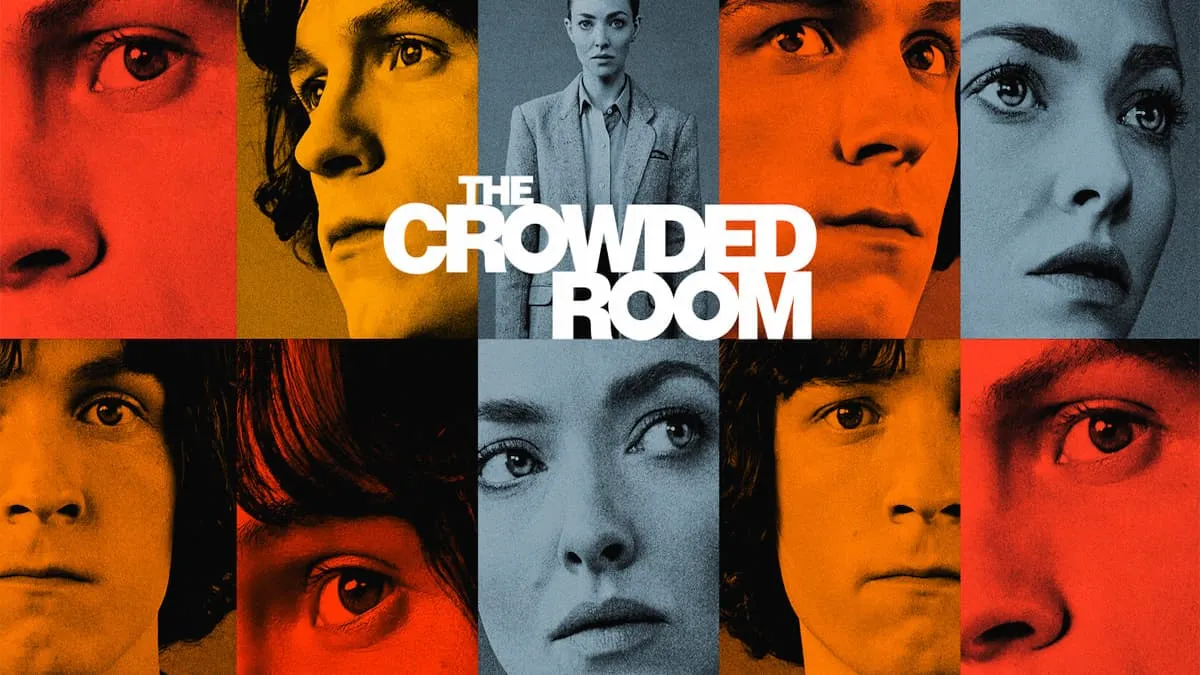

In the dim corridors of fractured recollection, The Crowded Room arises as a meditative journey into the workings of a troubled consciousness. Set against the evocative backdrop of 1970s New York—with its neon glows, rain-slicked streets, and urban decay—the narrative unfurls through the prism of a singular, unsettling incident. A shooting near a renowned landmark sets the stage for an introspection into human fragility, where the city itself seems to mirror the protagonist’s inner disarray.
Drawing inspiration from real-life accounts of human fragmentation, the series constructs an atmosphere thick with unease and reflection. Its origins, rooted in a factual narrative of psychological dissonance, lend the unfolding drama an air of somber authenticity that echoes in every shadowed frame.
Crafted by celebrated storytellers and supported by visionary production, the project marks its presence on a respected streaming platform with a commitment to detailed artistic portrayal and atmospheric storytelling.
This examination seeks to traverse the intricate pathways of narrative structure, character interplay, and the haunting imagery that the series employs. It aims to capture the mood of a tale where each scene is both a mirror and a window—revealing the inner workings of a mind steeped in conflict and uncertainty, urging viewers to ponder the nature of their own hidden depths.
The Confluence of Time and Trauma
A solitary act of violence—a shooting that rattles the night near a famed urban landmark—serves as the spark in this intricate narrative. Here, Danny Sullivan finds himself ensnared in a web of uncertainty.
His arrest unfolds as a stark reminder of how a single moment can fracture a life, and his ensuing interrogation reveals fissures within his own recollection. The incident does not merely trigger events; it becomes the catalyst for an exploration of a mind caught between recollection and repression.
The narrative unfolds on two distinct planes. One plane holds the present—the sterile, probing conversations in a dimly lit room—while the other drifts into the past, where memories and missteps mingle in a haze of vivid recollection.
This dual structure crafts an interplay of immediacy and reflection. The measured pace invites a slow peeling away of secrets, each flashback adding weight to the mysteries hidden in the interrogation. Suspense rises in quiet increments, each scene a fragment of a larger puzzle that questions the reliability of memory and perception.
Subplots surface like echoes: the sudden disappearance of a close confidante, secondary figures whose lives intersect with Danny’s in moments of desperate clarity, all contributing subtle hints that enrich the unfolding drama.
Prolonged dialogues act as windows into the soul, and shifting timelines challenge the viewer to reconsider the nature of truth in a fractured existence. The interplay between deliberate pacing and sudden revelations creates a textured narrative that leaves room for both certainty and the unsettling unknown.
Specters of Identity: A Study of Character and Performance
Danny Sullivan emerges as a fractured mirror reflecting inner turmoil and silent battles. His journey is painted in shades of despair and fleeting hope, as he grapples with memories that haunt him like ghosts. The character is a study in the human struggle against forces both within and imposed by a harsh society.
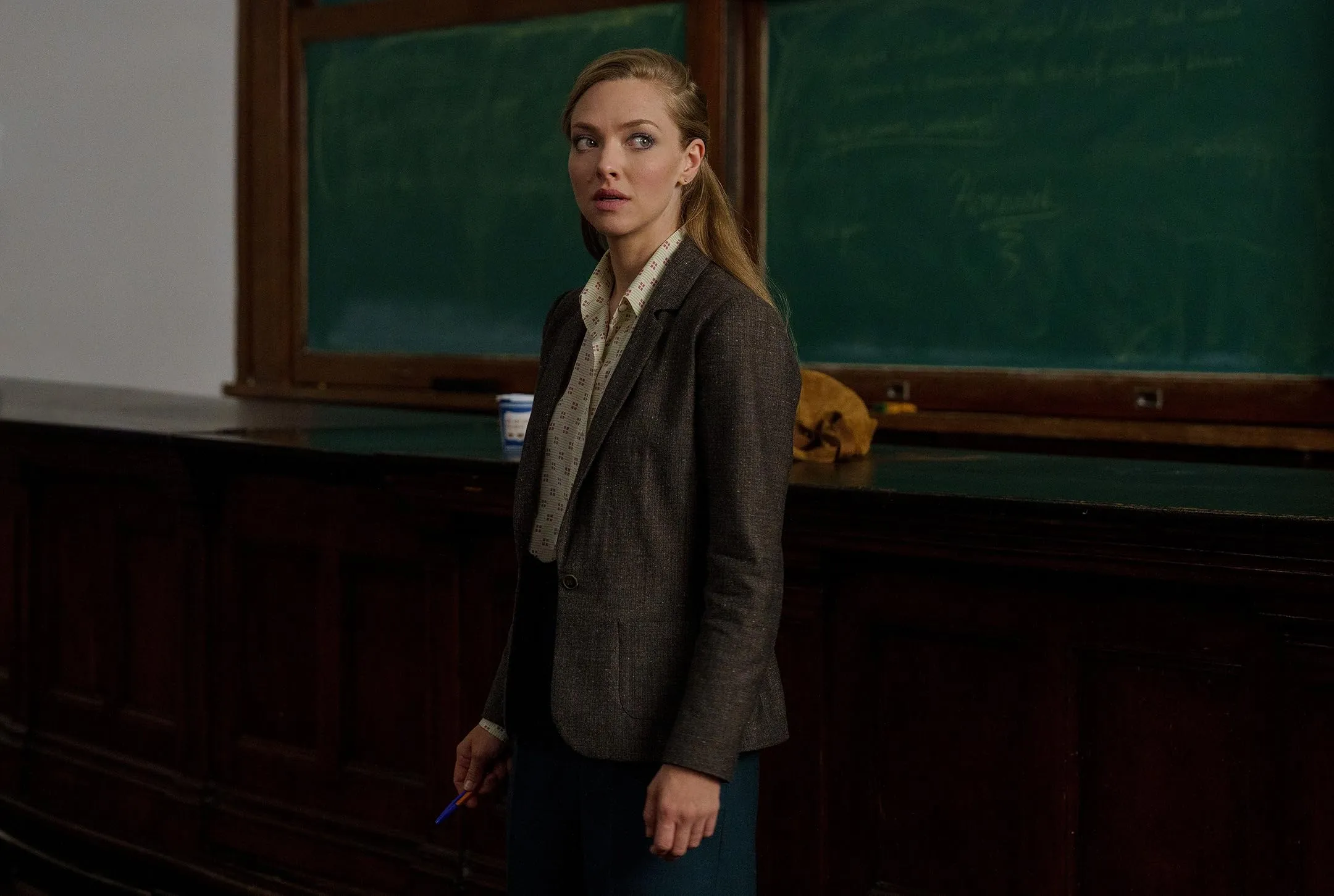
His troubled past is a canvas marked by loss, missteps, and the ever-present shadow of regret. Each performance by the actor adds depth to Danny’s conflicted nature, offering glimpses of vulnerability and defiance that speak to the essence of suffering and redemption.
Rya Goodwin appears as a figure of soft resilience, her gentle probing serving as an instrument to unlock hidden chambers of pain and memory. Through her careful questioning, she exposes layers of Danny’s fragmented identity, challenging him to confront the silence of his own story. Her presence is a quiet counterpoint to his turmoil, a reminder that understanding sometimes arrives in the softest tones.
Ariana’s enigmatic absence weaves mystery into the narrative. Though her physical presence is fleeting, the impact of her unexplained disappearance lingers like an unresolved chord, echoing in the spaces between Danny’s recollections. This silence from a character once close creates a void filled with unspoken questions and half-remembered whispers.
The family dynamic is painted in stark contrasts. Figures from Danny’s past—his mother, a beacon of fragile care, and a stepfather whose cold demeanor leaves lasting scars—embody the conflicting forces that shape him.
Secondary figures, including mentors and friends, offer shifting perspectives, each adding their own color to the portrait of a man torn by circumstance. The ensemble delivers performances with a consistency that punctuates the narrative with moments of unexpected clarity and raw emotion, capturing the relentless pull of fate and the elusive quest for inner peace.
Veils of the Mind: Themes and Social Commentary
The series presents a canvas of troubled psyches where mental illness is not merely a plot device but a window into the human condition. Its portrayal of dissociative identity disorder is rendered with a stark candor, exposing the agony of fractured selfhood.
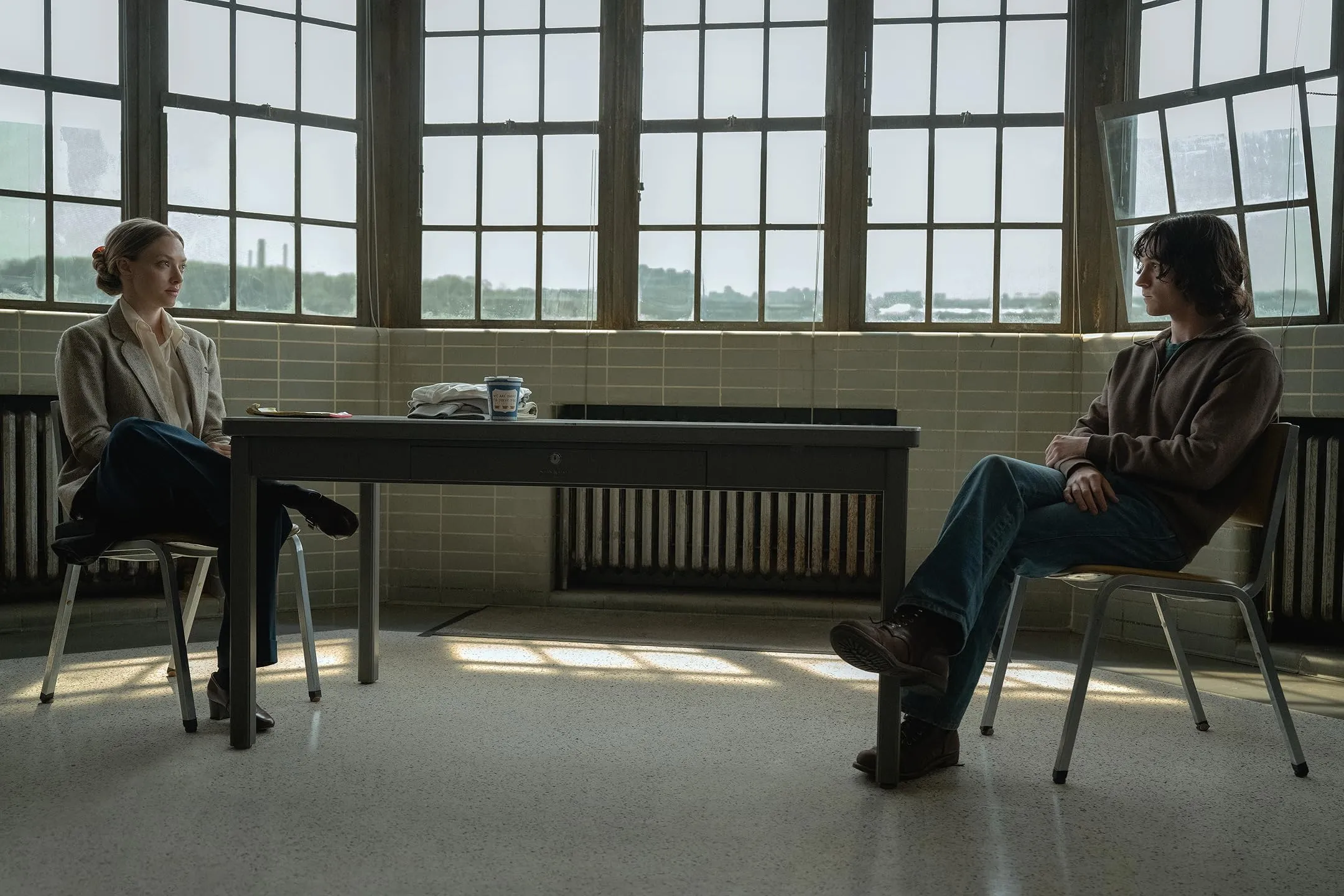
This narrative decision confronts the viewer with the raw tension between sensationalized portrayals and a quiet plea for understanding those who dwell in psychological obscurity. The treatment of mental health here is unflinching, inviting contemplation on the nature of identity when shattered by internal strife.
Trauma emerges as an ever-present force, a phantom whose touch is felt through fragmented flashbacks and reverberations of personal history. The unfolding of Danny’s past—revealed through memories that spill into the present—casts long shadows that question the permanence of one’s self.
Each recollection serves as a reminder that scars, both visible and hidden, shape our interactions and internal narratives. This examination of the self, marked by silent battles and unspoken pain, forces the audience to face the inevitable collision of memory and reality.
Set against the backdrop of a fading 1970s metropolis, the series casts a discerning eye on societal structures. Family dynamics are portrayed with a raw intensity that questions the support systems meant to shelter vulnerable minds. Institutional shortcomings and the relentless pressure of social expectations are interwoven into the fabric of the story, echoing through the corridors of personal loss and public indifference.
Recurring motifs of duality reveal the constant internal contest between opposing forces within a single soul. As conflicting threads of destiny intersect with the randomness of circumstance, the narrative teases apart the layers of internal discord.
The interplay between crime drama elements and introspective character studies invites a meditation on the nature of existence, leaving the viewer suspended between the clarity of truth and the uncertainty of what lies beneath.
Mirrors of a Bygone Era: Visual Style and Production Design
The production breathes life into 1970s New York with a painstaking attention to period detail. The art direction conjures an urban tableau that is both somber and evocative, where sepia hues wash over every scene, and costumes speak of an era marked by both grit and glamour. Set design carves out spaces that feel lived-in and raw, capturing the decay and subtle grandeur of a city in transition.
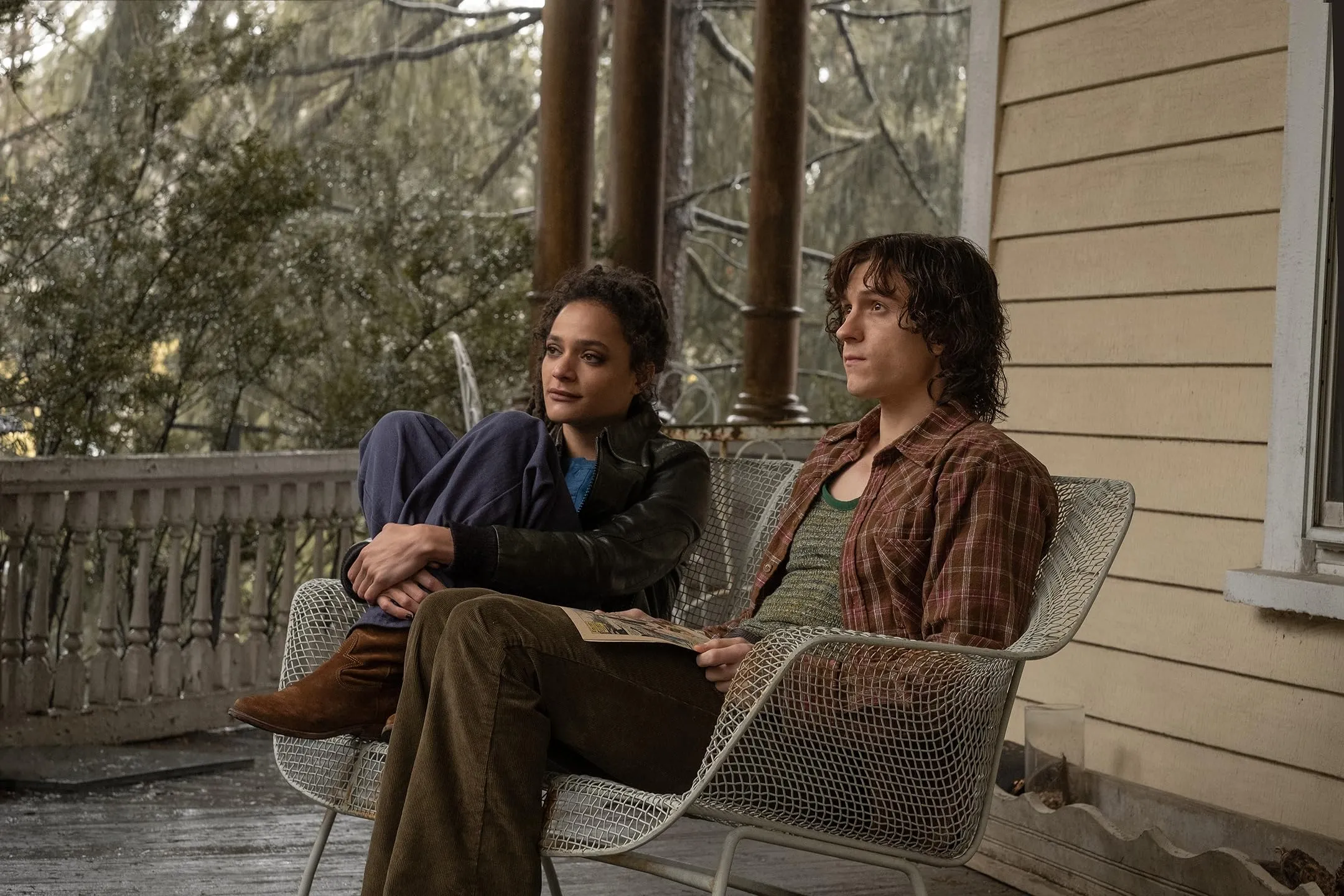
Cinematography becomes a language of its own here, with soft glows and stark contrasts working in tandem to evoke an atmosphere of introspection and quiet unease.
Lighting is sculpted to reveal the textures of urban decay and inner torment, while deliberate camera angles lend a sense of disorientation and reflective distance. The careful interplay of shadow and light invites viewers to linger on fleeting expressions and fleeting moments that speak to the inner psyche.
The musical score and ambient sounds form an audible canvas that reinforces this emotional landscape. Each selected note and subtle background murmur heightens the sense of nostalgia and latent melancholy.
Meticulous details in props and location choices bind the visual narrative together, ensuring that every frame serves as a window into the era’s enduring spirit and the psychological tapestry of its inhabitants.
Maze of Shadows: Directing, Writing, and Storytelling Techniques
The screenplay presents itself as a mosaic of measured language and reflective silence. Dialogue, at times, burns slowly like a lone ember, casting both illumination and obscurity upon the characters’ inner turmoil.
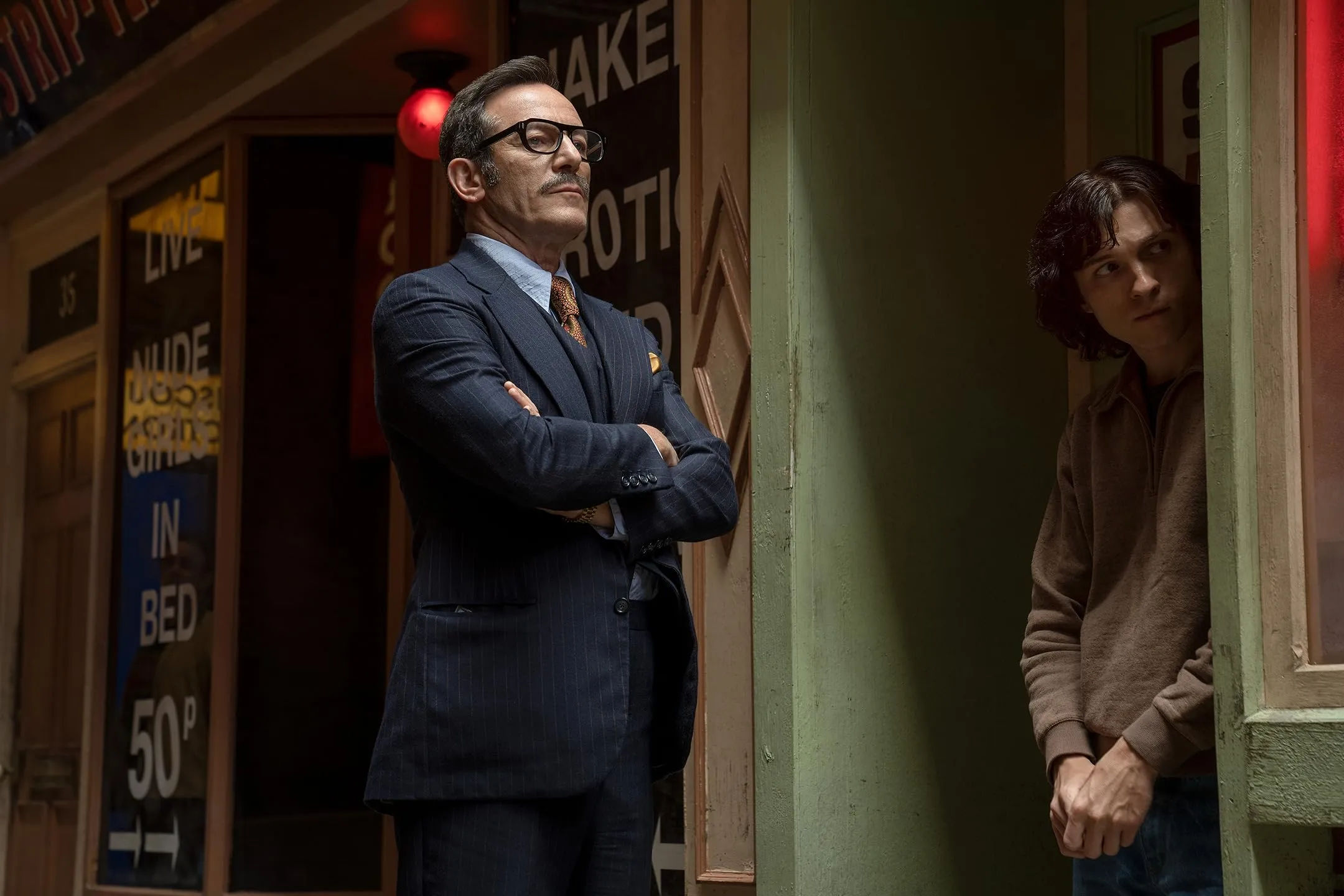
Certain exchanges linger with a meditative quality, offering room for introspection, while others sacrifice immediacy, leaving pauses that seem to stall the narrative’s flow.
The progression of events unfolds with deliberate cadence. Flashbacks emerge as shards of memory, each fragment carefully placed to reveal a portion of a fractured past. Extended conversations resemble quiet, weighted confessions that expose the depths of inner struggle. These measured intervals, though evocative, occasionally challenge the viewer with a sense of temporal dislocation, as moments stretch out without clear resolution.
A persistent tension arises from the series’ oscillation between a stark crime narrative and a study of personal anguish. The tone drifts between visceral realism and an abstract quality reminiscent of a half-remembered dream. This shifting focus leaves a lingering query: does the narrative seek to unearth hidden truths behind raw violence, or is it a silent inquiry into the human capacity for inner transformation?
Bold directorial choices punctuate the storytelling. At times, essential details are shrouded, compelling the audience to piece together the narrative from fragments and shadows. The integration of personal history with atmospheric imagery produces a layered texture, one that invites contemplation on the nature of truth and the elusive echoes of memory.
Resonance and Overall Impact
A labyrinth of memories and silent suffering, the series crafts a narrative that oscillates between the tangible weight of a lived past and the spectral traces of internal despair.
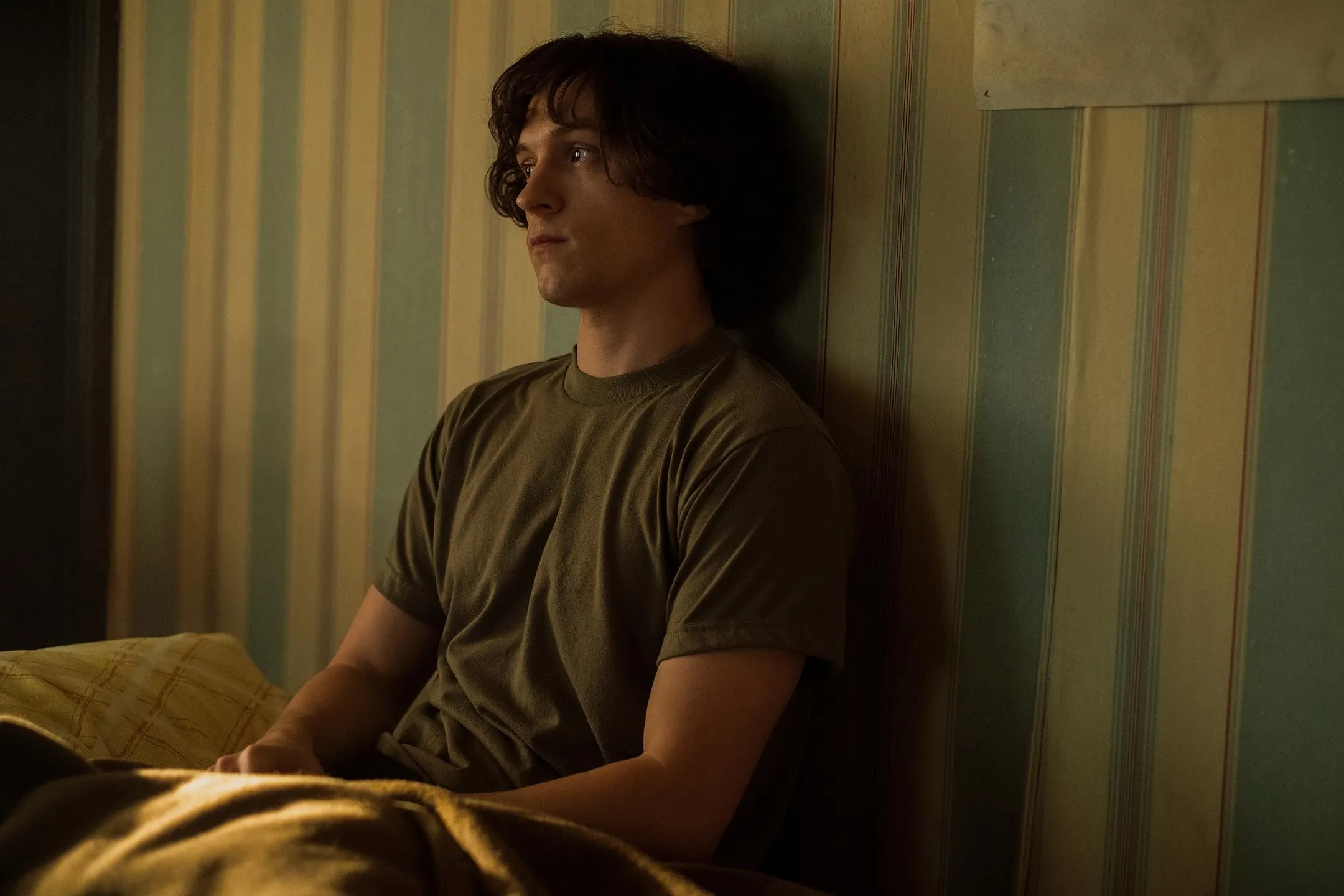
Its portrayal of a troubled existence—marked by fractured identities and the relentless pull of trauma—casts a reflective light on the nature of selfhood in a world that often refuses empathy. Danny’s story, interlaced with moments of harsh clarity and unsettling ambiguity, invites a quiet interrogation of what it means to be broken and, yet, to continue seeking fragments of wholeness.
The interplay between the measured cadence of flashbacks and the stark immediacy of present-day confessions creates a cinematic dialogue that transcends mere storytelling. Every carefully composed frame and each measured line of dialogue acts as a meditative pause, encouraging the viewer to question the veracity of memory and the permanence of pain.
The production’s meticulous recreation of a bygone era—the textures of urban decay, the muted clamor of a restless city—offers a tangible canvas for these reflections, merging character depth with visual austerity.
This tapestry of narrative and image prompts an inquiry into cultural perceptions of mental turmoil and the silent battles fought within. The series leaves a lingering echo of uncertainty, a reminder that the quest for understanding is as much a personal odyssey as it is a shared human experience.
The Review
The Crowded Room
A somber exploration of fractured identity, the series provokes deep reflection on the nature of memory and mental anguish. It challenges viewers with measured pacing, evocative period detail, and a narrative that straddles both mystery and introspection. While some narrative threads leave room for uncertainty, the production’s ambition is clear, inviting us to confront our own hidden depths.
PROS
- Strong performances that bring emotional depth to complex characters
- Rich period detail and atmospheric production design
CONS
- Pacing may feel uneven with prolonged dialogue
- Some narrative threads remain ambiguous