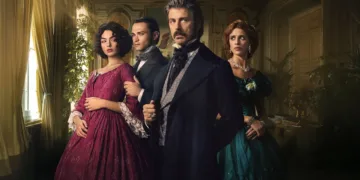
























Set against the backdrop of 19th-century Sicily, the series reexamines an era marked by political transition and the gradual disintegration of traditional power structures.
The narrative situates itself during Italy’s unification, a period when revolutionary fervor reshaped societal norms and eroded the long-held privileges of the aristocracy.
This political transformation serves as the fertile ground upon which the decline of noble lineage is portrayed, inviting viewers to reconsider how power and legacy are redefined amid social upheaval.
The series draws from a revered literary work, anchoring its storyline in a cultural tradition that has long captivated Italian audiences. The classic source material provides a rich tapestry of historical and familial intricacies, anchoring the series in a legacy that has been celebrated in both literature and cinema.
Its adaptation reinterprets these storied elements through the lens of contemporary storytelling, with careful attention given to casting choices and production design that mirror the period’s aesthetics.
At the center of the narrative is the gradual transformation of a noble family confronting inevitable change. The plot follows key characters as they struggle with shifting loyalties and internal conflicts, setting the stage for an exploration of personal identity against a backdrop of historical transition.
Plot & Narrative Structure
The series follows the transformation of an aristocratic family set against a time of political disarray in 19th-century Italy. The narrative begins with the rise of revolutionary forces that disrupt the established order, thrusting the noble family into a series of unforeseen adjustments.
Early episodes depict a world in upheaval, where long-held loyalties and social roles are suddenly called into question. Key plot points occur as family members make choices that alter both their personal destinies and their standing within society.
Specific moments, such as the turning point when a young family member opts for a path aligned with emerging revolutionary ideals, set the stage for a cascade of internal and external conflicts that drive the story forward.
The episodic format of the series allows for a measured exploration of the unfolding drama, balancing periods of intense action with quieter, reflective sequences. The pacing shifts from rapid developments during episodes focused on political turmoil to slower, more contemplative moments that examine the personal dilemmas faced by the characters.
Occasional use of non-linear storytelling techniques, including flashbacks, enriches the viewer’s understanding of the characters’ pasts and the origins of their convictions. This structural choice creates a layered narrative where the present and the past inform one another, highlighting the continuity of personal struggles against historical forces.
Secondary plotlines provide depth to the main narrative by exploring interpersonal tensions within the family, including a complex love triangle and the discord arising from differing ideologies. These auxiliary story threads introduce additional stakes and mirror the larger societal shifts depicted in the central plot.
The interplay between personal ambitions and shifting social norms is mirrored in these subplots, emphasizing the challenges that come with change. The multiple narrative layers combine to form a cohesive picture of a society in transition, where personal choices are inseparable from broader historical developments.
Character Analysis & Development: Shifting Identities
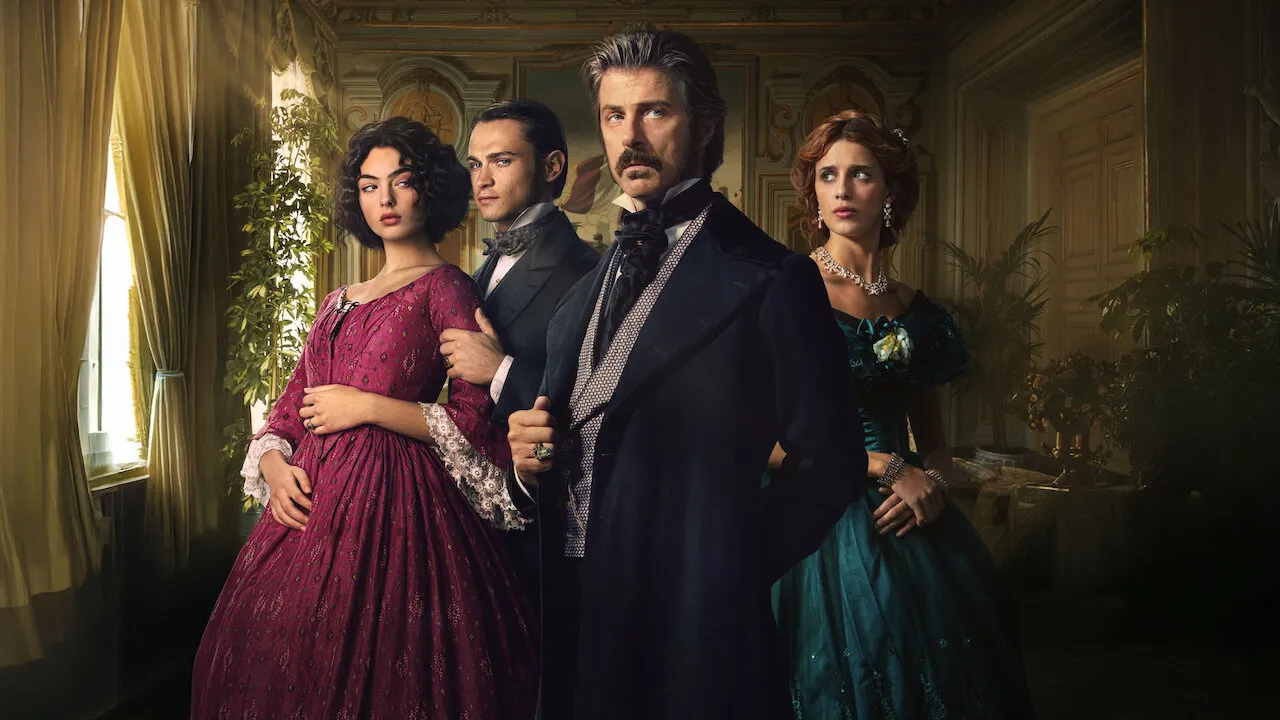
Don Fabrizio embodies the legacy of a fading aristocracy. His character presents a man who wrestles with inherited traditions while facing a new social order. As the family patriarch, he reflects the weight of centuries-old customs and the discomfort of change.
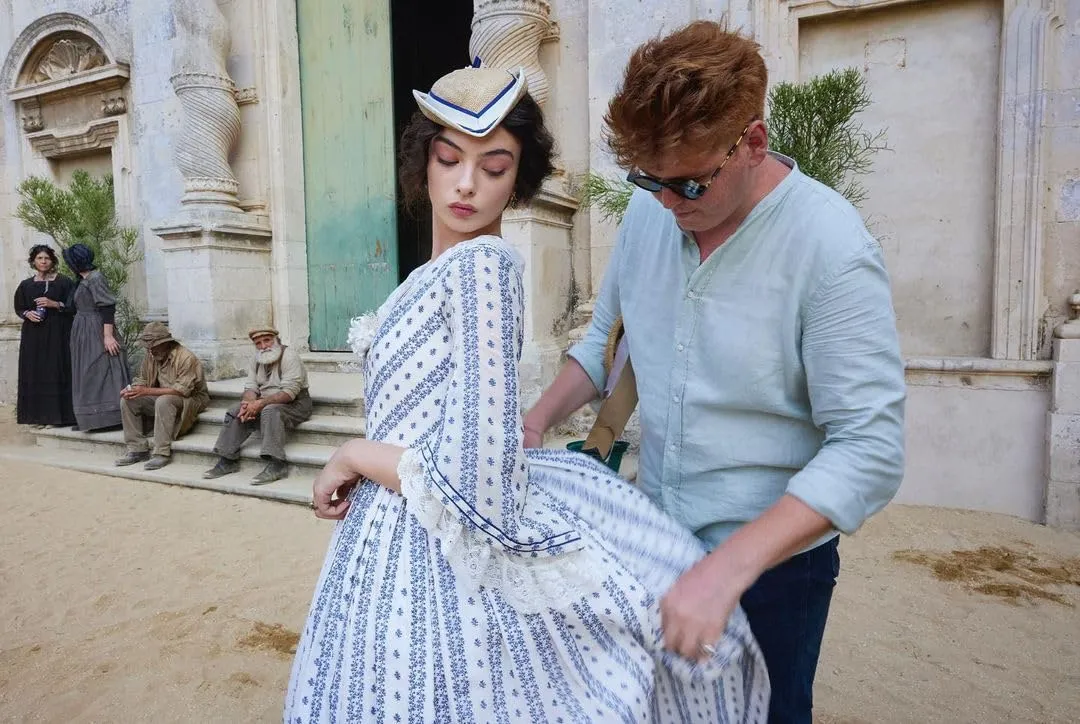
His interactions reveal a mix of dignity and regret, suggesting that the privileges he once enjoyed now stand challenged by an evolving society. His decisions and hesitations mirror the broader crisis of identity experienced by those clinging to a past that no longer offers stability.
Tancredi emerges as a figure caught between youthful resolve and the pull of established order. His choices mark a shift from the comfort of aristocratic security to the uncertain promise of revolutionary ideas. The character’s journey is marked by decisive actions that unsettle family hierarchies and signal a willingness to question long-held loyalties.
His determination, seen in pivotal moments of defiance against tradition, underscores a personal evolution that sparks tension within the household and ignites discussions about the future direction of the family.
Concetta and Angelica offer contrasting yet intersecting narratives within the family’s saga. Concetta faces a system of predetermined roles with a strong sense of individual will. Her resistance to a prescribed path speaks to a broader conversation on agency and self-determination.
In contrast, Angelica’s character exhibits a shift from an appearance of innocence to a state marked by subtle cunning. Her evolving portrayal, influenced by both familial expectations and personal ambition, adds a layer of complexity to the series’ portrayal of gender roles and the impact of societal change.
Other figures in the cast contribute essential nuances that shape the series’ portrait of a society in flux. Their varied perspectives enrich the overall narrative fabric, providing insight into the multiple facets of cultural and generational change within the noble household.
Themes & Symbolism: Reflections on Change
The narrative presents a fading nobility, captured through characters whose physical and emotional wear mark the end of an era. Characters display signs of age and fatigue, each gesture a reminder of traditions slowly slipping away.
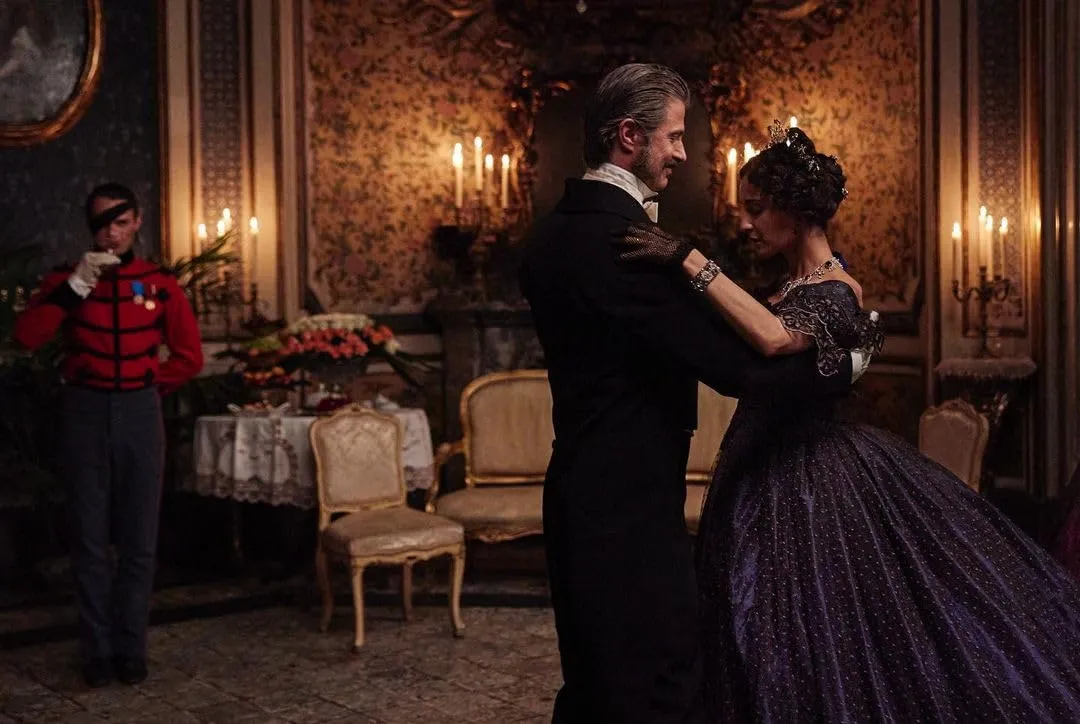
The decline is portrayed as both a personal and institutional transformation, where the collapse of established social orders mirrors the characters’ inner battles. The representation of a crumbling elite offers insight into the inevitable shift that accompanies the loss of long-standing power.
The script stages a clear conflict between long-held customs and emerging perspectives. Scenes are set in opulent environments that recall an illustrious past, even as dialogue exposes a growing acceptance of new ideas.
Moments within family gatherings, as well as private exchanges, reveal tension in accepting a transformed reality. Characters experience pressure when they face the need to update their values, setting up a narrative that questions which traditions remain worthy of preservation.
Visual elements serve as silent narrators throughout the series. A recurring wild feline emblem, present in both costume and decor, subtly signifies the once-mighty reputation of the family. Lavish settings and ornate details signal the splendor of a bygone age while hinting at the complicated legacy left behind.
The play of light and shadow in carefully crafted scenes operates as an indicator of shifting fortunes and the elusive nature of power, leaving viewers with images that speak volumes without a word.
Character decisions and interactions reveal layers of personal conflict, questioning established morals as circumstances evolve. Expressions of regret, pride, and reluctant acceptance form an emotional landscape marked by uncertainty.
Moments of ironic humor occasionally punctuate otherwise solemn exchanges, drawing attention to the contradictions inherent in preserving legacy while facing change. This nuanced treatment of character ethics encourages reflection on the cost of clinging to the past in a rapidly changing environment.
Production Elements & Visual Aesthetics: Recreating a Bygone World
The camera work captures 19th-century Sicily with careful framing that echoes the era’s solemn atmosphere. Shots range from intimate close-ups that highlight the characters’ subtle expressions to expansive views that situate them within vast historical landscapes.
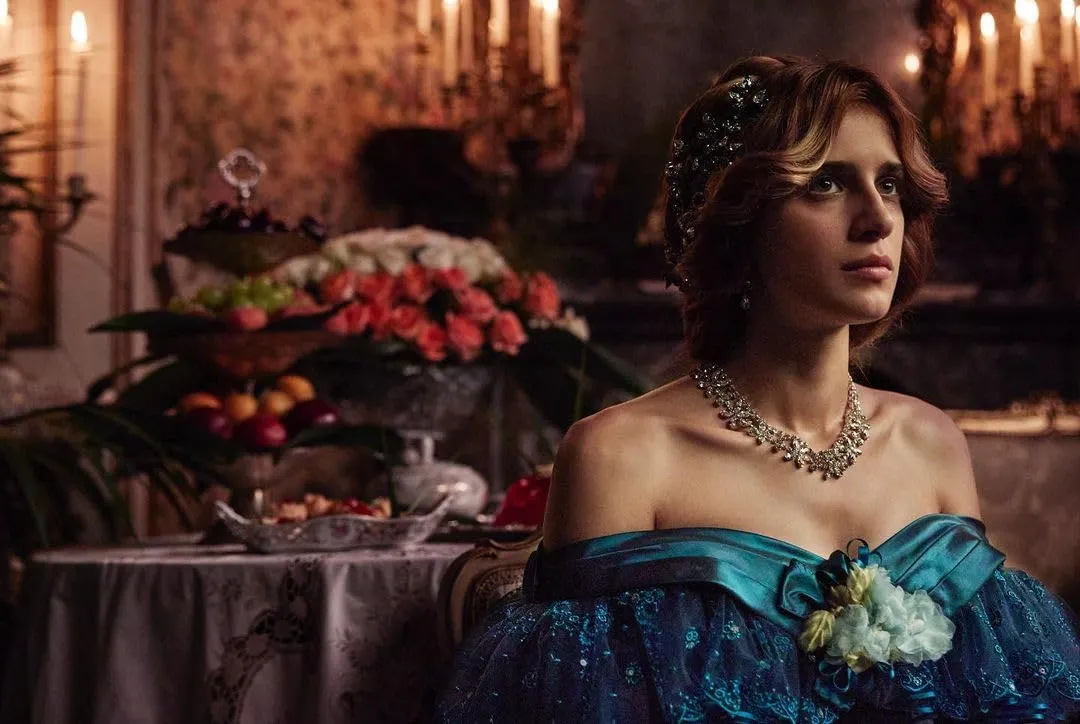
Every visual choice contributes to a setting that feels lived-in and authentic, inviting viewers to experience a world where time itself seems to weigh on every scene. This approach lends the narrative a reflective air, underscored by a gentle yet persistent visual rhythm.
The production employs a mix of authentic locales and intricately crafted sets that recall the grandeur of a fading aristocracy. Sunlit exteriors, majestic palaces, and rugged natural environments collectively paint a picture of Sicily steeped in history.
The juxtaposition of meticulously recreated interiors with the raw beauty of the outdoors speaks to the enduring influence of tradition amid societal shifts. Each location serves as a silent witness to the unfolding drama, offering viewers a visual context that supports the series’ historical ambitions.
Costumes serve as a visual shorthand for social status, with each garment chosen to reflect characters’ positions within a rigid hierarchy now under strain. The styling highlights differences between the aging nobility and younger figures poised at the threshold of change.
Makeup and hair styling further emphasize these distinctions, marking the physical toll of time on those who once held power and capturing the subtle spark of rebellion in newer generations.
The series features a carefully selected musical score that draws on compositions fitting the historical setting. Orchestral passages interlace with quieter, contemplative moments, creating an emotional undercurrent that supports the visual narrative.
The music interacts with key scenes, adding a layer of dramatic tension that aligns with the visual storytelling and reinforces the series’ commitment to an immersive historical experience.
Socio-Political Commentary & Historical Reflection
The series offers a sharp portrayal of a ruling class under siege by the forces of transformation. It casts characters as individuals caught between the comforts of an established hierarchy and the pressure of an emerging society.
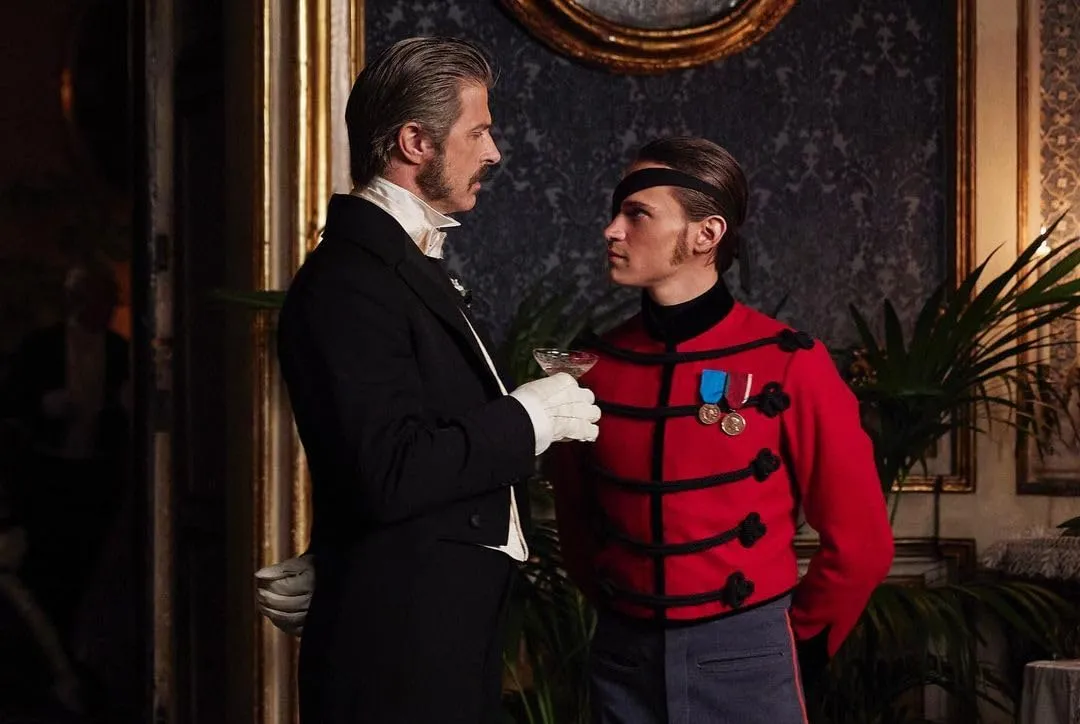
One may observe the personal compromises and quiet rebellions as aristocrats face a loss of privilege, their actions mirroring the broader shift in societal expectations. This representation prompts viewers to consider how power adapts—or crumbles—in the face of political and social reordering.
The narrative scrutinizes the balance between traditional influence and the surge of progressive ideas. Characters wrestle with authority in ways that disrupt long-accepted roles, generating tension both at the personal and communal levels.
The interplay of command and submission emerges as a recurring motif, exposing weaknesses in a system resistant to change. A few moments in the dialogue reveal the contradictions inherent in clinging to obsolete norms, a scenario that might raise a wry smile among those familiar with the predictable arcs of conventional storytelling.
The production takes calculated liberties with historical details, striking a balance between factual representation and narrative dramatization.
While certain events are modified for heightened dramatic effect, the alterations serve a purpose in accentuating the timeless conflict between established order and revolutionary change. Such choices spark a debate over fidelity to history versus the necessity of captivating viewers in today’s fast-paced media environment.
By casting an aged aristocracy against the backdrop of relentless societal reform, the show invites reflection on the persistence of inequality and cultural inertia. Its portrayal of characters grappling with the erosion of their inherited roles carries a resonance that transcends time.
The series prompts viewers to reexamine current issues through a historical lens, subtly questioning whether the remnants of past power structures can coexist with modern ideals.
The Review
The Leopard
This series serves as a striking examination of social transformation and fading authority through its detailed storytelling and visual style. Its careful portrayal of an era in flux provides a platform for reflection on the challenges of legacy and adaptation. The character dynamics and production design capture a period marked by change, offering viewers both emotional depth and historical insight.
PROS
- Rich visual design and authentic period aesthetics
- Thoughtful reinterpretation of historical narratives
- Complex character interplay with noticeable depth
CONS
- Pacing may feel uneven for some viewers
- Occasional deviations from historical precision







