

























![Kingdom Hearts Collection [I-III] Review](https://gazettely.com/wp-content/uploads/2026/10/Kingdom-Hearts-Collection-I-III-1-360x180.webp "Kingdom Hearts Collection [I-III] Review: KHII Holds Steady as Newer Entries Fluctuate 37")





“Who We Love” represents a thoughtful adaptation of the acclaimed short film Lily, bringing the director’s creative vision to a larger stage. The collaboration with co-writer Katie McNeice adds a sincere tone that connects personal experience with pressing social issues.
Every scene reflects the hard work of the cast and crew, who invest considerable energy into creating a detailed portrayal of adolescent emotions. Its release on streaming platforms in the United Kingdom has broadened its audience, inviting viewers from different regions to consider the nuances presented on screen.
Set in Dublin, the film captures local life through a lens that honors the city’s specific influences while engaging audiences worldwide. The depiction of teenage experiences is deeply tied to the everyday realities of modern Dublin, marked by a blend of long-held customs and emerging social norms.
The narrative, infused with local customs and interpersonal dynamics, offers insights that mirror and question familiar views on youth and sexuality. The attention to character interaction and atmosphere provides a framework for understanding cultural narratives in ways that feel both specific and expansive.
The careful use of light and color enhances the portrayal of internal conflicts and external challenges, inviting ongoing reflection on the forces that shape personal identity.
Global Impressions in Character Portrayal
Lily emerges as a figure of personal discovery, shaped by experiences that reflect her time spent away from home. Her return from San Francisco is marked by moments that capture both internal struggle and a renewed self-awareness.
The character’s sensitive exploration of her own feelings and identity is depicted with a clarity that invites viewers to consider how youth confronts change in an evolving world.
Her interactions on screen provide clear evidence of a personality in the midst of significant transformation, and the film uses visual cues—such as shifts in lighting and color—to mirror her inner state.
Simon serves as a steadfast companion whose presence contributes a distinct counterpoint to Lily’s emotional evolution. His openly defiant behavior and candid expression of self present an alternative vision of living truthfully.
His relationship with his father is portrayed with noticeable tension, as his personal values often clash with older, more reserved expectations. Simon’s influence on Lily is conveyed through scenes that emphasize his willingness to provide support in difficult moments, making his character a subtle guide through the complexities of adolescence.
Violet is drawn with a blend of charm and caution. Her actions add layers to the narrative, creating a dynamic where trust and skepticism coexist.
The film uses close-up shots and brief, poignant interactions to show the shifting nature of her relationship with Lily. This balance in Violet’s portrayal challenges the audience to reflect on the role of friendship in times of personal uncertainty.
Secondary figures—ranging from parental figures to school mentors—contribute additional textures to the story. Each supporting character offers a snapshot of contrasting expectations and influences, which together enrich the central narrative.
Their presence highlights differences in generational attitudes and cultural expectations, offering a multifaceted view of young adulthood that reaches beyond a single cultural lens.
Cultural Dimensions of Personal Growth and Social Struggle
“Who We Love” presents a thoughtful examination of youth in a society shaped by tradition and modernity. The film presents a portrayal of growth that centers on the transformation from adolescence to a state of personal clarity.
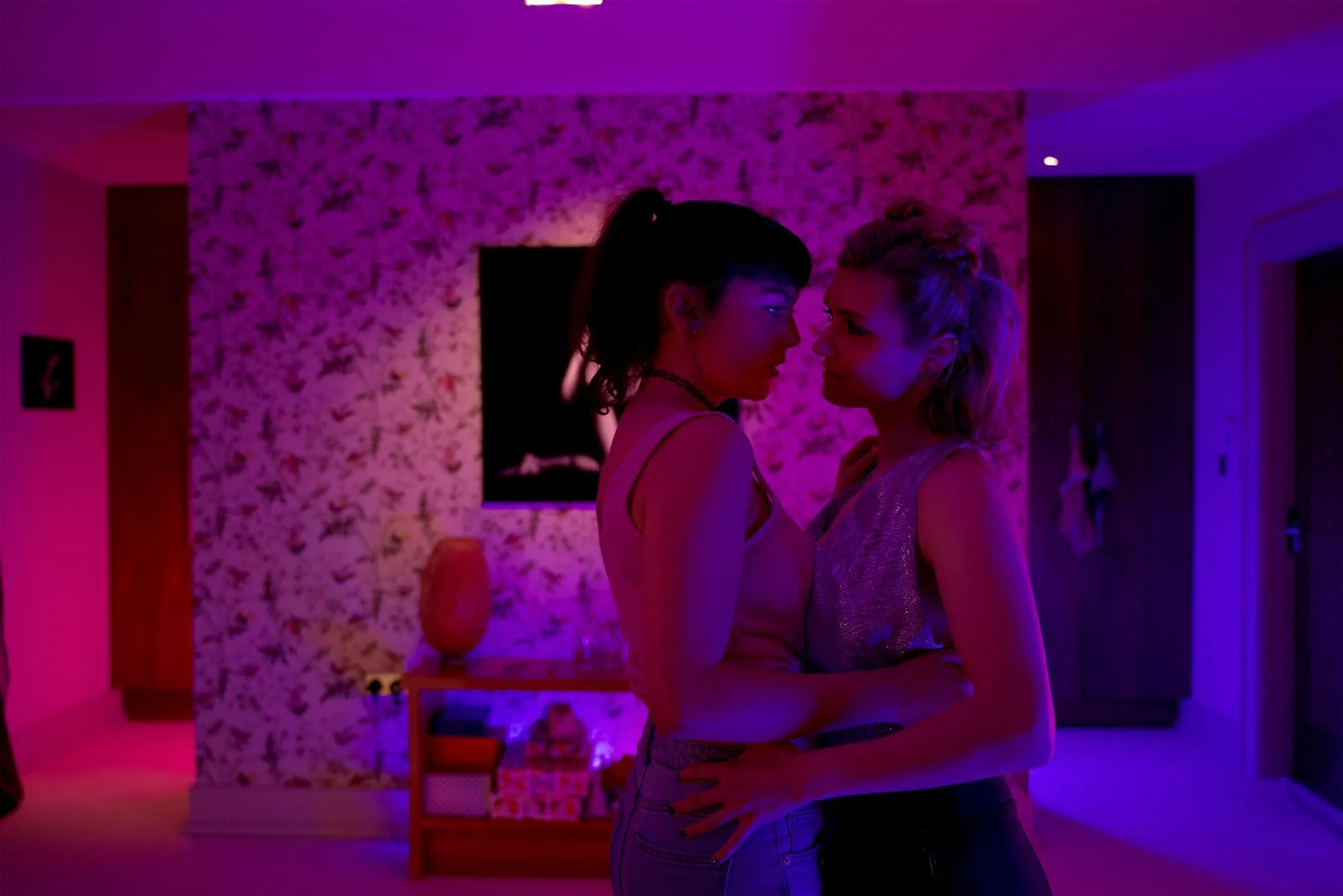
Lily’s experiences, from formative encounters overseas to intimate moments at home, provide a window into how early affection and the shock of first intimacies can shape an individual’s outlook.
Her experiences in a foreign city offer a contrast to the familiar streets of Dublin, bringing a mix of external influences and local expectations to the forefront.
Each personal revelation on screen is portrayed with a subtle use of visual cues, such as changes in tone and light, that evoke an emotional state without overwhelming the narrative.
The depiction of lesbian and gay identities in the film serves as a critical point of reflection on the nature of self-acceptance and the challenges faced by young people in traditional societies.
The film treats these aspects with careful sensitivity, portraying the struggles of coming forward in an environment where societal attitudes may cast long shadows over personal choices.
This focus stands in comparison with international works that tackle similar subjects, offering a perspective that is rooted in the specifics of Irish culture yet speaks to universal themes.
Instances of bullying within the school setting are rendered with a level of intensity that invites viewers to consider the lasting effects of peer pressure and social exclusion.
Scenes of physical and emotional hardship provide clear evidence of the pain inflicted by intolerance. The harsh realities of prejudice are depicted without exaggeration, capturing the raw emotions experienced by those subjected to hostility.
Family dynamics in the film present a spectrum of support and rejection. Parental figures and home environments are shown to impact the protagonists in differing ways.
Some family members display understanding and care, while others impose expectations that clash with the desires of the young. This contrast contributes to the overall narrative, offering a nuanced view of how personal development can be shaped by conflicting influences at home.
Peer relationships and mentorship are presented as essential lifelines amid turbulent circumstances. Characters such as Simon and various mentors stand out for their commitment to offering support and guidance.
Their interactions with Lily underline the importance of solidarity and the positive effects that open communication can have in the face of external pressures. These relationships form a network of support that enriches the character’s personal growth, prompting viewers to question how societal norms and familial legacies intersect with individual choice.
Visual Storytelling and Cinematic Craft
The film uses its colour schemes thoughtfully, with specific hues reflecting the emotional states of its characters. Shifts in colour indicate changes in mood and signal internal conflicts, a technique that bridges local artistic sensibilities with universal visual language.
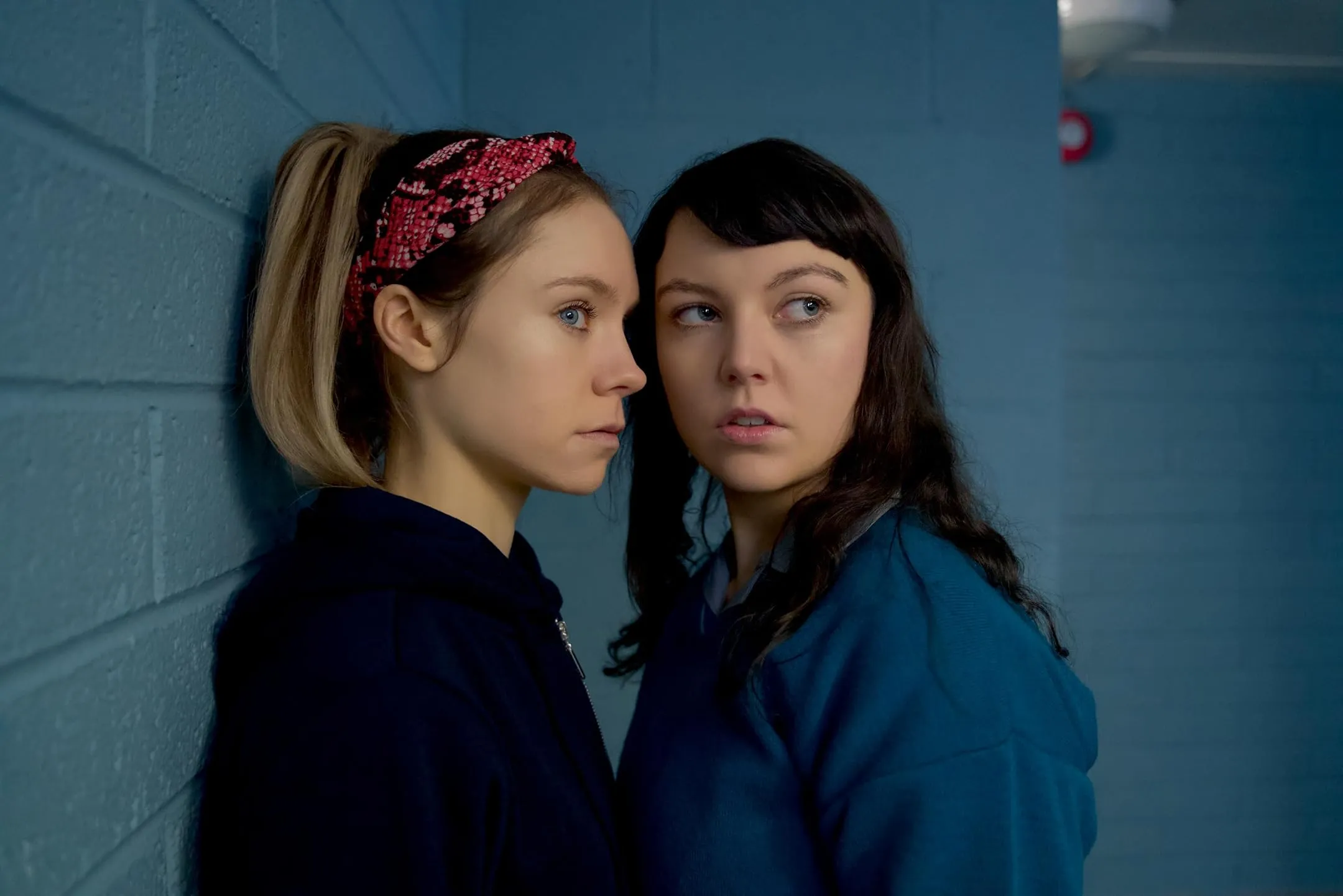
Lighting is employed in a way that emphasizes both moments of quiet introspection and scenes charged with emotional intensity.
The director’s approach to composition and framing consistently draws attention to details in the background and foreground, enriching each scene with subtle narrative cues that speak to the viewer without explicit explanation.
The director’s style captures the diverse emotional landscape of adolescent life. Scenes are arranged in a manner that highlights contrasts, such as the interplay of shadow and light during key transitions, which serve to underline the weight of certain experiences against lighter, more reflective moments.
This method enhances the storytelling by inviting viewers to interpret the visual signals in relation to the unfolding narrative.
Sound is integral to the overall impact, with a musical score that recalls the bittersweet feel of youthful memory. The soundtrack pairs well with on-screen developments, underlining pivotal moments and shifts in the narrative.
Its careful integration with visual elements provides an auditory cue to the story’s emotional rhythm, evoking a sense of nostalgia and earnestness.
Editing choices reflect a careful balance between quick cuts during high-energy sequences and more measured transitions during reflective passages. This approach to pacing shapes the narrative flow, allowing space for the viewer to absorb and react to both dramatic and quieter moments.
Such editing not only supports the film’s thematic aims but also reinforces its stylistic connection to a broader cinematic tradition, inviting comparisons with works that blend a deep cultural sense with an appealing, global visual language.
Irish Roots and Youthful Struggles
Set against the lively streets of Dublin and its suburban fringes, the film presents a striking portrait of Irish society and the daily challenges faced by its young inhabitants.
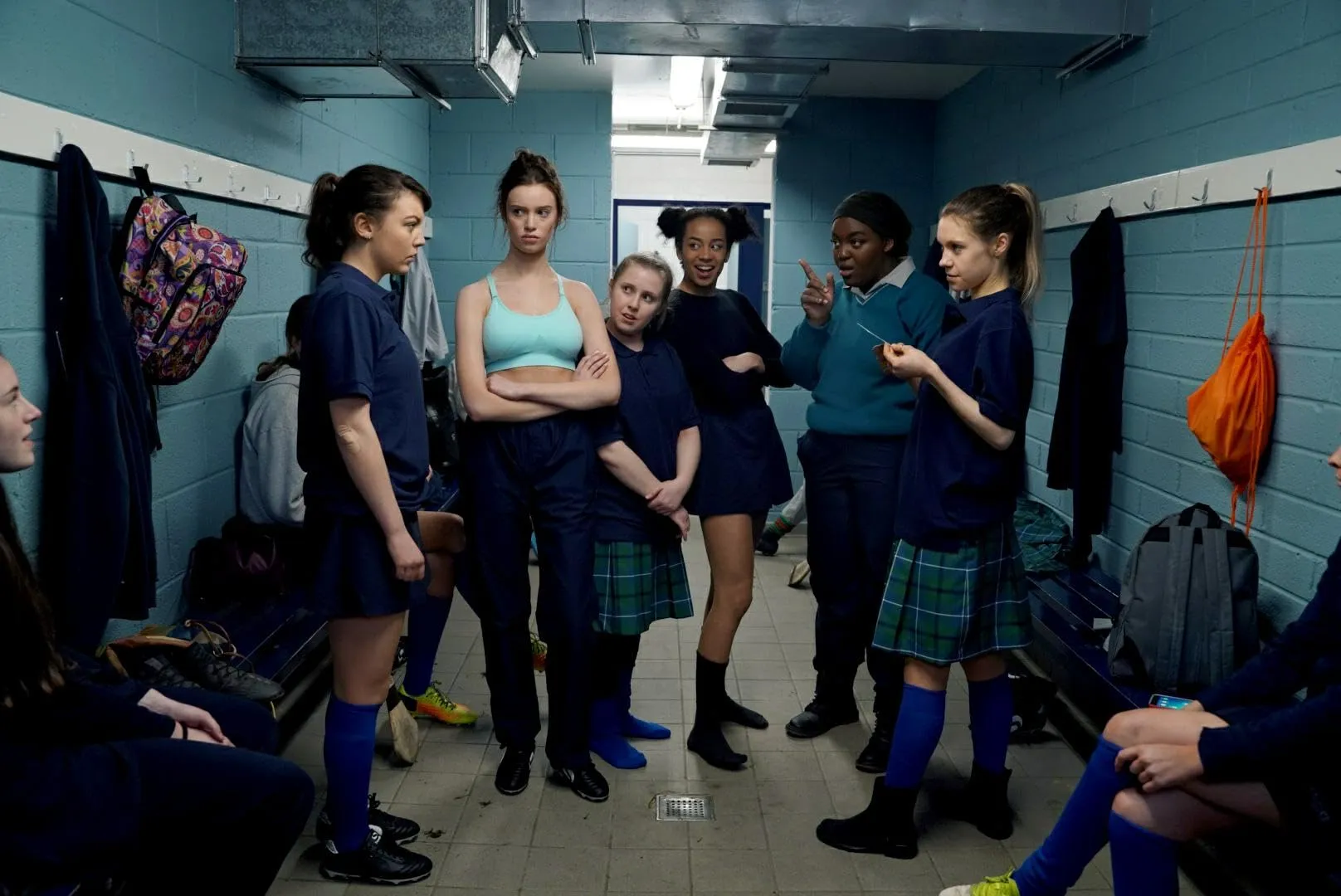
The urban landscape, steeped in history yet marked by the pulse of modern life, serves as a canvas for characters wrestling with issues of self-expression and acceptance.
Digital influences and peer pressures are interwoven into the narrative, demonstrating how current social trends shape the experiences of today’s youth. The film examines the impact of familial expectations and community values, highlighting how tradition can both support and restrict personal growth.
The portrayal of LGBTQ+ lives is handled with a straightforward realism that captures the tension between established cultural norms and emerging personal truths.
Moments of shared understanding among friends and mentors underline the importance of connection in the face of social challenges.
Through its depiction of familial bonds, school dynamics, and the influence of digital culture, the film offers a window into the modern Irish experience—a space where history and change coexist and young people negotiate their identities amid shifting societal standards.
Interwoven Narratives and Emotional Timing
The film’s structure presents a layered arrangement of storylines that converge at key turning points, forming a network of experiences centered around Lily’s personal evolution.
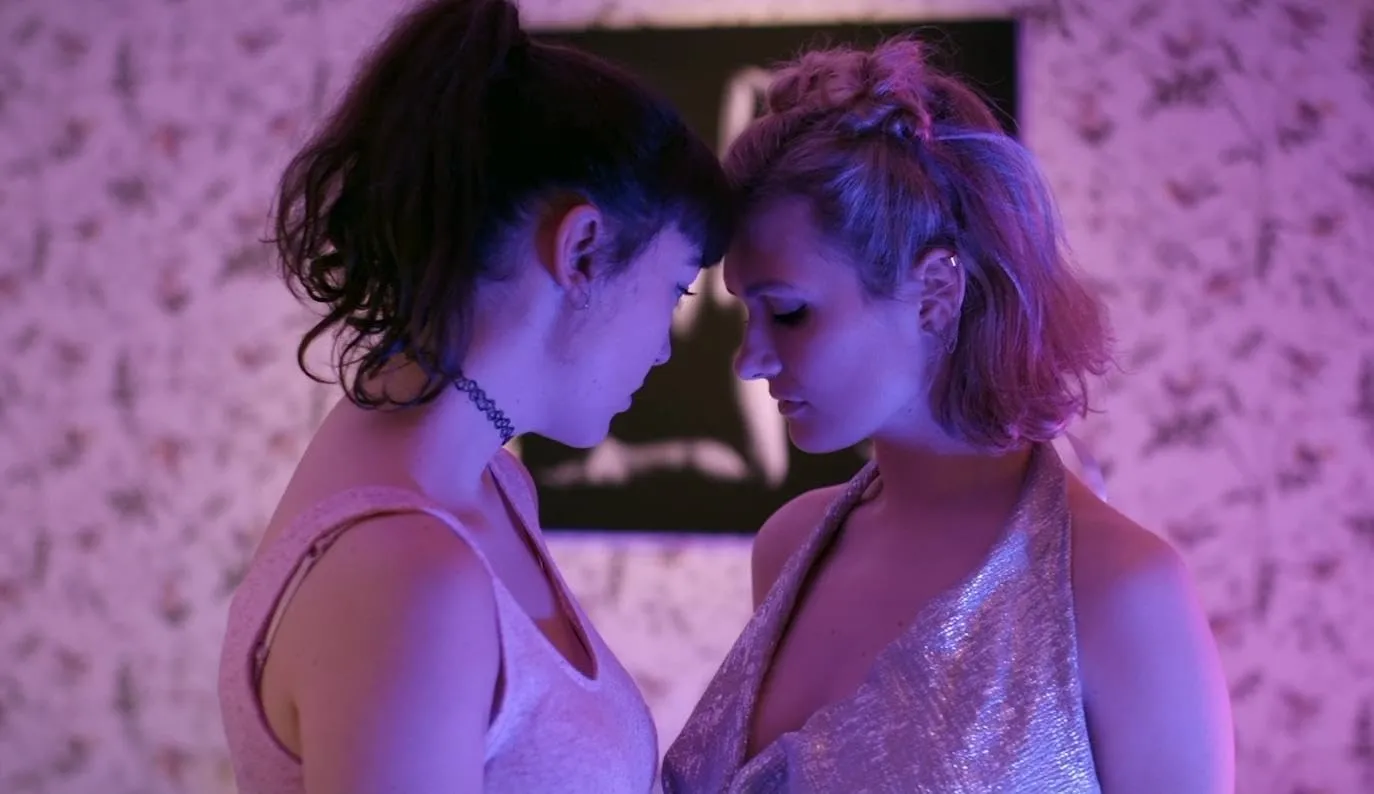
Her path, marked by significant moments of self-realization, interacts with parallel narratives that feature friends and family. This interconnection offers a panoramic view of the challenges encountered during formative years.
The narrative unfolds through scenes that oscillate between moments of heightened theatrical expression and grounded realism, striking a balance that prevents the emotional intensity from overwhelming the viewer.
Key sequences reveal sudden shifts in tone, where dramatic episodes are interspersed with quieter, reflective intervals. These moments create a dynamic rhythm that guides the viewer through the unfolding drama, allowing each plot line to contribute its own weight.
The pacing, characterized by brisk transitions during high-stakes episodes and slower movements during introspective segments, is central to the film’s storytelling approach.
As the narrative threads converge toward a tightly woven climax, the integration of these elements challenges conventional storytelling by presenting a mosaic of adolescent trials and aspirations.
This structural complexity leaves an open-ended impression, inviting the audience to reconsider the interplay between emotional urgency and reflective calm in shaping a multifaceted narrative experience.
The Review
Who We Love
Who We Love offers a refreshing perspective on adolescent life set against a culturally rich backdrop. The film's compelling character journeys, refined visuals, and interwoven narrative capture the challenges of identity and societal expectations with authenticity. Despite occasional pacing hiccups, the emotional core remains intact, delivering a memorable viewing experience that appeals across cultural boundaries.
PROS
- Strong character development and nuanced performances
- Visually compelling cinematography and effective use of color
- Authentic depiction of cultural and social issues
CONS
- Occasional pacing inconsistencies
- Some melodramatic moments may feel overemphasized







