
























![Kingdom Hearts Collection [I-III] Review](https://gazettely.com/wp-content/uploads/2026/10/Kingdom-Hearts-Collection-I-III-1-360x180.webp "Kingdom Hearts Collection [I-III] Review: KHII Holds Steady as Newer Entries Fluctuate 37")




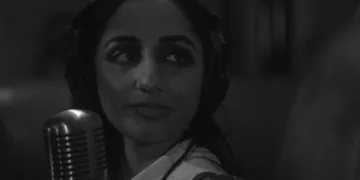
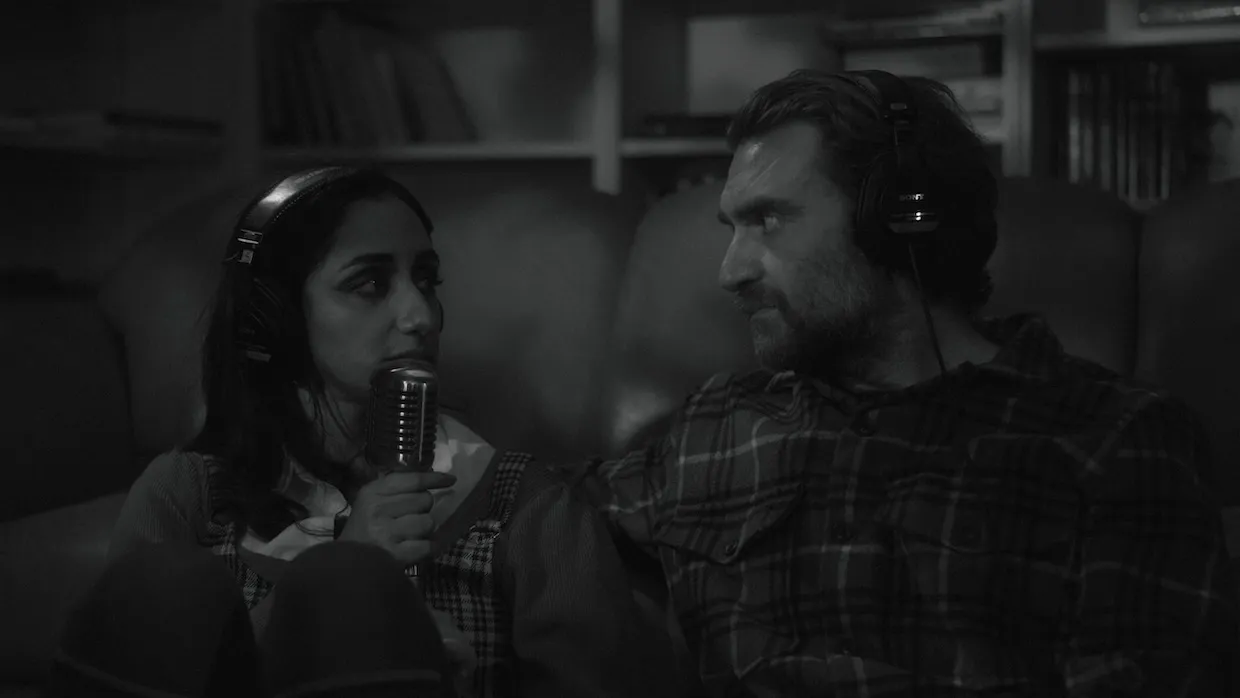
Vinita Malhotra leads the screen in a film rendered in stark black-and-white, where the familiar tropes of the undead are set against an offbeat mix of humor and introspection. The story follows an Indian American podcast host who finds herself in a desolate U.S. setting, celebrating a major milestone in her show while the world around her falls apart.
This film presents a rare combination of character-focused narrative and a world shadowed by a mysterious outbreak. Its visual austerity creates a reflective atmosphere, drawing attention to the quiet moments of personal reckoning amid chaos.
The arid landscapes and muted urban backdrops contribute to an almost palpable sense of isolation, mirroring the inner turmoil of the characters. The film examines the human condition through the lens of survival and loss, exploring how individuals cling to fragments of normalcy even when surrounded by unexpected danger. The narrative unfolds as an intimate portrayal of a family reuniting under unforeseen circumstances, with each interaction hinting at deeper emotional scars and unresolved tensions that define the characters’ lives.
Plot Architecture: Intersections of Personal Trauma and Apocalyptic Reality
The film unfolds through a clear three-part structure that mirrors a well-crafted screenplay. It begins with a moment of celebration as Vinita marks a milestone with her podcast, setting the stage with a quiet yet significant energy. This opening establishes a personal narrative that draws the viewer into her world.
The middle section shifts focus to a family reunion marked by flashbacks captured in a nostalgic 8mm style. These glimpses of the past add layers of history and sentiment to the character’s journey, enriching the texture of the narrative. The final act brings together personal strife and the external chaos of a society disrupted by the presence of the undead, forcing the characters to confront long-suppressed traumas amid looming danger.
The film balances its character-driven moments with elements of a genre that often relies on spectacle. Vinita’s interactions with her siblings and her former partner serve as the heart of the story, presenting intimate conflicts that are both poignant and relatable.
The use of flashbacks not only serves as a window into the characters’ pasts but also establishes a visual dialogue with the style often seen in Indian parallel cinema. This nod to cinematic traditions provides a cross-cultural layer that echoes the narrative techniques found in Bollywood classics, where memory and storytelling are deeply interwoven.
The tension arises from a dual conflict: the personal challenges that stem from unresolved loss and the persistent threat posed by the “biters.” Moments of humor appear amid the grim backdrop, creating an emotional counterpoint that reflects the difficulties of coping with deep-seated grief. There are instances where the pacing feels uneven, and some scenes come off as rushed, yet the film’s structure succeeds in merging varied narrative elements into a cohesive tapestry of human experience and crisis.
Faces in the Void: Personal Struggles Amid an Apocalyptic Setting
Vinita Malhotra stands out as the central figure, her life split between running a popular podcast and grappling with deep-seated emotional scars. Her witty remarks serve as a shield against the harsh realities of the ruined world, yet moments of quiet introspection reveal the weight of her inner battles. Her performance captures a rare mix of dry humor and hidden sorrow, inviting viewers to explore the complexities of someone trying to maintain normalcy amid chaos.
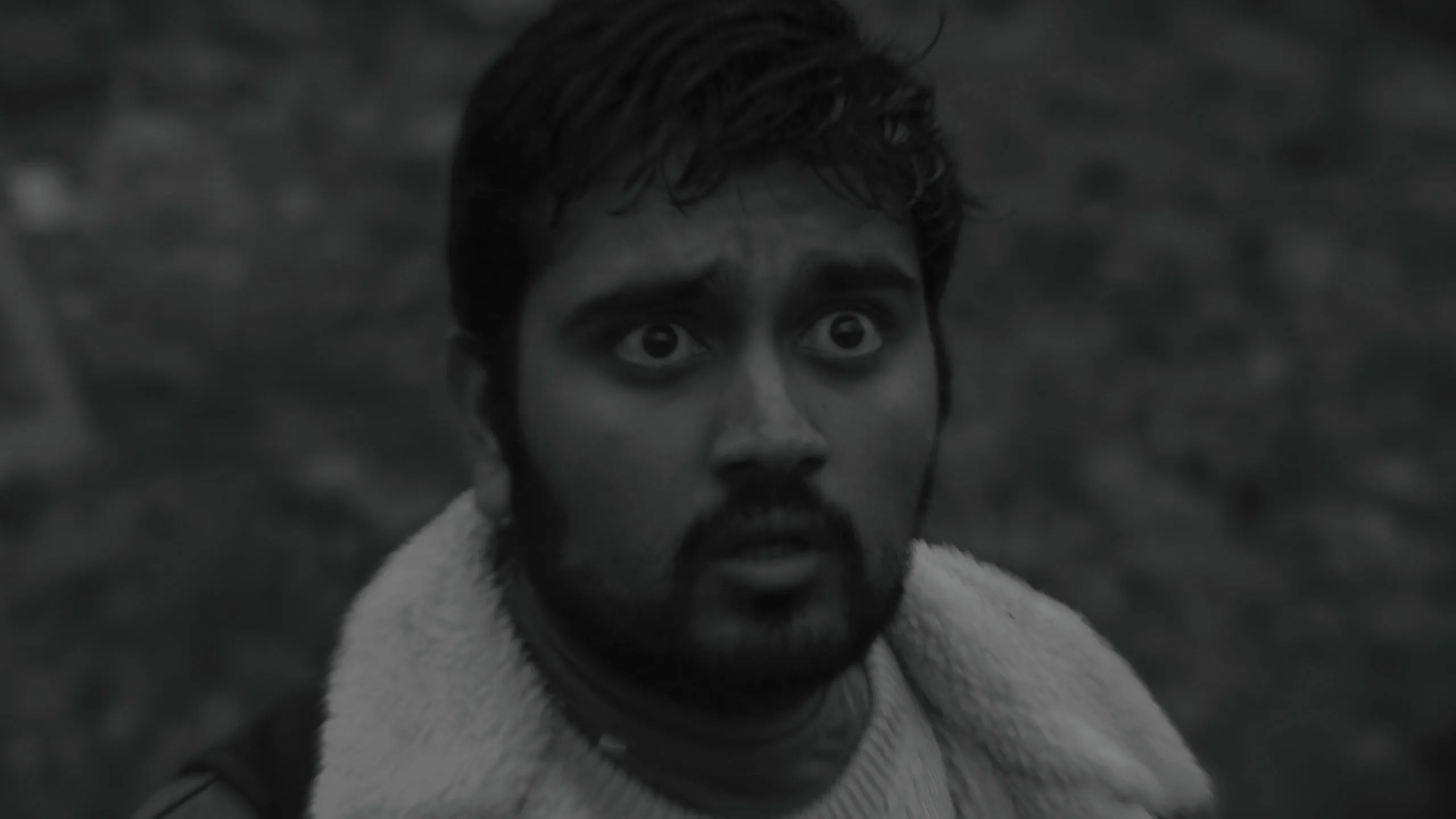
Rishi, her younger sibling, is portrayed with a subtle vulnerability that hints at a difficult past. His reserved nature and the careful observation of his struggles suggest that his personal pain remains largely unnoticed by those around him. The subtle interplay between his silent suffering and Vinita’s active search for meaning forms an understated but significant dynamic within the film.
The characters of Hari and Barbara introduce another layer to the family portrait. Hari shows a visible conflict between the image he projects to the world and the private grief he endures. His careful management of public appearances masks an internal strife that slowly unfolds.
Barbara provides a distinct counterpoint with her practical approach to survival. Her resourcefulness is highlighted by quirky habits, such as her methodical way of enhancing her weapons, which speaks to her creative spirit even in difficult times.
Vincent, Vinita’s estranged ex, makes an unexpected return that disrupts the already fragile balance. The appearance of a baby, brought by Vincent, acts as a symbolic spark of new beginnings and fresh responsibilities. The interactions among these characters, especially the evolving dynamic between Vinita and Vincent, add layers of emotional intensity and insight into how personal loss and unexpected hope can coexist in a troubled world.
Kiran Deol’s portrayal of Vinita captures these nuances with precision, supported by a cast whose performances create a rich, interconnected web of personal histories and evolving relationships.
Symbols of Survival: The Language of Loss and Laughter
The film portrays survival as a multifaceted experience where characters strive to preserve familiar aspects of life amid chaos. Characters work to maintain everyday habits, even as the world around them is overtaken by sorrow. Their attempts to recreate a sense of normalcy serve as a counterweight to the pervasive atmosphere of loss, providing an emotional anchor throughout the narrative.
Trauma is woven into the storyline, with lingering grief emerging through subtle cues and interactions. The so-called “biters” serve as a visual reminder of persistent pain, their presence echoing the unhealed wounds that each character carries. These creatures appear sporadically, creating a visual motif that reinforces the inescapable nature of past hurts and the challenges of moving forward.
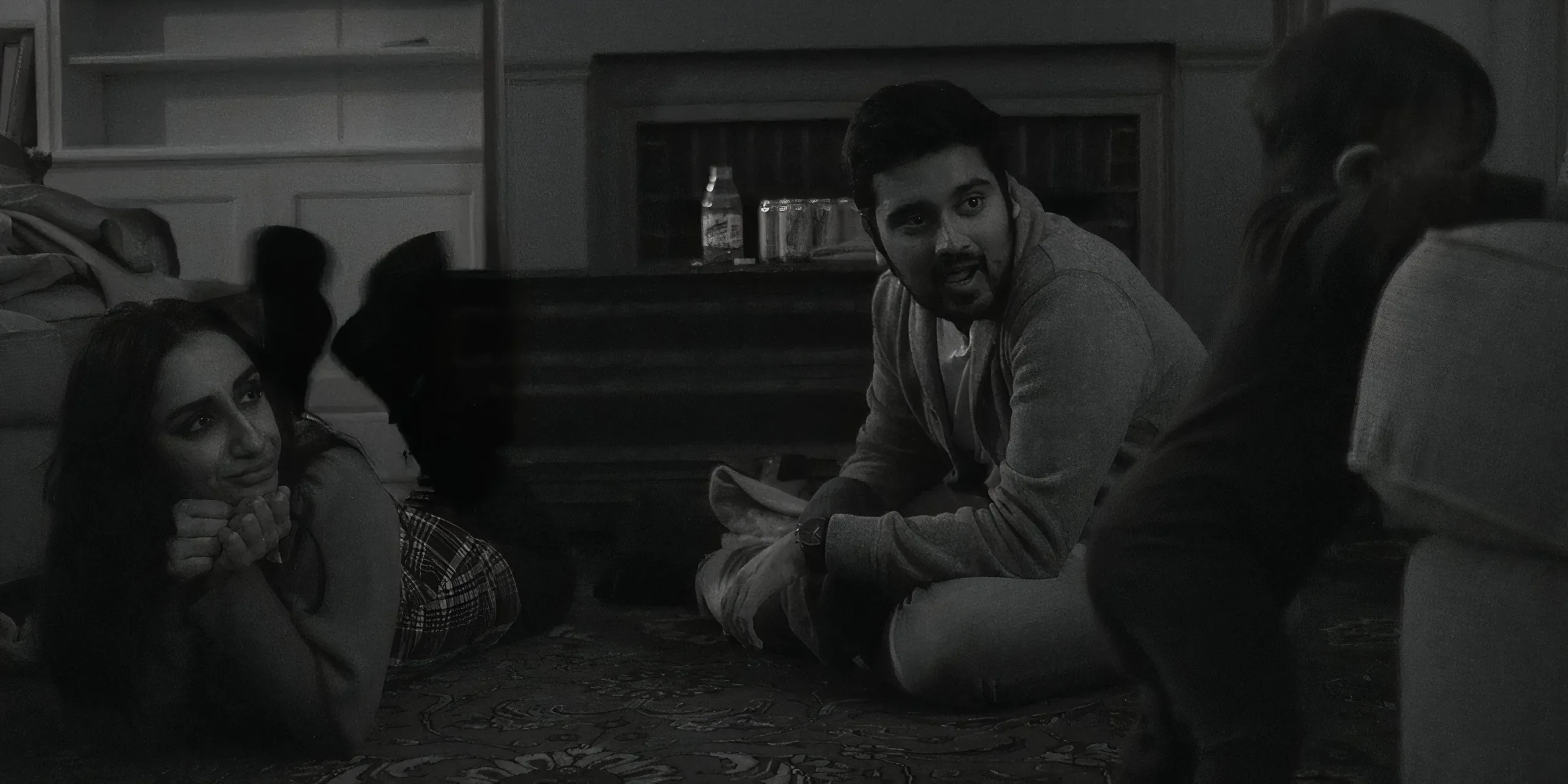
The dynamics within the Malhotra family offer a mirror to broader social changes. Their interactions reflect the pressures of balancing traditional cultural heritage with the demands of contemporary life. The film incorporates both South and North Indian elements to enrich the narrative, demonstrating a sincere commitment to cultural authenticity. The family’s internal discussions and conflicts speak to deeper questions about identity, memory, and the influence of heritage on personal decisions.
Vinita’s sardonic humor is a defining characteristic that softens the impact of her inner turmoil. Her witty remarks often mask the vulnerability beneath, generating moments where levity disrupts the heaviness of her experiences. This careful use of humor provides insight into the complex mechanisms people employ to shield themselves from overwhelming grief.
The monochromatic visual style reinforces the themes of isolation and loss. Stark landscapes and deliberate contrasts become recurring symbols that highlight the emotional undercurrents of the story. The choice of a black-and-white palette reflects techniques found in early parallel cinema, creating a visual dialogue that connects historical filmmaking traditions with modern narrative innovation.
Visual Poetry in Monochrome: A Study of Stark Realism
The film’s choice of a monochrome color scheme creates a mood of solitude and introspection. The absence of color intensifies the feeling of abandonment seen in empty streets and shadowed interiors, echoing the personal losses faced by the characters.
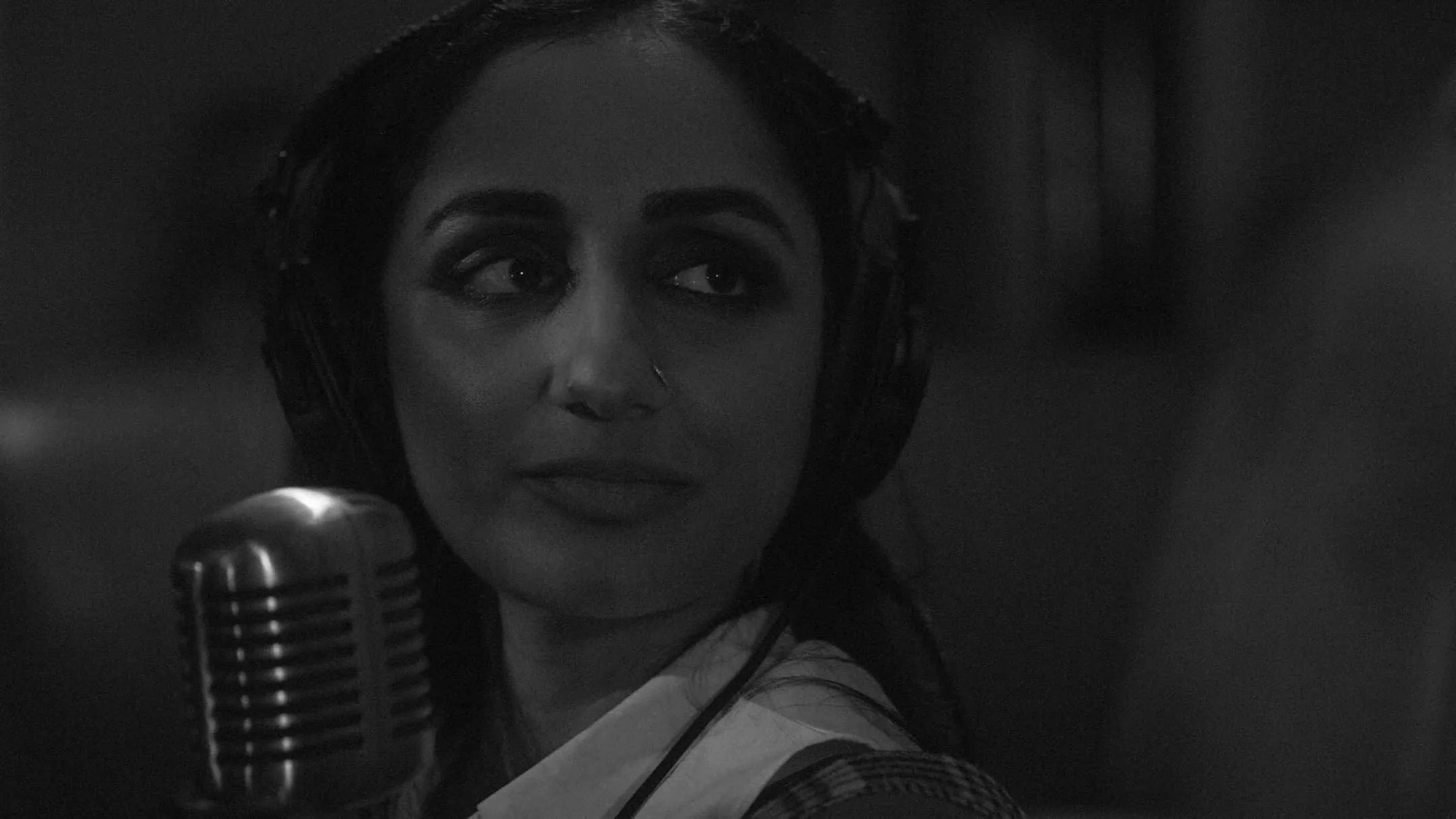
Relaxed, lingering shots capture quiet moments, while moments of erratic handheld movement during action scenes underscore the tension of sudden chaos. Intermittent flashbacks rendered in an 8mm style serve as nostalgic windows to a time before the upheaval, adding layers to the narrative with a tender recall of memories now lost.
Interior sequences present both challenges and opportunities. Low light settings require innovative use of shadows and contrast, which heighten the atmosphere of isolation. The framing frequently spotlights subtle details—a faded photograph, a dimly lit room—that reveal the inner world of the characters.
The visual design calls to mind the raw aesthetics of early zombie films, yet modern camera techniques refresh the familiar visuals. The overall cinematography works as a silent narrator, offering insights into the characters’ struggles and the environment’s melancholic reality. This visual approach marries historical influences from classic cinema with contemporary methods, crafting a style that speaks powerfully through images.
Auditory Landscapes: Sound and Silence
The minimalist, eerie score creates a backdrop of tension throughout the film, with measured musical phrases that underscore key emotional moments. In several scenes, the sparse instrumentation supports the rising intensity, notably during Vinita’s introspective moments when the score punctuates her inner reflections.
The use of voice-over is effective in providing a window into Vinita’s thoughts, linking her personal struggles with the unfolding narrative. Ambient sounds—a creaking door, the rustle of wind over deserted streets—build a mood that complements the visual austerity of the monochrome palette.
Occasional sound effects accentuate transitions between the film’s more subdued sequences and its bursts of action, marking shifts in atmosphere. Specific sequences, such as the movement from an intimate interior scene to an unexpected confrontation outside, are paired with a sudden change in musical tone, enhancing the overall emotional impact.
A Convergence of Genres: Rethinking the Zombie Narrative
“Didn’t Die” defies the standard setup of its genre by prioritizing emotional exploration over typical frights. The film sets its narrative within a framework that fuses horror, comedy, and drama. Instead of relying on the shock of the undead, the threat of the “biters” is kept subtle, serving as a symbol of ongoing personal pain rather than an all-out menace. This choice shifts the focus toward the personal and collective experiences of loss and the efforts to sustain routine amid collapse.
The film’s tone shifts between dry humor and quiet introspection. For instance, Vinita’s playful repartee with family members punctuates scenes heavy with personal sorrow, creating a dynamic where moments of lightness offer respite from the oppressive atmosphere.
Such treatment aligns with trends seen in Indian parallel cinema, where internal conflicts and nuanced character portrayals hold precedence over overt sensationalism. The narrative mirrors historical cinema practices, drawing on techniques like understated pacing and reflective storytelling that have long resonated in both Bollywood and global film circles.
These elements invite viewers to experience a layered meditation on resilience, one that values subtlety over spectacle and human connection over conventional terror.
The Review
Didn't Die
"Didn't Die" stands as an inventive reimagining of the zombie genre. Its blend of dry humor and heartfelt family drama offers a refreshing departure from standard horror fare. The film's stark visuals and reflective storytelling enrich its portrayal of personal loss and survival. Though occasional pacing issues arise, its cultural authenticity and engaging narrative create a memorable cinematic experience.
PROS
- Innovative twist on the zombie genre
- Engaging mix of humor and family drama
- Striking monochrome cinematography
- Rich cultural authenticity and nuanced storytelling
- Effective use of voice-over narration
CONS
- Inconsistent pacing at times
- Underdeveloped threat from the "biters"
- Occasional narrative lapses
- Some shaky camerawork in key scenes







