






















December 2018 finds Paris roiled by Yellow Vests protesters, their defiance echoing through grand boulevards and narrow alleys. Against that tumult, flashes from rubber bullets carve stark silhouettes on bodies and pavements, each strike a brutal punctuation in the city’s unrest.
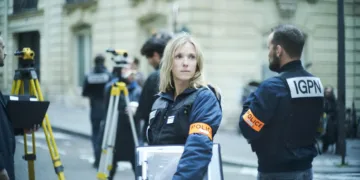
Case 137 stakes its claim in this charged atmosphere, following Inspector Stéphanie Bertrand of France’s IGPN—an internal affairs unit charged with policing the police. Once a street-patrol officer accustomed to the rhythms of Parisian precincts, she now probes the moment when state power cracked open a young protester’s skull.
Stéphanie’s hometown roots in Saint-Dizier surface as the inquiry unfolds, threading small-town resentments into a metropolitan drama. She sifts through silent security cameras and grainy phone footage with the vigilance of a forensic sculptor, each frame revealing partial truths and missing angles.
Loyalty to her force ripples beneath her professional composure, even as her sense of duty pushes her deeper into departmental friction. What begins as a procedural chase becomes a meditation on duty’s cost—how rigid codes of solidarity can obscure justice’s fragile pulse. Tension simmers in impassive interview rooms and behind antiseptic office doors, underscored by moments of irony when a stolen bar of soap or a rescued stray cat cuts through grim reality. Here, cinema becomes an act of bearing witness.
Clockwork of Inquiry
Stéphanie’s day begins under the harsh glare of fluorescent bulbs in the IGPN’s glass-walled precinct. A muted hum of printers and distant phone rings escorts her to a steel desk where case folder “137” sits like a verdict waiting to be written. Folders splay open, revealing an injury report so stark that it demands more than bureaucratic attention—this is the catalyst that propels her inward journey through institutional corridors.
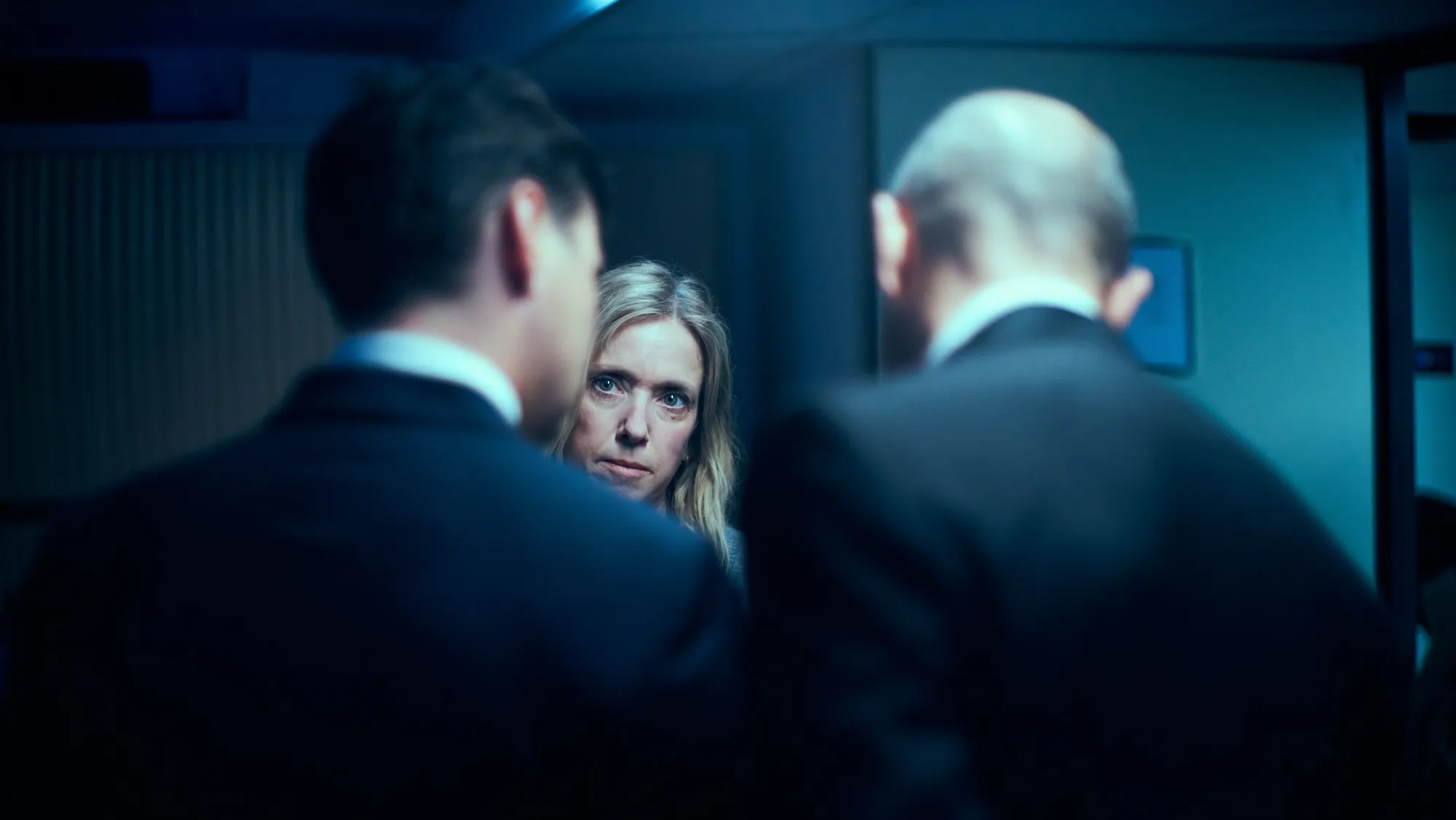
The inciting moment arrives with clinical abruptness: a teenage protester’s arrival in the hospital, his skull fractured by a flash-ball round. His mother’s trembling plea echoes off sterile walls, and Stéphanie accepts the assignment as though answering a summons from both duty and conscience. Thereafter, the film unfolds as a methodical odyssey through digital landscapes of CCTV grids and the intimate surveillance of smartphone footage. Each freeze-frame becomes a fragment of truth, every timestamp a beat in a rhythmic march toward accountability.
Milestones emerge in patterns—footage stitched together to map an officer’s steps, witness interviews squeezed for nuance, departmental resistance materializing in clipped responses and closed-off corridors. Reluctant voices stall progress, while the magnetic pull of professional loyalty tugs at Stéphanie’s resolve. Then, midfilm, her world tilts: the injured youth hails from Saint-Dizier, threading her personal history into official records. Her ex-husband’s scowl and murmurs of police solidarity transform routine interviews into charged battlegrounds, reminding her that justice often collides with camaraderie.
In the climactic act, tight close-ups slide between Stéphanie’s steady gaze and the officers she’s unmasked. Alicia’s hushed confession on a dimly lit metro platform adds tension, turning public transit into a private crucible. Surveillance cameras pivot from stationary observers to accomplices in truth-telling. Finally, the dossier moves toward the prosecutor’s desk, and Stéphanie stands illuminated by late-afternoon light—her compromise etched in every measured step.
Faces Behind the Badge
Stéphanie Bertrand moves through each scene with a measured restraint that belies the storm beneath her composure. Léa Drucker’s performance hinges on micro-expressions—tired eyes flickering with controlled indignation, a jaw tightening when departmental protocol collides with moral imperative. In moments of sudden firmness, she issues terse directives or leans forward in interrogations, her posture shifting from observer to unyielding examiner. This interplay of calm and steel forges a portrait of a woman both anchored by duty and unsettled by its costs.
Across the table, Benoît operates as pragmatic foil. Jonathan Turnbull lends him a laconic wit, his dry humor puncturing tense exchanges with offhand quips about budget constraints or indifferent superiors. Yet beneath every sardonic remark lies loyalty: Benoît’s trust in Stéphanie provides a quiet counterpoint to the forceful investigation, reminding viewers that solidarity can temper obsession. Mathilde, by contrast, embodies legal precision. Carole Delarue’s measured cadence and unwavering gaze transform procedural jargon into an almost ritual incantation, her voice guiding dossier pages with the certainty of a scholar reciting a canonical text.
Joëlle’s raw grief and mistrust toward police amplify the case’s emotional gravity. Sandra Colombo portrays her with jagged vulnerability—lashes reddened from crying, voice cracking when she demands justice for her son. Every plea reverberates through Stéphanie’s world, intensifying the inspector’s resolve even as it confronts her with the human toll of institutional violence.
In Alicia, Guslagie Malanda crafts simmering fear and unexpected moral courage. Her silent glances carry the weight of unspoken witness, and when she finally speaks, the confession shifts the investigation’s trajectory. Malanda’s presence transforms Alicia from passive observer into pivotal agent of truth, demonstrating how courage can emerge from the margins.
Opposing these forces are the flash-ball officers, embodiments of institutional inertia. Their clipped denials and rehearsed alibis echo through interrogation rooms like mechanical defenses against accountability. Offscreen, Stéphanie’s ex-husband and certain colleagues issue veiled threats—a reminder that policing the police invites collateral hostility. Together, these performances map the fault lines between loyalty, duty, and conscience in a world where justice demands more than procedure.
Justice’s Fragile Scales
The film positions the IGPN as custodian of accountability—a “police of police” charged with untangling loyalty from legality. Stéphanie’s every dossier review underscores collective solidarity’s friction with individual ethics. When colleagues circle protectively around accused officers, the inspector stands apart, her allegiance pledged not to uniforms but to evidence. This tension transforms routine interrogations into moral reckonings, where a single rubber bullet can fracture the unspoken code of fraternity.
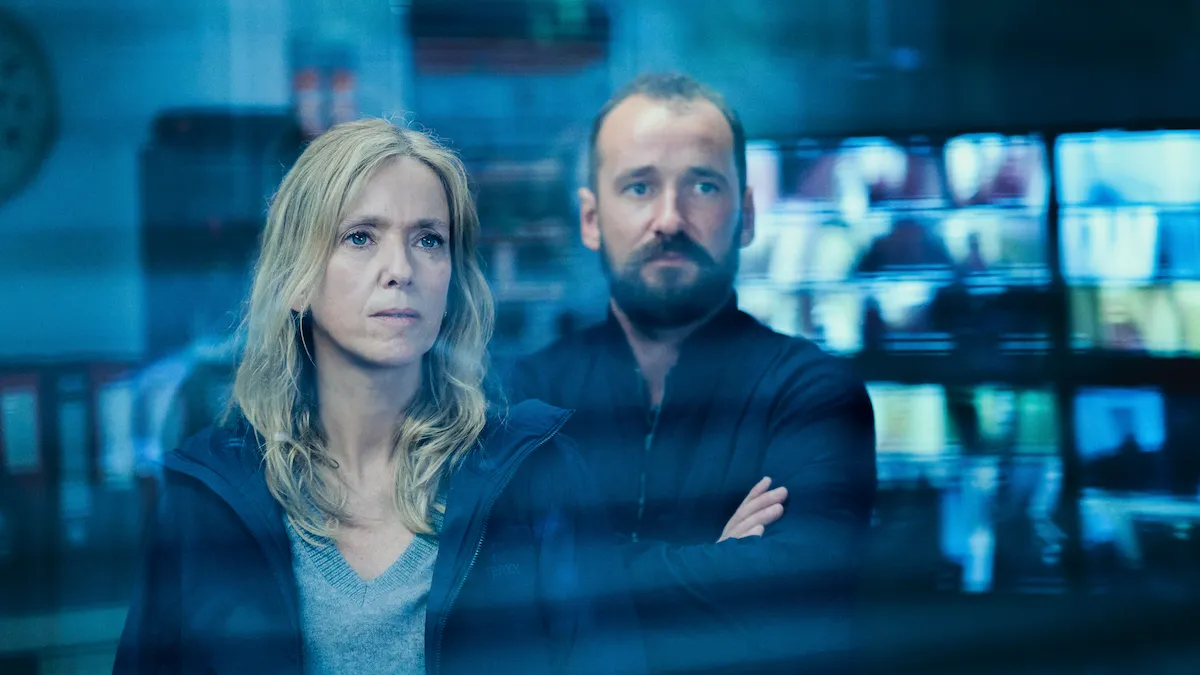
In an era saturated with cameras, technology becomes both shield and scourge. CCTV grids stretch like digital nets across protest sites, while smartphones spin atomized angles into viral testimonies. Official surveillance hums with bureaucratic precision; citizen recordings pulse with raw immediacy. That juxtaposition highlights how power seeks to contain narrative even as grassroots footage shatters official silence. Each pixel becomes witness, and every timestamp marks a moment when opacity gives way to exposure.
Beneath these tools of transparency lies a deeper social chasm. Paris’s grand boulevards stand in stark relief against Saint-Dizier’s humble streets—urban privilege brushing up against provincial grit. Class and race intersect in split-second encounters, as a young protester’s fractured skull becomes a mirror for national divides. The film casts these fractures into sharp relief, reminding audiences that justice cannot be blind to the terrain it seeks to cross.
Moral ambiguity reigns when Stéphanie skirts procedural orthodoxy—cutting corners to secure evidence, risking her own standing. The inquiry’s heartbeat grows irregular as duty morphs into obsession, and questions emerge about whether one case can alter systemic inertia.
Yet empathy threads through this landscape of doubt. Stéphanie’s provincial roots anchor her to the victim’s family, humanizing both inspector and protester. In quiet exchanges—the mother’s anguished gaze, the inspector’s soft tone—a shared humanity surfaces. These moments reveal that policing the powerful demands as much compassion as it does rigor, and that true justice must weigh both at once.
Frames of Forensic Precision
Dominik Moll employs procedural minimalism as a visual ethos, letting long takes of dossier reviews and interview rooms breathe with unhurried authority. Desks strewn with files become territories of scrutiny, the camera lingering just long enough to imprint each stamped folder onto the psyche. Evidence-gathering unfolds in near–real time: a cached smartphone clip here, a grainy CCTV snippet there, each fragment layered to evoke the painstaking rhythm of Stéphanie’s investigation.
Mixed media punctuates this austerity. Archival footage of actual Yellow Vests demonstrations glides into reenacted protest scenes, rupturing cinematic artifice with documentary grit. Diegetic phone screens flicker with map overlays and timestamped videos, transforming Stéphanie’s tablet into a portal where narrative and reality converge. These graphic inserts don’t feel tacked on; they pulse with immediacy, reminding viewers that truth often arrives pixel by pixel.
The film’s color palette splits between cool, antiseptic tones in IGPN offices and the muted grime of suburban streets. Office corridors gleam under clinical lighting, their sterility reflecting institutional detachment. Outside, peeling paint and dimly lit homes convey the world Stéphanie left behind—one where class and geography cast long shadows over the quest for justice.
Camera movement heightens these contrasts. Static framing dominates interrogation sequences, trapping subjects in rigid compositions that accentuate power dynamics. In the clandestine metro pursuit, hand-held tracking surges through carriages and dim tunnels, the jittery motion embodying the clandestine stakes of Alicia’s testimony.
Editing rhythms mirror Stéphanie’s methodology: deliberate pacing with occasional quick cuts to underscore mounting urgency. Each splice feels purposeful—no moment overstays its welcome, yet no crucial detail vanishes in a rush. Through this disciplined choreography, Case 137 turns procedural mechanics into a visual argument for transparency, accountability, and the art of bearing witness.
Echoes of Authority
Sound in Case 137 operates as more than ambient punctuation—it becomes a witness in its own right. Diegetic elements clash and converge: the abrupt crack of a flash-ball report ricochets through Parisian streets, melding with distant sirens and murmured office chatter. Smartphone video audio, tinny yet urgent, surfaces unexpected details—a victim’s gasp, a protest chant—transforming each digital echo into narrative evidence.
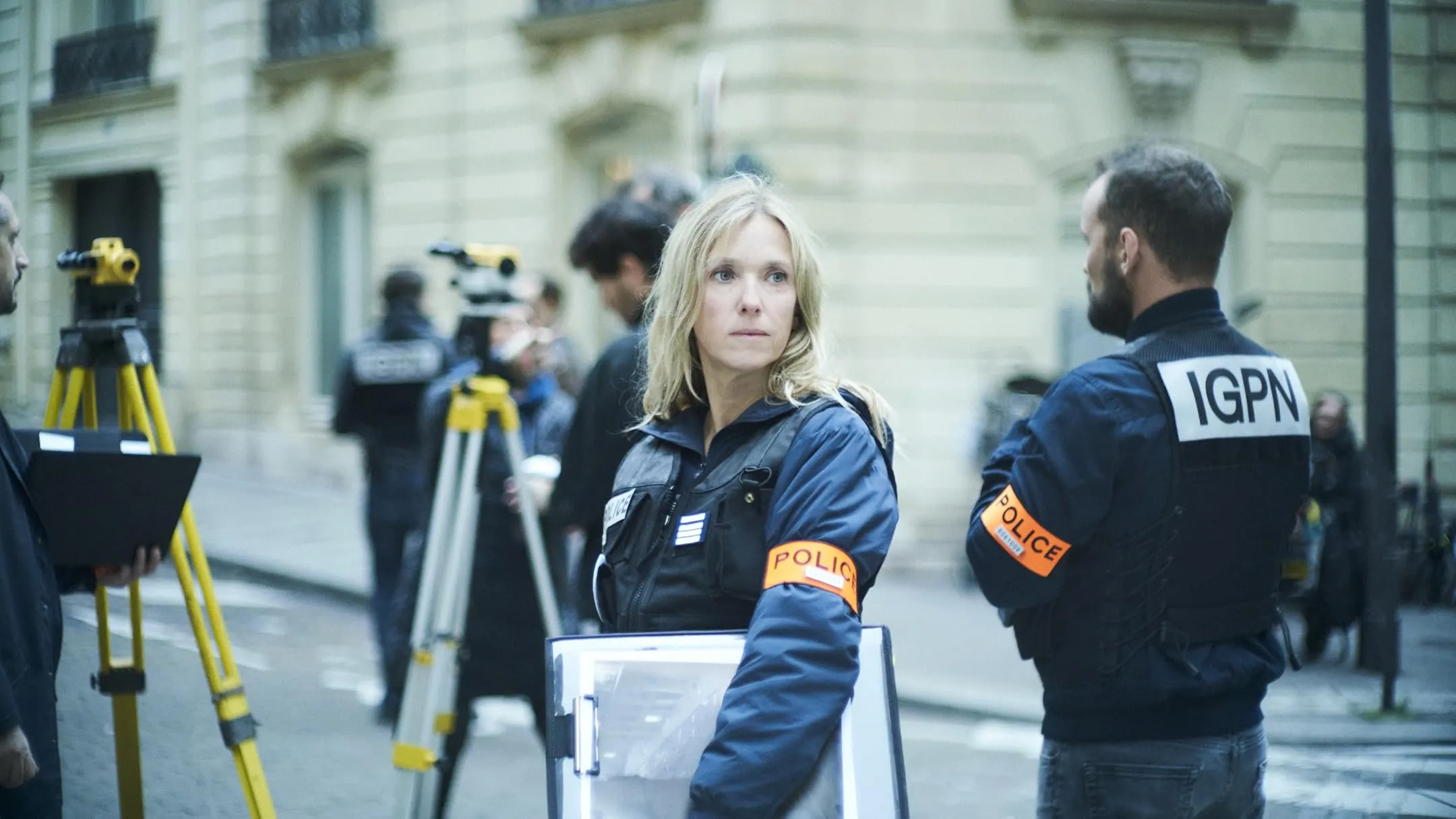
The musical underscore is judicious and sparse, its tension-building cues unfurling like faint tremors beneath the visual surface. Moments of silence stretch between scenes, amplifying every creak of archival footage and footstep down sterile hallways. In those pregnant pauses, the absence of melody intensifies unease, as if the world itself holds its breath before Stéphanie resumes her inquiry.
Sound editing weaves distant protest noise into the stillness of interrogation rooms, crafting a dialectic between chaos and control. Subtle sound bridges—an officer’s clipped denial segueing into a street protest chant—bind disparate spaces, suggesting that accountability cannot be confined within four walls.
An emotional counterpoint emerges in the cat-rescue sequence. Playful tutorial sounds—keyboard clicks, instructional chirps—collide with the film’s sober tone, offering a fleeting human reprieve amid institutional gravity. Through this delicate interplay of sound and silence, Case 137 underscores the fragile boundary between bearing witness and being overwhelmed by the echoes of power.
Weight of a Single Dossier
Empathy courses through every frame as Stéphanie carries the moral weight of policing her own. The camera lingers on her steady inhale before she crosses a threshold, inviting viewers to inhabit her resolve and recoil at its cost. This alignment transforms procedural minutiae into an emotional ledger, each file stamped “Confidential” tallying unseen burdens on her conscience.
Justice itself becomes a question mark: does the exoneration of one flash-ball officer ripple through an entrenched system, or does it merely settle a solitary score? Moll’s narrative resists tidy answers, leaving audiences poised between hope and disillusionment. The final image of Stéphanie alone in her dimly lit office—folders stacked like monuments to unanswered appeals—echoes with the film’s open-ended interrogation of reform.
Irony surfaces in dark humor: Benoît’s surreptitious swipe of hotel soap reads as a petty revolt against gilded privilege, a fleeting act of solidarity among underpaid enforcers. Later, a burst of cat videos offers absurd levity, a reminder that even in grim narratives, the simplest comforts can puncture despair.
Such moments linger alongside lasting images: Stéphanie’s silhouette against a bank of monitors, Alicia’s dusk-lit confession on the metro, Joëlle’s weary eyes calling out for accountability. These visual notes form a philosophical refrain—one case may not remake institutions, but it can illuminate their fractures.
Here, the final tone emerges: contemplative yet charged with ethical urgency, an optimism restrained by the film’s awareness that systemic change requires more than solitary heroism.
Full Credits
Director: Dominik Moll
Writers: Dominik Moll, Gilles Marchand
Producers: Carole Scotta, Caroline Benjo, Barbara Letellier, Simon Arnal
Cast: Léa Drucker, Jonathan Turnbull, Mathilde Roehrich, Guslagie Malanda, Stanislas Merhar, Sandra Colombo, Valentin Campagne, Mathilde Riu, Côme Péronnet, Solàn Machado-Graner, Théo Costa-Marini, Théo Navarro-Mussy, Florence Viala
Director of Photography (Cinematographer): Patrick Ghiringhelli
Editor: Laurent Rouan
Composer: Olivier Marguerit
Dossier 137 premiered at the 78th Cannes Film Festival on May 15, 2025, competing for the Palme d’Or. The film is scheduled for theatrical release in France on November 19, 2025.
The Review
Case 137
Case 137’s spare procedural places moral inquiry at its core, guided by Léa Drucker’s steely performance and Moll’s precise direction. Its deliberate pacing may test patience, yet each detail deepens the portrait of institutional fracture and individual resolve. A compelling study of justice under scrutiny.
PROS
- Rigorous procedural focus underscores moral stakes
- Léa Drucker’s controlled performance anchors the narrative
- Visual style blends documentary texture with polished framing
- Sound design sharpens tension through ambient detail
- Mixed-media integration deepens verisimilitude
CONS
- Deliberate pacing feels sluggish at times
- Sparse insight into victims’ inner experiences
- Emotional beats are infrequent amid procedural rigor
- Investigation’s systemic roots remain underexplored
- Certain dramatic moments verge on melodrama