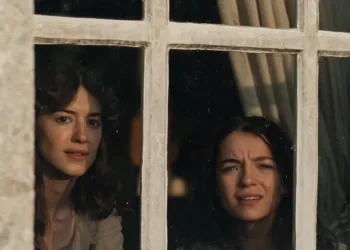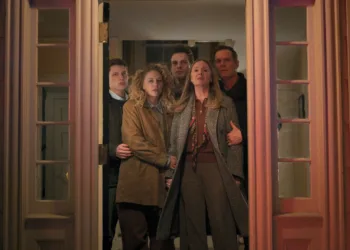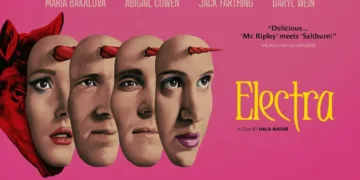
























Electra opens within a storied Italian palazzo, its vaulted halls and faded frescoes bearing witness to four outsiders: Dylan, ostensibly a music journalist; Lucy, his companion and camera‑wielding eye; Milo, the enigmatic rock star ensconced in performance; and Francesca, the daring artist whose gestures feel both rehearsed and raw. What begins as a routine profile assignment curves into a carefully choreographed con centered on a painting of hidden worth.
As chapters unfold, the palazzo becomes stage and snare, its echoing corridors amplifying the push‑and‑pull between deception and revelation. Shadows drift through candlelit dinners, then shatter under bursts of pantomime that fracture solemnity with wry humor. Matar’s choice to divide the story into discrete segments rejects simple chronology, demanding fresh calibrations of perspective.
Reflective surfaces and mirrored compositions return in repeated motifs, suggesting identity as fluid construct. Whispered confessions rub against performative excess, tracing lines from European auteur cinema to contemporary art‑driven drama. In her first feature, Hala Matar sets social performance against architectural history, then breaks that frame with theatrical flair. The tone slips between dark intensity and spirited invention, hinting at a director keen to explore tension between tradition and bold experimentation.
Segmented Echoes: Chapters as Cultural Mirror
Electra divides its narrative into discrete chapters, each heralded by a title that signals a turn in perspective or reality. This move echoes European art cinema’s flirtation with literary forms—from Visconti’s literary adaptations to Kiarostami’s chaptered parables—while nodding to videogame epics that segment quests into thematic acts.
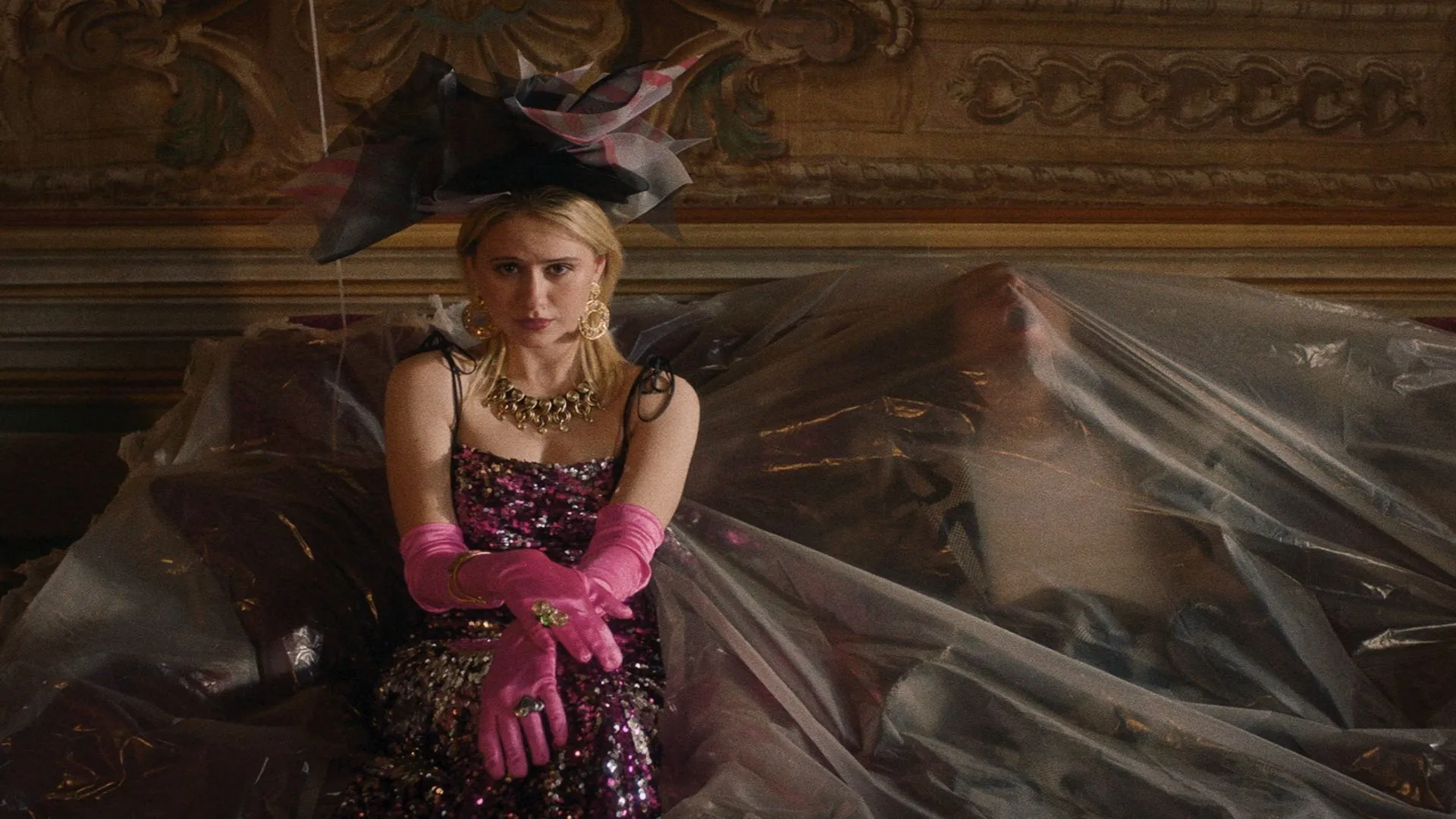
Title cards arrive like breathers, preparing viewers for tonal shifts: a playful pantomime here, a weighty confession there. By making each segment self‑contained yet linked by visual motifs—mirrors, corridors, frescoed ceilings—the film asks us to read its layers as one might decode levels in a cross‑cultural interactive narrative.
In the opening chapter, Dylan’s assumed role as journalist drapes him in familiar tropes: crisp questions, roaming camera angles and art‑house lighting that recalls Italian neorealism. Lucy’s lens captures every carved statue and gilded panel, reinforcing a documentary veneer. Underneath, subtle tells—furtive smiles, stilled breaths—hint at concealed agendas. As candlelight flickers across marble floors, props like a misplaced sketch or a stray wine glass begin to betray the charade. The shift feels organic, as though a well‑worn game interface suddenly reveals a hidden menu.
One early pivot occurs during the mirrored dance: Lucy and Francesca mimic each other’s movements beneath opulent murals, their synchronization suggesting shared strategy or impending betrayal. That scene mirrors a level‑swap mechanic found in role‑playing games, where two avatars trade skills for a brief window. Later, the backstory of the central painting unfurls in quiet flashbacks, revealing personal stakes that elevate it from mere MacGuffin to cultural touchstone. When suspense fractures into sudden violence, the film abandons playful theatrics for visceral impact, challenging viewers accustomed to polished capers.
Electra flirts with non‑linear glimpses—an echo of classic Pasolini jumps—then returns to present action without warning. Revelations drop in measured beats, withholding key details until we circle back to earlier moments with fresh eyes. That push‑and‑pull between past and present reframes every whispered promise and stolen glance.
By weaving chaptering, mirrored choreography and fractured time, Electra invites each audience to become interpreter, leaving us to wonder which layer will shift next.
Mirrored Identities on Stage and Screen
Dylan’s double life channels European con‑artist archetypes—think Ripley’s suave detachment in French cinema—while borrowing the shapeshifting ethos of modern role‑playing heroes. In his guise as interviewer, he stands tall, gestures measured; as Henry the thief, he shrinks into shadows, voice dropping an octave. Subtle shifts—a stalled breath before a smile, a flicker of tension in his shoulders—signal when he steps out of costume, much like a player toggling between stealth and dialogue modes in a global blockbuster.
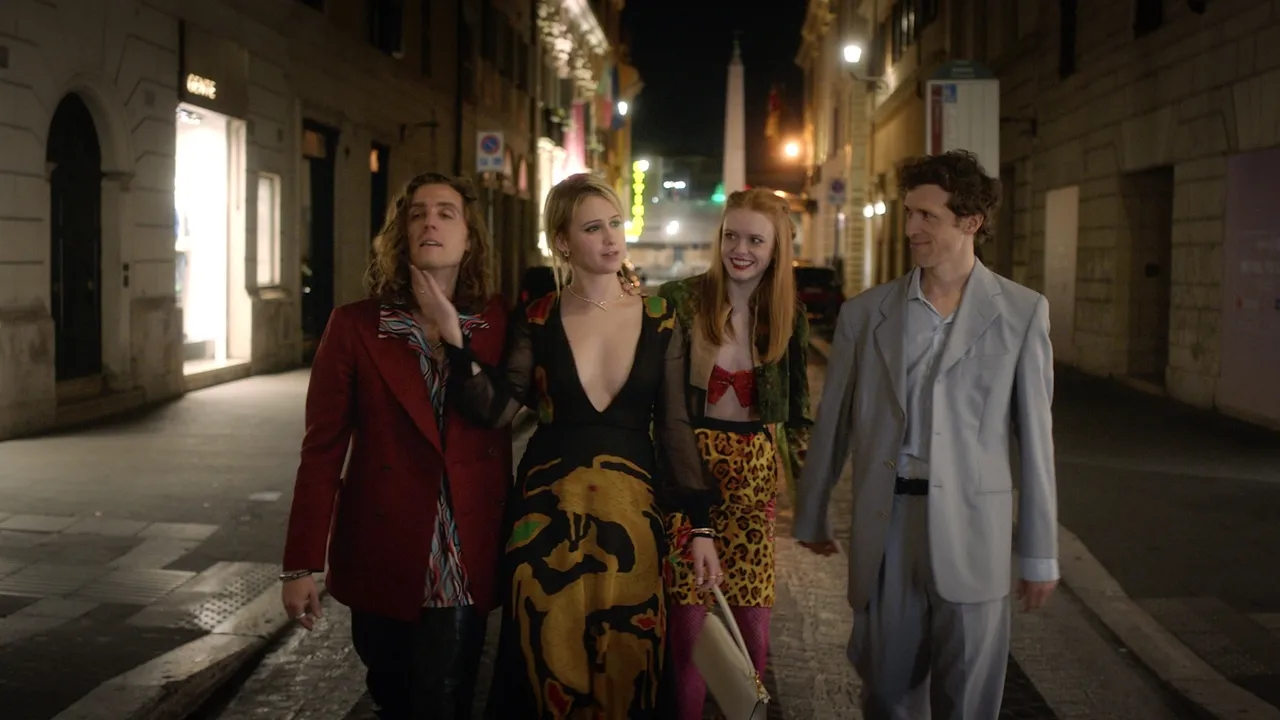
Lucy begins the film as documentarian, lens poised at aristocratic frescoes, embodying the impartial observer found in Italian neorealism. Gradually, she sheds that mask, seizing agency in conspiratorial whispers with Francesca. Their chemistry crackles like co‑op protagonists in an action‑adventure title, trading glances that become silent commands. Against Dylan’s guarded performance, her alliance with Francesca feels rooted in emotional urgency rather than strategy.
Milo occupies the frame with rock‑star magnetism borrowed from both Western biopics and Japanese visual kei theatrics. His lavish garments—striped jackets, gilded boots—become narrative props: every flourish asserts control. When he sidesteps Dylan’s questions, he resembles a quest giver who withholds key objectives until the player proves worthy, maintaining power over the unfolding story.
Francesca’s body is her canvas. Her performance art scenes evoke the boundary‑pushing spirit of global avant‑garde theatre, yet veer into intimate confession when she lowers her arms and lets the palazzo’s hushed walls witness a trembling smile. Those moments of vulnerability cut through her dramatic grandstanding, reminding viewers that artistry often masks fragile truths.
Together, the four create a dynamic quadrangle that hinges on shifting allegiances: one scene finds Lucy and Francesca united, the next finds Dylan and Milo at odds. Like an ensemble RPG where party members switch sides mid‑campaign, Electra’s cast keeps alliances unstable, forcing audiences to question who remains a partner and who becomes opponent.
Framing Doubles: Visual Storytelling in Electra
In Electra, Matar layers bold color schemes reminiscent of Fellini’s surreal sequences with Roeg‑style mirror work. Early scenes shimmer in warm candlelight, invoking Italian frescoes, then cool to steely tones as deceptions deepen. This dynamic shift echoes video games that alter visual filters when players enter different modes, hinting at hidden motives and emotional stakes without a single word.
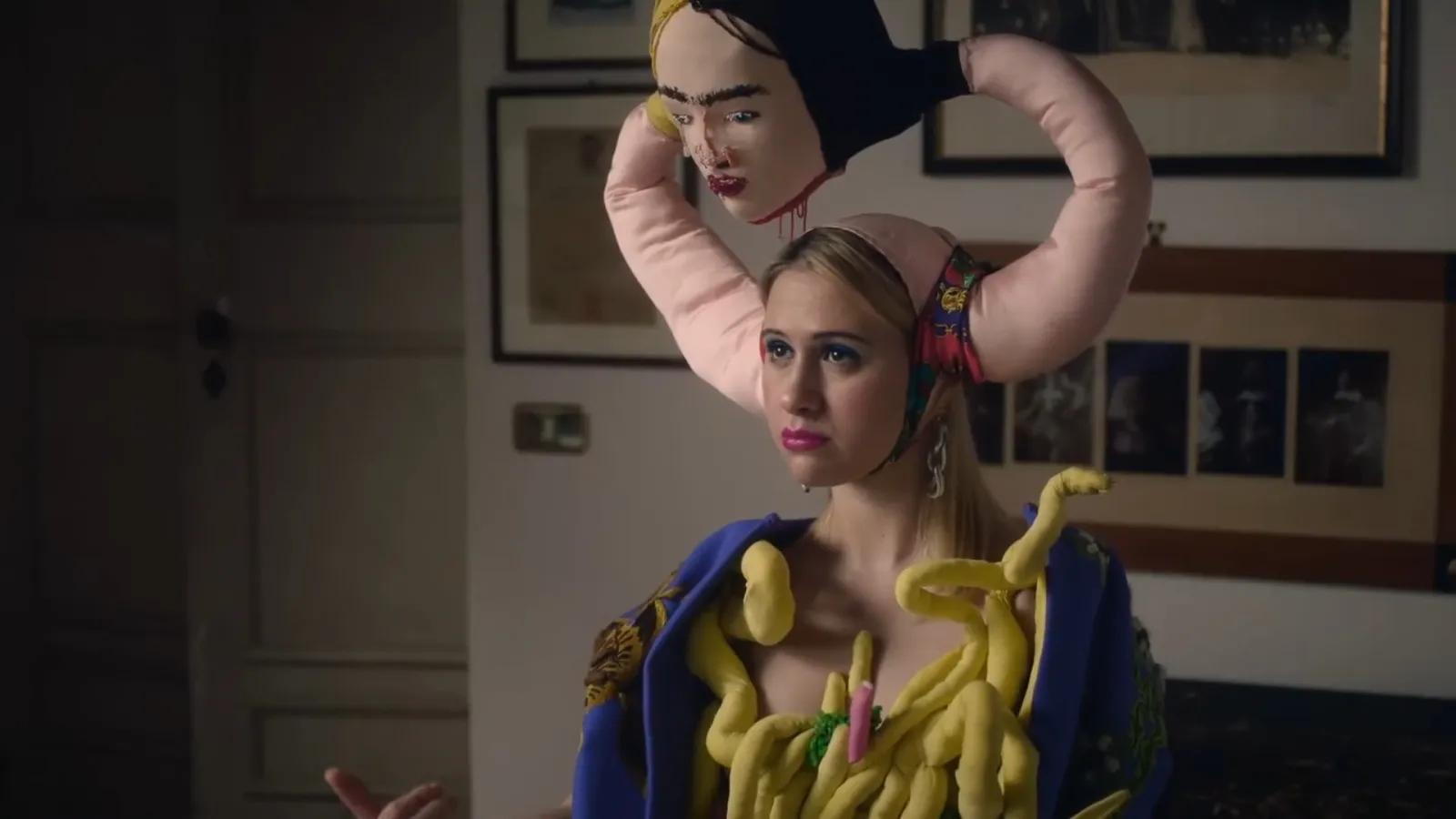
The palazzo becomes both stage and maze. Ornate doorways and mirrored niches recur in each frame, casting characters as performers within a global art installation. Wide lenses reveal cavernous halls—much like open‑world environments in interactive narratives—while tight compositions isolate individuals, underscoring their private agendas. Opposing corners of the frame often hold two figures, suggesting parallel storylines that only converge when the plot demands it.
Each segment begins with a visual marker—sometimes a handwritten title, other times a slow pan over silence—serving the same function as load screens in story‑driven games. These interludes cue shifts in viewpoint, from Lucy’s intimate close‑ups to Dylan’s detached wide shots, inviting viewers to adjust interpretations as new information emerges.
Matar weaves fluid tracking shots through echoing corridors, then halts into static tableaux that brim with tension. Handheld lenses capture whispered conspiracies as if spying through a keyhole, while deliberate zoom‑ins during ceremonial dinners transform every gesture into silent performance art. These choices reinforce a duality of intimacy and alienation, challenging audiences to decide which gaze they trust.
A Stage of Sound and Splendor
The Italian palazzo itself asserts presence, its vaulted corridors and frescoed ceilings functioning like interactive levels in a narrative‑driven game. Visitors wander beneath Renaissance murals as if unlocking hidden lore, while artifact‑filled chambers double as theaters for shifting identities. Each alcove becomes a moment of reveal, every echo carrying whispered conspiracies across time.
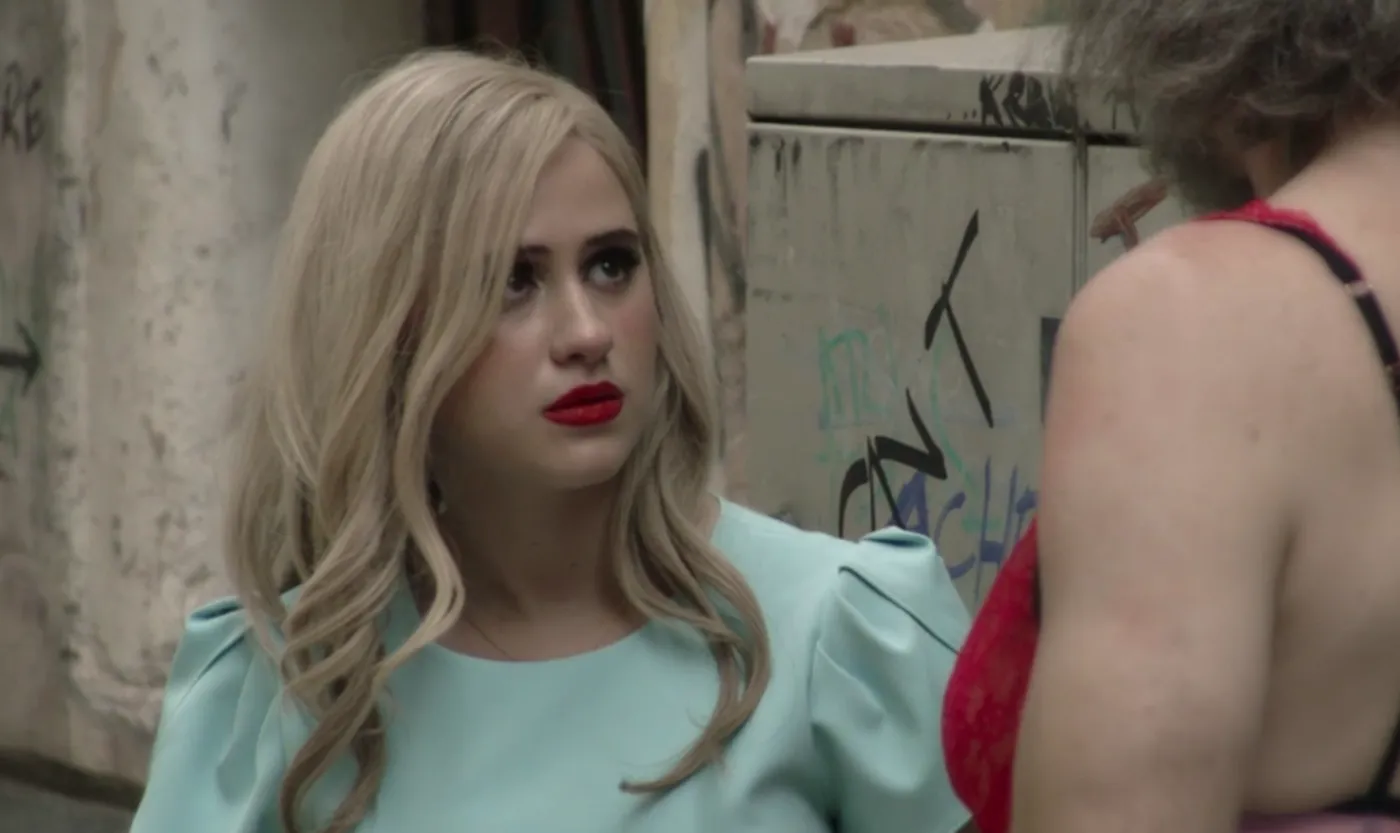
Costumes mark a passage from grounded realism to theatrical abstraction. In early scenes, Dylan’s tailored jacket and Lucy’s practical coat evoke journalistic tradition. As the plot deepens, Milo appears draped in a black‑and‑gold striped jacket that reads like a character skin in a Japanese RPG—bold, ostentatious, impossible to ignore. Lucy and Francesca’s matching gowns and colored wigs recall synchronized avatars, their mirrored movements underscoring shared ambition and hidden rivalry.
Sound design weaves classical motifs with unexpected punctuations. A string‑laced score surfaces during candlelit conversations, then yields to staccato percussion as tension ratchets upward. The pantomime dinner scene treats noise as spell: subtitles map faux chewing and clinking glass, while layered sound effects lend an absurdist comedy‑thriller feel akin to an experimental indie game’s diegetic audio.
Art objects and props carry quiet power. The central painting—its brushstrokes rich with Baroque detail—becomes sought treasure and symbolic anchor, its provenance hinting at ancestral dramas. Meanwhile, mundane items like wine glasses or a notebook take on heightened significance, repurposed into tools of seduction and subterfuge. Which of these crafted elements truly shapes the characters’ fates, and where does performance end and reality begin?
Veils of Self: Identity as Performance
Electra hinges on mirrored selves. Dylan’s whispered line, “There’s two of me and they cancel each other out,” ripples through every principal. That doubling recalls Japanese Nō theatre, where masked performers slip between characters, and Western RPGs in which avatars swap skins to reveal hidden motives.
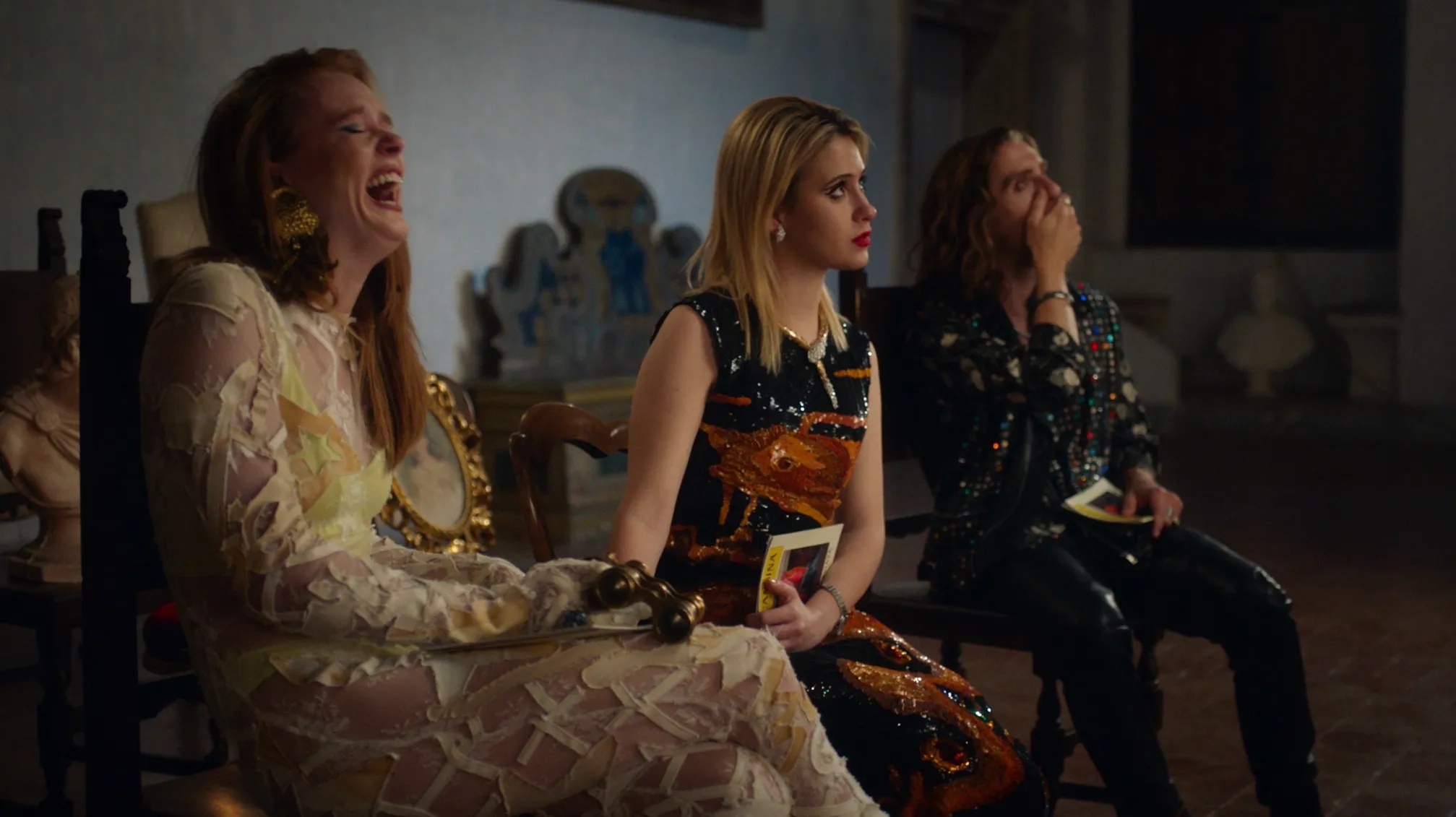
When Francesca professes, “Life is performance,” she frames existence as a staged venture. Characters adopt personas like players selecting classes, shedding one mask only to don the next. This obsessive imitation echoes Maria Bakalova’s choreography in each costume change, suggesting identity as a modular construct rather than fixed essence.
Shakespearean and literary shadows deepen the theme. Lucy’s recitation of Titania’s “forgeries of jealousy” bridges Elizabethan intrigue and modern con artistry, while the plot’s Tom Ripley echoes—an outsider forging ties to infiltrate aristocratic enclaves—draw a line from Highsmith’s Cold War America to an Italian palazzo. Such intertextual layers invite comparison to transnational narratives where imposture serves as social commentary, from Latin American magical realist dramas to European neo‑noir.
Every glance suggests spectatorship: who observes the con, and who remains unaware? Cameras within the film frame stretch the notion of fandom into surveillance, turning each shot into a question of self‑image. As characters watch themselves in mirrors and through lenses, the film asks whether authenticity ever survives performance, or if every life becomes a forgery in plain sight.
Rhythmic Shifts: Playful Echoes and Dark Crescendos
Electra’s most striking rhythm arises when levity collides with gravity. The pantomime dinner sequence, with its silent gestures and subtitle‑driven sound effects, cuts through candlelit tension like a sudden side quest in a sprawling RPG. Chapter breaks arrive as palate cleansers, each shift offering fresh tonal seasoning before the film slides back into shadowed intrigue.
Early scenes carry brisk momentum—Dylan’s journalistic probing and Lucy’s wide‑angle glimpses through frescoed corridors drive the story forward, much like tutorial levels in a genre‑bending game. Mid‑film, momentum eases into quieter beats, allowing character dynamics to simmer. Suspense resurfaces through costume swaps and hushed confidences, echoing swap‑skin mechanics in Japanese adventure titles that grant new perspectives on familiar terrain.
Moments of silence deepen unease. A static frame on a mirror‑lined gallery holds the eye as characters hesitate, their unspoken choices laden with threat. Stillness becomes a tool of suspense, heightening the impact when action finally erupts.
In the final act, playful misdirection gives way to abrupt violence—walls that once felt like private stages fracture under irrevocable acts. Shock ripples through each performer’s mask, altering audience sympathy in real time. Such oscillations between calm and chaos leave viewers poised on edge, wondering which rhythm will command the next scene.
Full Credits
Director: Hala Matar
Writers: Hala Matar, Daryl Wein, Paul Sado
Producers: Daryl Wein, Hala Matar, Jordan Beckerman, Jordan Yale Levine, Tommaso Bertani, Luca Cottafavi
Executive Producers: Tiffany Boyle, Nicholas Donnermeyer, Will Hirschfeld, Jason Kringstein, Scott Levenson, Elsa Ramo
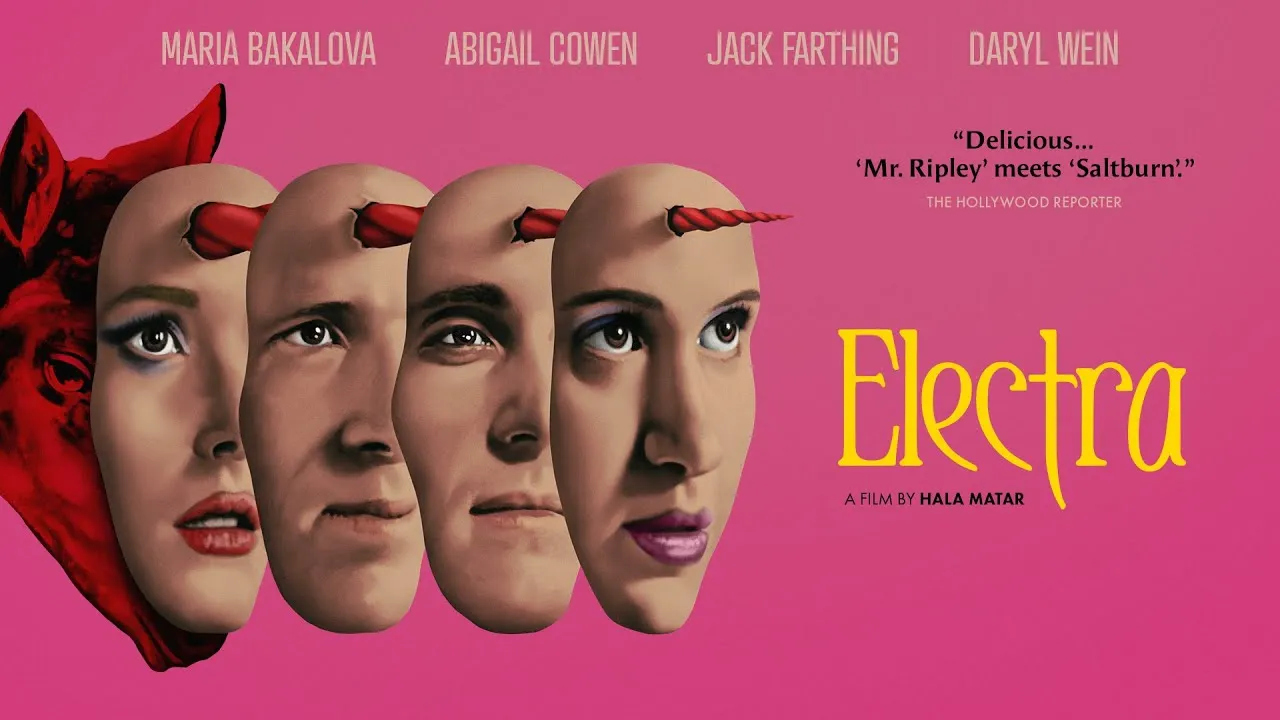
Cast: Maria Bakalova, Abigail Cowen, Jack Farthing, Daryl Wein
Director of Photography (Cinematographer): Michael Alden Lloyd
Editors: Matt Berardi, Spencer Rollins
Composer: Ali Helnwein
The Review
Electra
Electra’s stylish playfulness and dark undercurrents forge a provocative interplay, urging viewers to question where performance ends and reality begins. Hala Matar’s disciplined chaptering and mirror‑laden compositions shape a caper that unsettles as much as it delights. Tonal shifts occasionally jar, but the film’s visual daring and thematic depth leave a lingering echo.
PROS
- Visually inventive use of the palazzo as shifting stage
- Performances that fluidly blur truth and artifice
- Chaptered structure keeps narrative unpredictable
- Thematic depth around masquerade and self‑forgery
- Sound design that punctuates mood with wit and tension
CONS
- Tonal shifts occasionally feel abrupt
- Midsection pacing eases too much of the urgency
- Final act’s sudden violence can unsettle without build‑up
- Complex chapter breaks may disorient some viewers