






























From the moment Morgan Lee awakens chained in a blood‑spattered corridor, the objective is clear: ascend through floor after floor of deadly arena combat. At its heart, KIBORG delivers fast‑paced, third‑person brawling wrapped inside a roguelite structure, where each failure powers the next run.
Morgan Lee, wrongfully condemned to a 1,300‑year sentence, inhabits a dystopian tower governed by a sadistic host. Death serves as fuel—defeat unlocks “data,” the currency that lets you upgrade cybernetic implants, boost combat stats, and unlock new combos before diving back into the fray.
Combat hinges on mastering lock‑on targeting, juggling light and heavy attacks, and deploying both melee weapons—from buzzsaws to battle axes—and ranged firepower. A visible skill tree channels data into permanent enhancements, while random floor rewards let you tweak builds with implants and mutations that alter dodge, damage, or defense.
Sobaka Studio releases KIBORG on April 30 for PC and consoles. It appeals to those who crave kinetic action, tactical customization, and the satisfaction of incremental mastery. Fans of Arkham‑style combat or bullet‑hell roguelites will find familiar thrills, but KIBORG’s relentless intensity and implant‑driven builds carve their own path. Its swift pace tests reflexes while its meta‑progression demands long‑term strategy.
Mastering the Arena: Combat Foundations & Controls
KIBORG’s core combat channels classic beat ’em up sensibilities through a light‑versus‑heavy attack system. Light strikes chain into swift flurries, while heavy attacks deliver ground‑shaking slams—after unlocking the area‑slam upgrade, your heavy swings will send nearby foes flying. Combos unlock gradually, rewarding precise timing with bonus damage against tougher enemies. Each arena wave feels structured like a Gauntlet challenge, pitting you against increasing numbers of foes in familiar, room‑by‑room encounters.
Traversal relies on a lock‑on mechanic that echoes the Arkham series’ snap‑to targeting. Holding the lock button launches Morgan into the nearest enemy, letting you fluidly bounce between targets. Outside of lock‑on, a responsive dodge and sprint combo offers fast lateral movement. With specific implants—such as the Thundergod set—the standard dodge transforms into a teleport, granting instant repositioning for hit‑and‑run tactics.
Defensively, players juggle parry and block windows against relentless assaults. Parrying on time yields a brief counterattack opportunity but missing that window leads to heavy stagger. Dodge timing carries lower risk, yet poor positioning can still leave you cornered. Implant choices can tilt this balance—once I equipped the Blur set, quicker recovery frames made dodging feel as reliable as a parry in other brawlers.
The control scheme adapts seamlessly between PC and controller. Default bindings map light, heavy, dodge, and lock‑on cleanly, while the practice hub area previews each mechanic before actual runs. On‑screen prompts guide initial encounters, keeping the learning curve gentle without overwhelming first‑time players.
Enemy rosters shift from common inmates into elite variants wielding shields or freezing attacks—one arena full of freeze‑punch drones tested whether my build could survive crowd control. Visual cues like a glowing aura warn of charged attacks, while distinct audio clips signal when a boss readies a room‑clearing slam.
Difficulty climbs steadily: early floors serve as a tutorial with manageable waves, whereas higher levels introduce faster foes and tougher elites. Between floors, branching reward paths force players to choose data, weapons, or implants—mirroring Hades’ boons system by shaping each run’s challenge profile.
Progression & Customization: Crafting Your Cyborg Build
Every attempt in KIBORG rewards you with data, the meta‑currency that fuels permanent upgrades in a sprawling skill tree. You invest data into distinct branches—weapon proficiency, implant mastery, health boosts, resistance buffs, and combo unlocks. There’s no single “correct” path: you might prioritize starting runs with a firearm or pour points into heavier slams and brutal light‑attack chains. This freedom lets you experiment run after run, refining your build to suit personal playstyle.
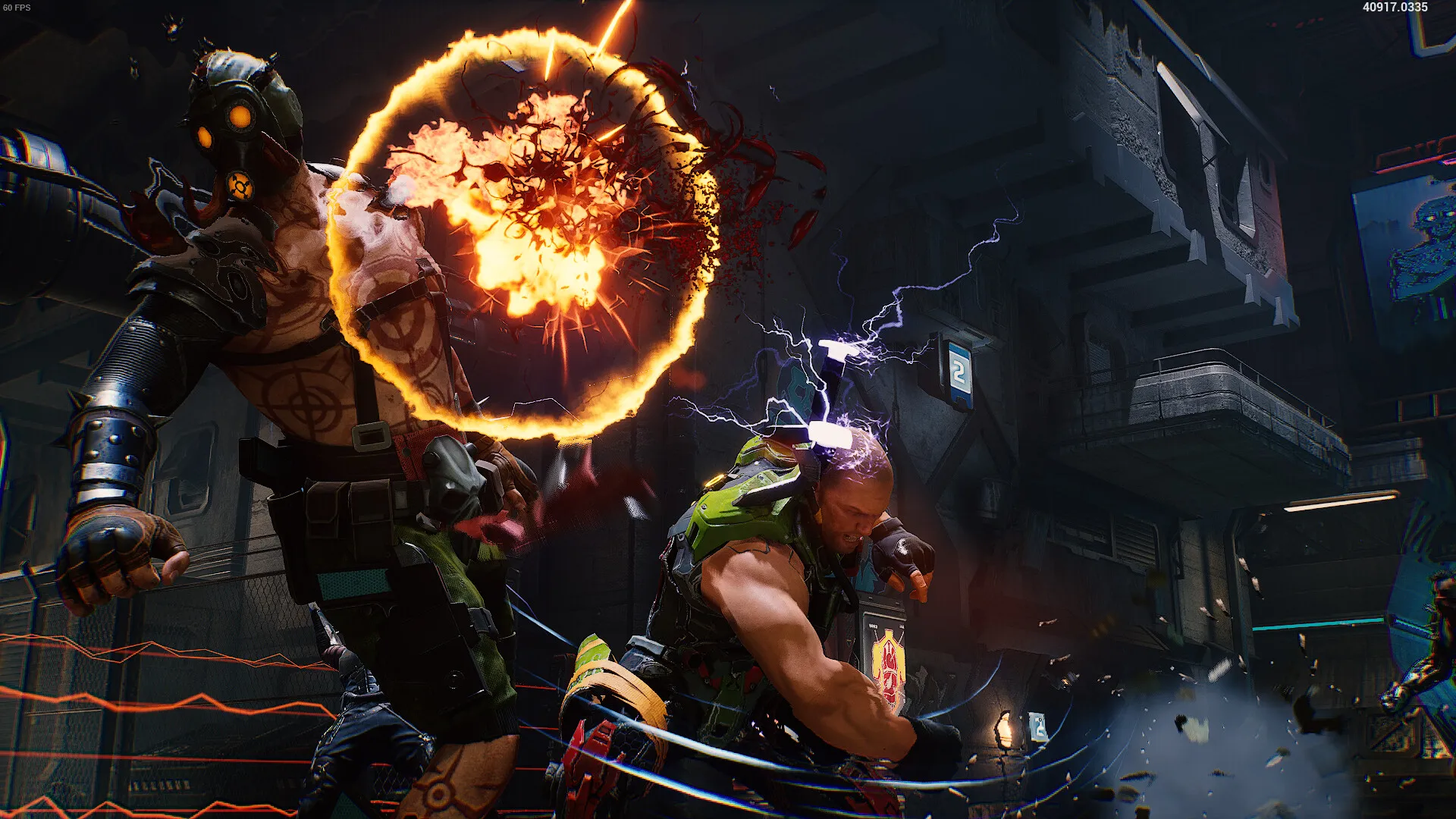
Cybernetic Implants define Morgan’s combat identity. Seven slots—head, torso, arms (×2), legs, spine, heart—each accept one implant. At run start, you choose among three random implants unlocked via the tree; occasional elite drops grant extras mid‑run. Matching set pieces yields bonuses: the Thundergod set adds electric damage and replaces dodge with teleport, Blur accelerates recovery frames, Fenrir infuses melee weapons with cold damage and durability, and Gunslinger amplifies ranged firepower and reload speed. Secondary stats—critical chance, stamina regen—stack when multiple set pieces align, fostering powerful synergies.
Weapons & Pickups further diversify each run. Melee options span dual buzzsaws, road signs, jet hammers, blades, and battle axes, each with its own durability and upgrade path. Ranged arsenals include shotguns, rifles, and rocket launchers; ammo is scarce, so every pickup decisions carry weight. Durability upgrades let melee weapons last through tougher waves, while ammo capacity boosts keep you firing when crowds grow thick.
Augmentations & Decision Points layer on extra complexity. Mutations grant passive perks—higher max health or faster energy gain—while imposing trade‑offs such as disabled ranged usage or reduced resistance. Between floors, you face branching rewards—data versus weapons versus implant tokens—forcing strategic choices. Rejecting an implant in hopes of a better piece mimics a high‑risk gambit, since runs only offer a handful of implant picks. These decision moments echo rogue‑lites like Hades, where each fork reshapes the run’s challenge and potential.
Precision and Momentum in Combat Systems
KIBORG greets each strike with spark particles, screen shake, and a punchy audio thud that rivals Arkham City’s visceral hits. Impact timing adds a rhythm‑game feel—linking light→light→heavy strikes delivers a rewarding staccato when executed smoothly.
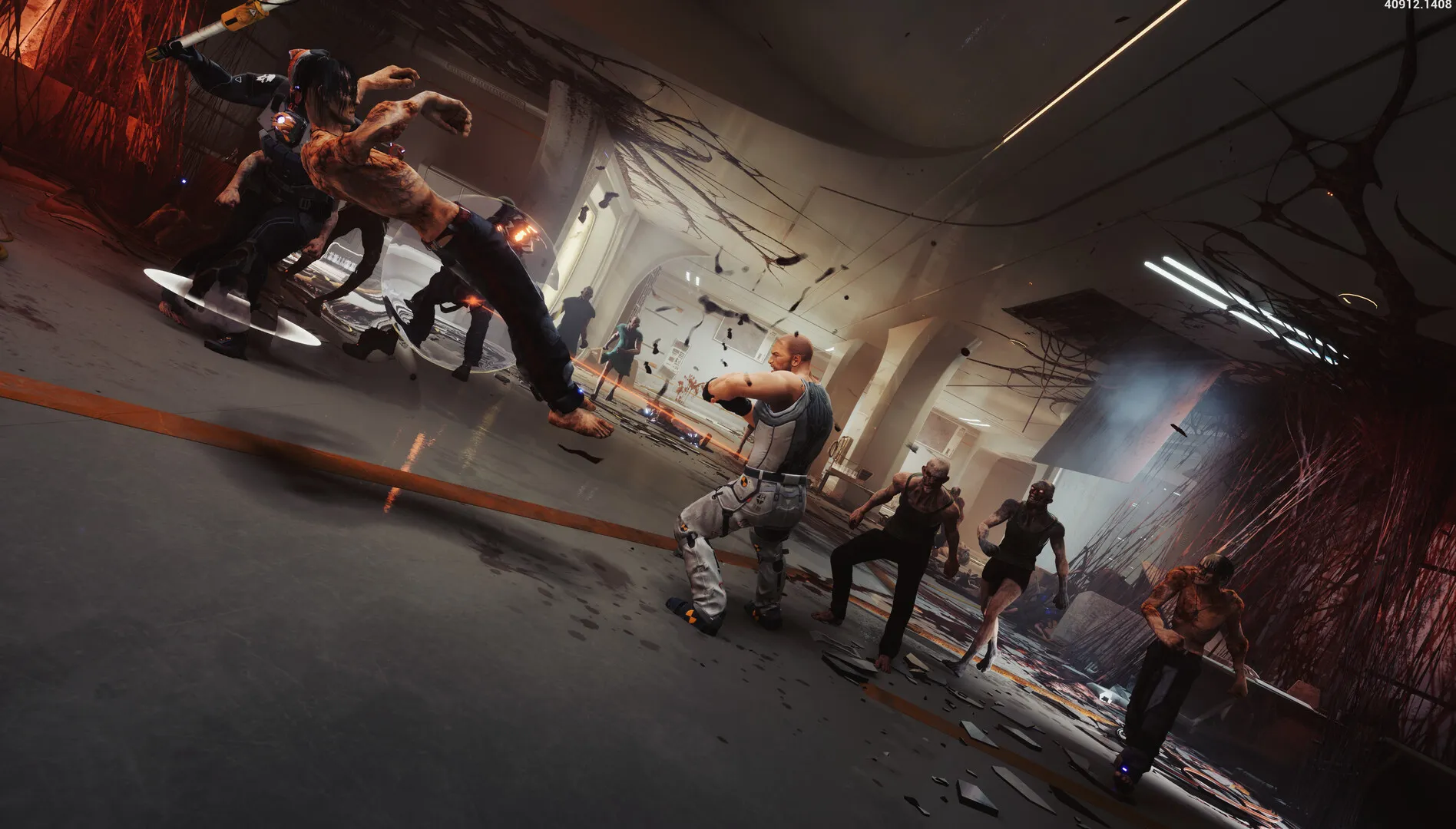
Holding the lock button snaps Morgan to the nearest foe, letting you chain aerial slams across a small group. It shines in sparse arenas but can feel floaty when enemies cluster tightly, leading to occasional swings that miss their mark.
Unlockable combos layer depth into encounters: early chains of two lights into a charged smash shatter shields on minibosses. Against standard grunts, I often opt for basic strings, reserving advanced combos for high‑value targets to maximize damage efficiency.
Dodge grants brief invulnerability; parry demands razor‑sharp timing but yields stagger opportunities. Slotting the Thundergod teleport implant replaces dodge frames with instant repositioning, shifting risk toward spatial control rather than pure frame advantage.
Standard waves mix melee thugs, stun drones, and snipers. One arena packed with freeze‑punch drones taught me that teleporting past them often beats parrying. Elites broadcast themselves with brighter auras and slower wind‑ups, giving fair warning before dropping coveted implant rewards.
Boss fights unfold like arena puzzles: glowing forearm cues signal heavy charges, so dodging under their arc becomes critical. Checkpoints always place you outside each boss chamber, preventing repetitious backtracking.
Early floors feel forgiving; later levels punish sub‑optimal builds. Run viability hinges on RNG picks and build strategy—similar to Hades’ boons system—so missing a key arm implant by floor seven can derail hours of progress.
Visual & Audio Presentation
KIBORG paints a gritty, neon‑tinged dystopia with sharply detailed character models. Labs, cells and arena chambers each carry distinct textures, yet running through similar corridors can blur their identity—unlike Arkham City’s clearly varied districts, these floors begin to feel familiar too quickly.
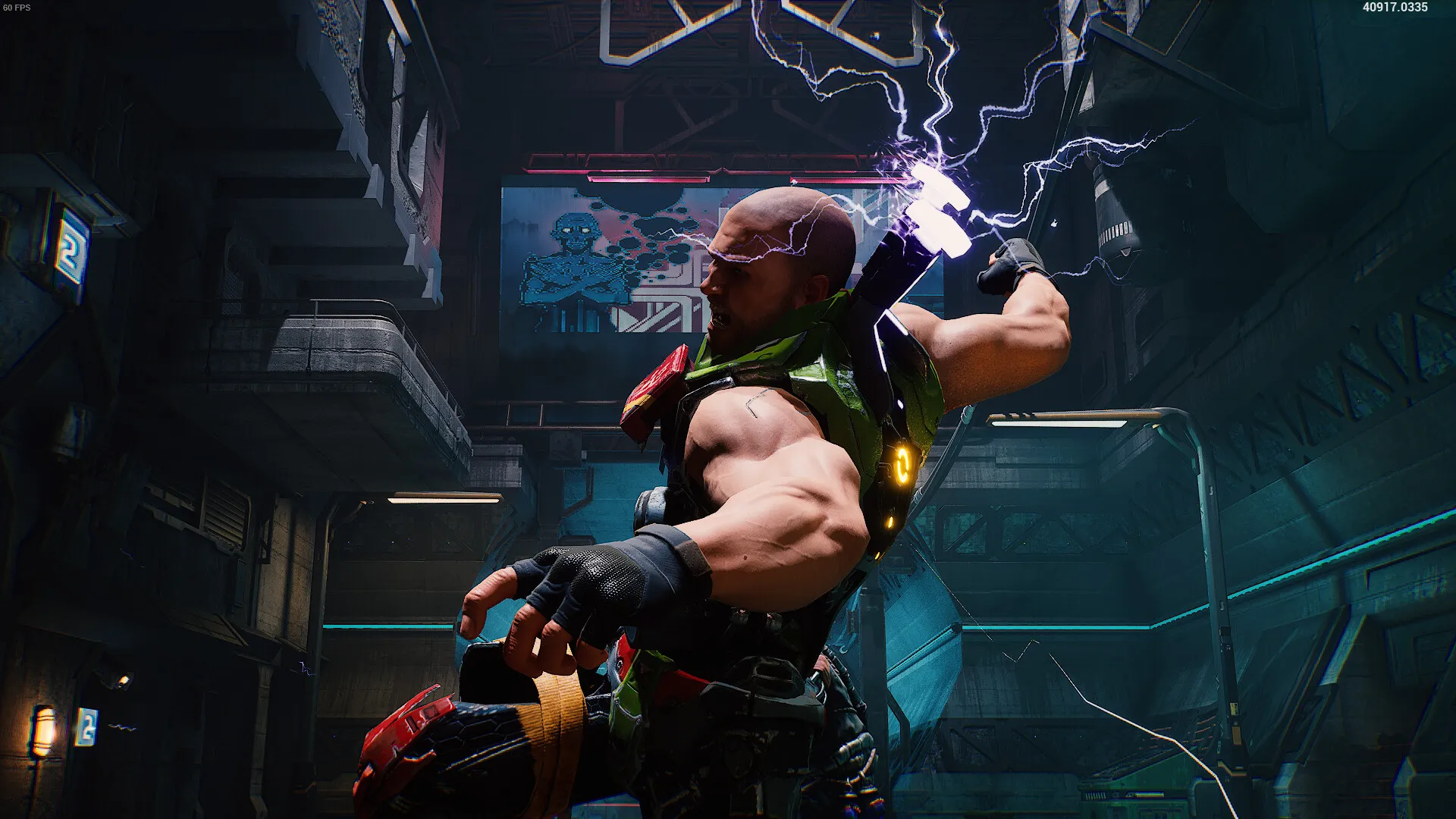
Attack transitions flow smoothly, with heavy slams punctuated by brief slow‑motion jolts that emphasize impact. Particle bursts on energy strikes and weapon special moves deliver satisfying visual feedback, recalling the polished flair of Devil May Cry’s cinematic combos.
On PC, frame rates remain rock‑solid even amid dozens of foes; the Steam Deck version drops resolution slightly yet preserves responsiveness. Default graphics settings strike a balance between crisp visuals and fast action, preventing noticeable slowdowns when sparks and gore effects multiply.
The skill tree presents upgrades in a clear node‑based layout, while in‑run HUD elements—health bar, ammo count, implant slots—stay unobtrusive. A simple progression map between floors reinforces your run’s trajectory without cluttering the screen.
A driving electronic score underpins each encounter, its pulsing beat syncing with fight tempo. Weapon impacts register with metallic clanks, and ambient dungeon hum fills quieter moments, keeping tension steady.
Volkov’s theatrical taunts inject character but repeat so often they lose punch. The AI guide delivers concise tips, though its lines can be cut off by overlapping triggers, undercutting crucial context.
Forging Lore in a Tower of Violence
KIBORG drops you into a futuristic prison tower repurposed as a brutal reality show. Morgan Lee arrives branded a war criminal, yet each resurrection inches him closer to understanding how he landed in this brutal spectacle. The setup recalls Hades’ death‑loop narrative, where falling only unfolds more of the backstory.
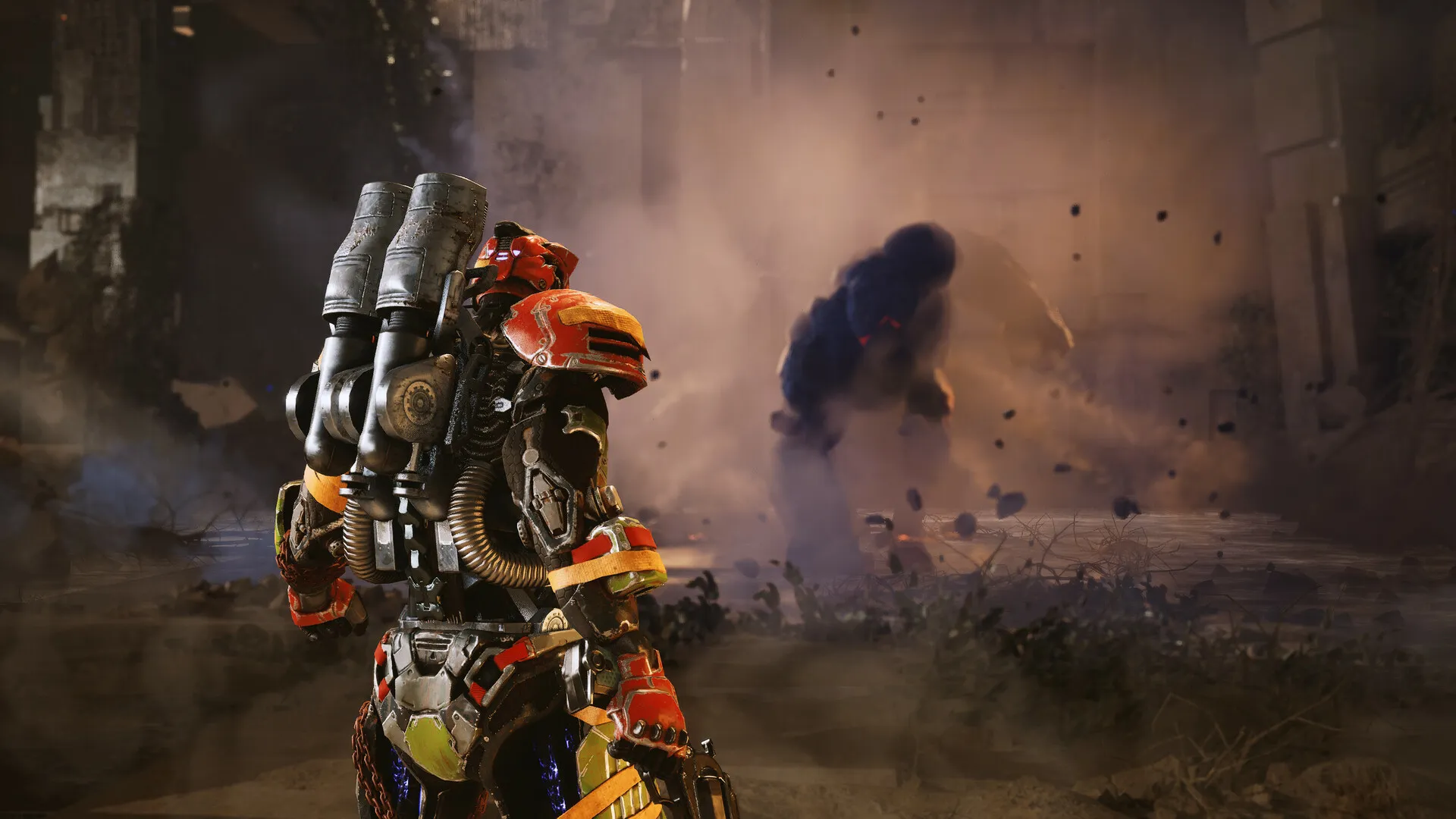
Story details emerge in two ways: brief AI‑guide interludes during runs and milestone cutscenes unlocked upon reaching higher floors. The guide’s succinct directives, however, suffer when clipped by Volkov’s door‑triggered taunts—at times, crucial context vanishes under overlapping dialogue. Environmental hints fill gaps: blood‑smudged cell bars suggest prior failed escape attempts, while flickering lab consoles hint at twisted experiments on past inmates.
Morgan himself remains silent, a cipher whose motives surface through these fragments. In contrast, Volkov delivers melodramatic monologues, his voice teetering between theatrical and grating—he channels GLaDOS without the wit, looping the same lines after every death. This dynamic mirrors titles like Bioshock, where an overbearing host colors player actions with sardonic commentary.
Tone holds steady in grim territory with ironic flourishes—chemical‑stained walls glow under neon lights, and the occasional quip from the AI guide lightens tense moments. By tying resurrection explicitly to “data” upgrades, each death feels narratively justified rather than arbitrary, and reaching key floors unlocks story beats that reinforce your progress through this violent gauntlet.
Staying Power & Replay Hooks
Runs through KIBORG average around fifteen floors, with each attempt taking roughly ten to fifteen minutes. Branching paths between floors—choosing data, weapons or implants—inject short‑term variety, so no two runs feel identical. Early efforts serve as tutorials in pacing; later floors push you to refine strategies under time pressure.
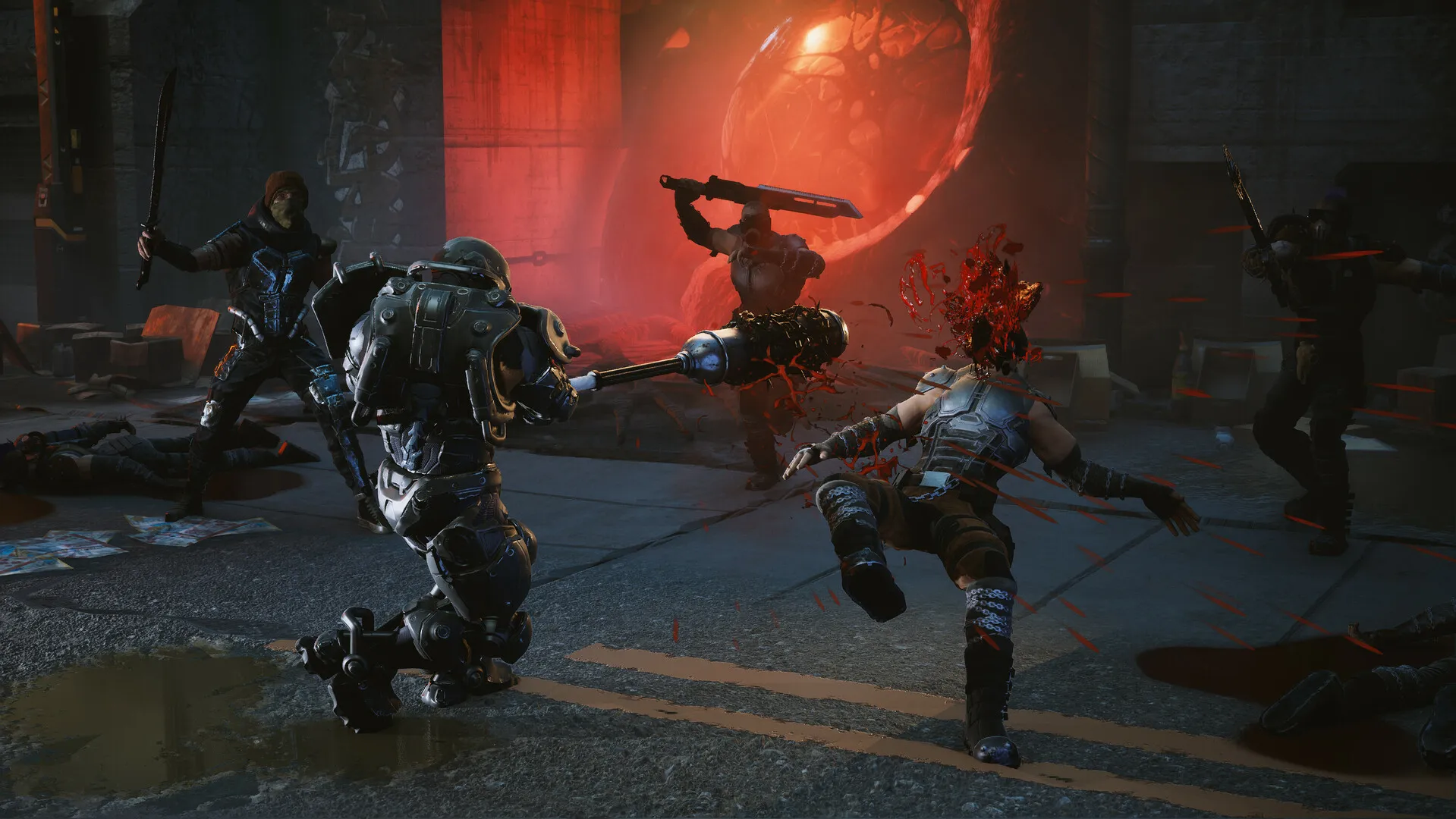
Beyond climbing the tower, the visible skill tree beckons with dozens of unlocks. As you funnel data into new combos, health boosts or implant slots, each run inches you closer to full customization. Once you reach the requisite floor milestone, you unlock Arena mode, a timed challenge that tests optimized builds under relentless waves.
Hats and skins link directly to implant‑set milestones and difficulty feats. Earning the crown for completing the hardest mode demands a full set of implants in one run—a task made fiendishly tricky by only seven implant picks and randomized drops. These cosmetic goals drive many players back into the fray, even when stat upgrades plateau.
Build diversity remains a highlight: mixing Thundergod’s teleport dodge with a rapid‑fire shotgun yields vastly different tactics than pairing Fenrir cold damage with a heavy slam. Yet RNG can derail favored synergies, so solid planning and adaptive play prove essential.
Expect about ten hours to reach the top floor. For those chasing every node on the tree and cosmetic reward, plan on fifty-plus hours. KIBORG suits fans of gritty brawlers and roguelites who value high‑risk runs. Players seeking straightforward campaigns or guaranteed progression may find its RNG‑driven loops trying.
The Review
KIBORG
KIBORG delivers relentless, weighty combat wrapped in a deep progression loop, where each defeat fuels more potent builds. Its beat‑em‑up mechanics land with satisfying impact and its cybernetic customization keeps runs engaging. Repetitive arenas and RNG‑driven stalls can break pacing, and recurring voice lines wear thin. Still, its core gameplay and long‑term unlocks offer a strong incentive to return.
PROS
- Satisfying impact with lock‑on combat and cinematic slams
- Deep customization via implants and a flexible skill tree
- Smooth performance on PC and Steam Deck
- Wide array of melee and ranged weapons
- Driving electronic soundtrack that boosts fight intensity
CONS
- Environments can feel repetitive after multiple runs
- RNG sometimes blocks key implant pieces
- Volkov’s voice lines grow tiresome with repetition
- Only seven implant slots per run restrict build variety
- Late floors stall pacing when builds aren’t optimized