
























![Kingdom Hearts Collection [I-III] Review](https://gazettely.com/wp-content/uploads/2026/10/Kingdom-Hearts-Collection-I-III-1-360x180.webp "Kingdom Hearts Collection [I-III] Review: KHII Holds Steady as Newer Entries Fluctuate 37")



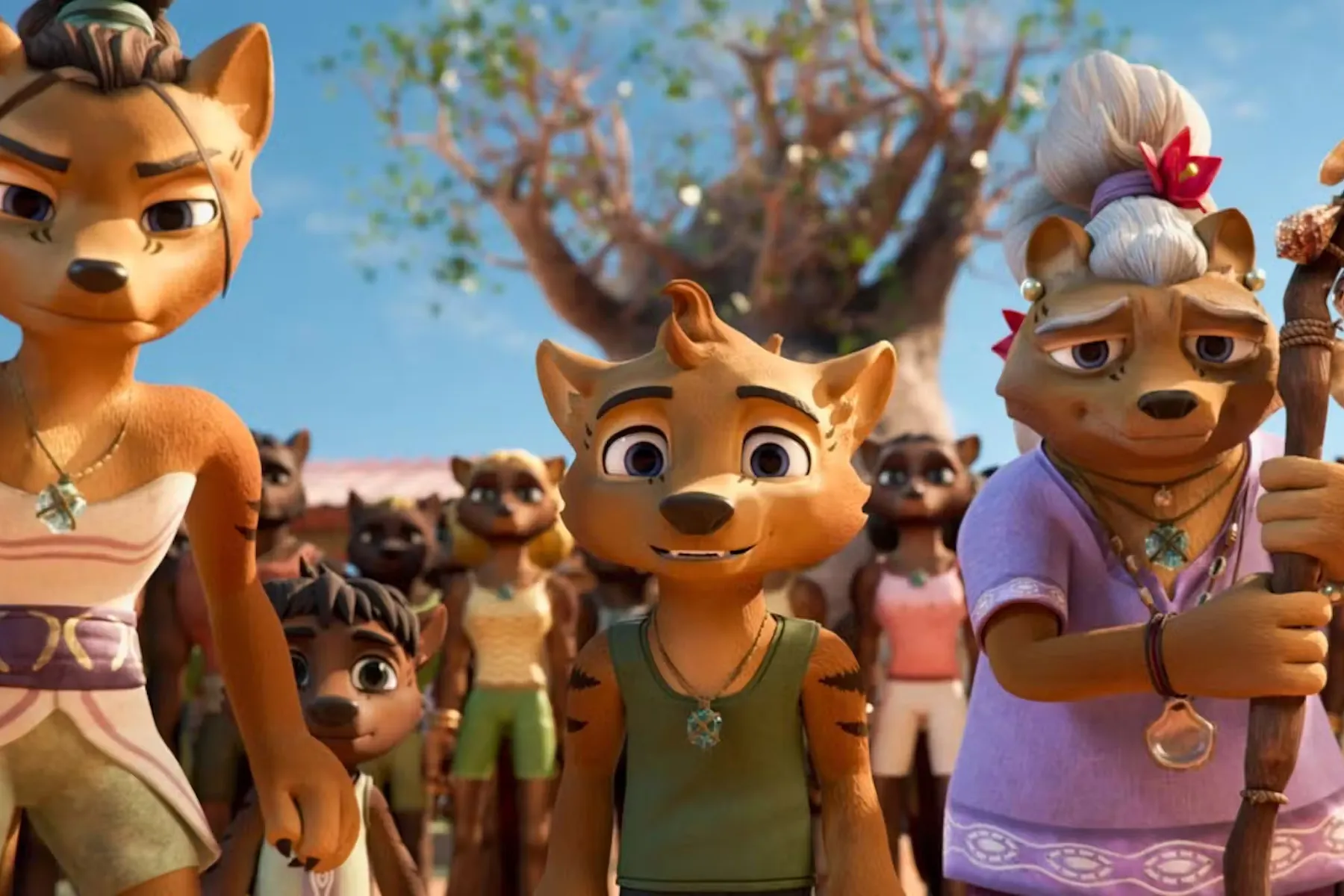

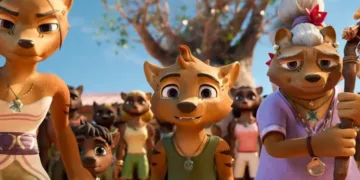
The Lost Tiger opens with an abandoned joey, Teo, discovered and adopted by Kara and Red, the kangaroo duo at the heart of a travelling wrestling troupe. Under director and co‑writer Chantelle Murray’s guidance, the film positions this makeshift family against sweeping bushland vistas crafted by Like a Photon Creative. As Australia’s first animated feature written and directed by an Indigenous woman, it stakes a claim for fresh perspectives in global animation.
Murray’s narrative choice—a thylacine protagonist raised by macropods—echoes themes in parallel cinemas worldwide that explore hybrid identities. Teo’s wonder at museum exhibits, where Rhys Darby’s Plato identifies him as one of the last Tasmanian tigers, shifts the tale from lighthearted spectacle to a meditation on lost heritage. This balance of playful wrestling sequences and weighty cultural inquiry reminds viewers of recent world‑cinema efforts to blend genre entertainment with deeper questions of belonging.
Visually, the film honours traditional Indigenous connections to land: desert reds give way to rainforest greens, each frame evoking Australia’s diverse ecosystems. Murray employs a “stepped‑key” animation style—12 frames per second—that nods to stop‑motion traditions while embracing digital tools. Teo’s quest—whether to remain with his adoptive family or seek his ancestral homeland—serves as the central inquiry, inviting audiences to consider how roots shape identity across borders.
Narrative and Structure: Mapping Teo’s Odyssey
The Lost Tiger introduces us to Roomania, a colourful kangaroo family whose travelling wrestling shows double as community gatherings. Through wide panoramas of red earth and scrub, the film establishes an Australia that feels both familiar and mythic. Teo’s adoption by Kara and Red unfolds naturally in these road‑bound sequences, his striped fur a clear marker of otherness amid bouncing marsupials. Early scenes hint at Teo’s outsider status through subtle editing choices—lingering close‑ups on his longing gaze as he watches the troupe’s acrobatic routines.
A museum visit brings the narrative into sharper focus. When Plato the platypus identifies Teo as a thylacine, the story pivots from playful spectacle to self‑discovery. The use of jump cuts between exhibit displays and Teo’s wide eyes creates a sense of revelation akin to the montages in Bollywood coming‑of‑age tales, where hero and heritage collide. Teo’s decision to pursue Tiger Island emerges organically, prompted by an interplay of curiosity and ancestral yearning.
As Teo and Plato traverse varied ecosystems—dusty outback passes, emerald wetlands—the film adopts elements of the global road movie, recalling parallels in Indian parallel cinema that marry landscape and identity. A dream‑like time‑slip transports Teo to his mother’s final moments, using a soft focus and slow‑motion to underscore emotional weight. This tonal shift deepens the stakes, much like pivotal flashback sequences in art films that root a hero’s motivations in personal loss.
The Adventurer’s Guild, led by Quinella, pursues the crystal that guides Teo’s journey. Crosscutting between the family’s frantic search and the Guild’s scheming imbues the chase with urgency. Quinella’s gleeful close‑ups and staccato musical cues contrast with the film’s pastoral calm, echoing editing rhythms in international thrillers.
On Tiger Island, a kaleidoscope of colours and rapid framing marks the showdown. Teo’s rescue of his ancestral kin blends kinetic wrestling moves with symbolic gestures—embracing family under eucalyptus canopies.
Teo’s choice to honour both families plays out through parallel montage: one half showing him at home with Kara and Red, the other among thylacines on the island. The balanced editing and harmonious score suggest cultural continuity, leaving open how his dual identity will evolve.
Roots and Reckoning: Thematic Currents in The Lost Tiger
Teo’s struggle to claim a place reflects themes in Indian parallel cinema—portraits of characters torn between tradition and upheaval. Raised by Kara and Red, he oscillates between adoptive warmth and ancestral bonds. When Plato unmasks his thylacine lineage, the narrative recalls diaspora tales such as Mira Nair’s The Namesake, where heritage reveals both tether and freedom. Visually, Murray frames Teo’s hesitation in medium‑shots that contrast the troupe’s boisterous arenas with the museum’s hushed galleries, while the score shifts from lively rhythms to ancestral motifs, signaling an inner crossroads.
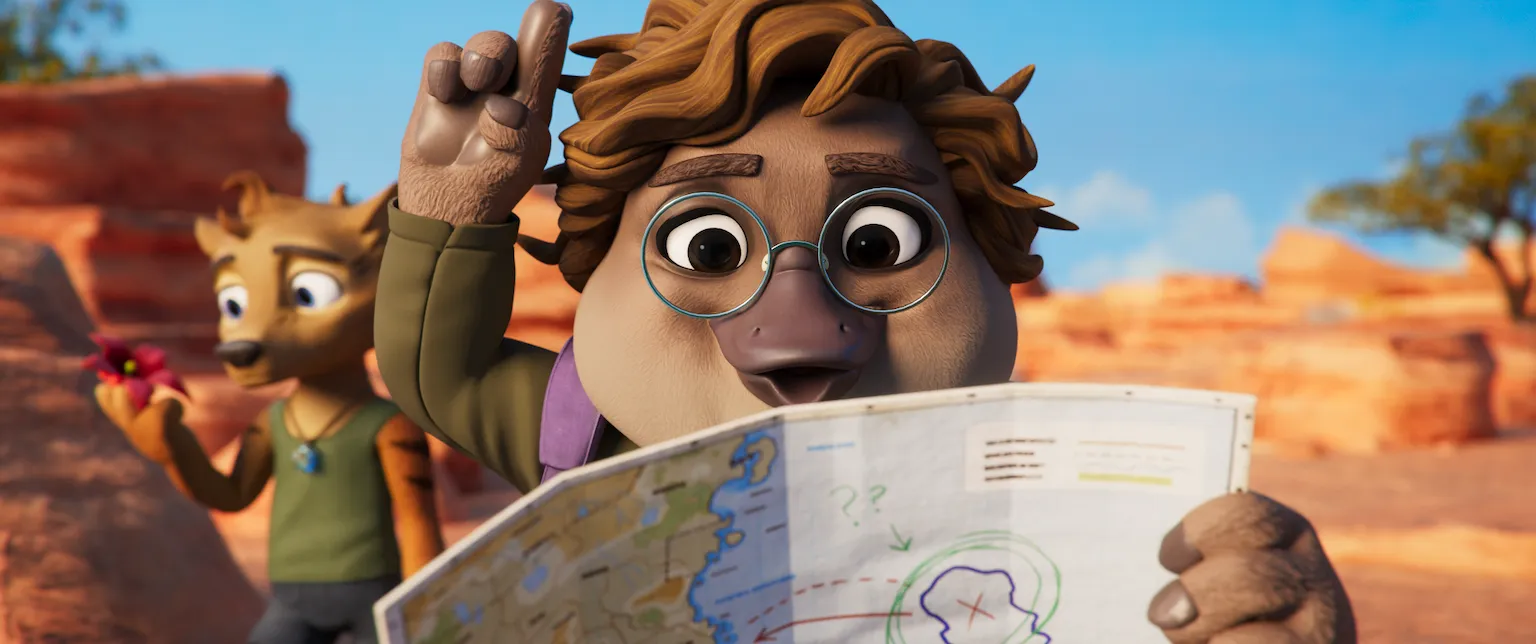
The extinction of Tasmanian tigers functions as collective memory, akin to how regional Indian films archive endangered crafts and dialects. Murray stages a dream‑like time‑slip—slow‑motion and soft focus—transporting Teo to his mother’s final moments, a sequence that resonates with flashbacks in art films, cementing lineage as guiding force.
Quinella’s Adventurer’s Guild channels colonial histories embedded in South Asian consciousness, her museum‑hungry gaze echoing imperial‑era explorers depicted in Lagaan. Quick crosscuts between her gleeful close‑ups and Teo’s solitary frames underscore an exploitative gaze. Each bid to seize Tiger Island’s crystal mirrors resource extraction, prompting resistance that aligns with environmental narratives in Kadvi Hawa.
Family extends beyond bloodline. Teo’s bond with Nana forms an intergenerational bridge—her voice‑over weaving memory and myth, as in Taare Zameen Par’s mentor‑child bond. Thoughtful match cuts link Teo’s dream visions to Nana’s embrace, reinforcing cultural continuity. Chosen family emerges as an enduring theme, showing how devotion and remembrance sustain identity, whether in Australia’s Outback or Bombay’s backstreets. Editing by Tania Vincent ensures that each transition between Teo’s childhood games and island ceremonies feels seamless—a visual metaphor for integrating dual identities.
A Chorus of Voices: Character and Performance
Teo’s journey is anchored by Thomas Weatherall’s heartfelt delivery. In early scenes, his bright enthusiasm—expressed through light, staccato rhythms when cheering in the wrestling ring—gives way to a softer, reflective tone during the museum revelation. Weatherall modulates pitch and pace as Teo learns of his thylacine heritage, lending authenticity to his shift from playful outsider to determined seeker.
Kara and Red, voiced by Nakkiah Lui and Jimi Bani, embody parental care with well‑timed humour. In the troupe’s backstage banter, Lui’s warm laughter contrasts Bani’s protective rumble, each line landing with comic ease yet never undercutting genuine concern when Teo departs. Their chemistry recalls the affectionate duos in Bollywood family dramas, where dialogue pulses with both warmth and energy.
Rhys Darby’s Plato provides levity and pathos. His boastful proclamation at the museum—issued in rapid fire—gives way to vulnerability when he confesses fear of failure. That interplay of bravado and self‑doubt reflects the layered sidekicks of international comedies.
Celeste Barber’s Quinella is mischievously sharp, her clipped tones satirising trophy‑hunters. In confrontation scenes, Barber tilts her voice upward, signalling gleeful menace. Rahmah Binte Buyong as Nana offers a grounding presence; her measured cadence during the dream sequence gives history a gentle weight.
Brief supporting roles—from museum curators to island kin—are voiced with clear intent, each adding texture to Teo’s world and underscoring how every actor, major or minor, shapes the film’s emotional landscape.
Frame by Frame: Visual Poetry in The Lost Tiger
Murray’s choice of stepped‑key animation—12 frames per second—lends each movement a deliberate, tactile quality. This pose‑to‑pose method echoes stop‑motion techniques seen in Indian art‑house animations, where slight visual pauses heighten emotional beats. When Teo hesitates before a museum display, the gentle staccato in his motion deepens the sense of wonder, much like the rhythm shifts in Bollywood song sequences that draw focus to a single emotional moment.
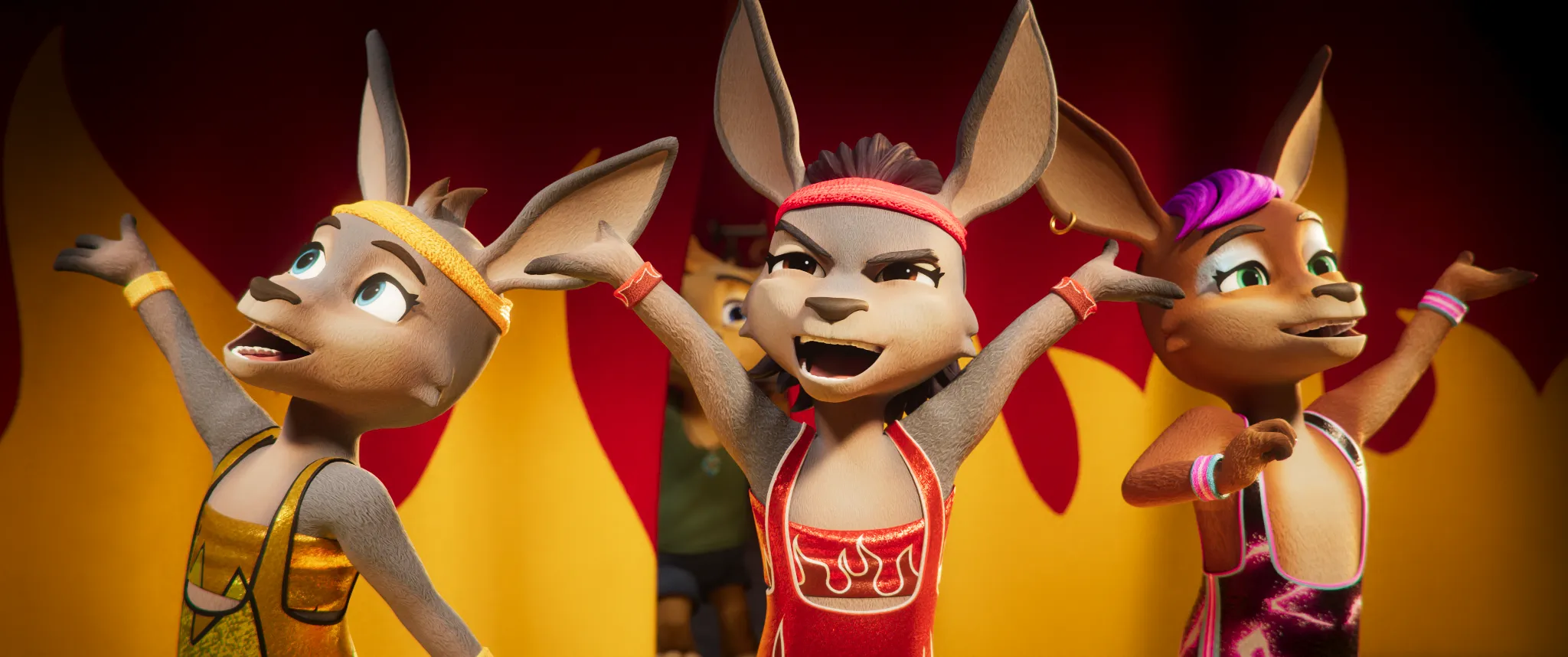
The film’s colour palette paints Australia as a living character. Sweeping shots of red desert cliffs recall Rajasthan’s arid expanses, while bursts of white‑sand coastlines mirror the coastal vibrancy of Kerala. Lush rainforests transition with seamless edits, each hue chosen to reflect both environmental authenticity and narrative mood.
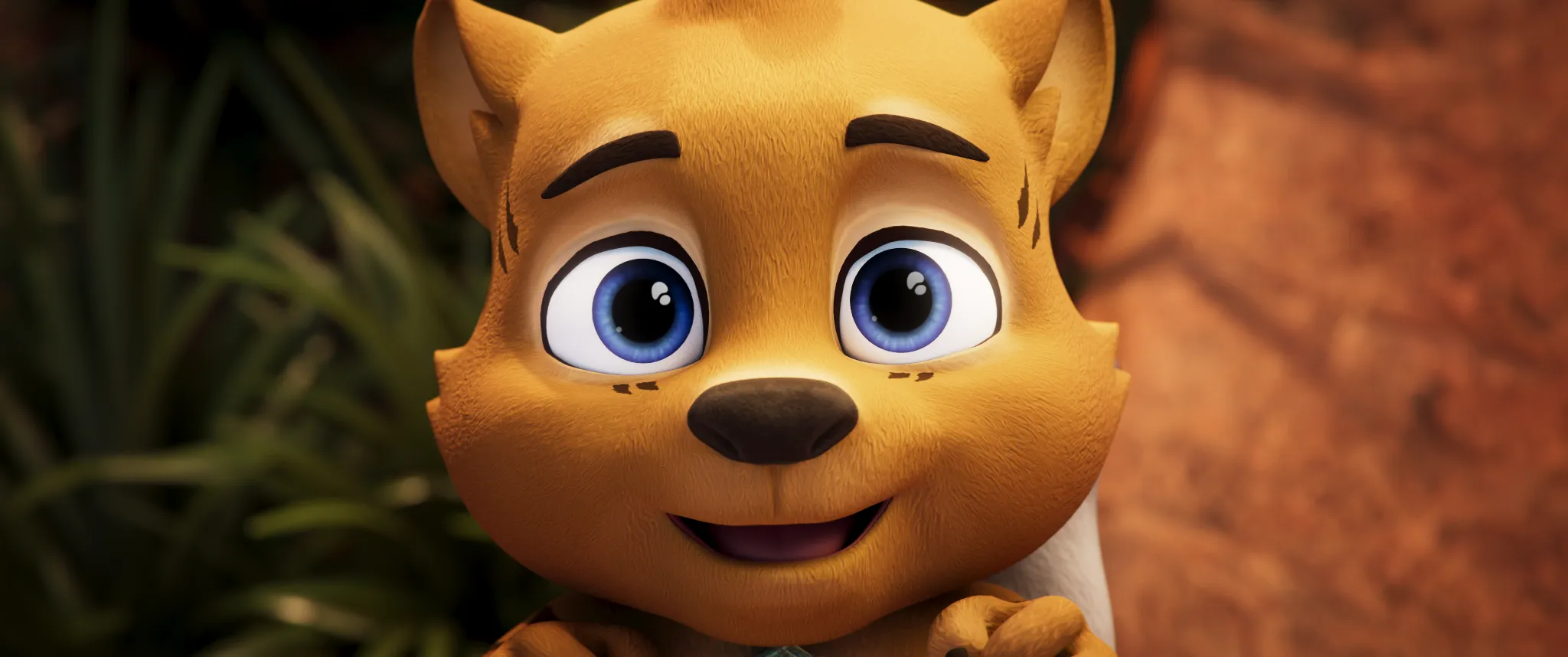
Character design balances anthropomorphic charm with cultural respect. Teo’s striped fur and expressive eyes carry the weight of ancestral symbolism, while the wrestling troupe’s costumes—complete with hand‑stitched emblems—evoke traditional Indian folk theatre attire. Body‑slamming sequences are framed through close‑ups and low angles, creating kinetic energy that mirrors the choreographed precision of Bollywood fight scenes.
Environmental details—Boab tree silhouettes, wind‑sculpted rock formations, coastal waterways—anchor the story in place. These backgrounds aren’t mere backdrops but active participants, much like the cityscapes in parallel Indian cinema that shape character journeys through landscape.
Resonant Rhythms and Wry Wit
The Lost Tiger’s score weaves Indigenous motifs—didgeridoo drones and clapstick rhythms—into sweeping orchestral swells, evoking both ancient song lines and the adventurous flourish of Bollywood travelogues. Composer Tania Vincent punctuates key moments with clap‑and‑chant patterns that recall Rajasthani folk ensembles, giving Teo’s discoveries an urgent, celebratory spirit.
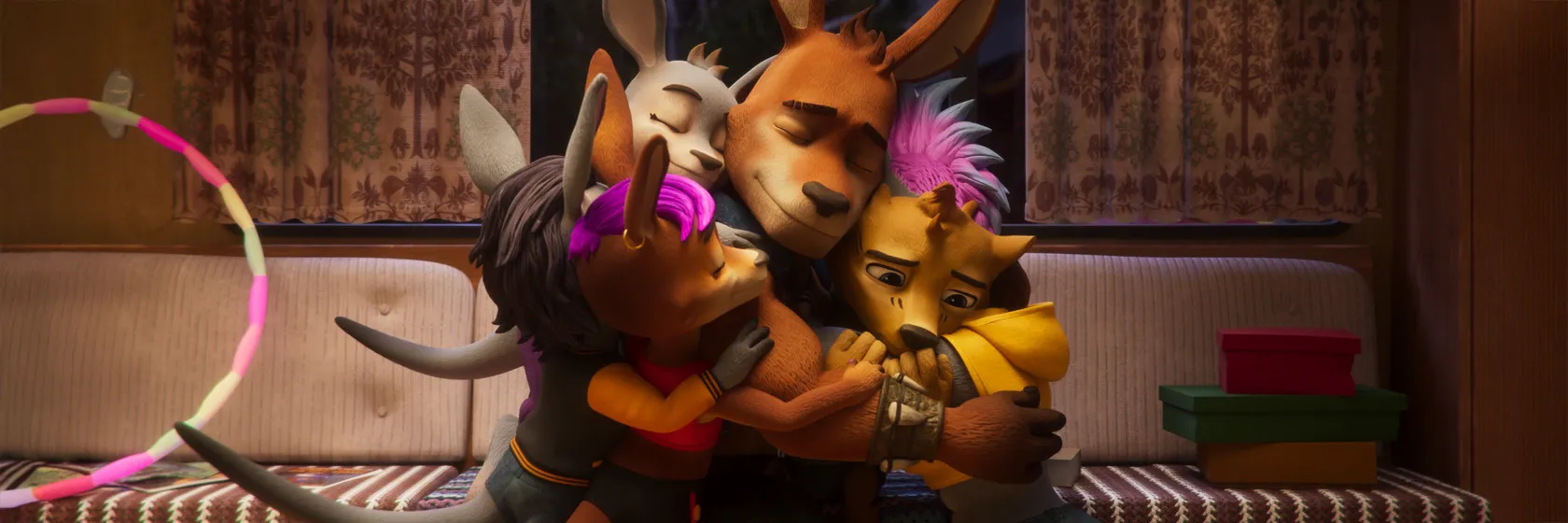
Sound design immerses viewers in the Outback: the distant roar of a wrestling crowd blends seamlessly with bird calls and wind over red rock, while low‑frequency thylacine cries hint at Teo’s hidden lineage. These layers create an aural tapestry as rich as any parallel cinema soundscape.
Dialogue crackles with humour—Teo and Plato trade rapid‑fire quips about “museum loot” and missing wrestling moves, landing jokes that resonate for children and adults alike. Hidden references, like a shout‑out to the traditional 2‑up coin toss game or a cameo chuckle from an earlier character, reward attentive ears and mirror the Easter‑egg culture common in global family films.
Custodians of Story and Land
Murray situates The Lost Tiger within a living tradition of Indigenous storytelling, where oral songlines meet visual narrative. Much like classic parallel films in India that draw from local folklore, her screenplay weaves ancestral memory into each frame. The time‑slip sequence, in which Teo witnesses his mother’s fate, echoes ritualistic flashbacks in regional cinema that honour collective memory.
Chantelle Murray’s Kimberley upbringing shapes every landscape choice. She has spoken of red rocks and white sand as characters in their own right, and the film’s colour design reflects that. Wide shots of ochre plains recall the hues of desert temples in Rajasthani films, while emerald rainforest scenes mirror lush backdrops in Malayalam cinema, grounding the story in place.
The Adventurer’s Guild functions as pointed satire of colonial‑era explorers. Their hunt for the crystal speaks to ongoing debates over museum repatriation—from Australian galleries returning artefacts to conversations in Mumbai about preserving tribal artefacts. By framing resource extraction through playful villainy, the film joins a global conversation on cultural ownership.
As Australia’s first Indigenous‑directed animated feature, this release marks a turning point for local studios and international distributors alike. It opens doors for voices long sidelined, much as the arrival of female directors reshaped Bollywood in the early 2000s.
Before the credits roll, an on‑screen acknowledgment honours the Turrbal and Yuggera Peoples, setting a respectful tone that resonates with similar land‑recognition practices in global arthouse festivals.
Full Credits
Director: Chantelle Murray
Writers: Chantelle Murray, Philip Tarl Denson, Anthony Mullins
Producers: Nadine Bates, Ryan Greaves, Chantelle Murray, Kristen Souvlis
Executive Producers: Julia Adams, Solveig Langeland, Steven Matusko
Cast (Voice): Thomas Weatherall, Rhys Darby, Celeste Barber, Jimi Bani, Nakkiah Lui, Perry Mooney, Elletayah Rae Anderson, Ari Reuben
Composer: Ack Kinmonth
The Review
The Lost Tiger
The Lost Tiger blends playful adventure with poignant cultural themes, its stepped‑key animation and rich soundscape capturing both childlike wonder and ancestral depth. Thomas Weatherall’s earnest turn as Teo anchors the narrative’s exploration of identity, while Chantelle Murray’s visionary direction situates an Indigenous story within global animation discourse. Although pacing relaxes late in the run time, the vibrant landscapes, symbolic imagery and empathetic voice cast ensure a resonant cinematic experience that invites rediscovery.
PROS
- Engaging cultural themes that honour Indigenous heritage
- Expressive sound design blending traditional motifs with orchestral swells
- Stepped‑key animation style that evokes tactile, stop‑motion charm
- Heartfelt voice performances that bring each character to life
- Vivid rendering of Australia’s diverse landscapes
CONS
- Pacing eases in the final sequences
- Animation can feel stiff during fast‑paced action
- Climax follows familiar quest patterns







